In negotiation, tone of voice significantly influences collaboration and outcomes, with expert Chris Voss highlighting techniques like mirroring and inflection, while emphasizing the critical role of the concept of “fairness” as both a strategic tool and a potential pitfall.
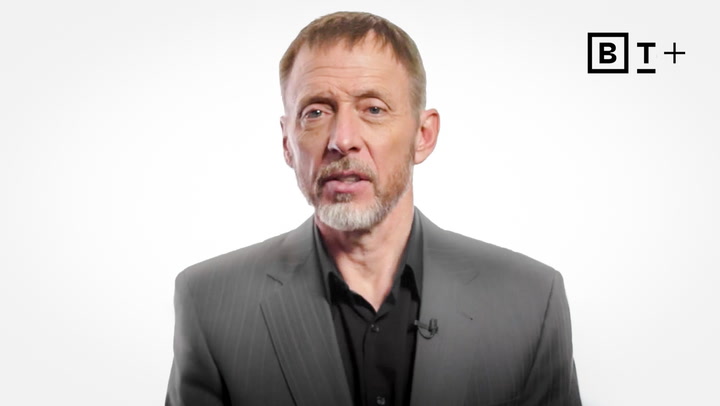
Successful negotiation focuses on collaboration for mutual benefit rather than simply achieving “yes,” with FBI negotiator Chris Voss advocating for starting with “no” to foster trust and open communication, ultimately leading to a more productive dialogue.
Alan Alda’s three communication rules emphasize connecting with your audience, explaining ideas from multiple angles, and reinforcing key points, highlighting that effective communication is a gradual process rather than just memorizing tips.
To engage your audience, humanize your message by sharing personal struggles and obstacles faced in achieving your goals, as this narrative resonates more than technical details alone.
Jargon can obscure communication and create barriers, but by humanizing it and simplifying language, we foster better connections and understanding, as emphasized by Alan Alda in his lesson on effective communication.
Effective leadership in today’s dynamic economy involves creating a supportive culture that unlocks team talents, defines clear goals, and adapts to daily realities, as outlined by Linda Hill in her video lesson on fostering performance, adaptability, and employee satisfaction.
Today’s leadership relies on building trust and inspiring commitment rather than exerting formal authority, emphasizing the importance of character and competence in fostering strong relationships with direct reports, especially in complex and interdependent environments.
This lesson emphasizes that instead of coercing others, understanding their true interests through perspective-taking and mirroring behaviors can foster better communication and connection.
Sheila Heen explains that our emotional baseline significantly influences how we perceive and respond to feedback, highlighting the importance of understanding our emotional profiles to effectively utilize feedback in personal growth.
Effective team leadership requires understanding and addressing personality differences to prevent conflict, as highlighted by Sheila Heen in her video lesson, where she shares strategies for improving communication and relationships among team members facing friction.
Sheila Heen explains in her video lesson that the source of feedback can influence our reactions, and emphasizes the importance of distinguishing between the feedback itself and our responses to the person delivering it to maintain focus on the message.
Sheila Heen’s video lesson emphasizes the importance of recognizing our own blind spots in communication, particularly how our facial expressions, body language, and tone may be misinterpreted by others, which can significantly impact workplace relationships.
In this video lesson, Heen highlights common mistakes in receiving feedback, emphasizing the importance of seeking clarification on its origins and implications, while encouraging a balanced approach to feedback by recognizing both flaws and valuable insights.
In this video lesson, Heen discusses three vital types of feedback for leaders: appreciation, coaching, and evaluation, emphasizing that while evaluation is often the most noticeable, appreciation is crucial for motivating and improving team performance.
In her video lesson, Sheila Heen emphasizes that improving interpersonal relationships starts with self-reflection, offering tools to identify reaction triggers—truth, relationship, and identity—that can help navigate feedback and enhance interactions.
In her video lesson, Sheila Heen explores how to effectively process performance feedback, emphasizing the importance of overcoming our conflicting responses to improve and grow within an organization.
Diversity issues should be approached institutionally, but until barriers are broken, underrepresented individuals must actively signal their executive presence by showcasing experience, connections, and leadership potential through assertive engagement in workplace opportunities.
American culture prioritizes acquisition, but Amy Cuddy emphasizes that true presence is an ongoing commitment to being emotionally and physically engaged in the moment, requiring self-affirmation and the harnessing of personal power to navigate stress and improve over time.
Amy Cuddy explains that true presence, characterized by belief in one’s story, confidence, and synchrony between verbal and non-verbal cues, contrasts with inauthenticity, which can be detected through conflicting emotions and behavioral leaks.
In remote work settings, “mullet outfits” reflect a blend of comfort and professionalism, and career advisor Gorick Ng emphasizes the importance of managing perceptions through clear communication and mindful presentation to ensure your hard work is recognized and respected.
Meetings, while often overlooked, are crucial for workplace productivity and career advancement; by clarifying expectations beforehand, engaging appropriately during, and following up afterward, you can effectively showcase your capabilities and build valuable relationships.
In this video lesson, career advisor Gorick Ng offers strategies to reduce micromanagement by clarifying project expectations and enhancing communication, ultimately fostering a more autonomous work environment and improving the manager-employee relationship.
Career advisor Gorick Ng shares four strategies to ease first-day jitters at a new job: research your workplace, build relationships early, volunteer to help, and actively ask questions to engage and learn.
In this video lesson, career advisor Gorick Ng explains how understanding unspoken workplace expectations—such as competence, commitment, and compatibility—can help newcomers navigate interpersonal dynamics, build trust, and unlock career opportunities.
While hard work is essential for career advancement, career advisor Gorick Ng emphasizes that understanding workplace dynamics and making your efforts visible are equally important for professional success.
To enhance professionalism in virtual meetings, executive coach Alisa Cohn emphasizes the importance of effective body language, including maintaining eye-level camera positioning, a pleasant expression, and addressing team members’ presentation issues constructively.
In today’s workplace, fostering psychological safety—where team members feel secure and valued—is essential for maximizing potential, requiring leaders to confront their own insecurities, encourage open communication, and recognize individual contributions.
Hearing your recorded voice can feel strange, much like receiving feedback on your leadership; to foster personal growth, it’s essential to gather honest insights from others, ideally with the guidance of a coach, to align your intentions with your impact.
Effective leadership requires understanding your default style and knowing when to adapt, which involves courageous self-examination of your communication, conflict resolution, feedback methods, control tendencies, stress responses, and decision-making processes, according to executive coach Alisa Cohn.
Executive coach Alisa Cohn highlights that even seasoned leaders experience imposter syndrome, and to foster confidence in their teams, they must first address their own insecurities and create a psychologically safe environment.