ai
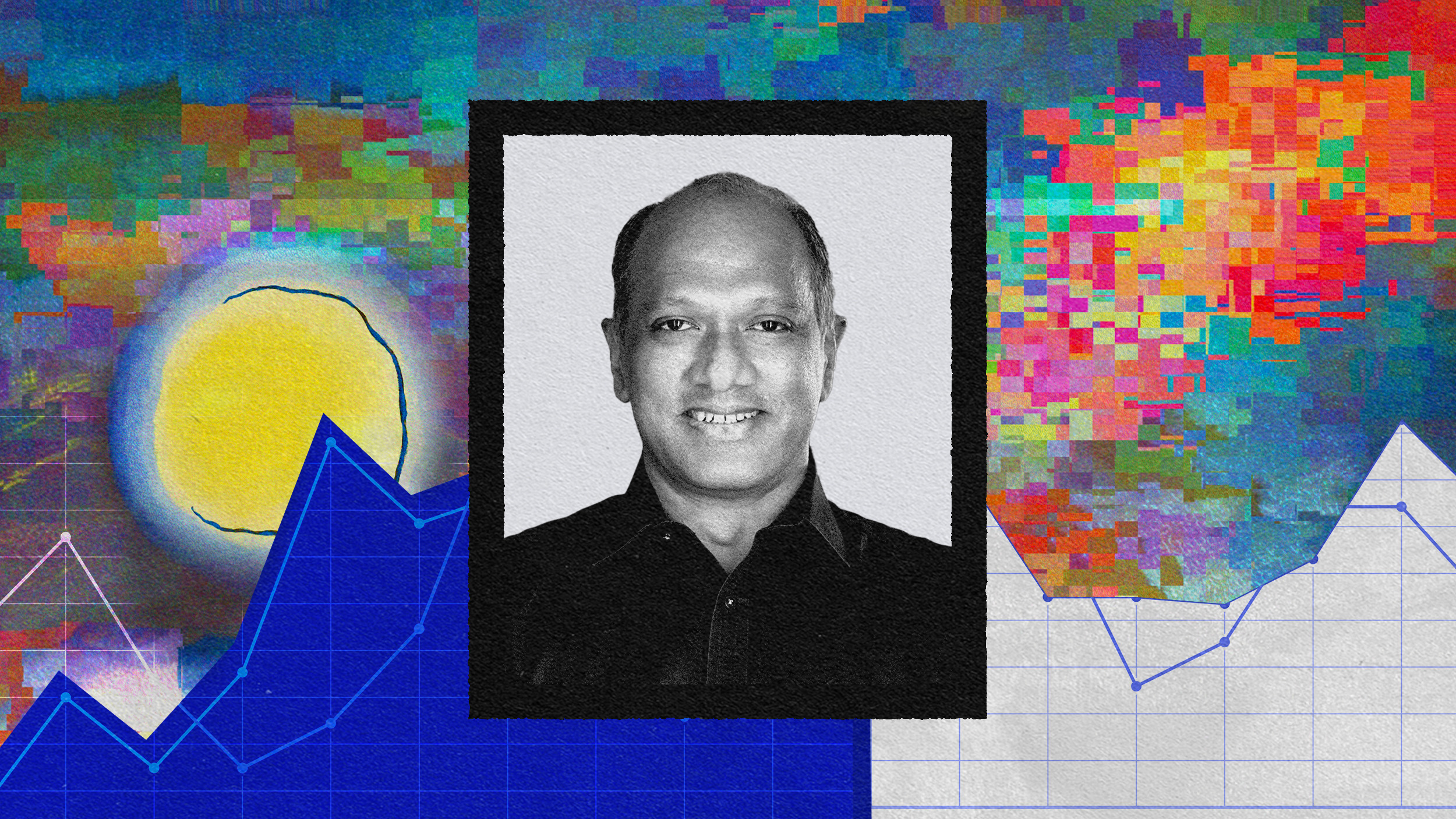
Vijay Tella — CEO of enterprise orchestration unicorn Workato — joins Big Think Business for an exploration of our “agentic” future.

His $1 million ARC Prize competition is designed to put us on the right path.

In new business use cases where AI is the default, the potential results are phenomenal — but humans should play a key strategic role.

More accurate uncertainty estimates could help users decide about how and when to use machine-learning models in the real world.

Hindsight can cloud our predictive abilities but big data can de-mist forecasting — now AI is sharpening that focus.
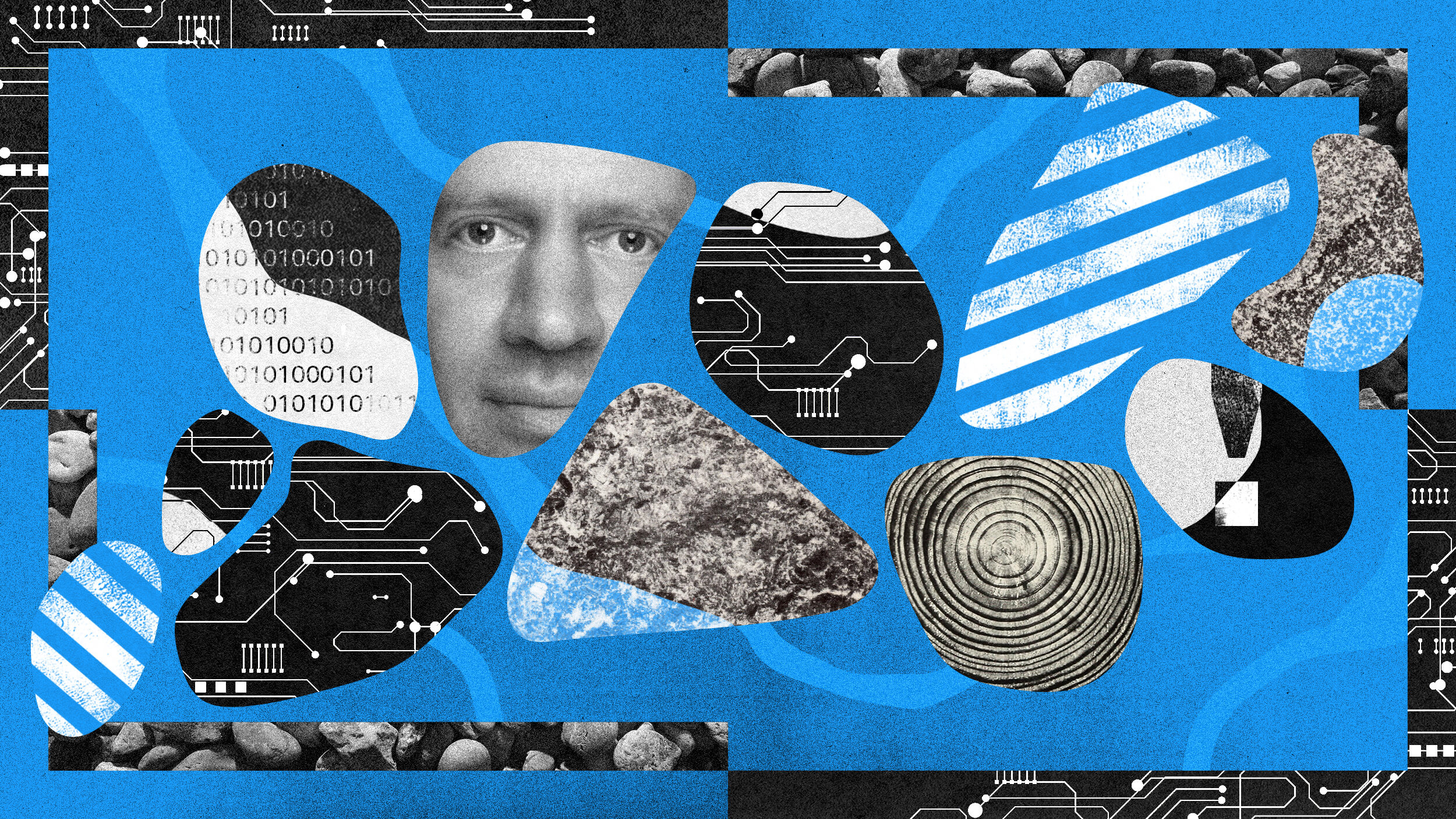
AI researcher and author Ken Stanley wonders how our rear-view perspective on success fits into a serendipitous mode of innovation.

The new corporate landscape demands an approach to leadership based on empowering the “inner CEO.”

Can AI-powered “answer engines” replace the 10 blue links model?
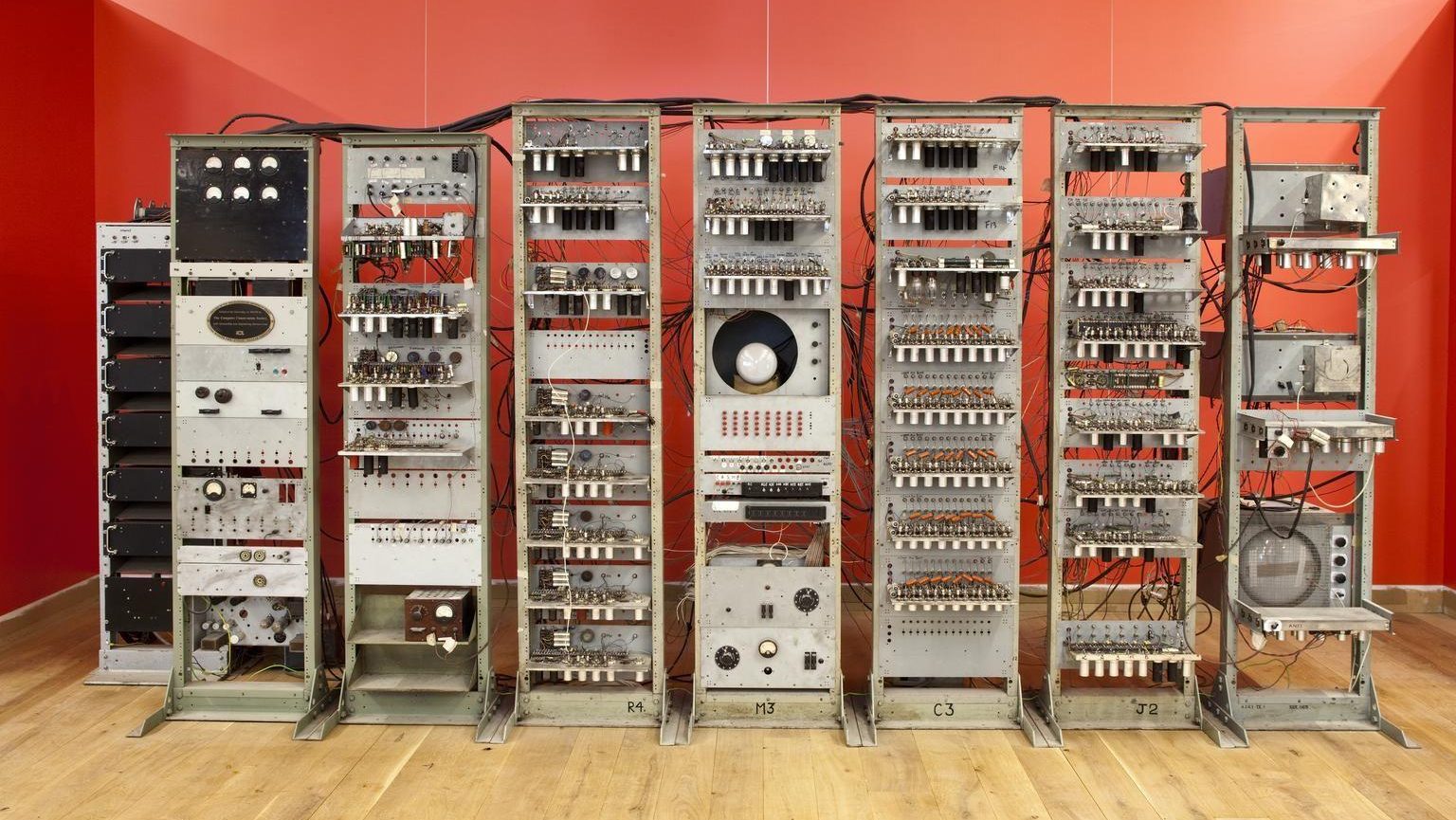
Alan Turing and Christopher Strachey created a ground-breaking computer program that allowed them to express affection vicariously when so doing publicly, as gay men, was criminal.

“If you’re training an AI to optimize for a task, and deception is a good way for it to complete the task, then there’s a good chance that it will use deception.”
It’s knowledgeable, confident, and behaves human-like in many ways. But it’s not magic that powers AI though; it’s just math and data.
Our relationship with chatbots is undergoing a sea change — here’s how the transformation will most affect you and your team.

The military is courting tech startups to help it win the AI arms race.
Cognitive systems famously posited by psychologist Daniel Kahneman (1934-2024) may hold the key to a more productive and focused work environment.
A golden new era of business is within our reach — provided that we harness AI’s potential while mitigating the risks.

Architecture in the age of AI — argues professor Nayef Al-Rodhan — should embed philosophical inquiry in its transdisciplinary toolkit.
Smart glasses have flopped before. AI could finally make them mainstream.

Kurzweil predicts that AI will combine with biotechnology to defeat degenerative diseases this decade. Then things will get really interesting.

Nestor Maslej, research manager at the Stanford Institute for Human-Centered AI (HAI), talks us through key findings in the 2024 AI Index Report.

Our “embodied minds” suggest an eventual escape from mortality via computer is unlikely.

AI projects reveal both heroes and villains in your workforce — success depends on maximizing the number of heroes.

Neuroscientist Christof Koch on human minds, AI, and bacteria.
“How long someone thinks about [a] problem is a really good proxy of how humans behave.”
Generative AI is arriving fast — both overtly and covertly — and without solid L&D guidance leaders and teams will be hobbled, argues Matt Beane.
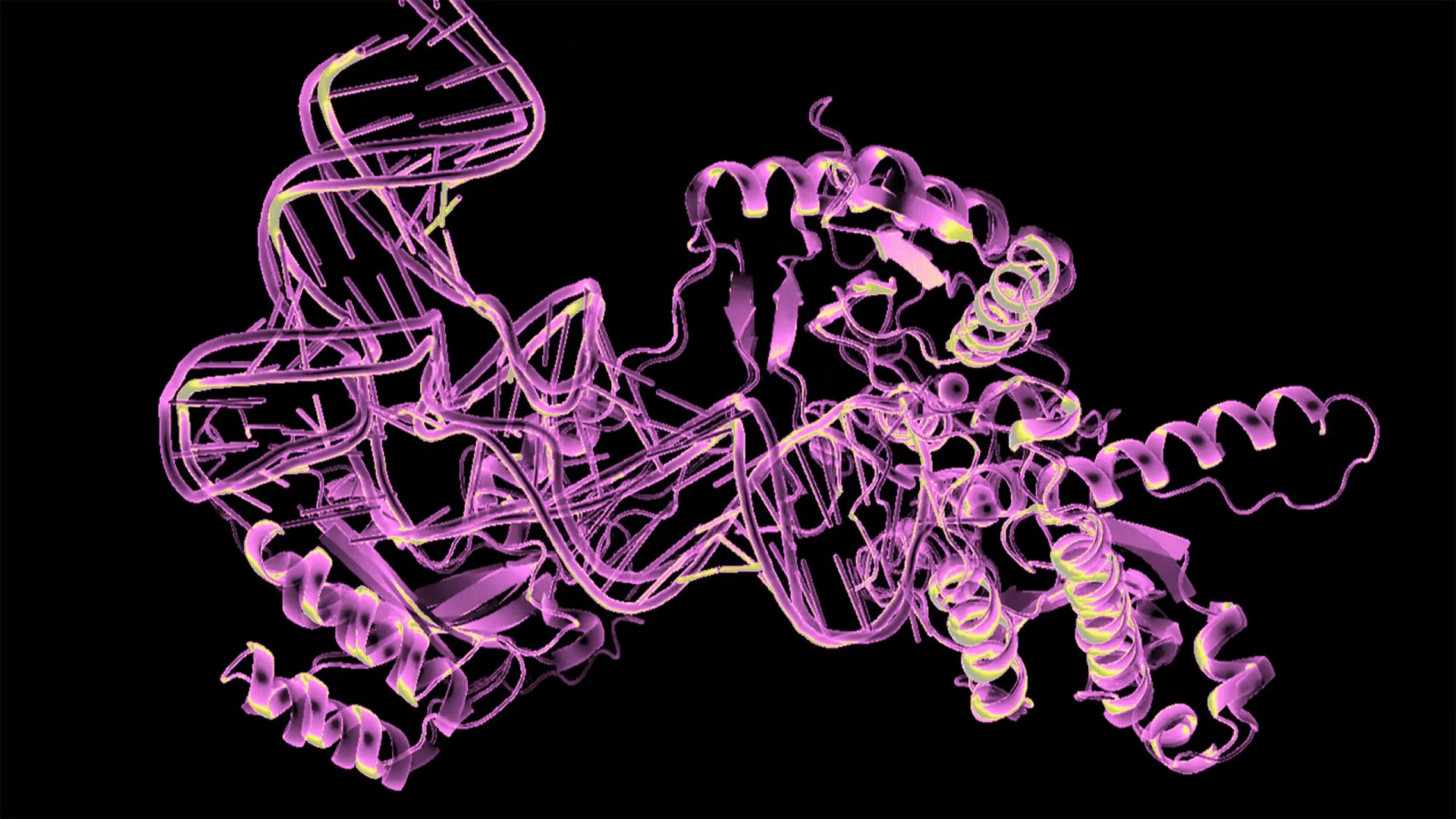
“By 2040, we hope to see a number of new drugs that have been designed with AI reaching patients.”
Tech entrepreneur Alvin Wang Graylin sketches out a bold new age of AI-led enlightenment underscored by compassion.
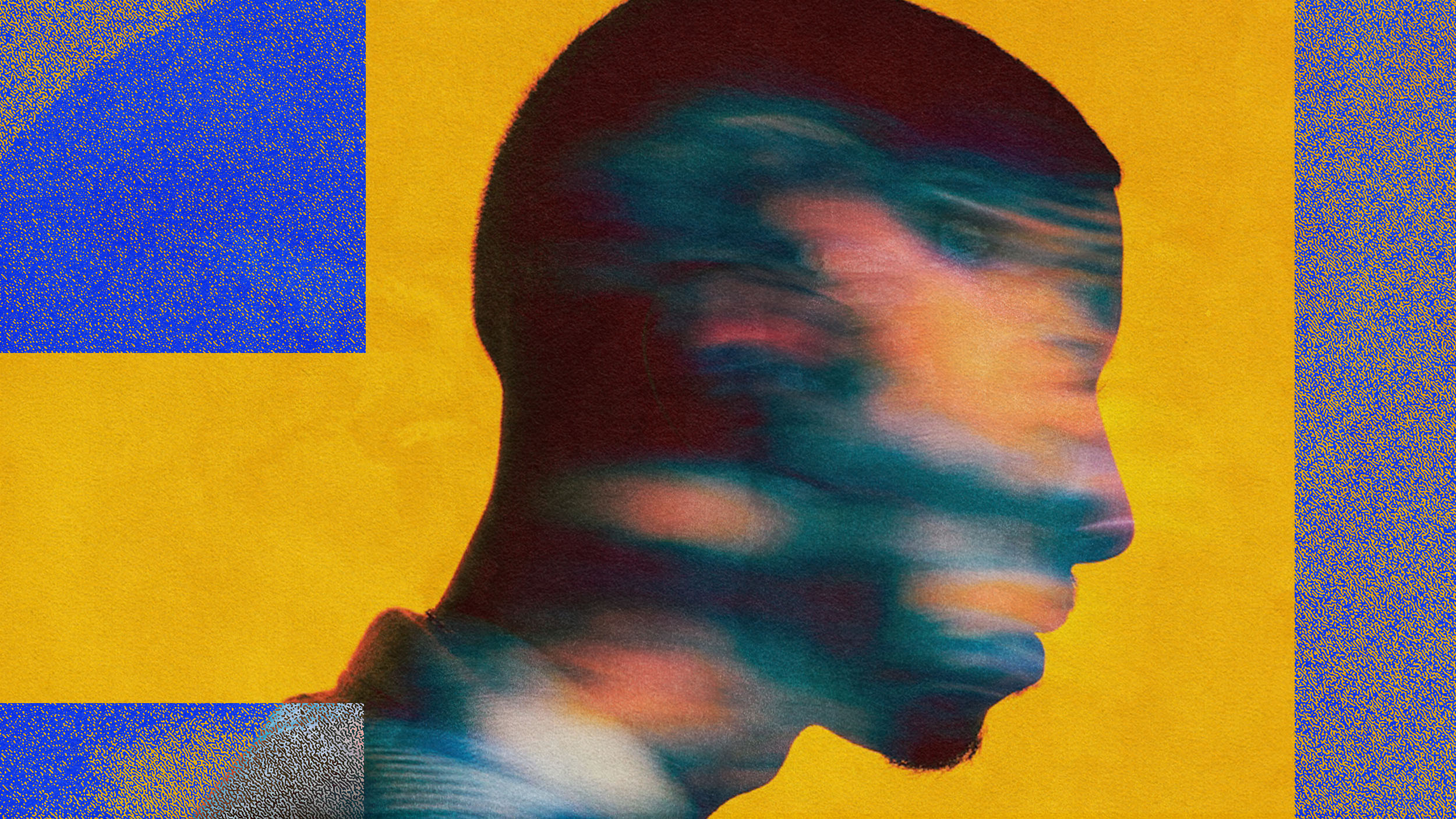
The mindless implementation of AI tools can come at a cost for our teams. Here are some red flags and solutions.
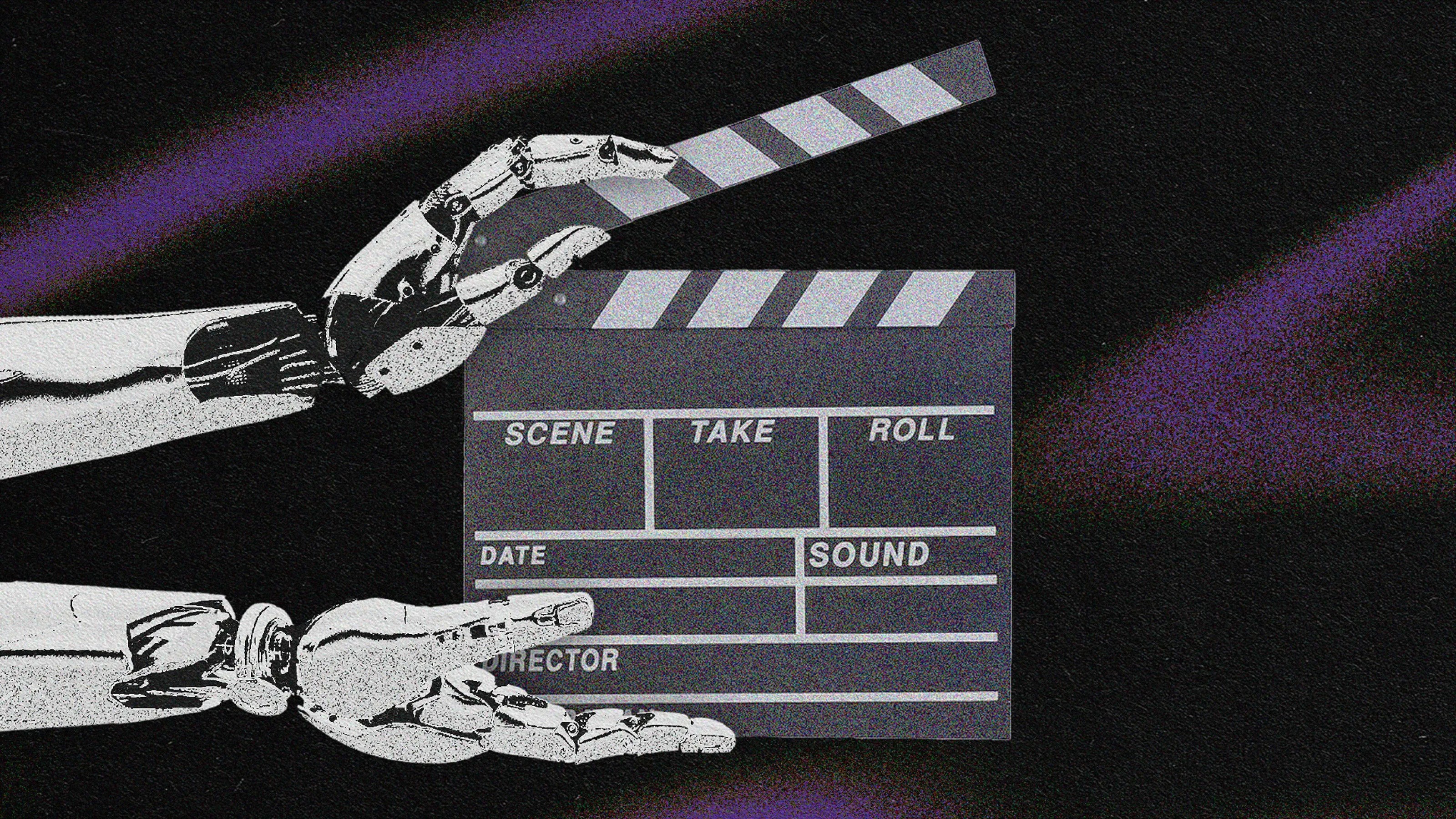
Freethink asks three different kinds of experts to answer this question.
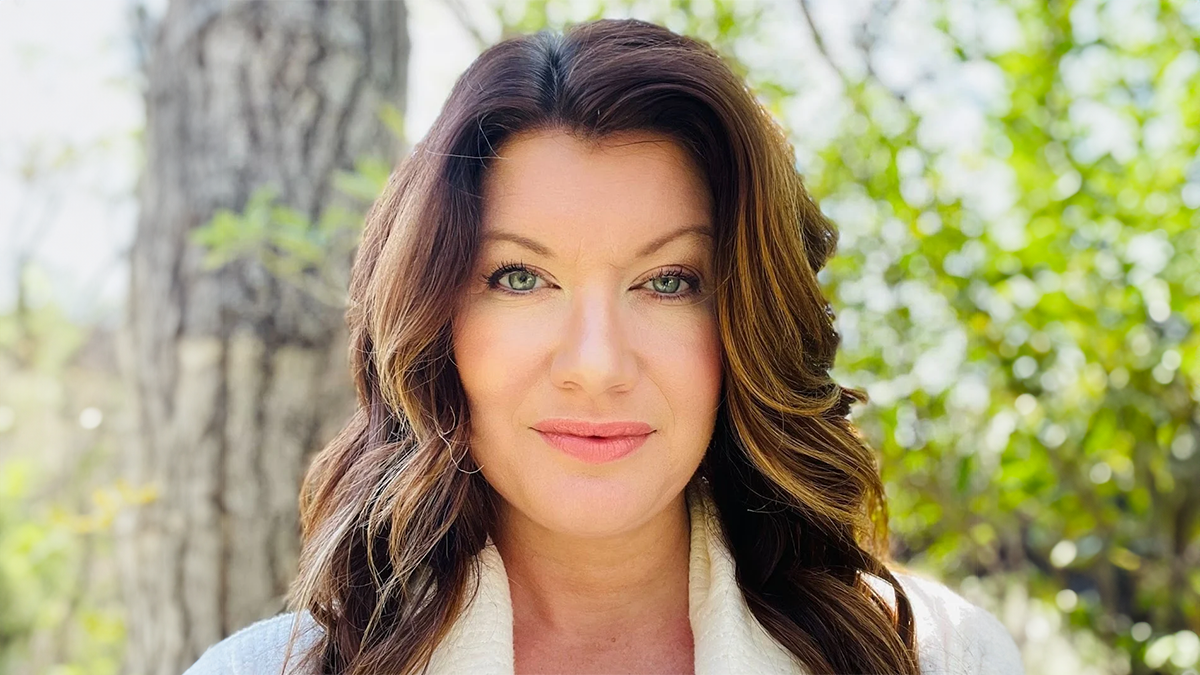
Big Think interviews Angie Westbrock, CEO of Standard AI, to learn the secrets of adapting to the winds of change.

Acclaimed writer Mauro Javier Cárdenas used AI in his latest work to surprising effect.