environment
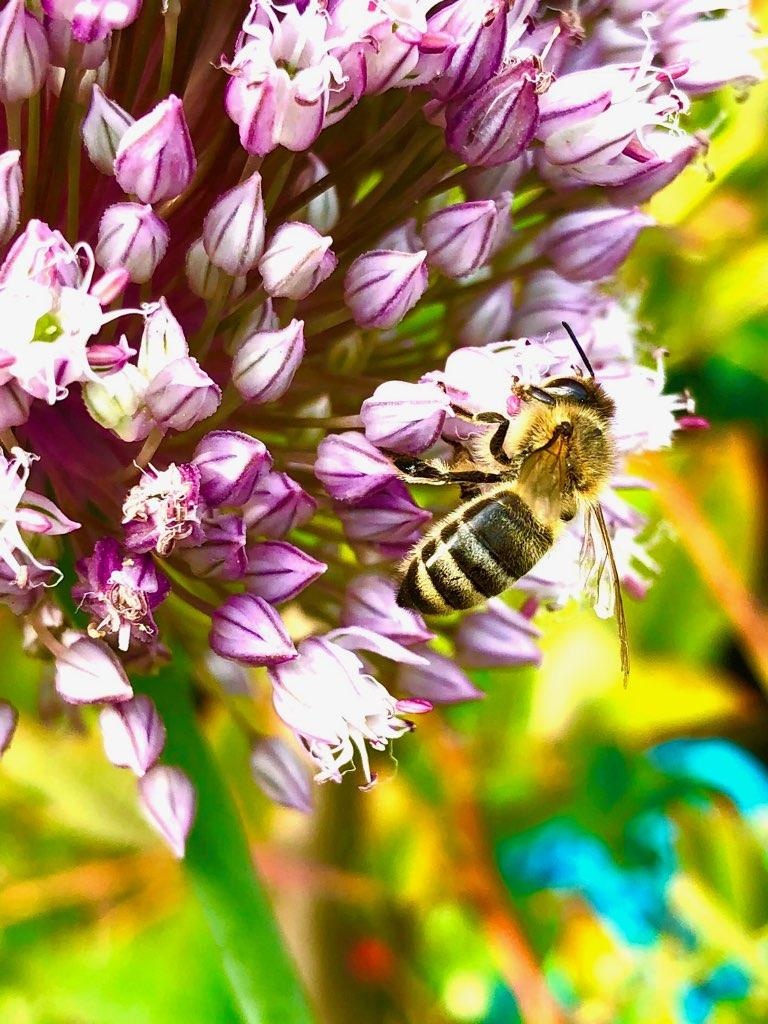
Declining bee populations could lead to increased food insecurity and economic losses in the billions.
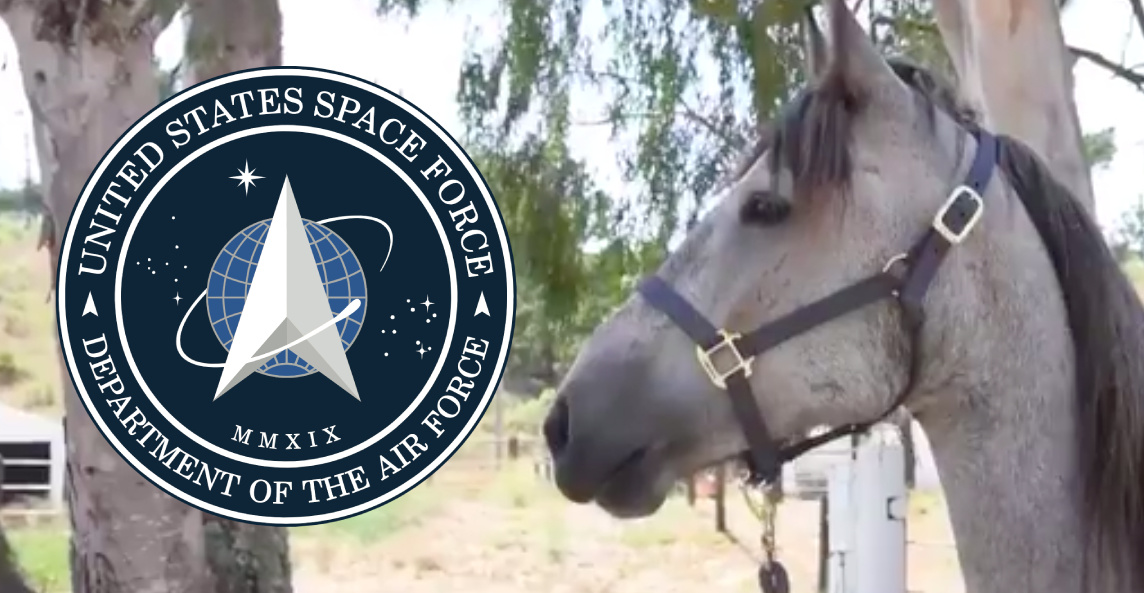
America’s Space Force has acquired a horse for an important mission.
The complacent majority needs to step up and call for action on climate change.
▸
22 min
—
with
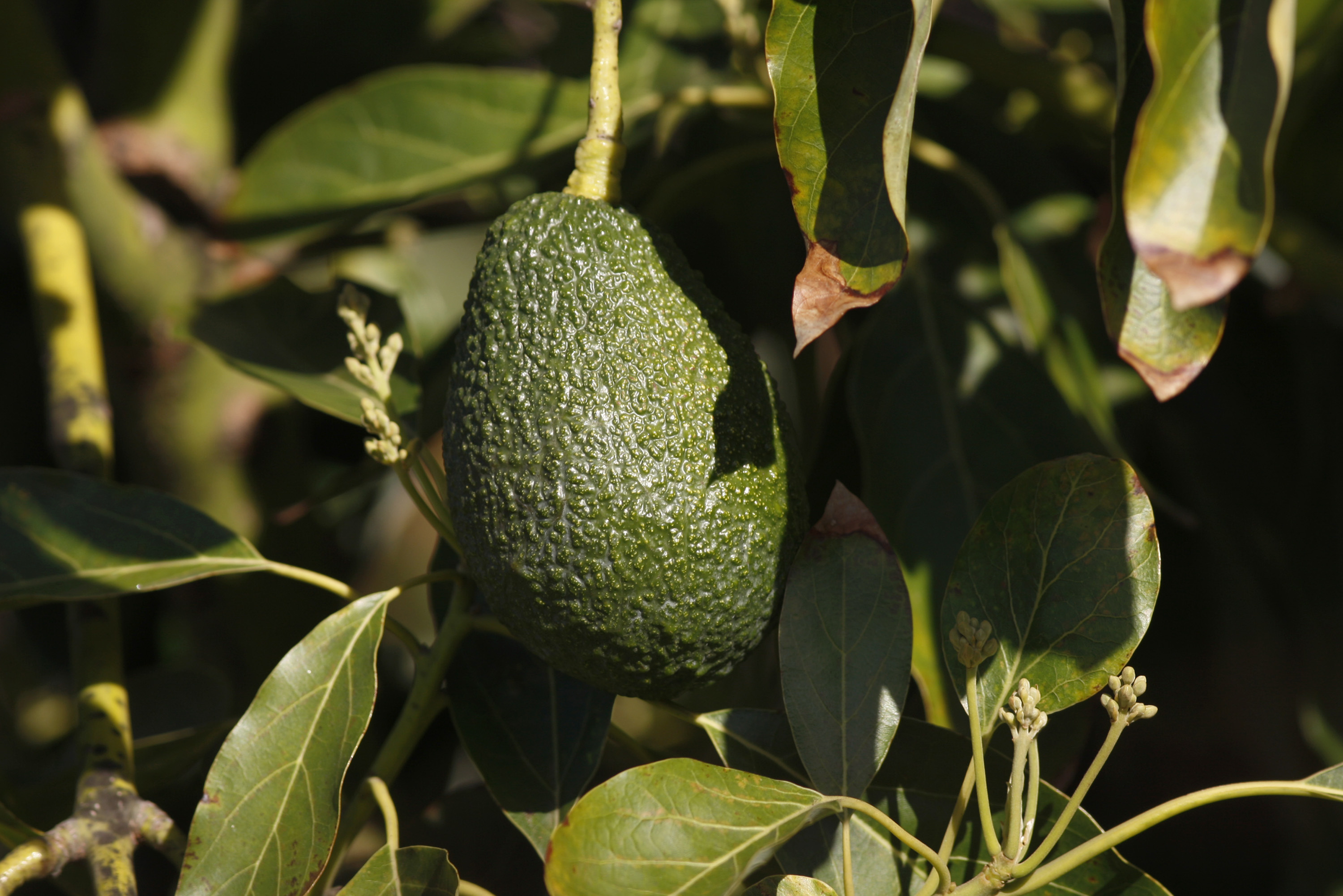
Avocado evolved in the warming climates of Central America during the Neogene period, roughly 10 million years ago.
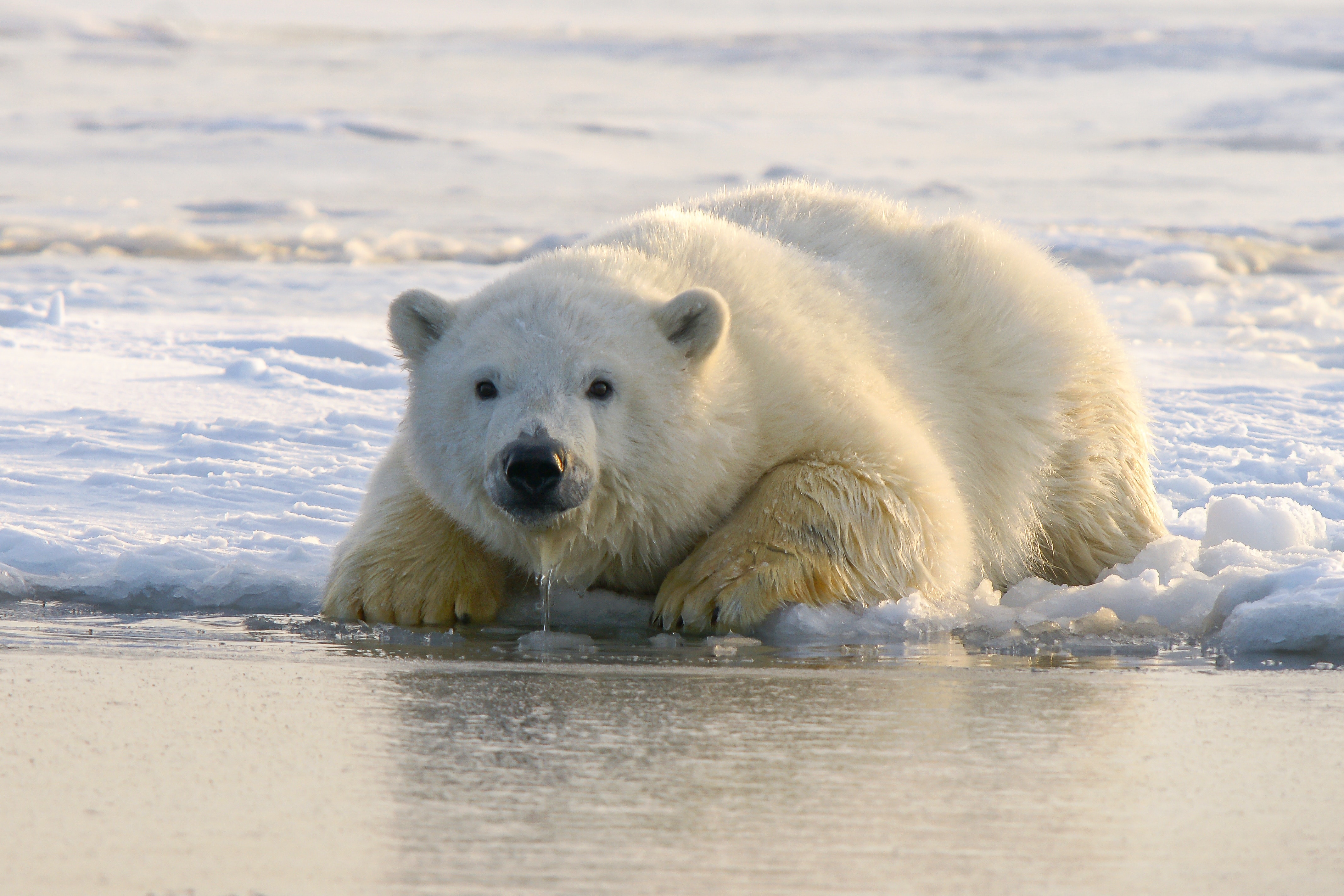
If Arctic ice continues to melt at its projected rate, the bears will go extinct due to starvation by the end of the century according to a first-ever projected timeline.
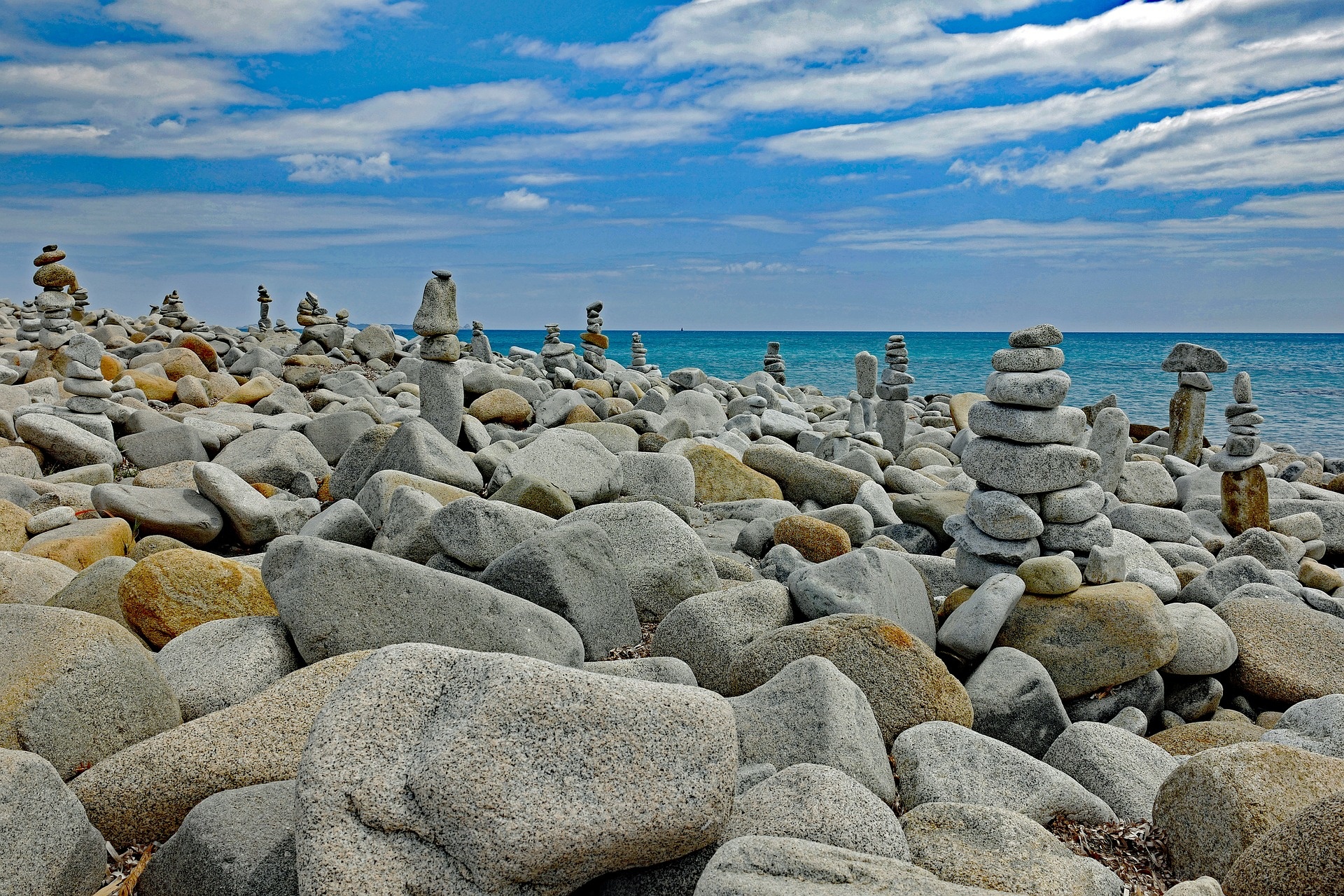
Stone stackers enjoy the practice as a peaceful challenge, but scientists warn that moving small stones has mountainous consequences.
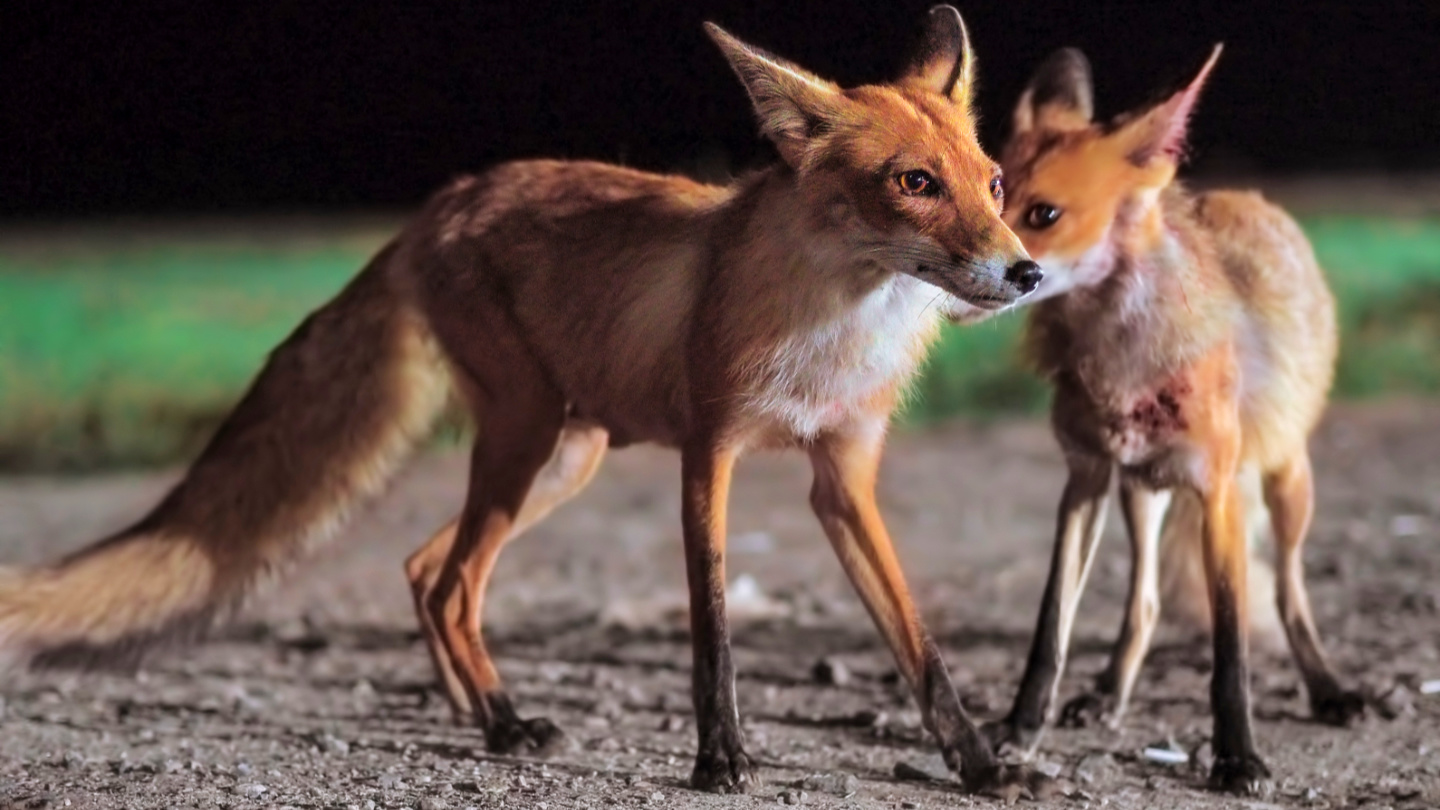
Animals are adapting all the time these days to stay out of our way.
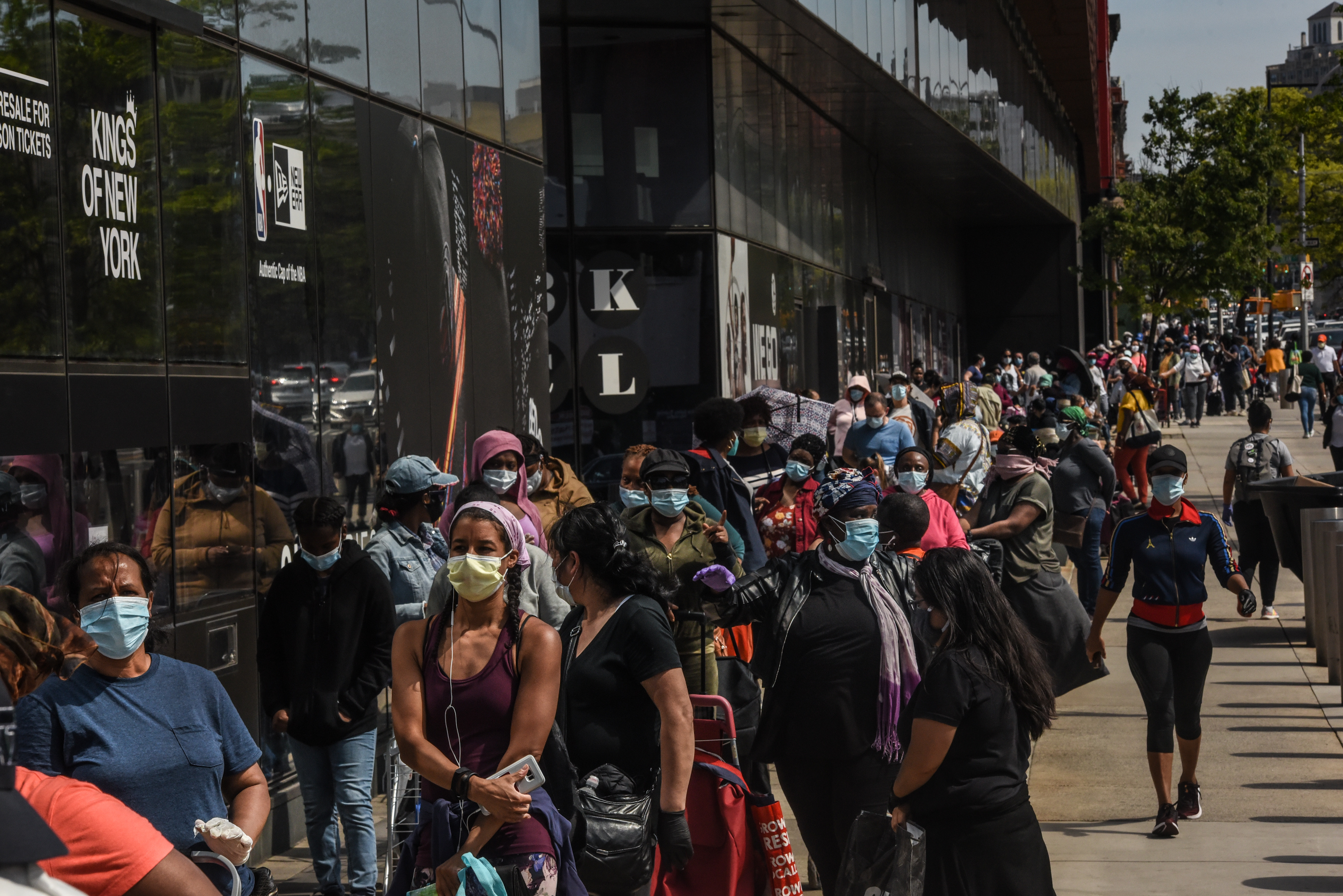
What would happen if the U.S. guaranteed every citizen a job with a living wage and benefits?

A conspiracy theory that 90 percent of the world’s population will be killed off spreads widely on pandemic fears.
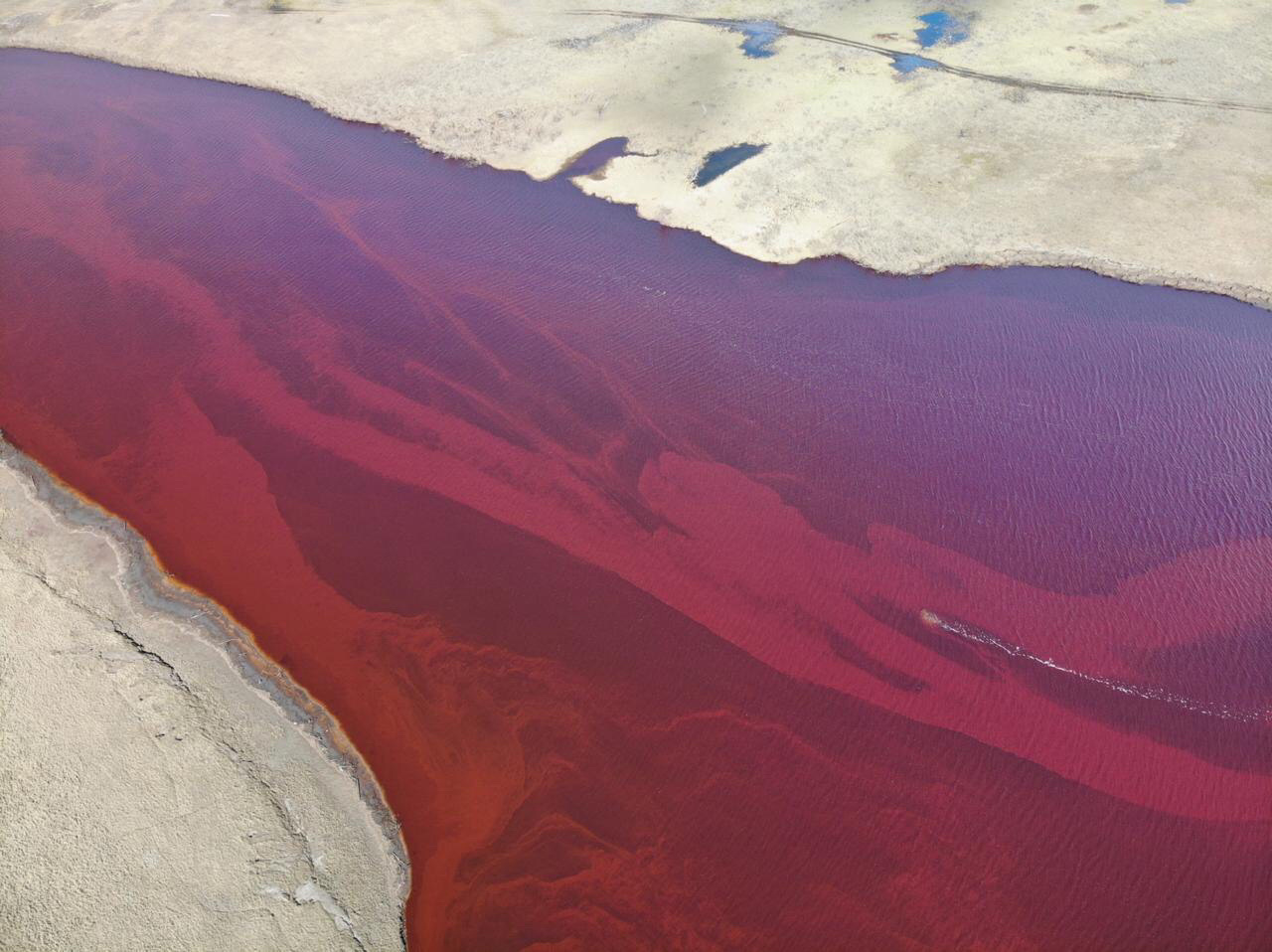
It’s one of the nation’s worst oil spills on record.
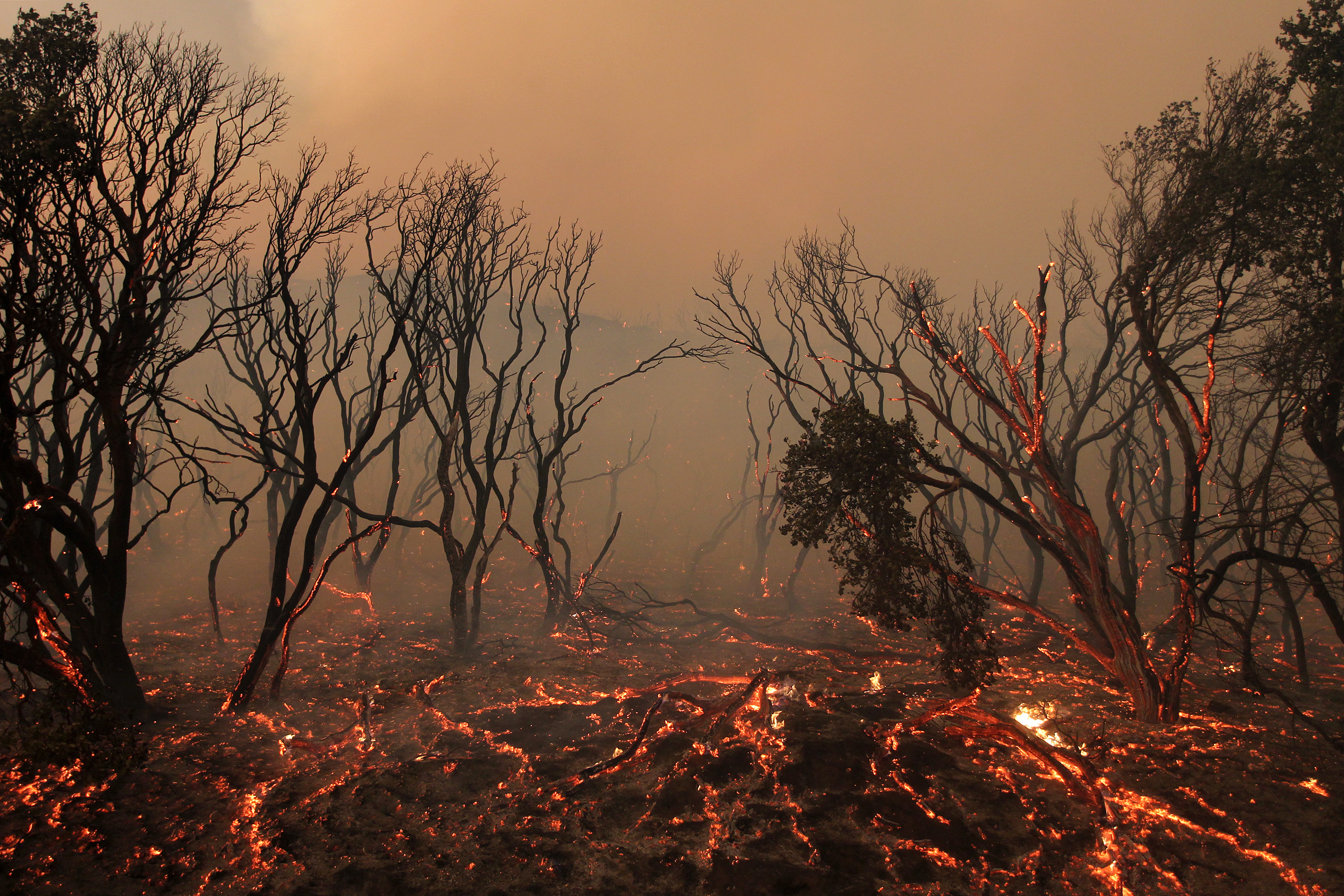
Or is doubt a self-fulfilling prophecy?

The future of education and work will rely on teaching students deeper problem-solving skills.
▸
4 min
—
with
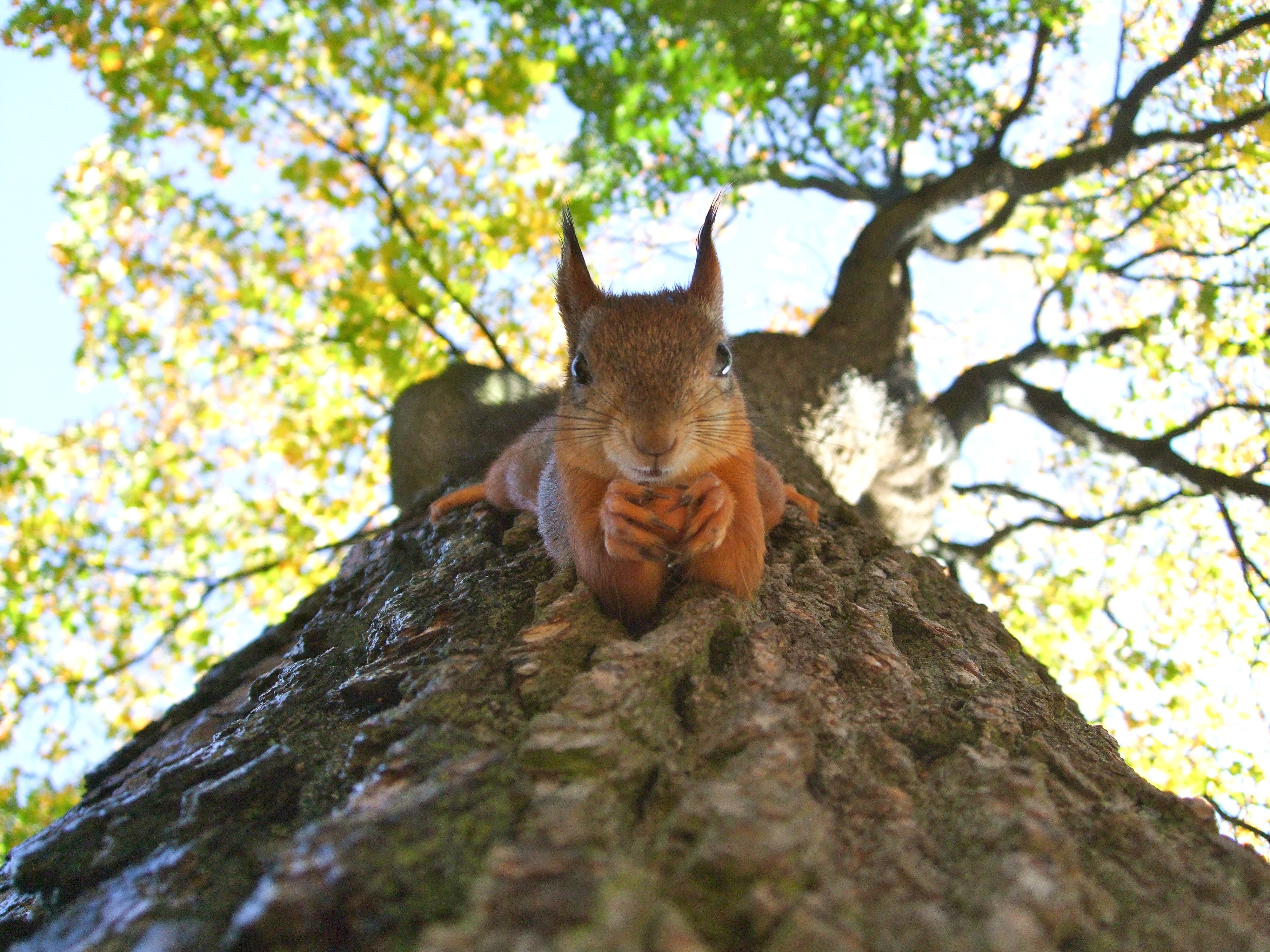
Maybe you’ve been wondering if you’re seeing one persistent squirrel or a rotating cast of characters.

There are countless studies that prove ecotherapy (often referred to as nature therapy) is beneficial for your physical and mental health.
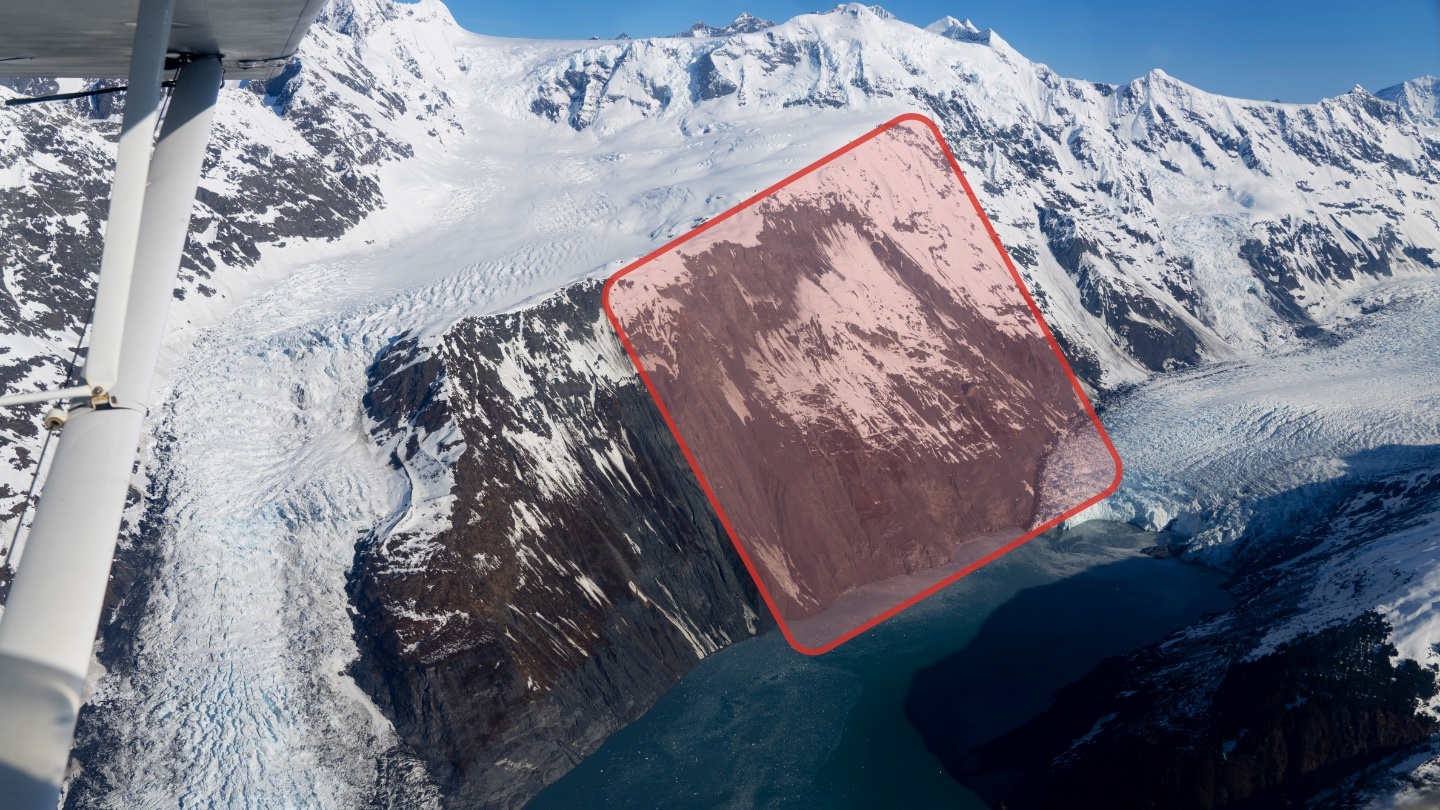
An open letter predicts that a massive wall of rock is about to plunge into Barry Arm Fjord in Alaska.


Why do some people still believe that behavior is caused solely by genes or environment? A new paper offers some answers.

Transparency no doubt keeps organizations more accountable, but public companies need to reconnect with their true owners.
▸
4 min
—
with

TreeTalk finds rare arboreal treasures among London’s common foliage.
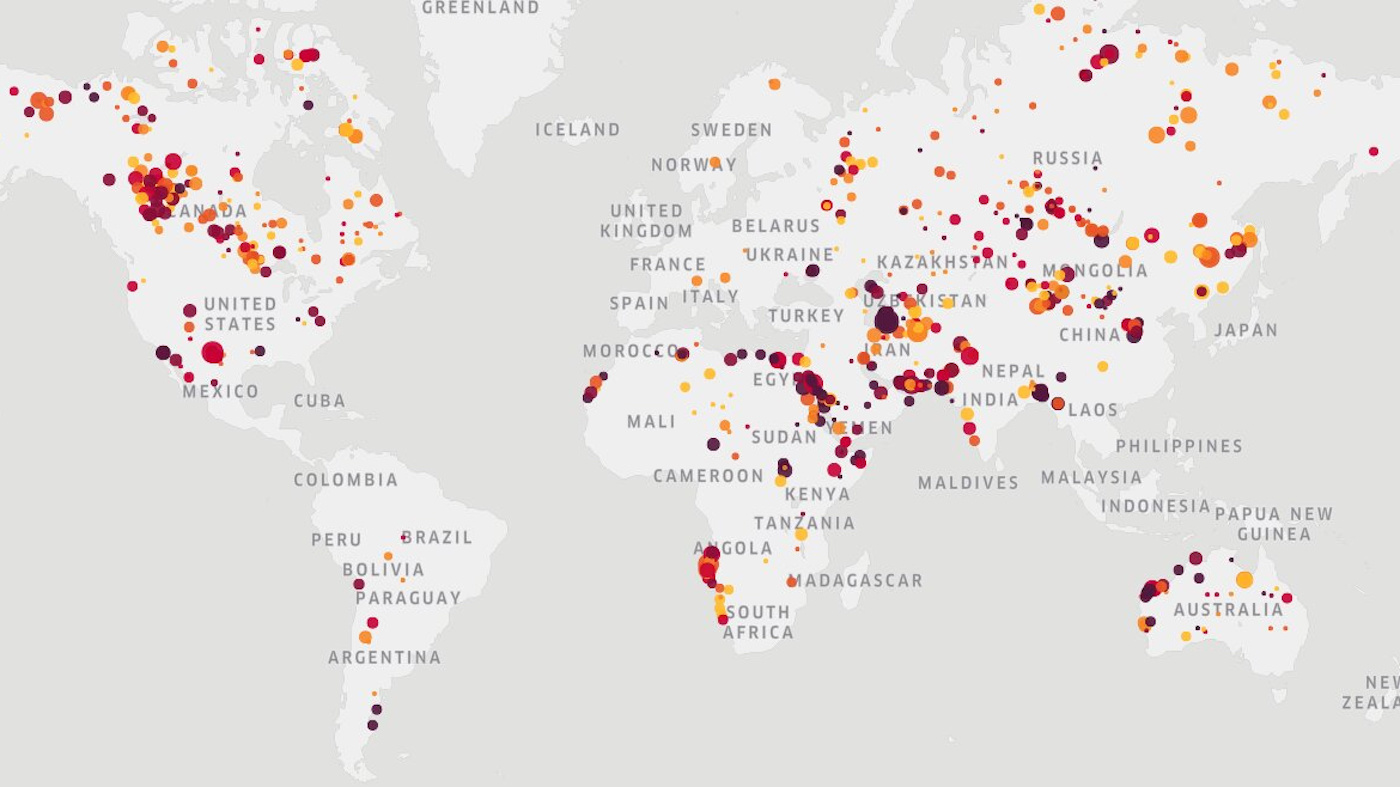
A European start-up uses satellite data to pinpoint individual sources of abnormal methane concentration.
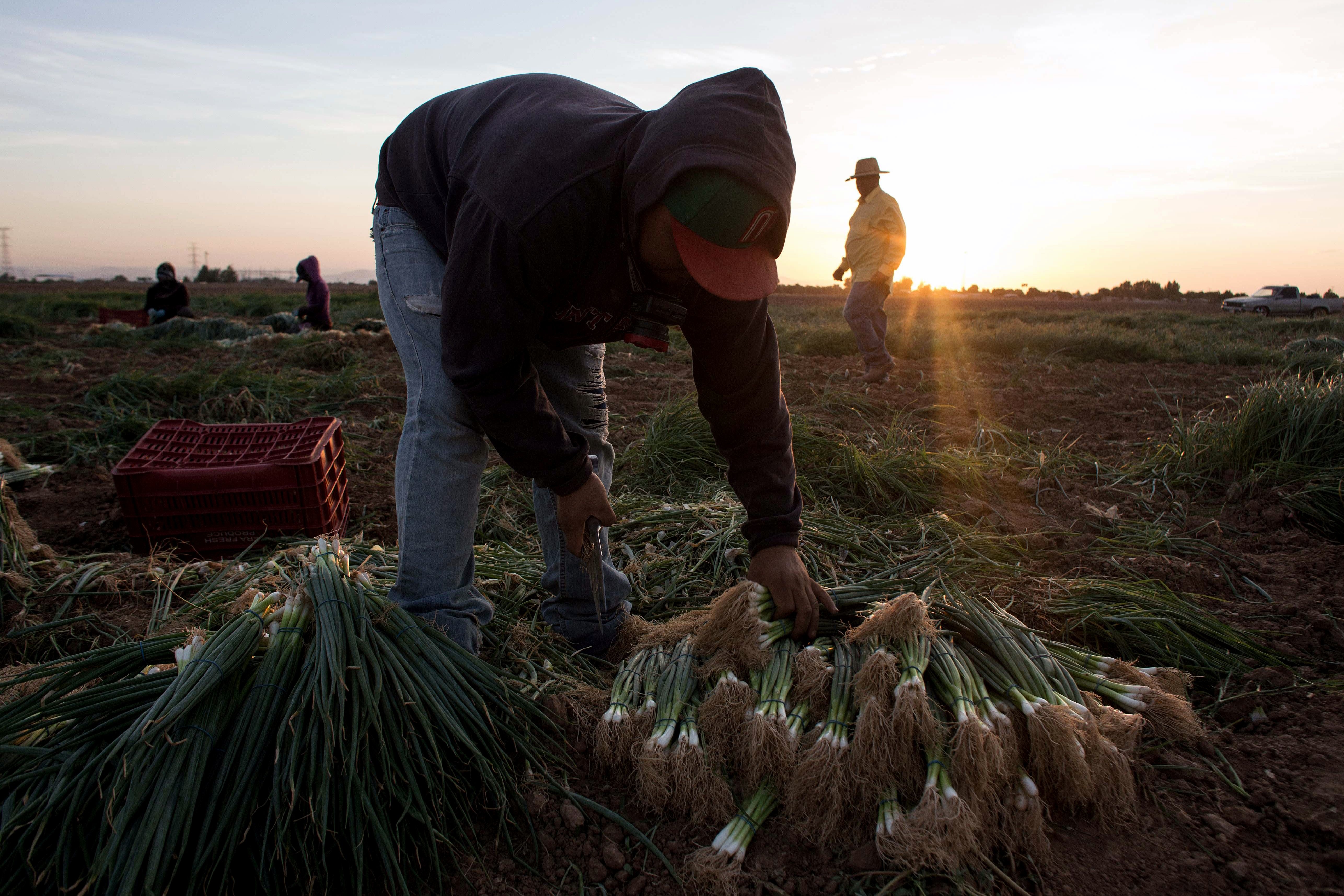
Today’s agriculture workers face 21 days of heat that exceed safety standards. That number will double by 2050.
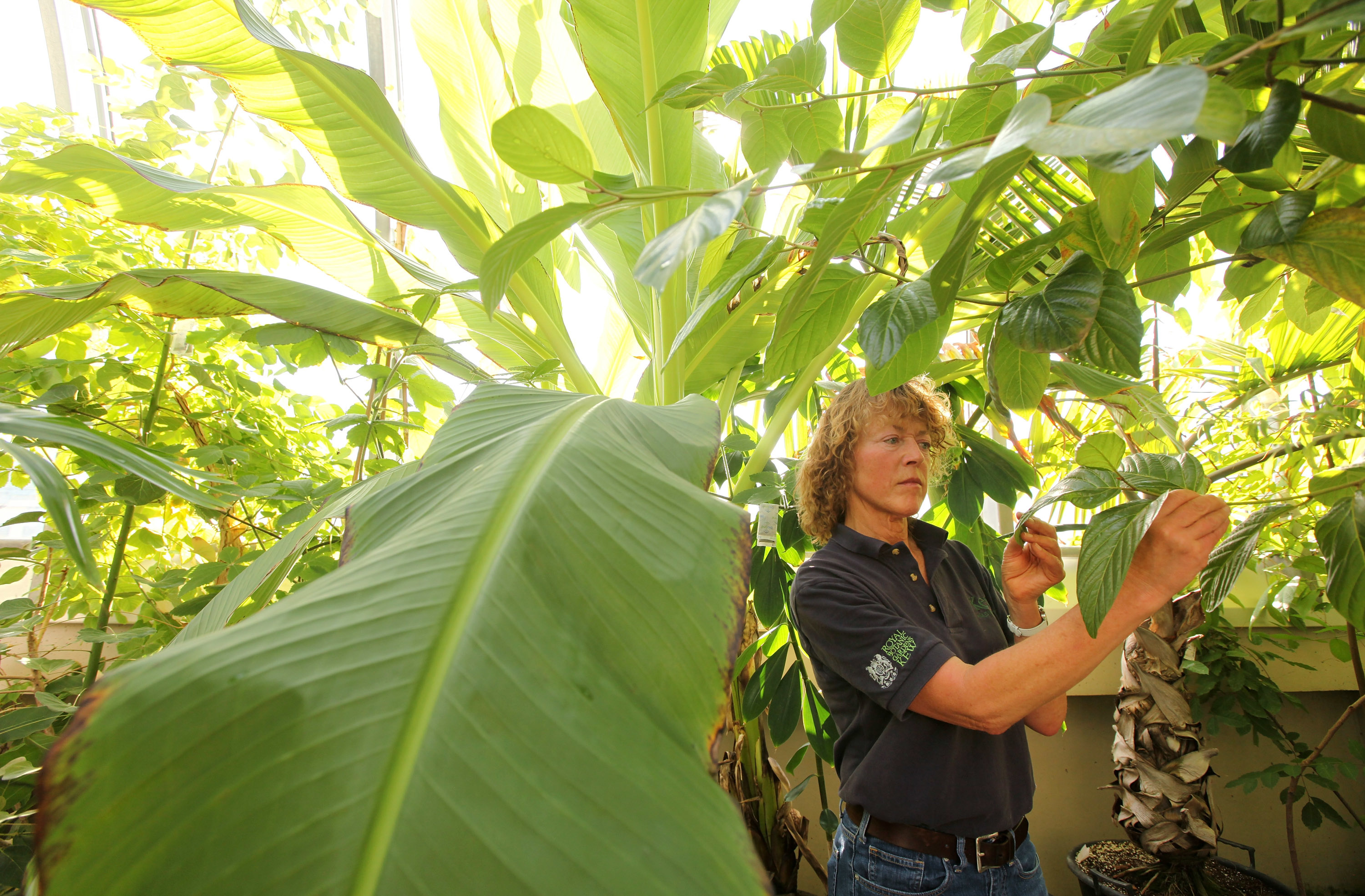
Carbon nanotubes embedded in leaves detect chemical signals that are produced when a plant is damaged.
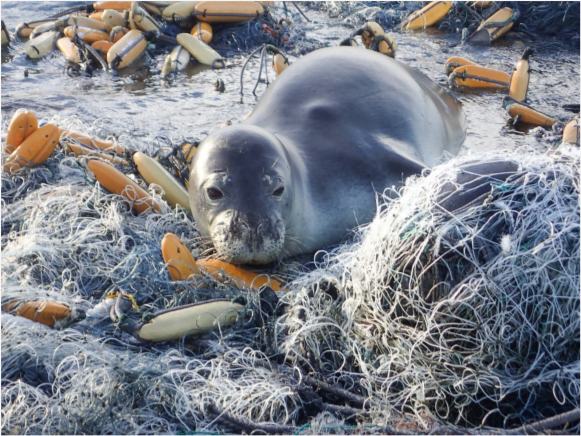
The researchers hope to develop a no-trace plastic to curtail marine pollution and ghost fishing.

Fires pose a major health risk to people living near irradiated sites.
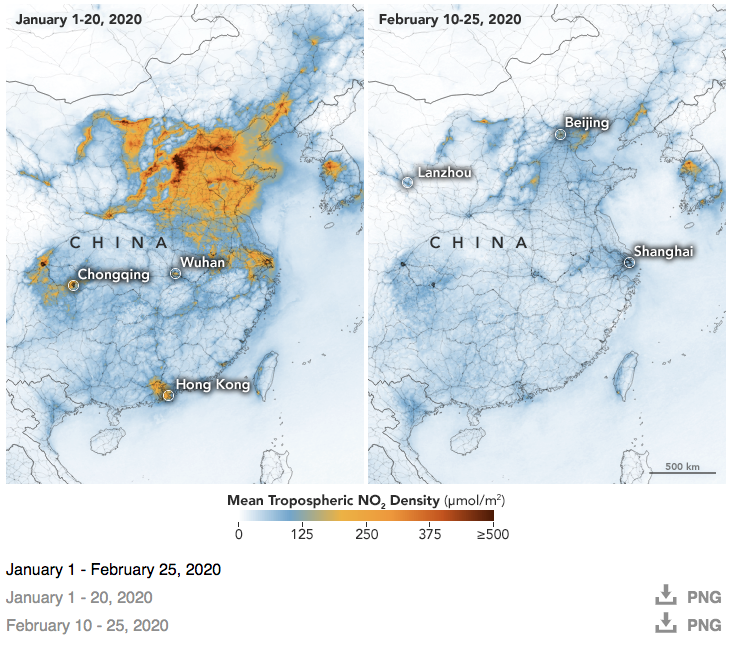
The environmental benefits of the coronavirus pandemic are only temporary, warns the head of the UN Environment Programme.

A clean work space, plants, and putting on the right pants all make working from home easier, according to science.
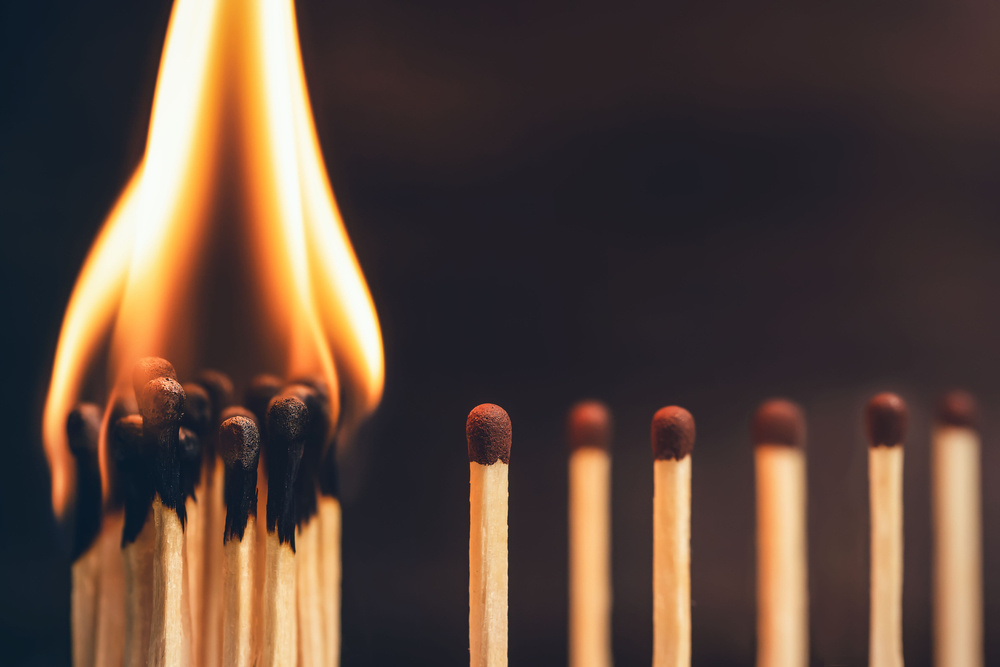
Understanding the math behind social distancing.

Americans consume the most toilet paper in the world but it’s a very wasteful product to manufacture, according to the numbers.
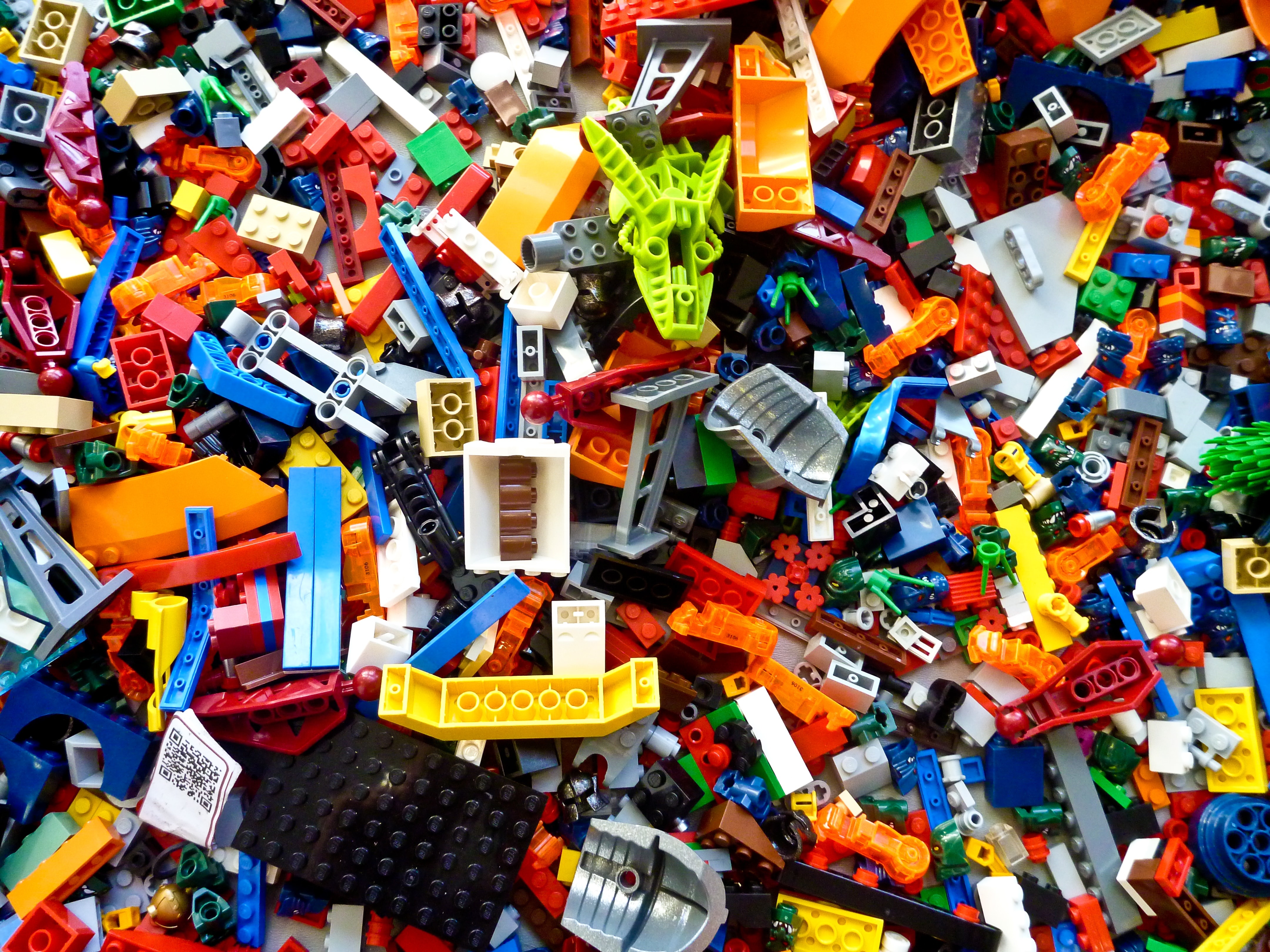
A new study says that it could be centuries before millions of the classic toys submerged in the Earth’s seas disintegrate.
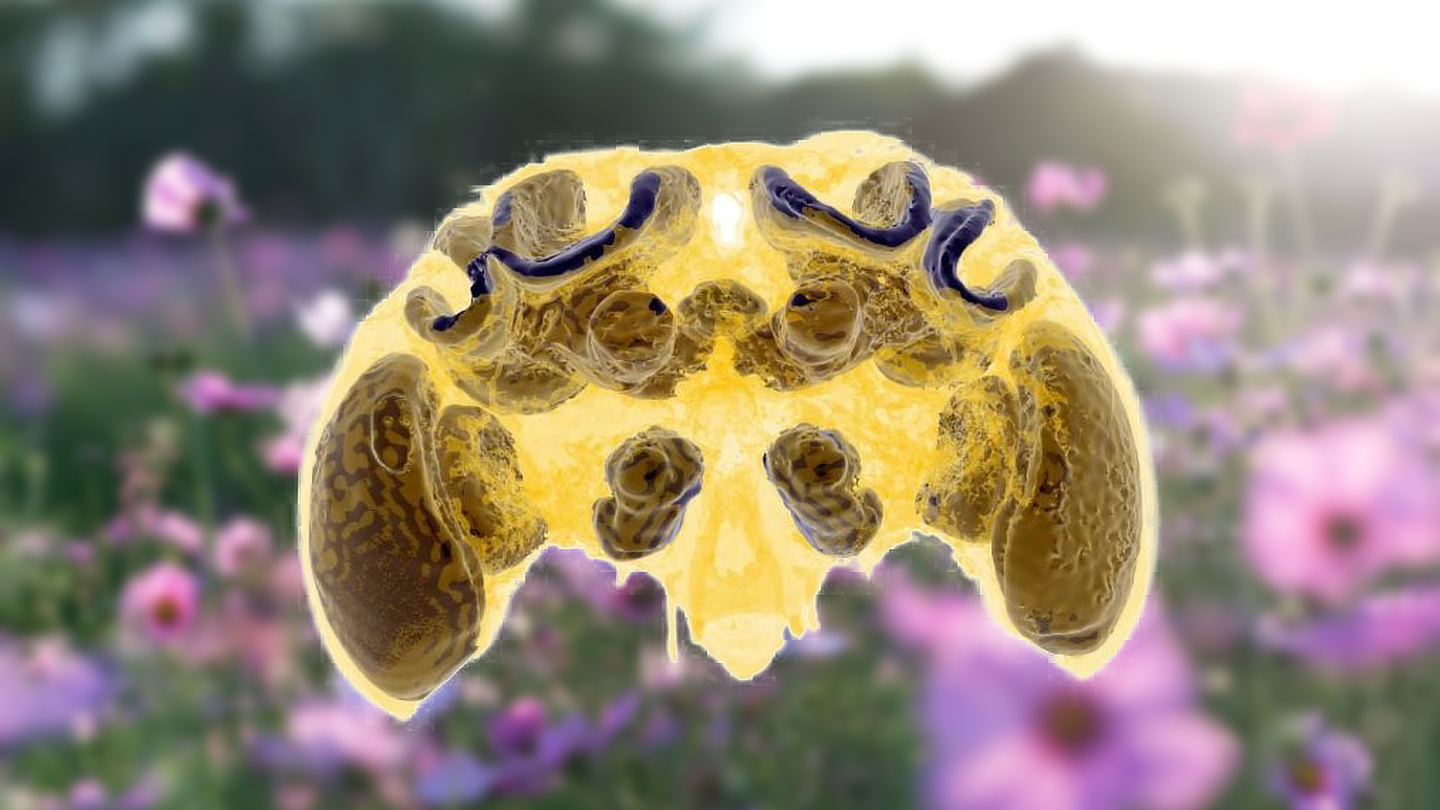
Study finds that a colony’s exposure to pesticides impairs offspring.