particle physics
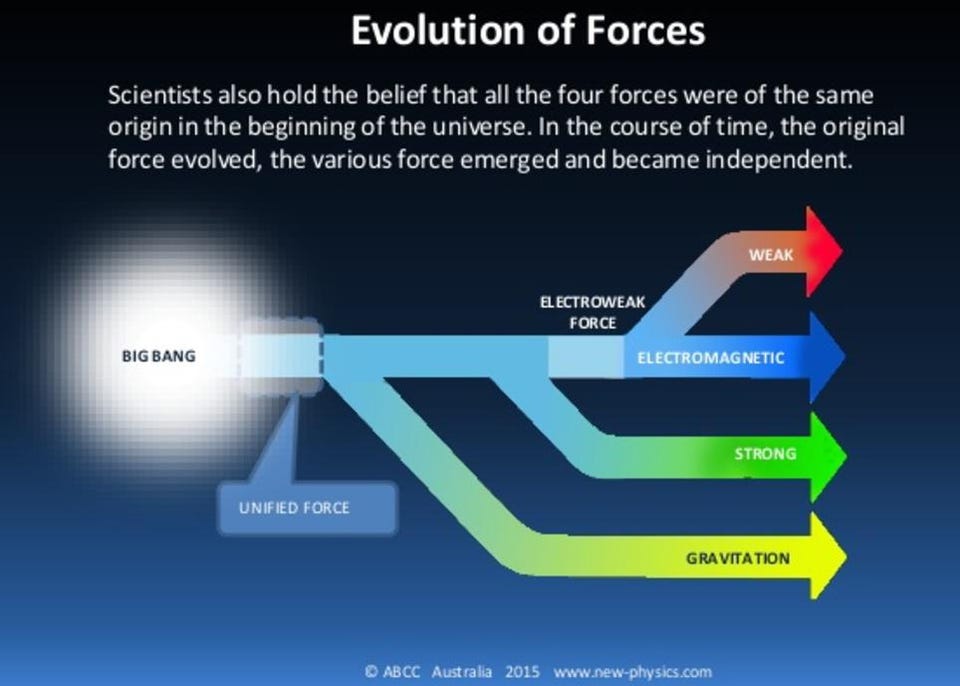
If the electromagnetic and weak forces unify to make the electroweak force, maybe, at even higher energies, something even greater happens?
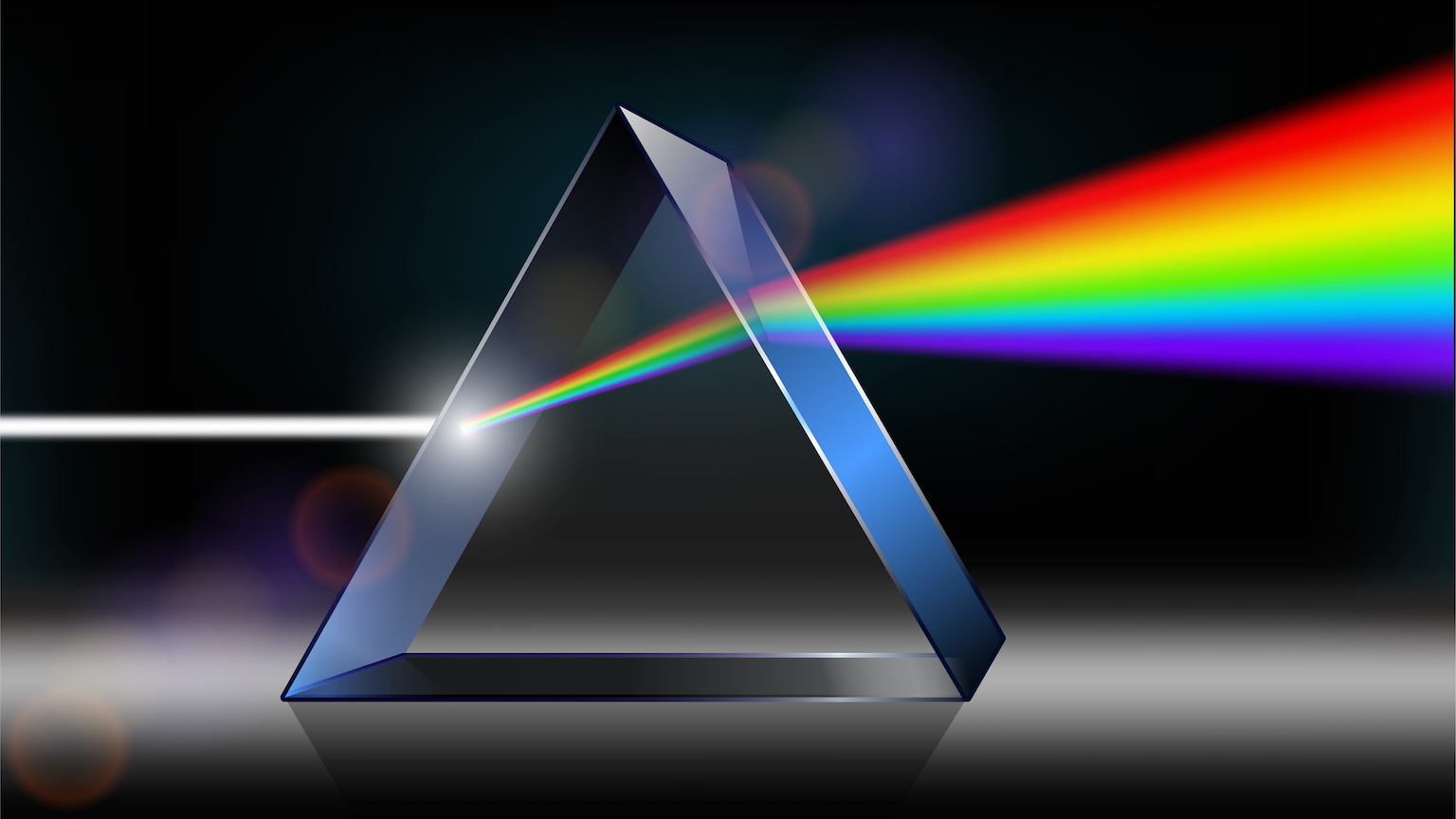
The ten greatest ideas in science form the bedrock of modern biology, chemistry, and physics. Everyone should be familiar with them.
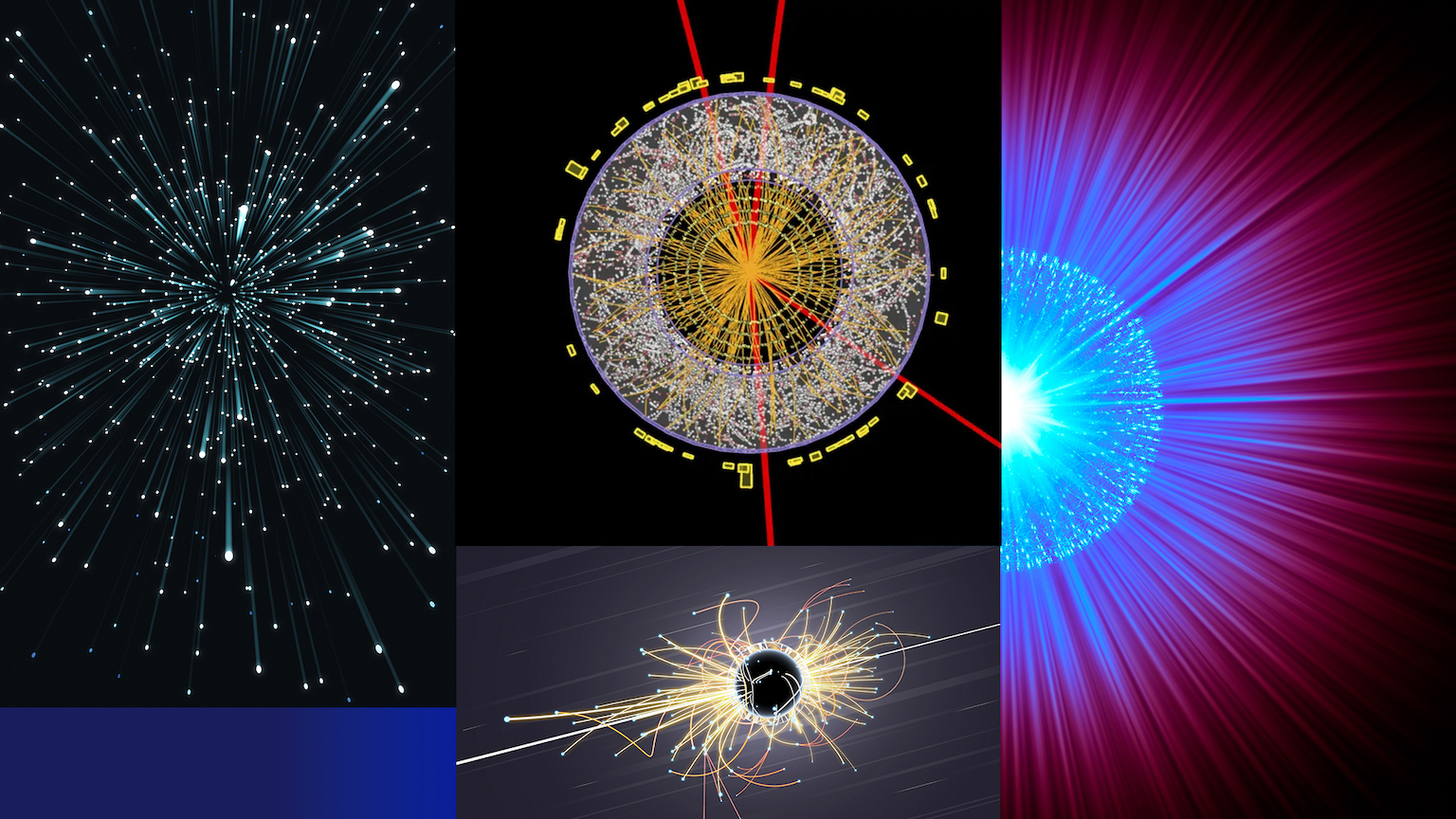
The Universe has asymmetries, but that’s a good thing. Imperfections are essential for the existence of stars and even life itself.
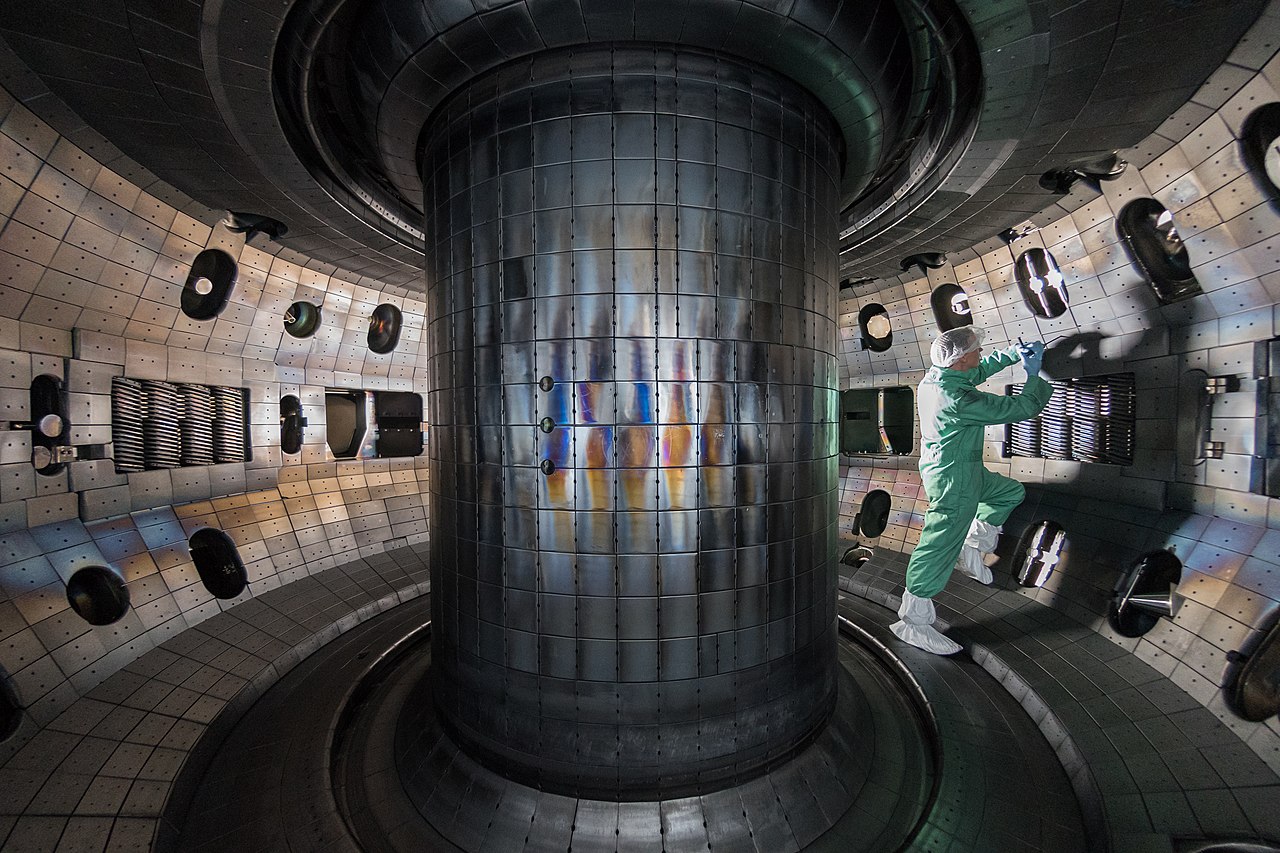
Why power generated through nuclear fusion will be the future, but not the present, solution to humanity’s energy needs.
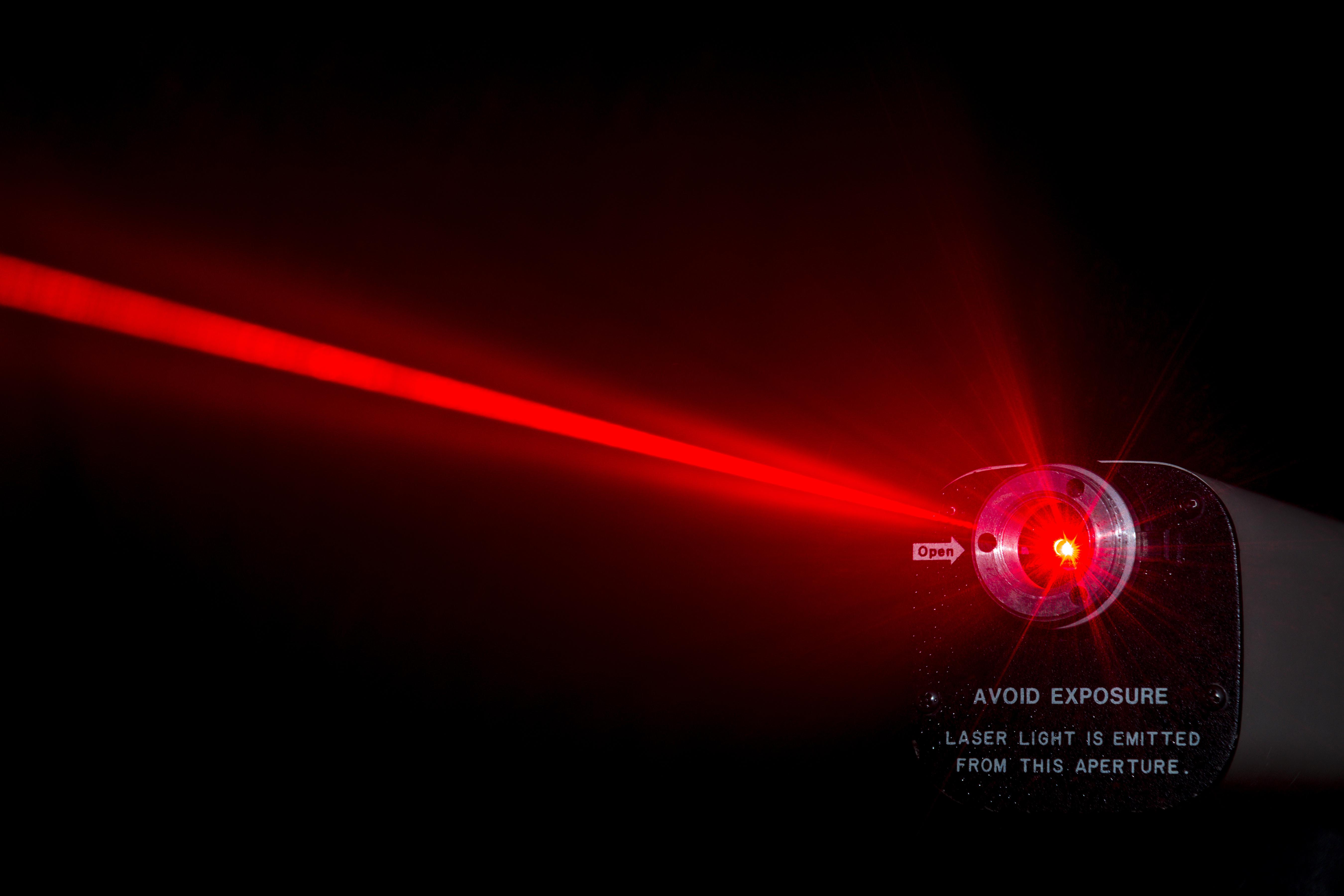
Some U.S. intelligence operatives have suggested foreign adversaries may be using “directed-energy” weapons against Americans.

At a fundamental level, nobody knows whether gravity is truly quantum in nature. A novel experiment strongly hints that it is.
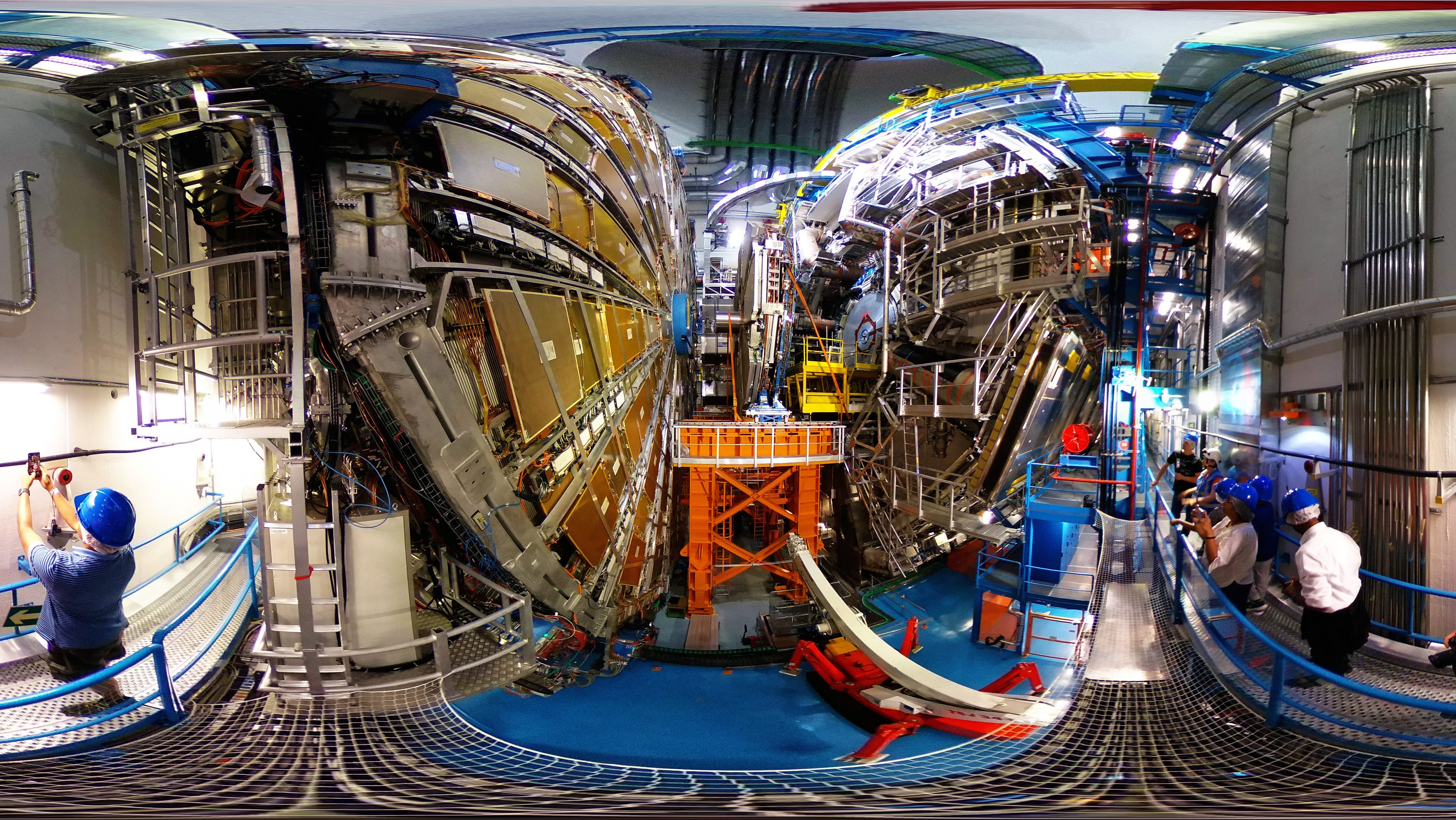
New technology is helping physicists move forward in the search for the Theory of Everything.
In movies and TV shows, aliens look like pointy-eared humans. Is this realistic? If evolution is predictable, then it very well might be.
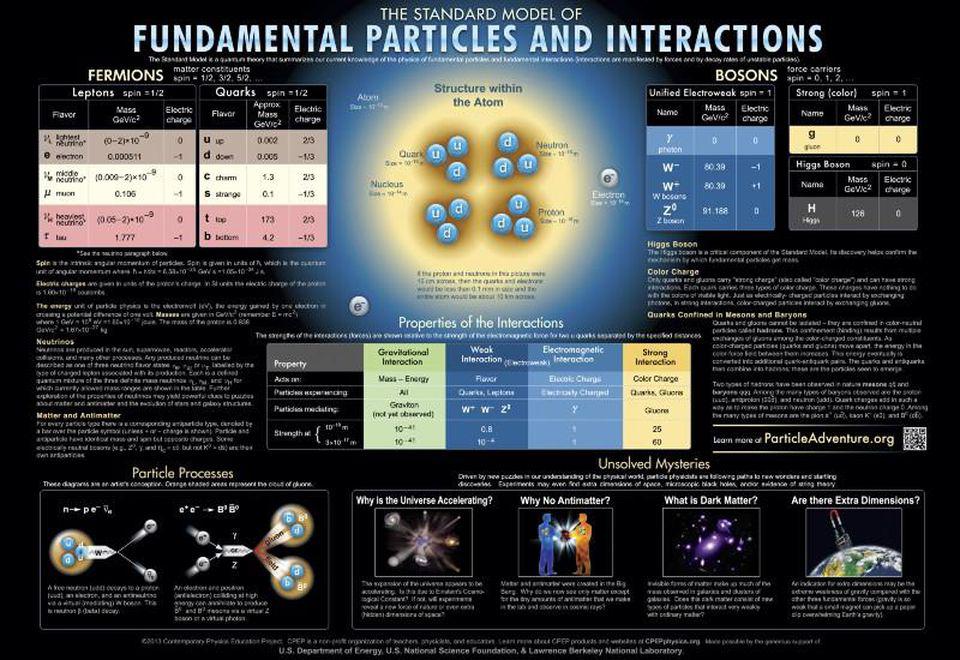
Particle physics needs a new collider to supersede the Large Hadron Collider. Muons, not electrons or protons, might hold the key.

Even without the greatest individual scientist of all, every one of his great scientific advances would still have occurred. Eventually.
No matter how hard we try, we will never reach a final theory that unifies scientific knowledge. The very nature of science doesn’t allow it.

No matter how controversial or politicized our world becomes, science remains humanity’s best tool for figuring out how things work.
Quantum mechanics + consciousness: There is nothing better than mixing two great mysteries to produce an even bigger one.
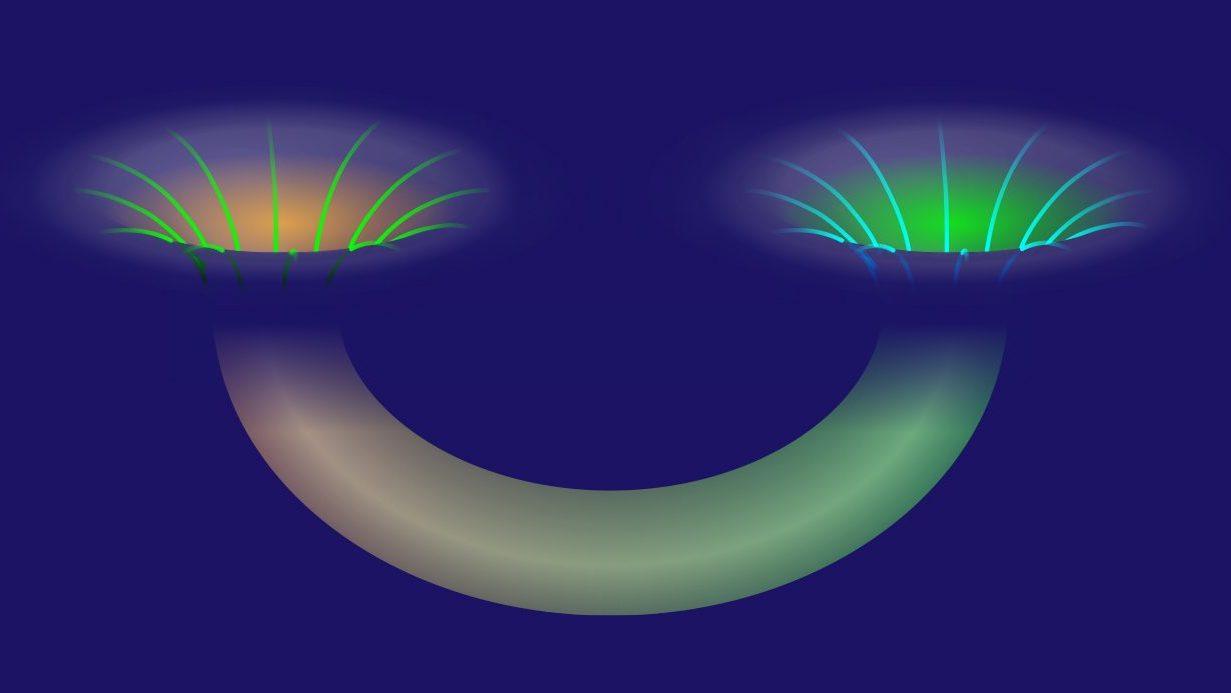
Many still cling to the idea that we live in a deterministic Universe, despite the nature of quantum physics. Now, the “least spooky” interpretation no longer works.
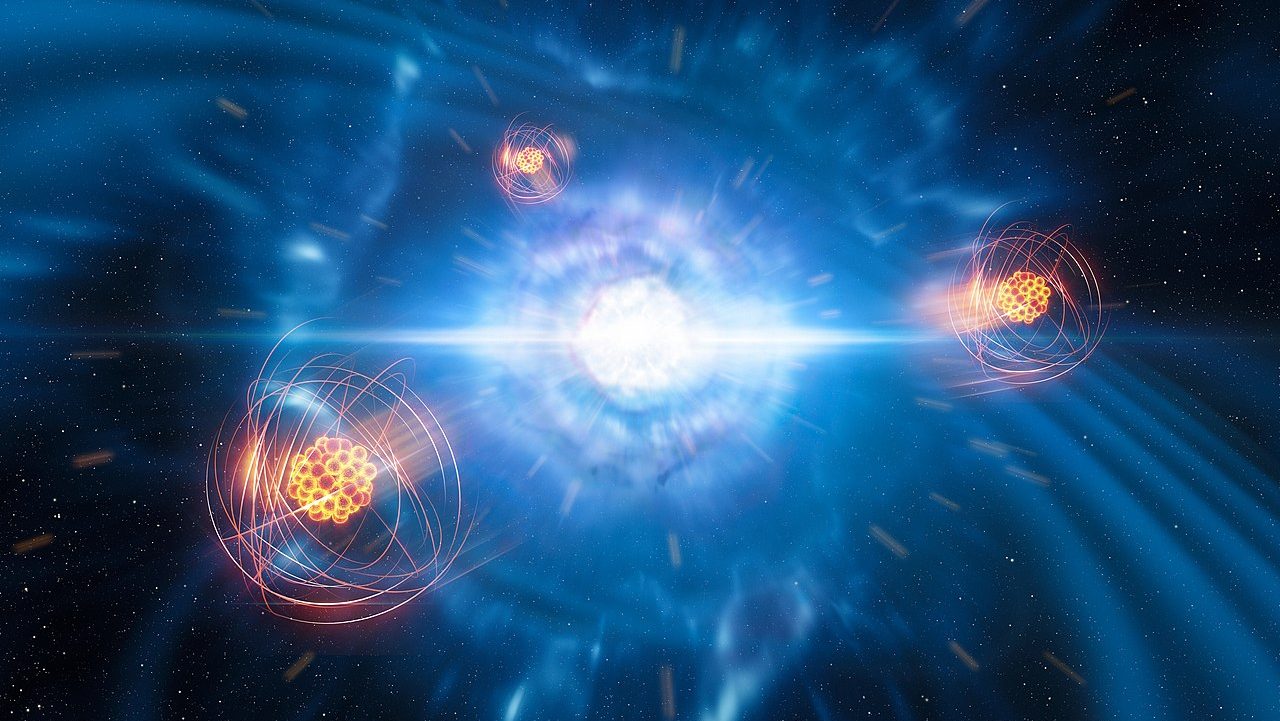
There are over 100 known elements in the periodic table. These 8 ways of making them account for every one.
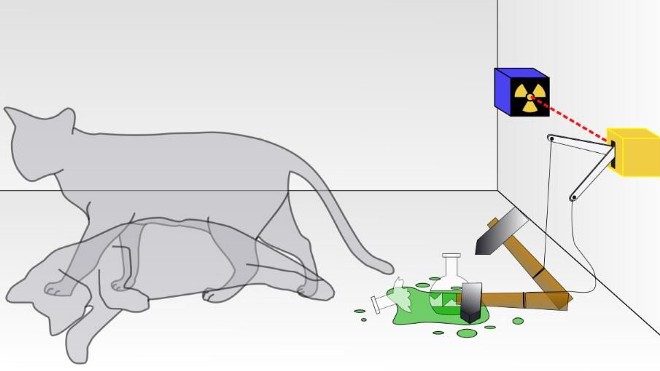
Quantum physics isn’t quite magic, but it requires an entirely novel set of rules to make sense of the quantum universe.
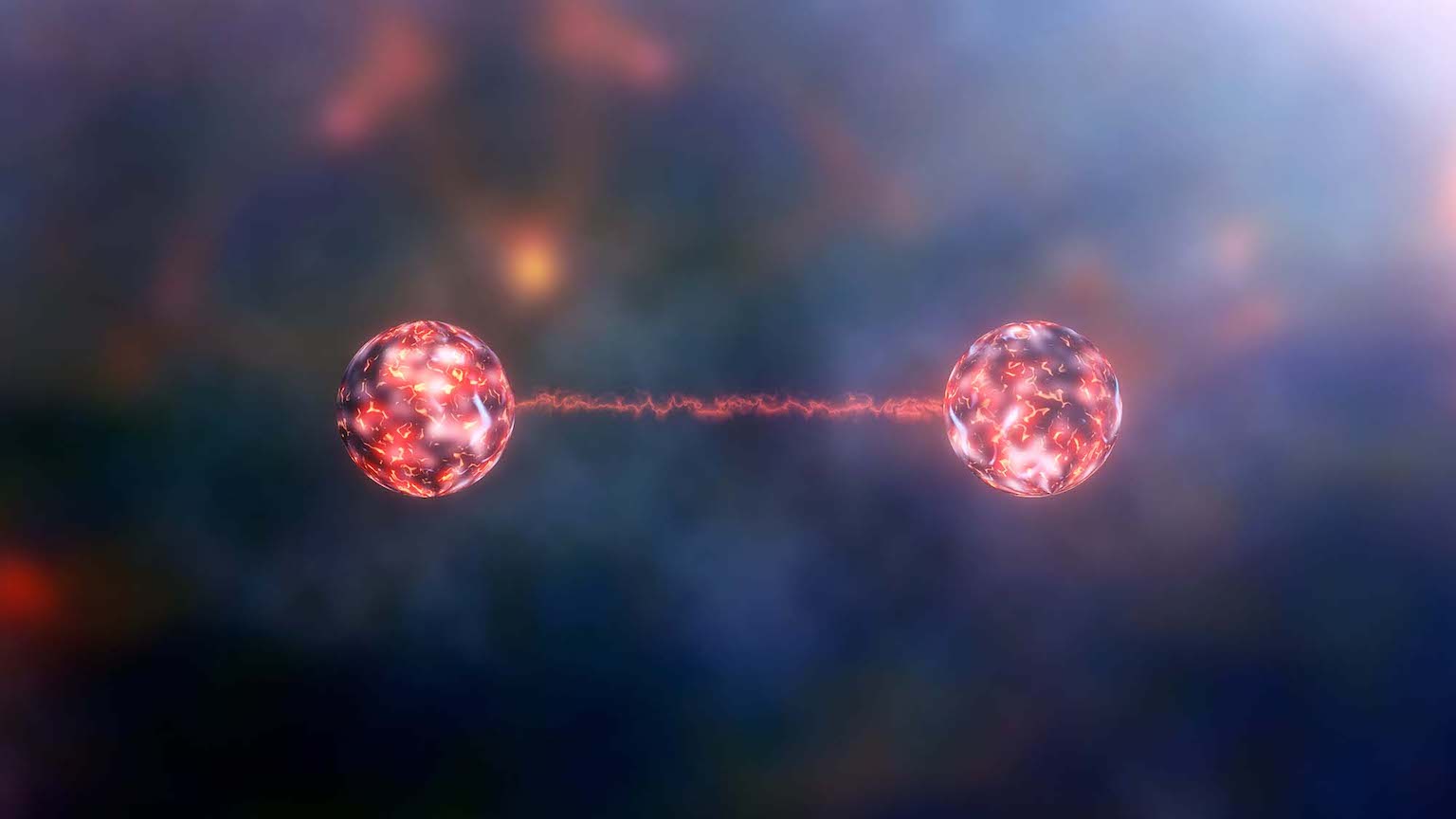
Einstein hated “spooky action at a distance,” but much to his chagrin, quantum mechanics remains as spooky as ever.
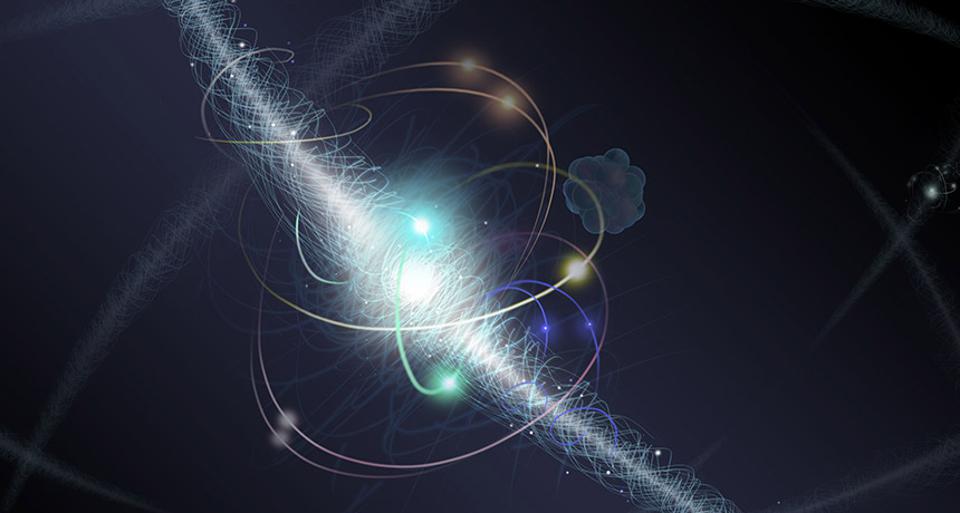
Chemical energy, where electrons transition in atoms, powers the reactions we see. But two other types hold more promise than all the rest.
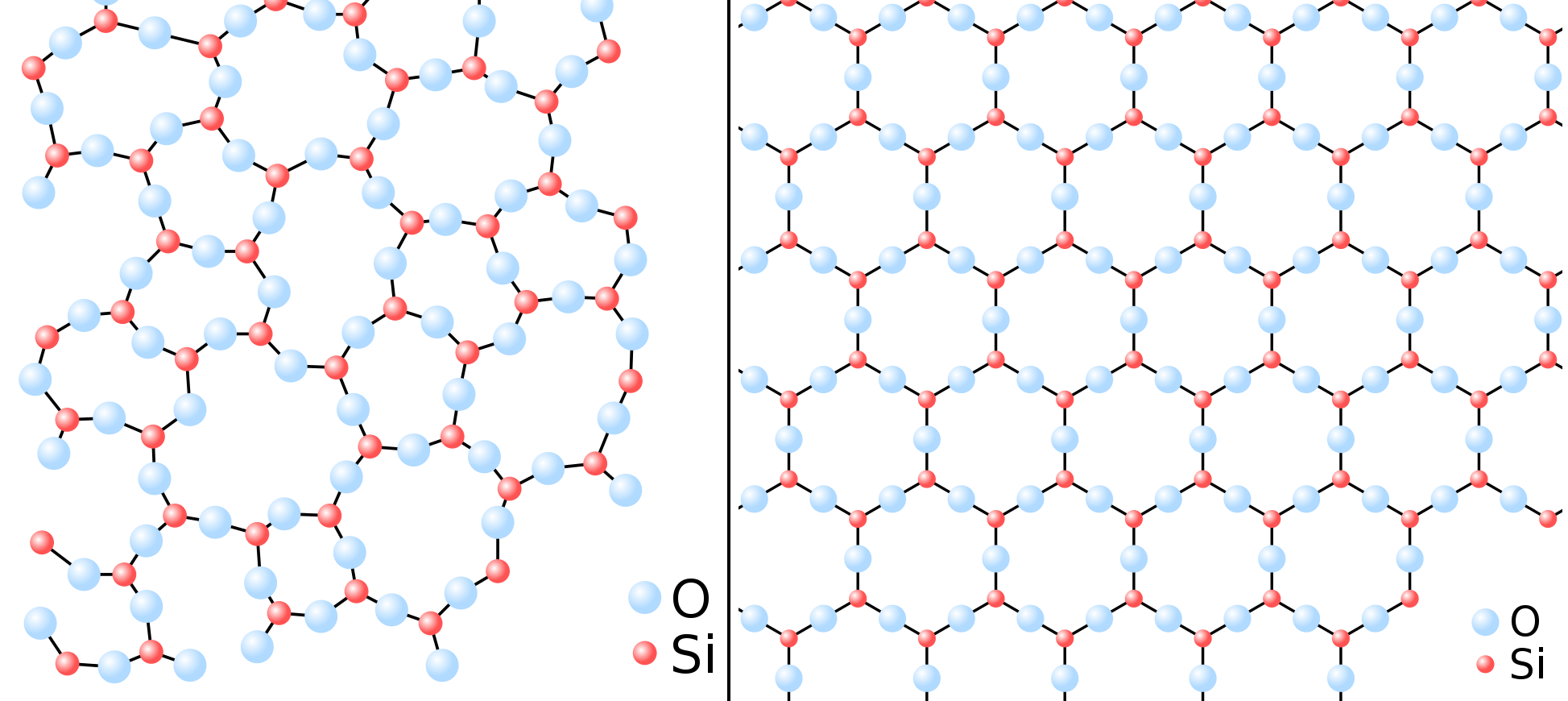
It’s not for climate science and condensed matter physics. It’s for advancing our understanding beyond spherical cows.

The cause of the recent uptick in radiation is unknown, but speculation about another catastrophe at Chernobyl is hyperbolic.
Is the time crystal really an otherworldly revolution, leveraging quantum computing that will change physics forever?
An exclusive interview with physicist Lee Smolin reveals how abandoning Einstein’s dream may have been a terrible mistake.

This everyday electrical phenomenon had no widely accepted scientific explanation — perhaps, until now.

A theoretical physicist returns to Penrose and Hameroff’s theory of “quantum consciousness.”

If the laws of physics are symmetrical as we think they are, then the Big Bang should have created matter and antimatter in the same amount.
Is the physical universe independent from us, or is it created by our minds, as suggested by scientist Robert Lanza?

A thought experiment from 1867 leads scientists to design a groundbreaking information engine.
New studies stretch the boundaries of physics, achieving quantum entanglement in larger systems.
We’re cautiously optimistic about our new findings.