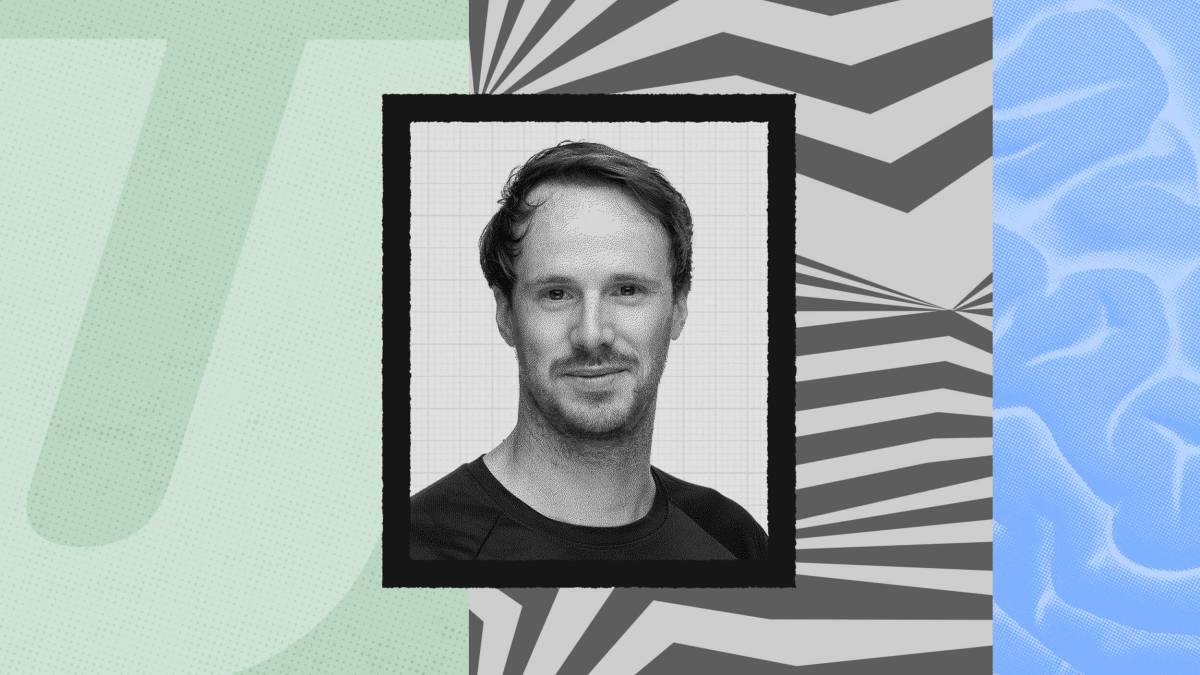

Even by the standard entrepreneurial measures of difficulty — bottom line: succeeding at business is crushingly hard — Alex Partridge has overcome more than most. A born self-starter who hustled his way through childhood on the back of car washes and yard sales (his dad was an antique dealer with excess inventory), he kept pushing for the golden breakthrough that would unleash his inner CEO. He tried his hand at board game design, to no avail. At college, he purchased a large refrigerator and attempted to mastermind a pizza delivery operation. It failed.
But success was waiting in the wings. At age 21, Partridge founded LADbible and what would become an online media mini-empire based on “lad culture,” UNILAD: a lucrative sweet spot of social media content and advertising. His road to success and eventual riches, however, was paved with controversy, trauma, and extreme mental stress.
UNILAD, which had become unregulated and appeared to actively champion “vile” male toxicity, had to be taken offline and editorially overhauled. Partridge then ended up in a protracted legal battle with the partners he had brought in (circa 2013) to grow the business. Self-medicating his anxieties with vodka, he fell into a downward spiral of police caution, hospitalization, and despair. It “almost killed me,” he now admits.
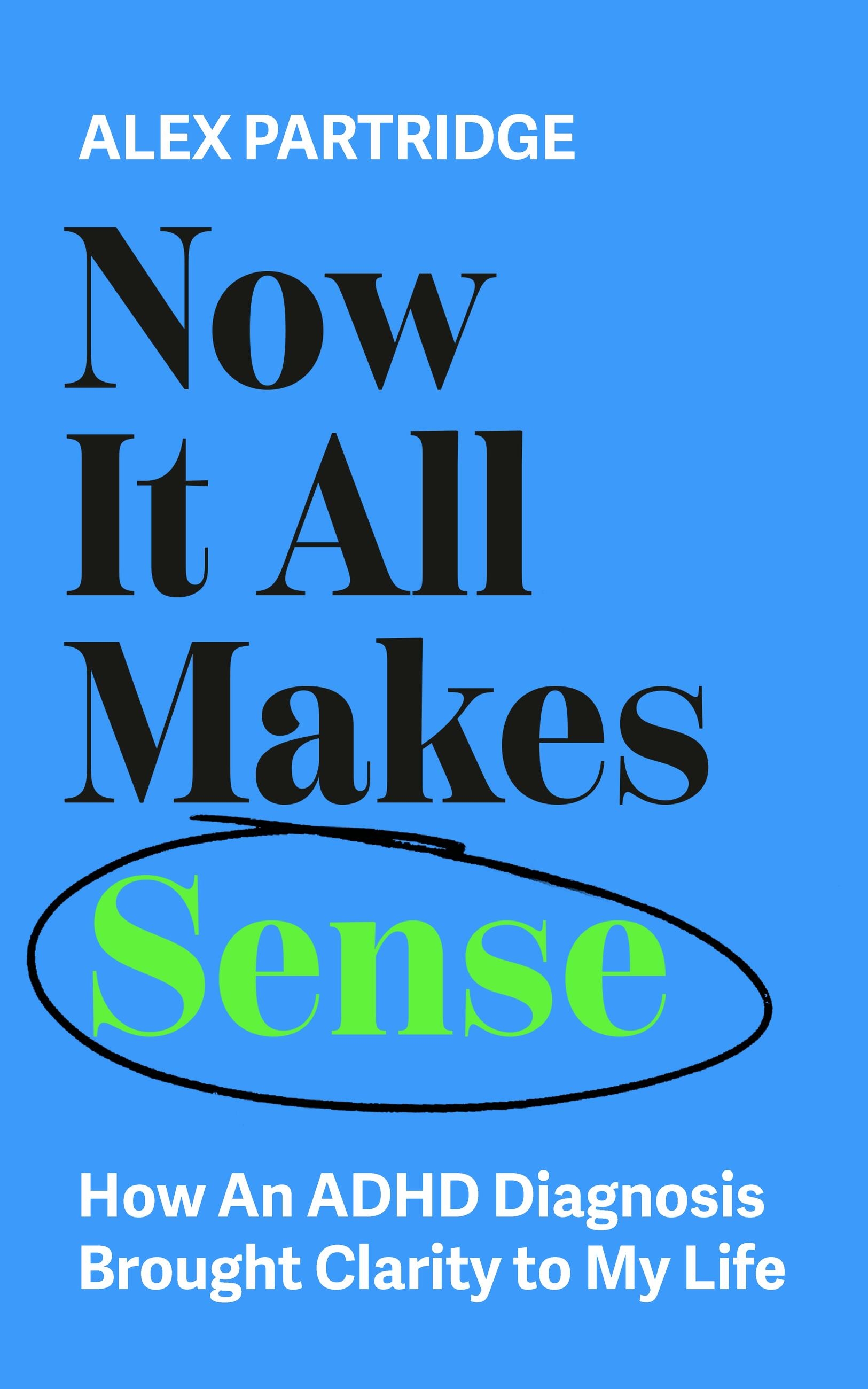
Partridge won his court victory along with a substantial settlement (at 29 years old, he was more than wealthy enough to retire), but the scars remained. Then, early in 2023, he was diagnosed with ADHD (attention deficit hyperactivity disorder), and much of his life until that point was pulled into sharp focus. He wrote a book, Now It All Makes Sense, and currently hosts the ADHD Chatter podcast.
Here, Partridge explores leadership, learning from failure, AI, the future of social media, and more.
Big Think: You launched your first business at six years old. Was your entrepreneurial streak more nature or nurture?
Partridge: A bit of both. Being an entrepreneur runs in the family: My dad was an entrepreneur and so were my grandparents. I was also lucky enough to have supportive parents who allowed me the space and time to experiment with starting businesses.
Big Think: Only recently, at 34, you were diagnosed with ADHD. When you reappraised your career with this new perspective, what surprised you the most?
Partridge: One of the most surprising things was the insight it gave me into why 90% of my businesses failed. I think of businesses in terms of metaphorical bricks, and each brick stacks upon the other to create a business.
The businesses that succeeded (UNILAD, LADbible, the ADHD Chatter podcast) did so because it’s easy to identify the bricks within the business. Each social media post or podcast episode is a brick that stacks on top of the others.
I had many businesses that failed because I went too fast and did too much at once, and I essentially got burned out and abandoned them. The biggest shock to me was seeing how such a tiny change in process and understanding can be the difference between abandoning the business and succeeding.
Big Think: What do leaders get badly wrong about neurodivergence in the workplace?
Partridge: Many leaders think that a blanket accommodations policy will be beneficial to everyone. You often see companies say that they will integrate movement breaks, adopt flexible working, and normalize fidget toys and noise-cancelling headphones.
These are great, but leaders need to recognize that everyone has a brain as unique as their fingerprint, and everyone’s needs will be different. It’s more important to foster an environment of psychological safety, which enables people to feel comfortable asking for their own specific needs.
Big Think: Have you redefined your definition of “great leadership” post-diagnosis?
Partridge: I used to think that being a leader was about being resilient and not showing any weakness, but I now think that’s detrimental to your team members. What makes a great leader is showing vulnerability and not just talking about the positives, but also some of the failures and what you can learn from them.
Leaders need to recognize that everyone has a brain as unique as their fingerprint, and everyone’s needs will be different.
If you are in a culture where you are purely celebrating wins, then you’re not creating an environment where other people feel safe to talk about their mistakes or ask for help if they need it. It’s important to set the tone from above that it’s okay to be vulnerable and speak out. It’s vital to create an environment where the positives and negatives are discussed and vulnerability is encouraged.
Big Think: Your instincts for a successful media company were sharp when you founded UNILAD and LADbible and surfed the social media explosion, but the media landscape is fluid. What does tomorrow’s media company look like?
Partridge: What made a good media company when I founded UNILAD and LADbible is the same as what makes a good media company now, and the same as it will be in ten years.
It’s crucial to understand that humans thrive through storytelling rather than data. The landscape and algorithms may change, but the driving force behind it all (humans) is what remains constant. And what drives human interaction is emotive storytelling.
Many people are using AI to automate their emails and social media content, which I think is a terrible idea.
It’s also important to understand what drives someone to share something on social media, and that often involves the three Es: Is it emotional, educational, or entertaining?
Big Think: The trauma of the legal battle over UNILAD sounds horrendous. What positives have you taken from that experience?
Partridge: The main positive I took from it was to trust my intuition above all else. I didn’t trust my intuition when I was presented with a document which I signed, which ended up being a complete disaster. It resulted in a five-year legal battle over ownership, which almost killed me through my drinking.
Big Think: AI is rapidly reshaping what it means to be creative. Do you think the neurodivergent mind is well equipped to thrive during the AI revolution?
Partridge: Neurodivergent people are often great at spotting when AI is being used by businesses to cut corners. Many people are using AI to automate their emails and social media content, which I think is a terrible idea. They might think they are saving time and resources, but they are revealing that they are cutting corners. When I spot this, it always makes me wonder where else they might be doing this.
I receive many emails every day, and I generally ignore any written by AI. It’s very clear to me, and probably many other people with neurodiversity, when content is not authentic from a human being. I think the ability to spot laziness is a great strength.
Big Think: Bill Gates believes he had undiagnosed ADHD as a child and struggled within conventional education structures. What would you say to startup founders with ADHD that could help them?
Partridge: Take advantage of your “metaphorical ideas shelf.” Set a pause between the initial idea and the first step towards it, and don’t always let impulsivity win. You could put a five-minute rule in place or sleep on it.
You can always revisit an idea later, but with a better understanding of whether that good idea is connected to the core principles of your business or you as a person. You will then be better placed to stick with it and find success.