It has perhaps never been easier to feel as if you’ve fallen behind in life. From the anxieties of comparing yourself to others online to our fetishization of success, it […]
You can’t predict success. But according to minds like Neil deGrasse Tyson, Michio Kaku & more, you can hot wire it.
Tyson dives into the search for alien life, dark matter, and the physics of football.
Belief systems aren't necessarily dangerous until they're spread by someone with influence.
The race to be first in science journalism is hurting science.
If you understand when and how to ask questions, you possess an effective inoculation against charlatans.
Scientists are expert observers. Because of this, they can help us develop a keener view of the world — the cosmos.

Neil deGrasse Tyson wants to believe. He just needs to see the evidence first.

Can understanding science make pop culture better, and can understanding pop culture make science more interesting? Absolutely.

There's something all of us—physicists included—are getting wrong about dark matter, says Neil deGrasse Tyson.
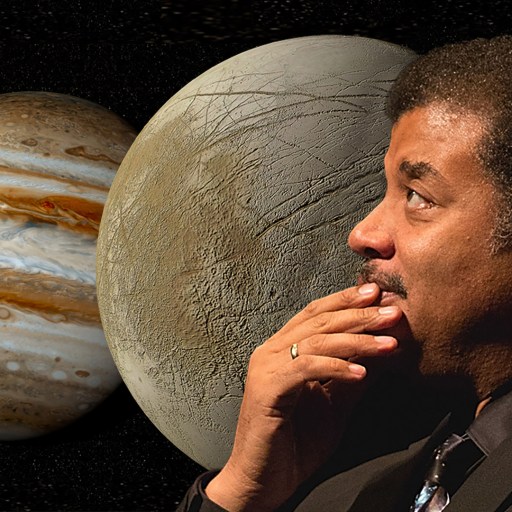
Everyone loves Europa, says Neil deGrasse Tyson. Why? It's a strong bet for finding life in our solar system, and it's even more amazing because it breaks all the rules.
From Abraham Lincoln's founding of the National Academy of Sciences in 1863, to the US currently leading the world in the Nobel Prize count (a third of which we owe to immigrants), America was built on science. What happens when we doubt and defund it?

According to Neil deGrasse Tyson, three fears account for "the most expensive, ambitious projects humans have ever undertaken."
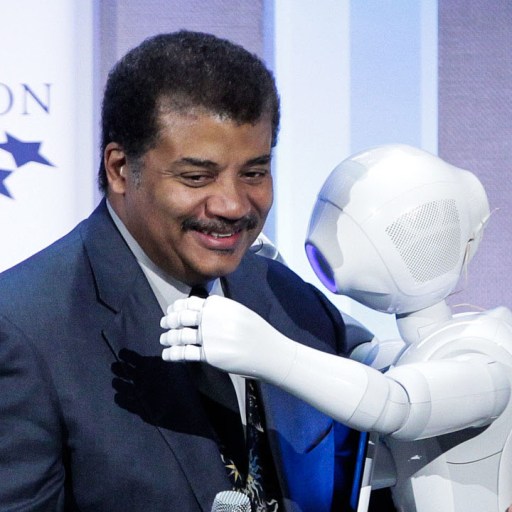
Neil DeGrasse Tyson lists the three drivers to accomplish extraordinary things.
I assert that if you were depressed after learning and being exposed to the cosmic perspective, you started your day with an unjustifiably large ego.
We spend the first year teaching children to walk and talk and the rest of their lives telling them to shut up and sit down.
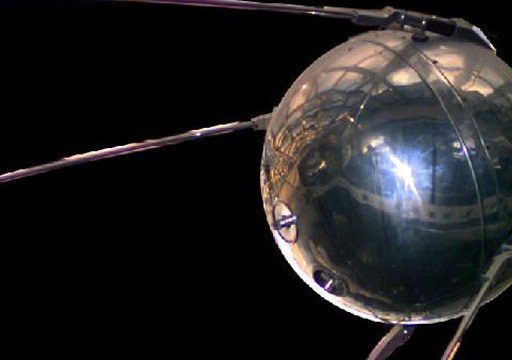
How might we apply the notion of a "Sputnik moment" to our own lives, as we look for those occasions that compel us to invent for tomorrow?
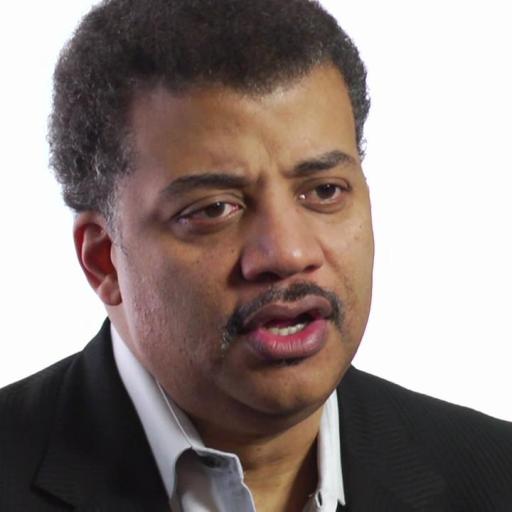
In Space Chronicles, Neil deGrasse Tyson describes how the Soviet Union was a catalyst for the U.S. space program, and China might be considered a similar catalyst today.
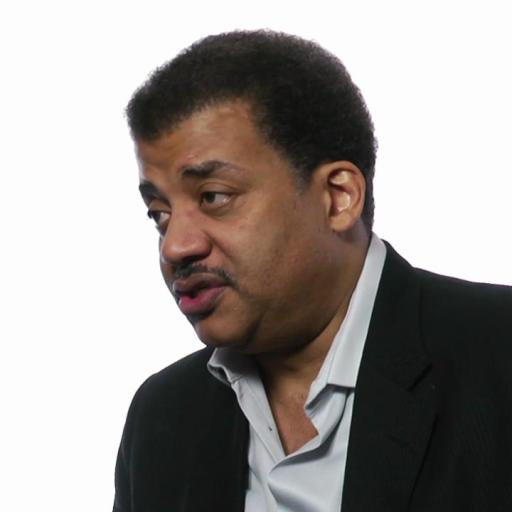
Neil deGrasse Tyson: I’m almost embarrassed for my species that you can be so blind to everything experts have been telling you and you got to wait for people to […]

Meeting big, audacious, ambitious goals requires taking multiple steps in reasoning, not just thinking from point A to point B.