Search
Psychology
12mins
Members
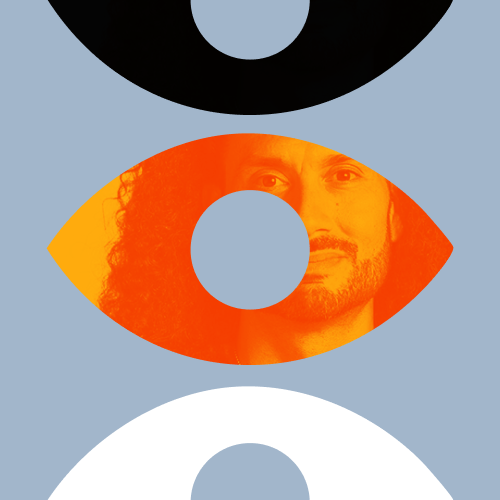
The hospital where Rainn Wilson’s wife and son nearly died became his own personal holy site. There, he discovered that the sacred can exist in places we least expect it.
During his talk at A Night of Awe and Wonder, he explained how the awe we feel in moments of courage and love is moral beauty — and following it might be the start of our spiritual revolution.

2mins
“In most instances, ‘good enough’ is good enough.” A time management expert, a cognitive scientist, and a psychologist share their takes on productivity, perfectionism, and the harm of hustle culture.
Unlikely Collaborators
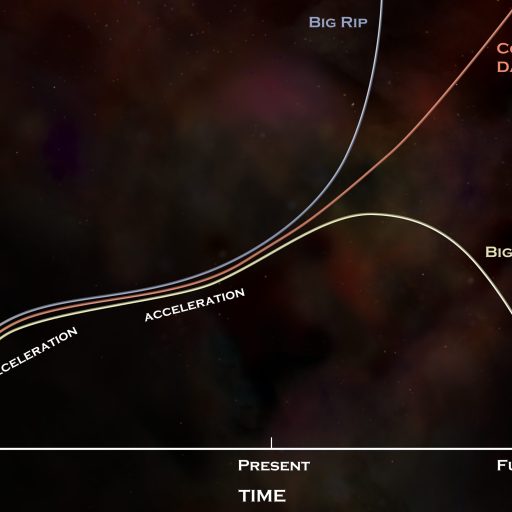
There's some, but not overwhelming, evidence that dark energy is evolving. What would it take for a "Big Crunch" to be our cosmic fate?
9mins
“There would be something very, very empty and meaningless about [a] sort of life with no problems.”
Introverts have social batteries that will drain over time, but they can be recharged with good energy hygiene. Here’s how.

It's not just about the home; it's about everything.

In this excerpt from "One Hand Clapping," Nikolay Kukushkin makes the case that neurons reveal how memory, meaning, and even consciousness emerge from the same biological roots in humans, sea slugs, and beyond.

When making any tough decision, the key is not to be overly exploratory or exploitative.
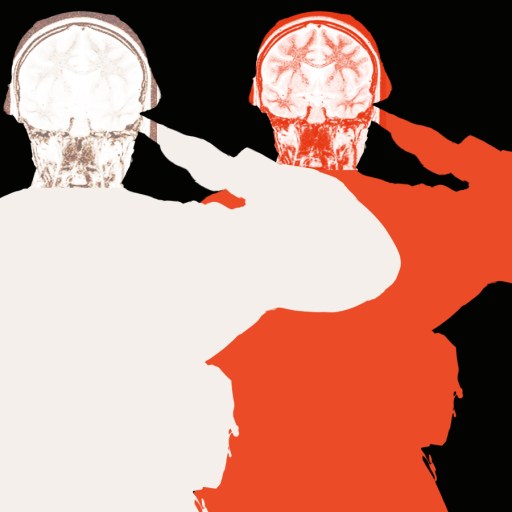
In “Warhead,” neuroscientist and national security adviser Nicholas Wright explains how the brain navigates warfare and why it is our ultimate weapon (and instrument for peace).

9mins
“The universe clicks along in perfect accord with the laws of physics forever.”

6mins
Daily habits can help you thrive or quietly turn into addictions. The difference is how your brain handles cues, routines, and rewards. Three experts explain how to work with your wiring instead of against it.
Unlikely Collaborators

2mins
Is gratitude to a deity different from gratitude to other people? Psychology and neuroscience professor Sarah Schnitker explains.

20mins
“It's certainly clear that the issues of boys and men haven't gone away in the last few years. If anything, they're getting even more attention, which is good when it's the right kind of attention.”
Welcome to The Nightcrawler — a weekly newsletter from Eric Markowitz covering tech, innovation, and long-term thinking.
You may actually be on the same wavelength.

Life's "in-between" stages pack unique cognitive benefits — if you know how to tap into them.
Members
Join former CIA officer Andrew Bustamante to discover how espionage strategies and psychological insights can enhance your business and leadership skills, helping you motivate teams, safeguard secrets, and unlock your inner secret agent.
Members
This class, featuring insights from experts like Steven Pinker and Gary Marcus, equips learners with critical thinking tools to navigate biases, understand scientific research, and make informed decisions in a media-saturated world, emphasizing the importance of questioning assumptions and grounding perceptions in data.
9mins
“The sexual excitation system is the accelerator or the gas pedal, and it notices all the sex-related information in the environment.”
2mins
A physician, a psychologist, and a mindfulness teacher explain what stress does to your body and mind, and how to use it to get smarter and stronger.
Unlikely Collaborators

Despite the claims of speed reading apps and programs, you actually have to read the book if you want to learn.

2mins
Modern culture has made us feel like there’s no time to be patient. Sarah Schnitker’s lab at Baylor University is researching how this often-forgotten virtue could improve our overall well-being.
1hr 2mins
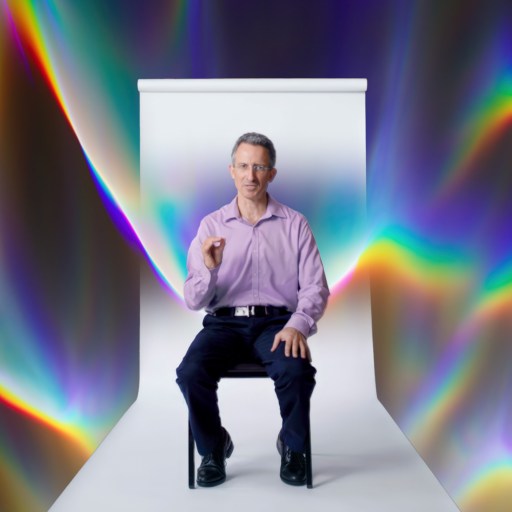
“There's research showing that people who are curious, who ask questions, are not just happier, they're not just more successful, they also live longer.”
3mins
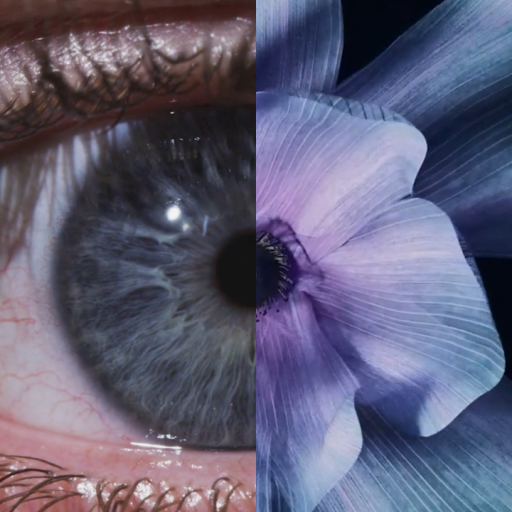
Biologist Tyler Volk PhD, psychiatrist Bruce Greyson MD, and palliative care physician BJ Miller MD, reveal how confronting mortality can improve the way we live.
Unlikely Collaborators

1hr 37mins
“A lot of the trends in the economy, in family life have just been much harder for working class men.”
7mins
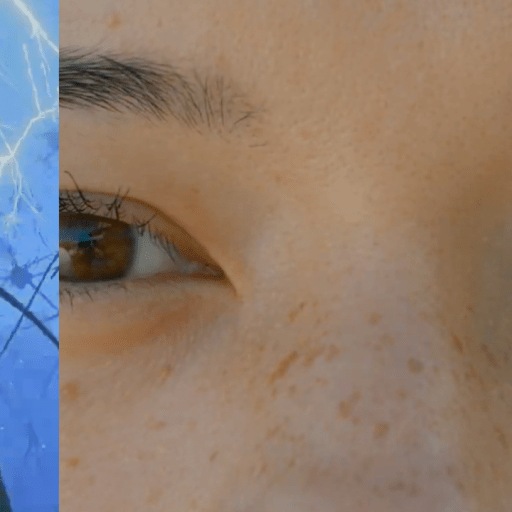
A neuroscientist, a psychologist, and a psychotherapist discuss how emotions are stories built from old experiences.
Unlikely Collaborators

2mins
Happiness researchers Robert Waldinger MD, Tal Ben-Shahar PhD, and Peter Baumann explain why the happiest people aren’t happy all the time.
Unlikely Collaborators
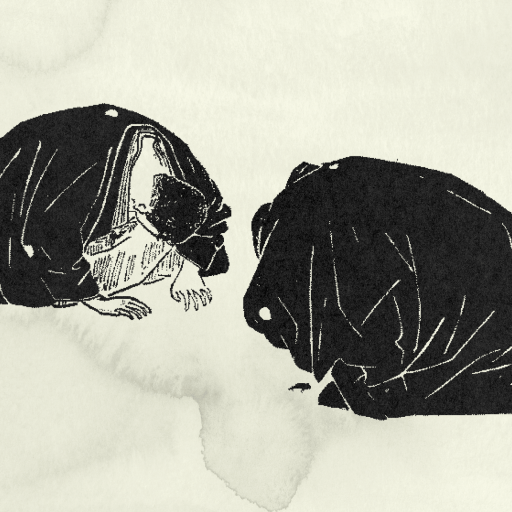
You are held, shaped, and sustained by a thousand invisible hands.

6mins
Virtue is hard to attain, and that’s the point. Sarah Schnitker explains why self-help shortcuts miss the mark.
1hr 26mins
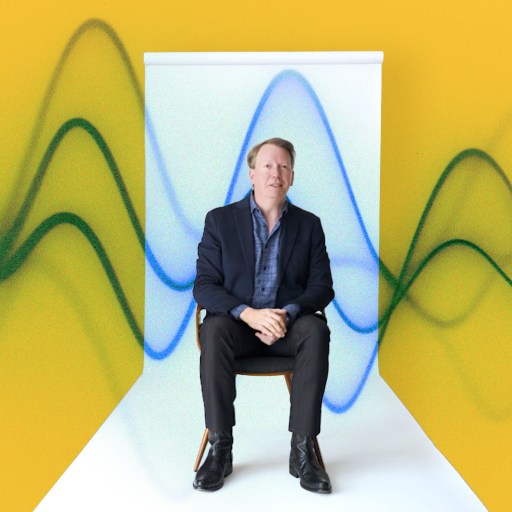
“I like to say that physics is hard because physics is easy, by which I mean we actually think about physics as students.”