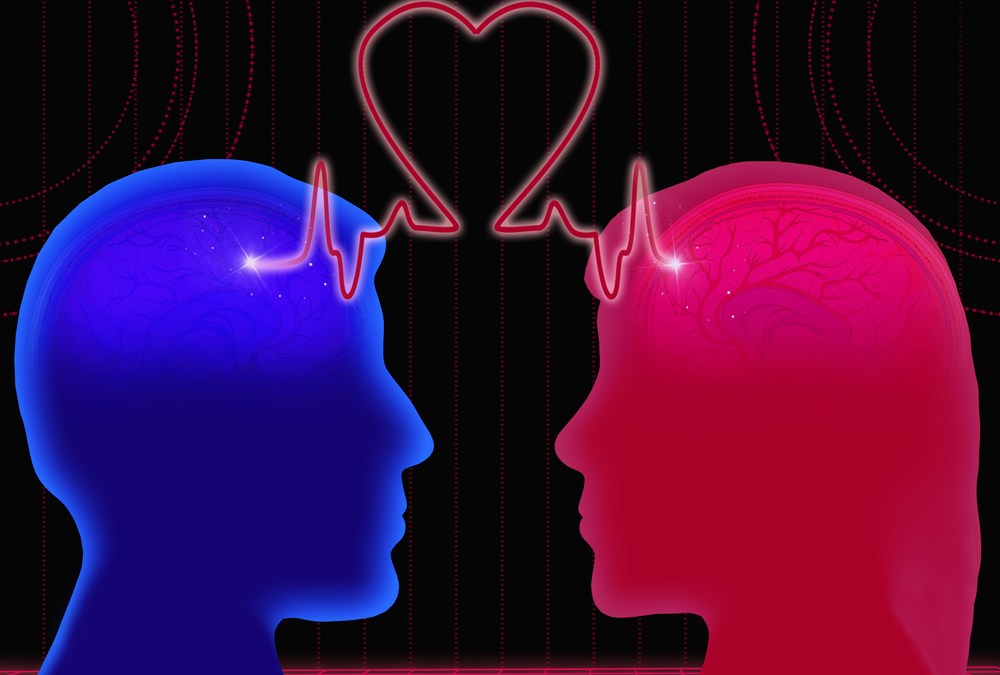
The neuroimaging studies of love just have the participants look at a photo of their beloved. And anybody who’s in a relationship does a lot more than looking, and in fact, you may not always feel so sweet about your partner, even though you may be very much in love with them.
So, what does looking at a picture tell you? It doesn’t tell you much necessarily about the state of your relationship, although there was one journalist who did one of the studies and then wrote the headline, “FMRI proves I’m in love with my wife.” That’s not exactly it. It shows that when you have passionate love, there are certain areas of the brain that are correlated to that; it has a neural signature. Is it going to tell you how much in love you are? Probably not.
I don’t know that the MRI can answer the question whether certain people can love more than others. Certain people may be able to summon, for whatever reason, enough feelings to get all that blood rushing in the brain, but does that mean that they love more, that they give more in relationships, that they’re a better partner? We can’t make that leap.
In Their Own Words is recorded in Big Think’s studio.
Image courtesy of Shutterstock