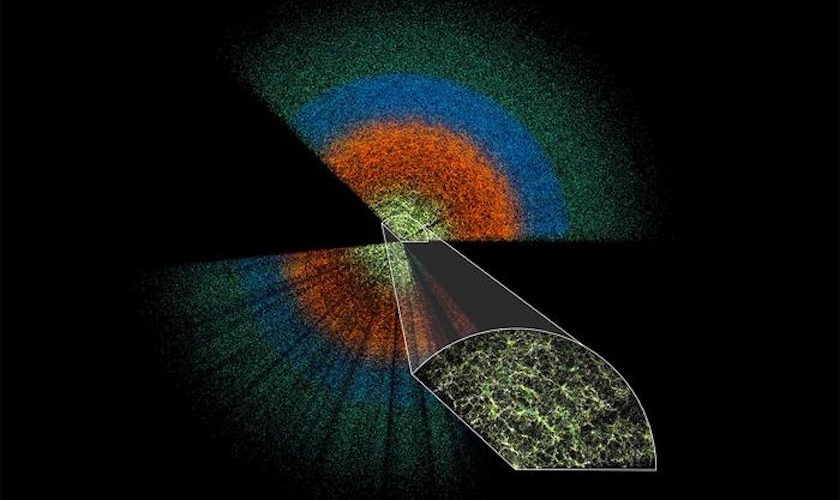
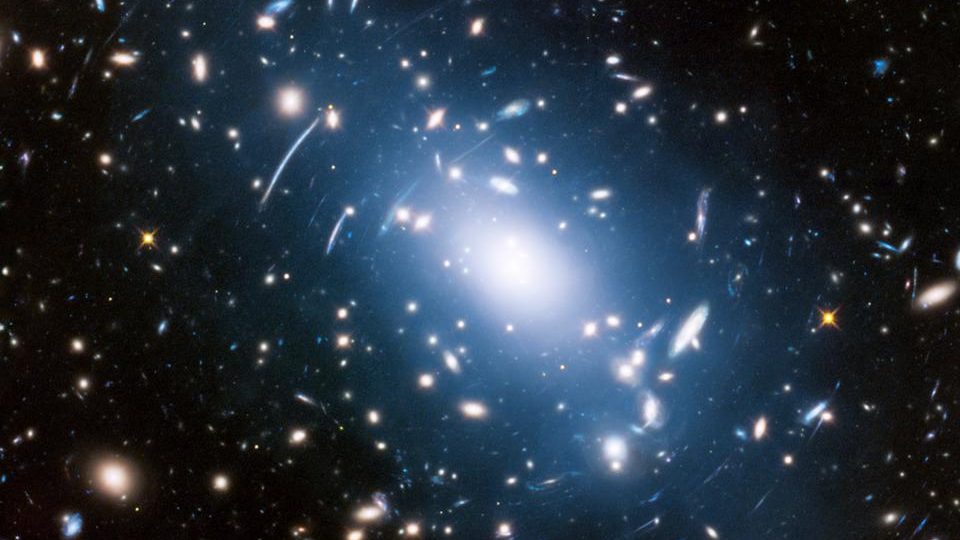
Dark matter has never been directly detected, but the astronomical evidence for its existence is overwhelming. Here’s what to know.
Oops! That page can’t be found.
It looks like nothing was found at this location. Maybe try a search?
Were you looking for something like this?
It’s not just about the home; it’s about everything.
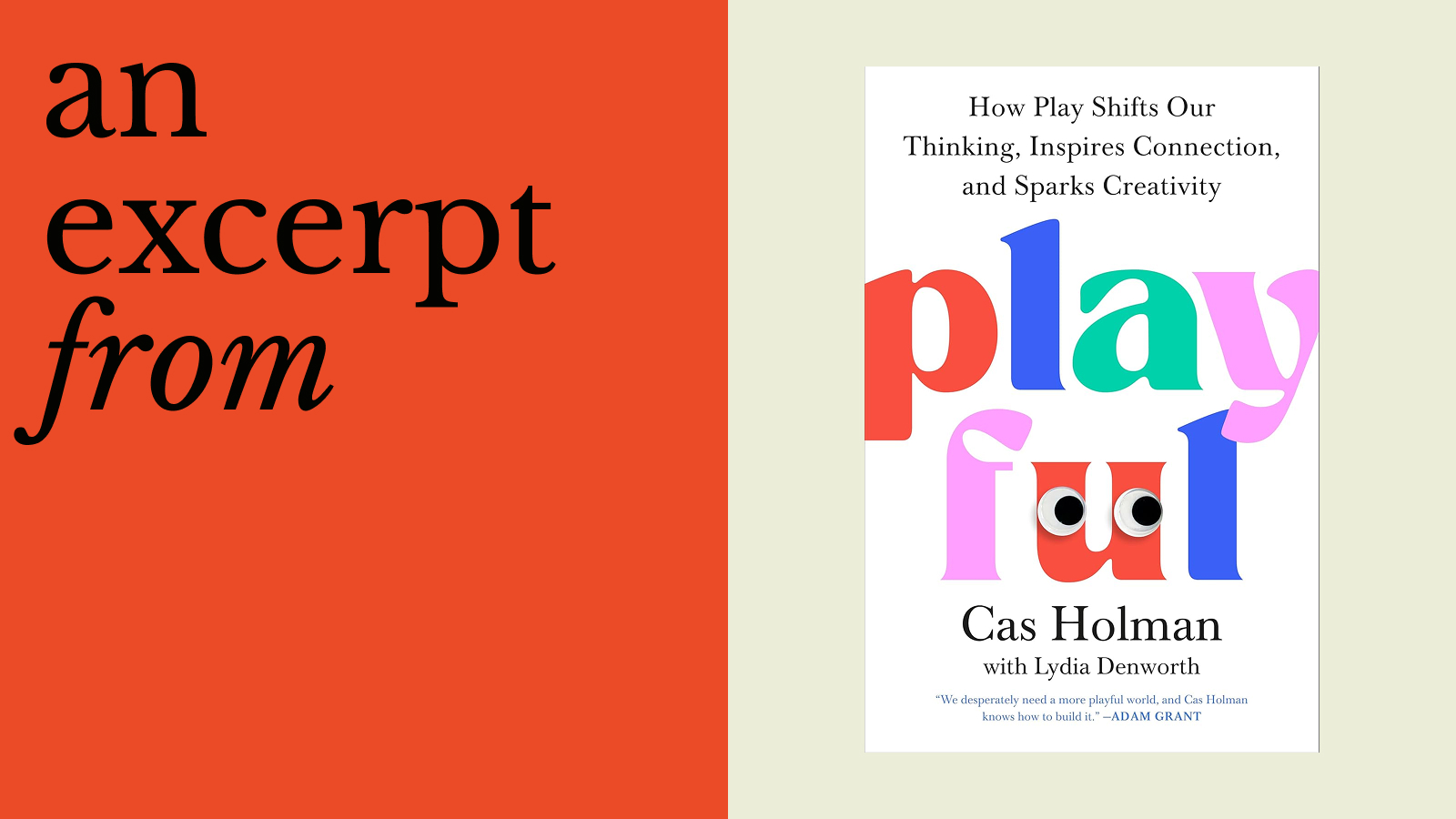
In this excerpt from “Playful,” Cas Holman surveys the research that brought the neuroscience of play into the mainstream.
Investment in quantum is growing. Anastasia Marchenkova wants to make sure funders still ask the tough questions.
Philosophy asks if free will is real. Neuroscience reveals why the answer is more complicated than we expected.
▸
3 min
—
with
We’ve long known we can’t go back to infinite temperatures and densities. But the hottest part of the hot Big Bang remains a cosmic mystery.
In this excerpt from “One Hand Clapping,” Nikolay Kukushkin makes the case that neurons reveal how memory, meaning, and even consciousness emerge from the same biological roots in humans, sea slugs, and beyond.
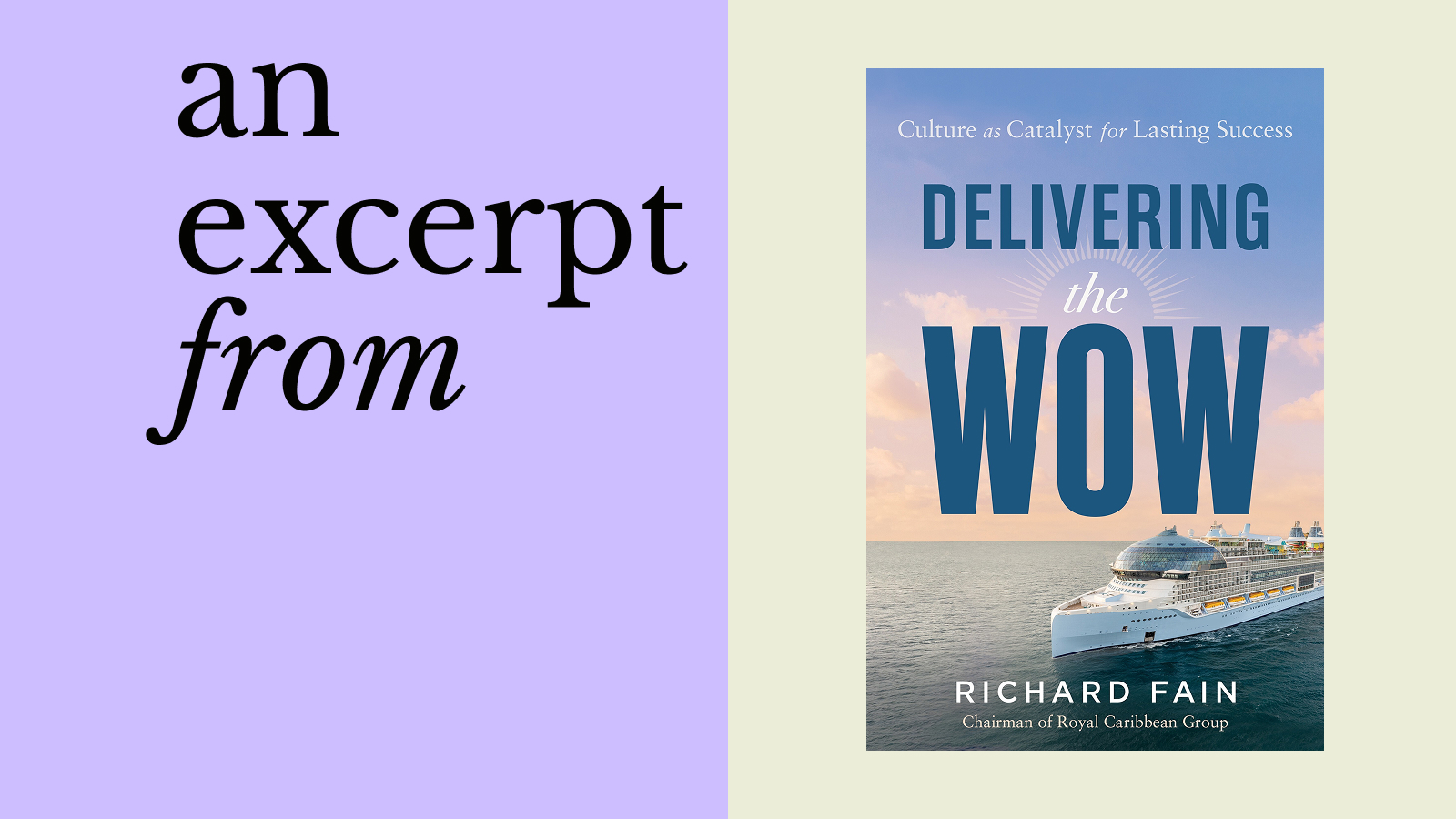
Richard Fain — Chairman and former CEO of Royal Caribbean Group — explains how a tongue-twister helped boost his company’s fortunes.
Red dwarfs are the Universe’s most common star type. Their flaring now makes potentially Earth-like worlds uninhabitable, but just you wait.
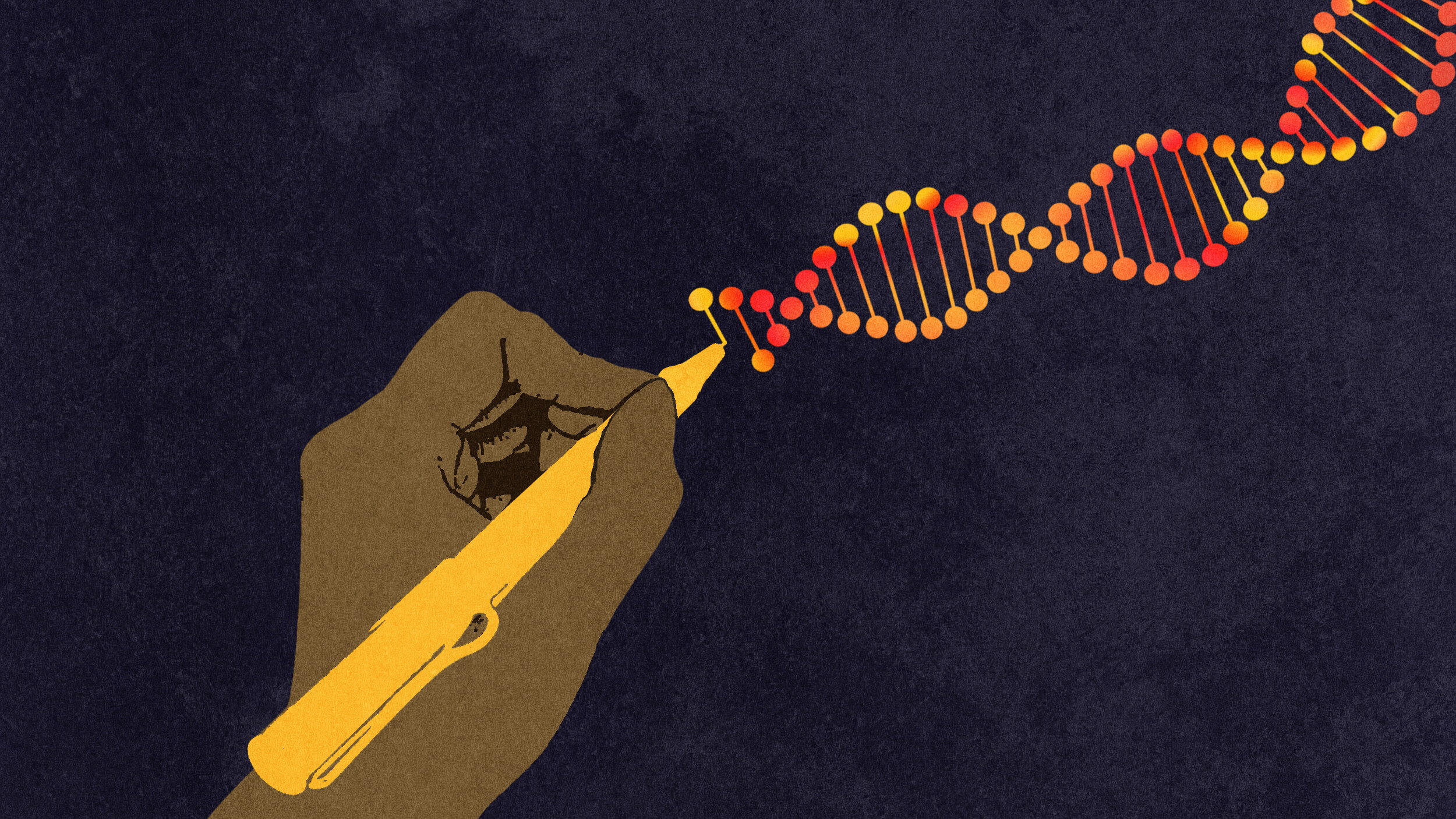
It’s time to write the human genome, argues microbiologist Andrew Hessel.
When making any tough decision, the key is not to be overly exploratory or exploitative.
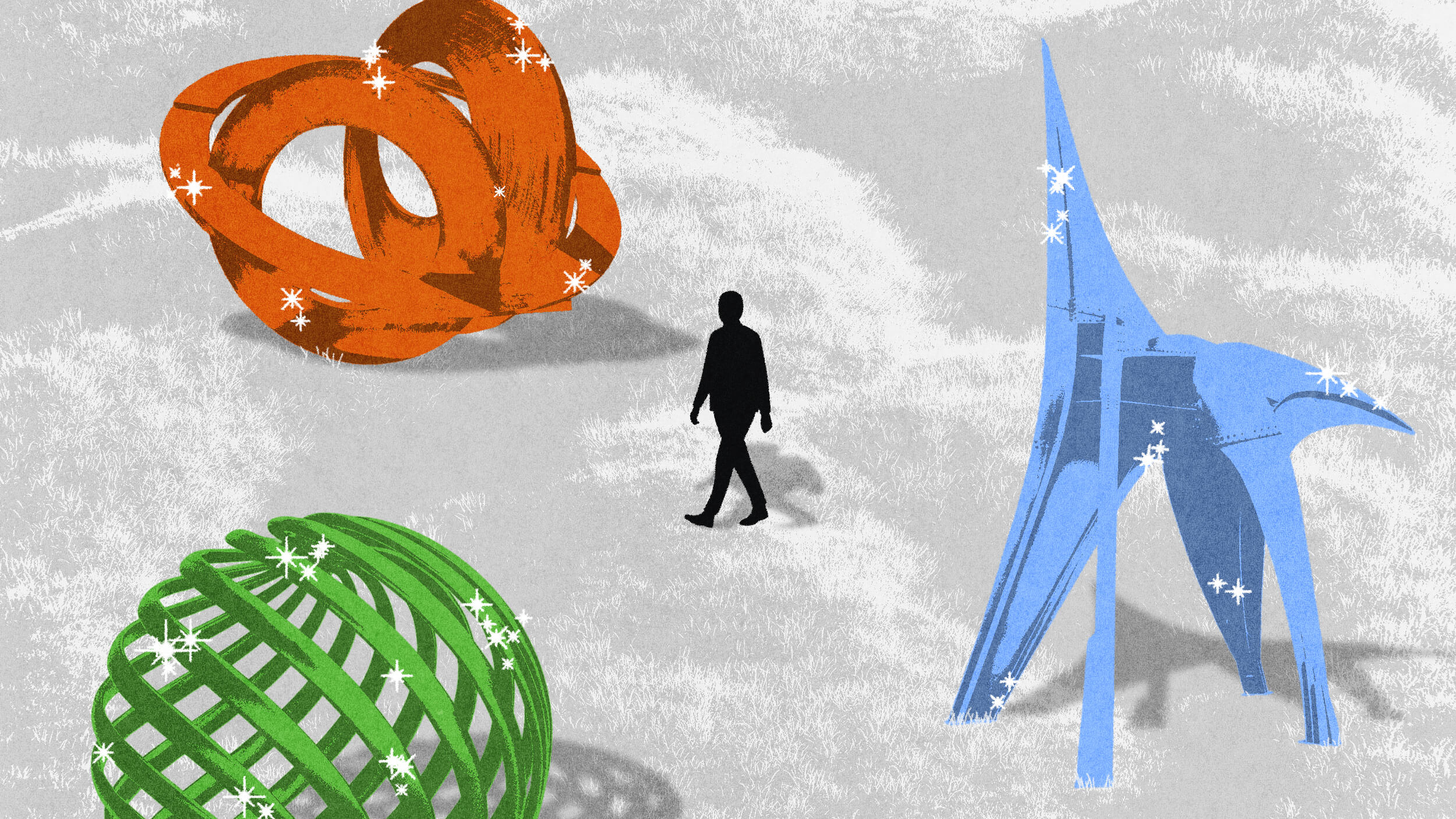
Marine Tanguy — author and founder/CEO of MTArt Agency — argues that viewing and creating art has profound benefits.
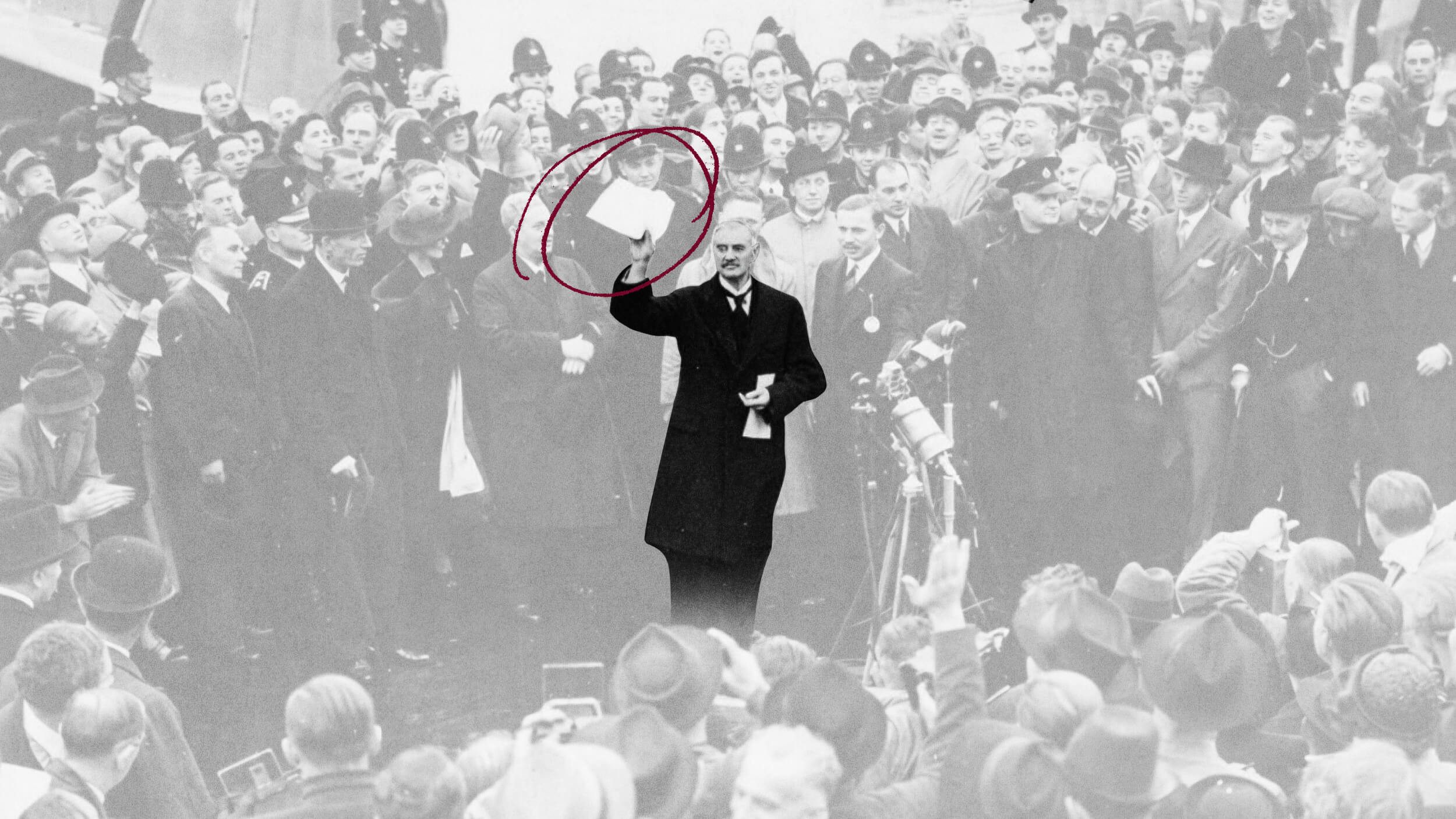
From Hitler to Hamas, Western powers have repeatedly dismissed open threats as bluffs — with catastrophic results.
If the people controlling AI are biased, the output will also be. Free speech scholar Jacob Mchangama makes the case for completely open-source AI.
▸
3 min
—
with
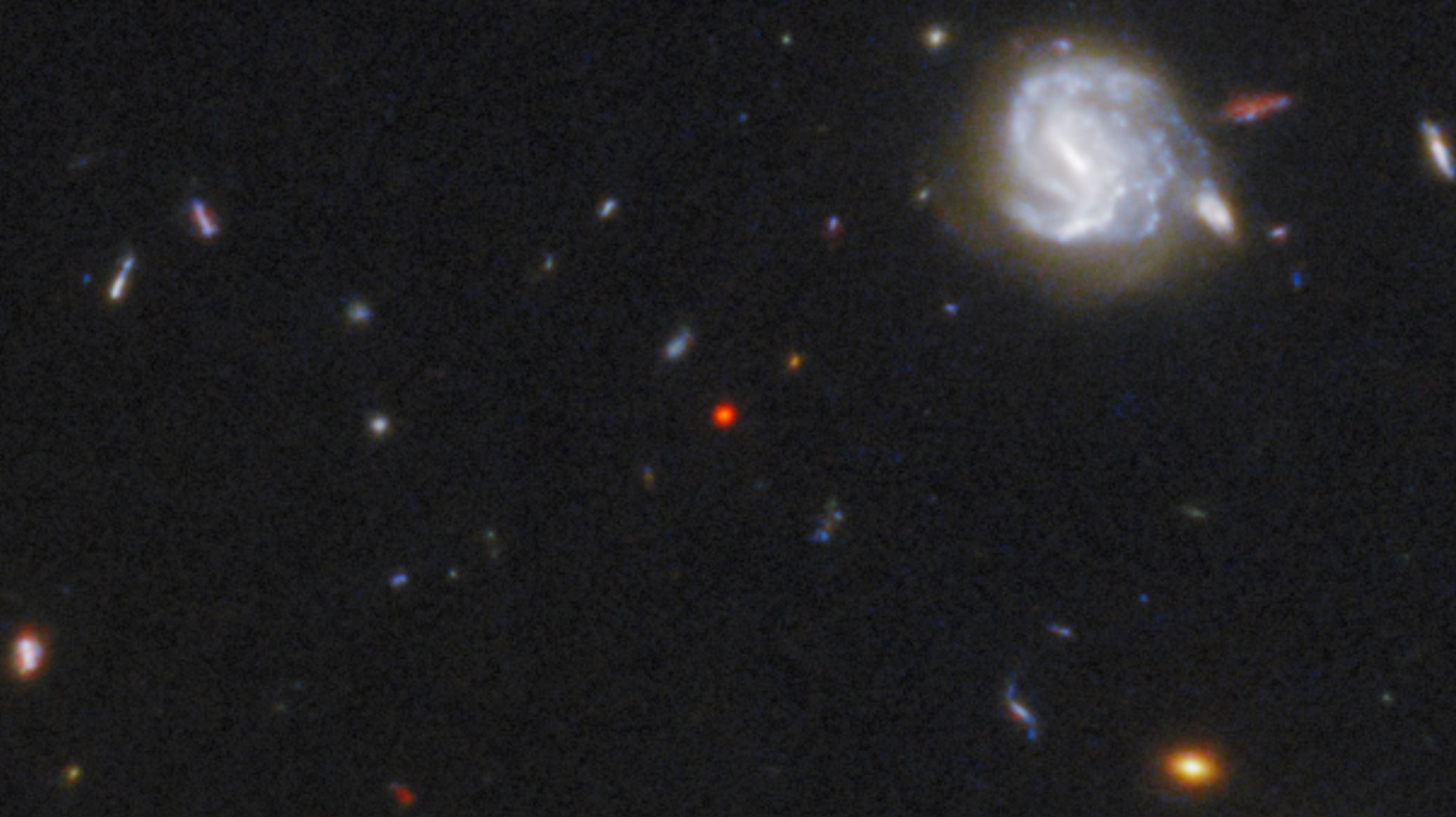
Found by Hubble before JWST’s launch, GNz7q looked like a mix of a galaxy and a quasar. Was it actually our first known “little red dot”?
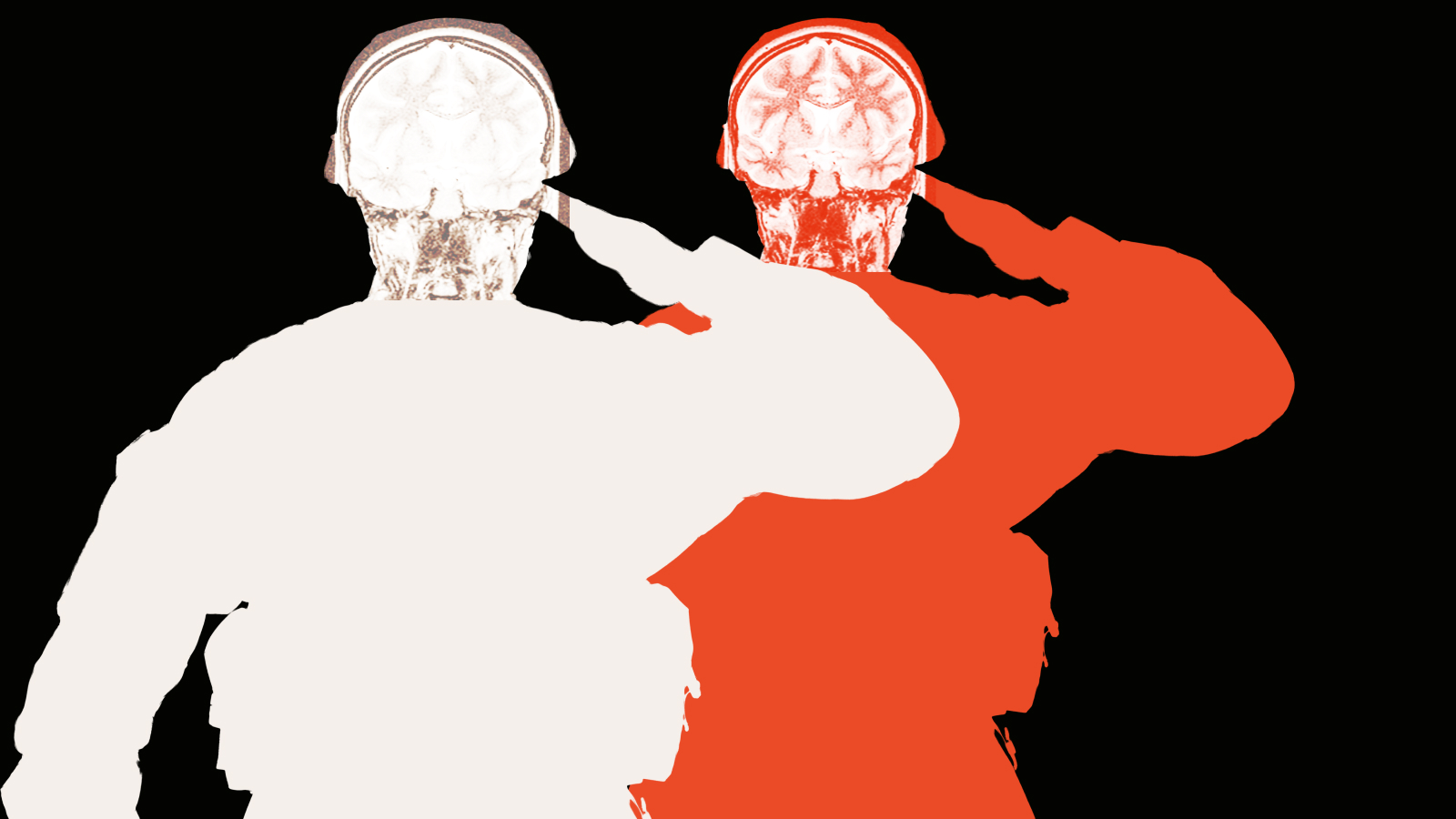
In “Warhead,” neuroscientist and national security adviser Nicholas Wright explains how the brain navigates warfare and why it is our ultimate weapon (and instrument for peace).
“Deep down the natural endpoint of this whole goal of looking for planets is to answer the question: are we alone?”
▸
25 min
—
with
Bold megaprojects could turn dry depressions into thriving new hubs of life.
“No matter what their gods were, what they did for a living, what they wore, the songs they sang, everything varies except love, and everybody loves.”
▸
17 min
—
with
Observations with the Hubble space telescope helped cement dark energy and reveal the Hubble tension. How are these two things so different?
The whole isn’t greater than the sum of its parts; that’s a flaw in our thinking. Non-reductionism requires magic, not merely science.
Welcome to The Nightcrawler — a weekly newsletter from Eric Markowitz covering tech, innovation, and long-term thinking.
“The universe clicks along in perfect accord with the laws of physics forever.”
▸
9 min
—
with
“Think of it like a transcontinental railroad — not the fastest way to move a lot of mass, but certainly the most efficient,” Jared Isaacman said about nuclear electric propulsion.
Getting drunk might be bad for you but good for us.
Daily habits can help you thrive or quietly turn into addictions. The difference is how your brain handles cues, routines, and rewards. Three experts explain how to work with your wiring instead of against it.
▸
7 min
—
with
Solar power has the disadvantage that there’s no Sun at night. Satellite startup Reflect Orbital wants to change that, but at what cost?
A preview of the latest novel by the Hugo- and Nebula-winning author.
In this excerpt from “Lucky By Design,” Judd Kessler explains how opportunity costs shape our choices and why time is the real price we pay.