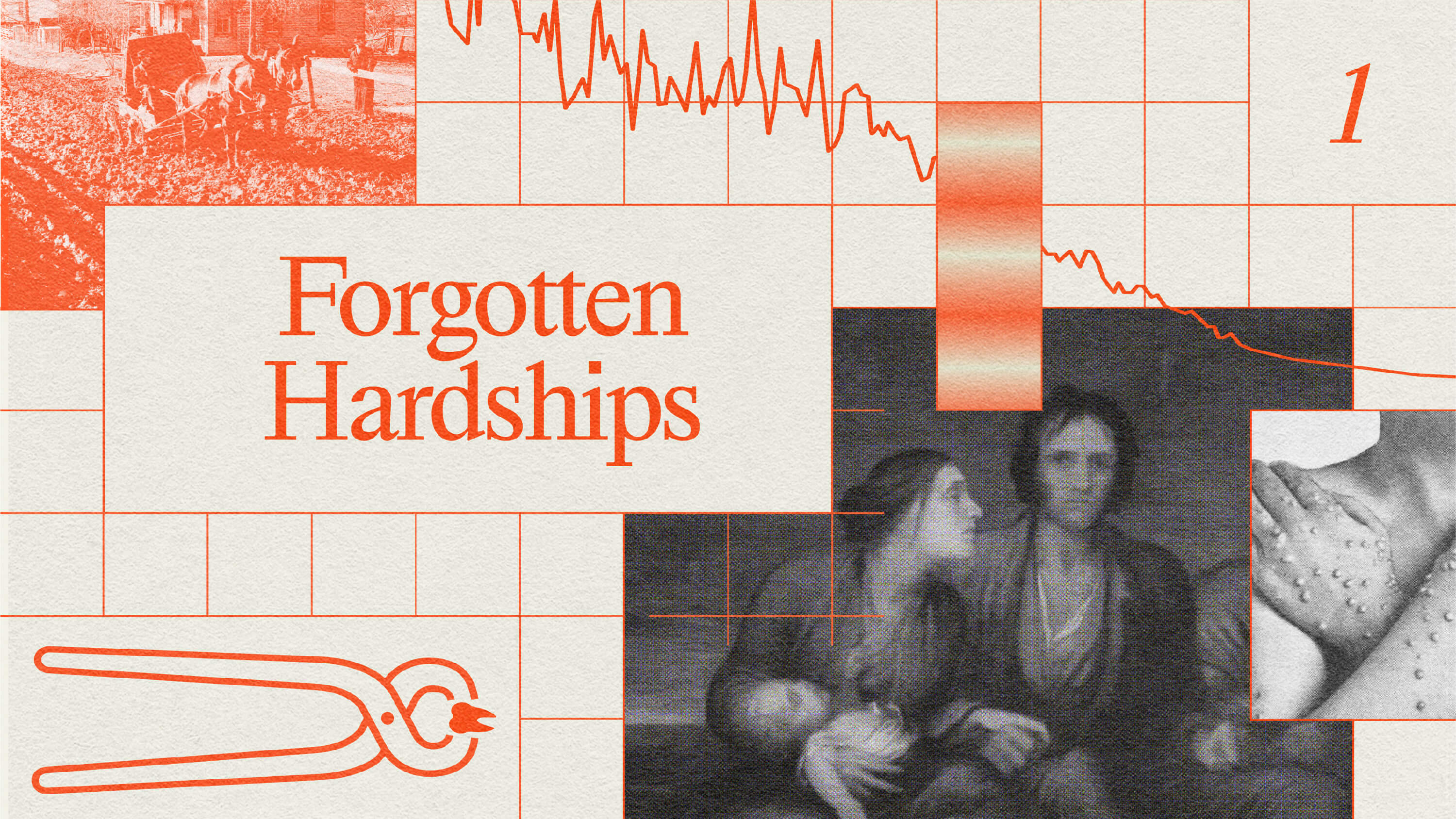
9 minutes of cruel history may cure the anti-progress delusion.
Oops! That page can’t be found.
It looks like nothing was found at this location. Maybe try a search?
Were you looking for something like this?
The Extremely Large Telescope (ELT) will have a light-collecting power 10 times greater than today’s best telescope.
Executive coach Jodi Wellman explains how to “make it to the end with no regrets.”
“How is it possible to do work that you’re proud of and not feel like your job is encroaching on all parts of your life?” Cal Newport, Author of ‘Slow Productivity,’ explains.
▸
6 min
—
with
Adams was infamously scooped when Neptune was discovered in 1846. His failure wasn’t the end, but a prelude to a world-changing discovery.
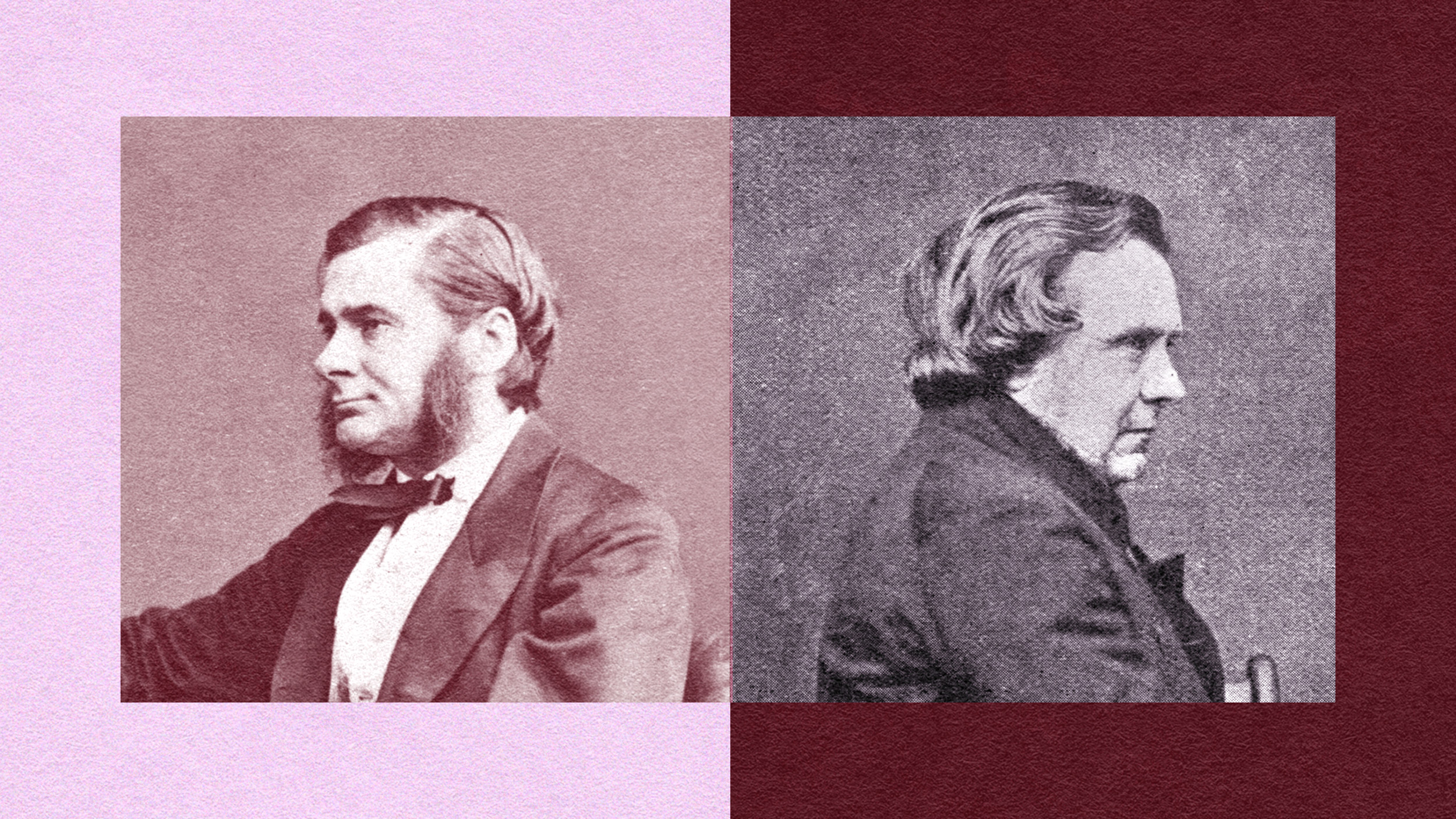
The true story of the shot that “reverberated through England” when science collided head-on with religion.
Big Think Business columnist Eric Markowitz prefaces his new series on long-term thinking with the experience that almost cut his life short.
The best of all investor attributes is easily attained — and unbeatable in combination with other advantages.
It’s knowledgeable, confident, and behaves human-like in many ways. But it’s not magic that powers AI though; it’s just math and data.
Cam Lawrence — CEO of international venture platform Newlab — joins Big Think Business to discuss his strategic vision for climate tech.
Dr. Aditi Nerurkar on toxic resilience and the importance of gratitude and breathing.
▸
9 min
—
with
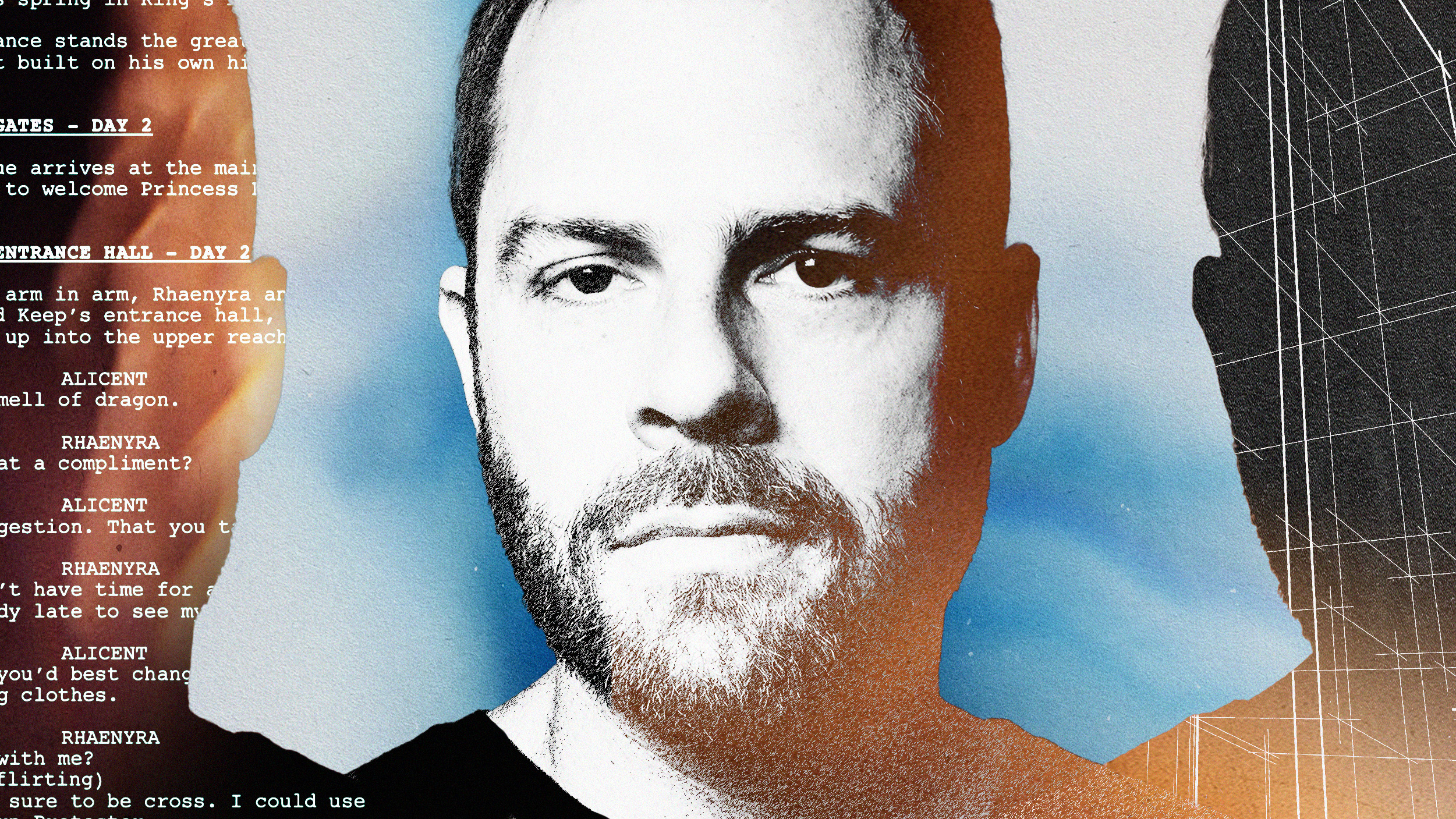
Ryan Condal, who worked in pharmaceutical advertising before Hollywood, talks with Big Think about imposter syndrome, “precrastination,” and Westeros lore.
Traditional definitions of wellbeing focus on the absence of mental illness or disease. But true wellbeing goes beyond that, says this neuroscientist.
▸
3 min
—
with
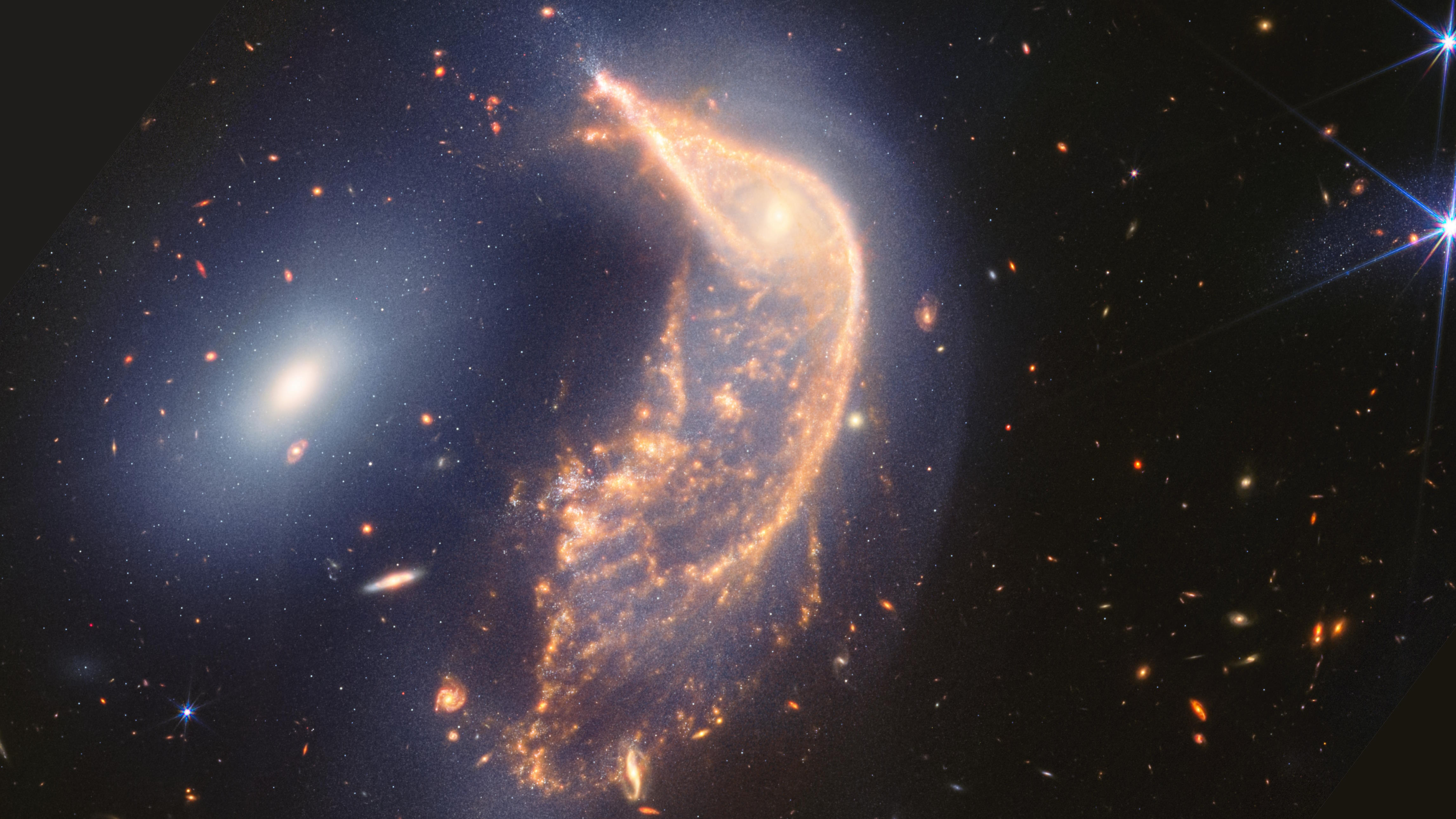
For its 2-year science anniversary, JWST has revealed unprecedented details in “the Penguin and the Egg.” Here are the surprises inside.
Our desire for recognition at work can lead to perilous ends.
In the fight between head and heart, psychologists will win.
Is human overpopulation alarmist hype with disturbing consequences? Oxford data scientist Hannah Ritchie debunks the overpopulation myth.
▸
7 min
—
with
The mind-blowing theory that everything is evolving—from minerals to music—explained in 3 minutes by a Carnegie scientist.
▸
3 min
—
with
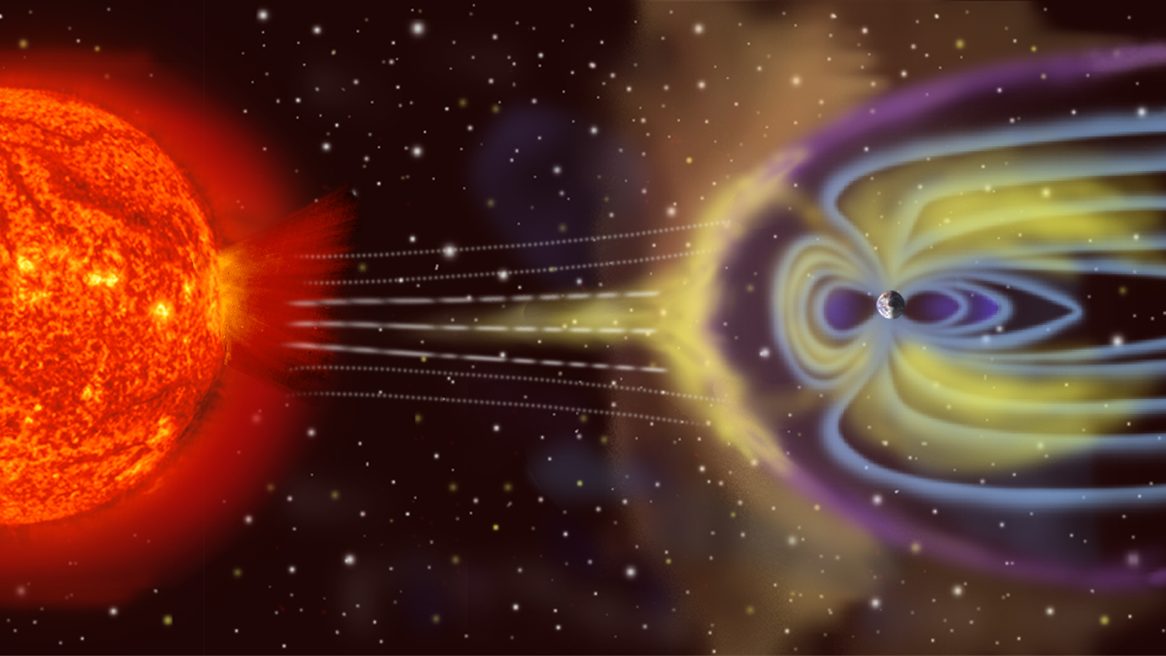
As the Sun ages, it loses mass, causing Earth to spiral outward in its orbit. Will that cool the Earth down, or will other effects win out?
While the concept stretches back centuries, it has garnered significant attention in recent decades.
The world needs a moral defense of progress based in humanism and agency.
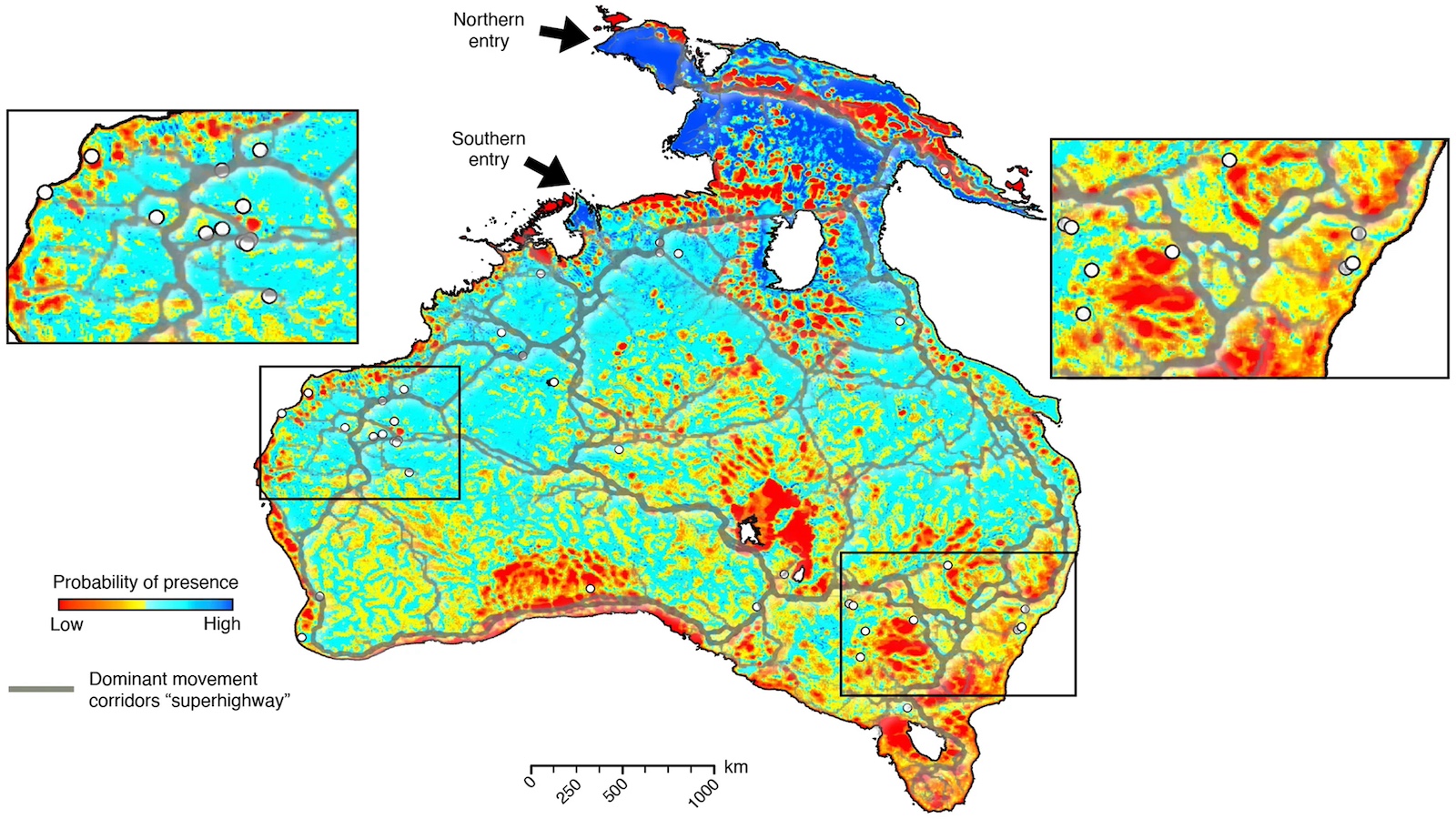
A new method of mapping migration factors in erratic movements and changing climate.
Our relationship with chatbots is undergoing a sea change — here’s how the transformation will most affect you and your team.
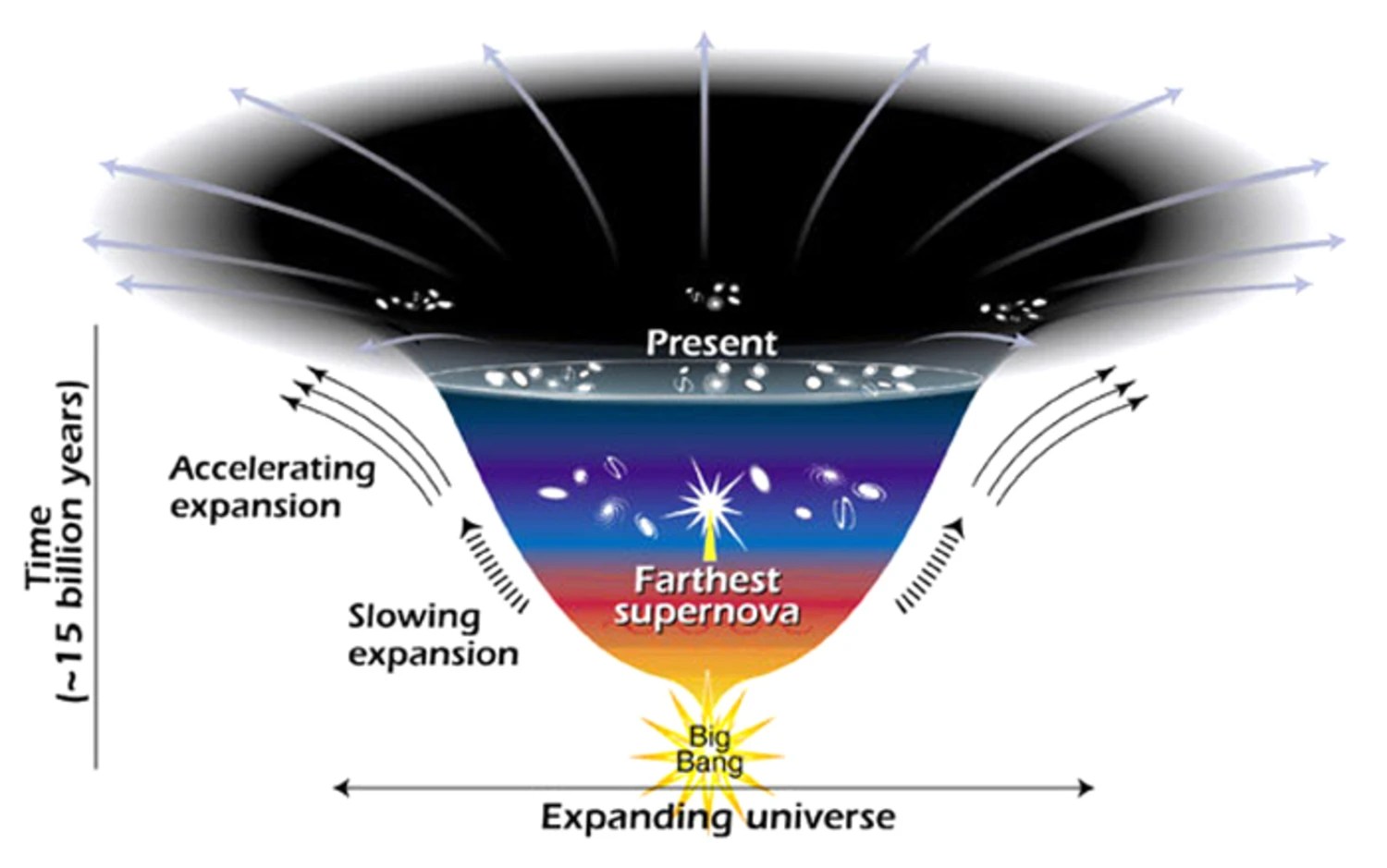
Just 13.8 billion years after the hot Big Bang, we can see objects up to 46.1 billion light-years away. No, this doesn’t violate relativity.
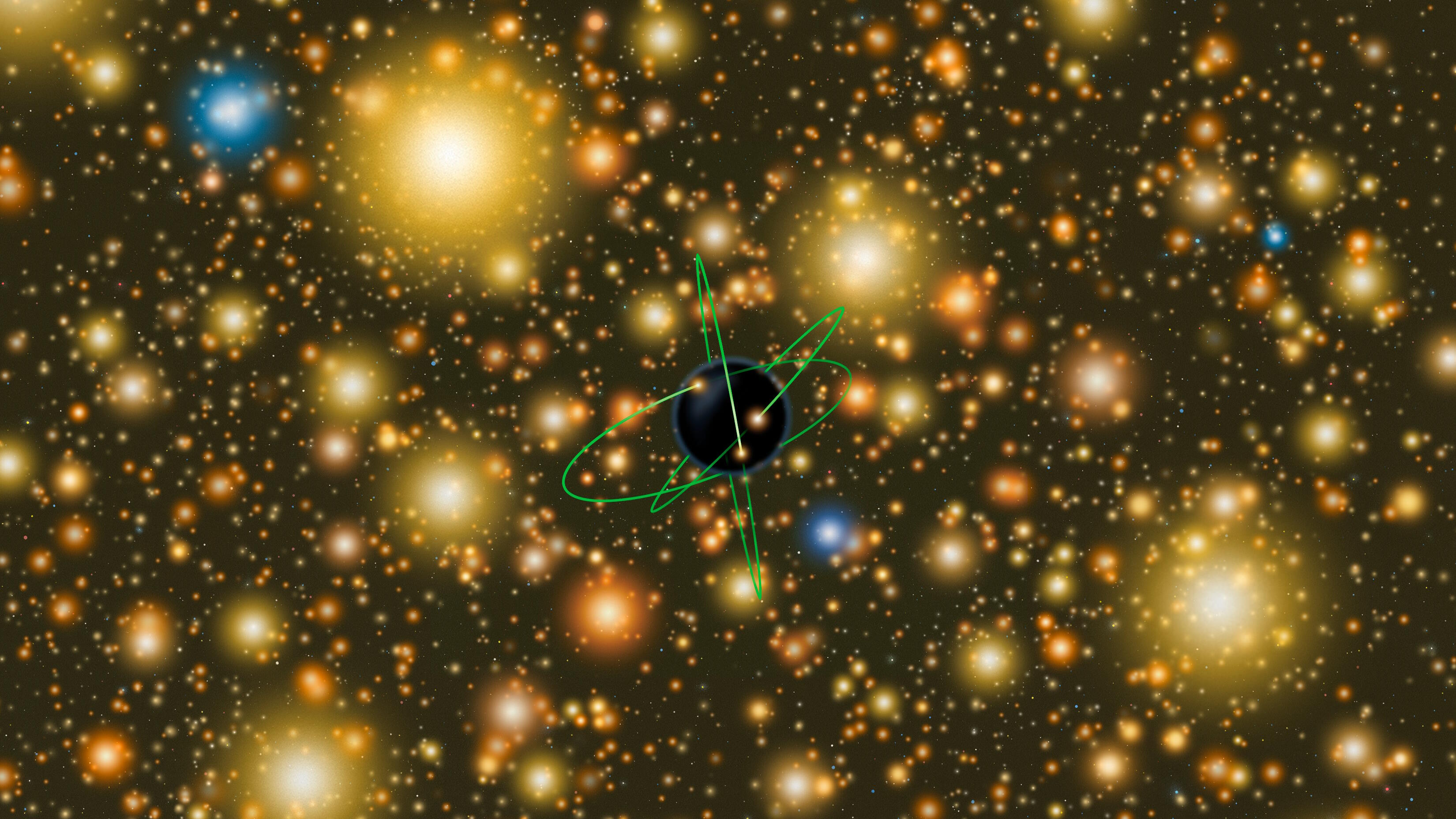
We know of stellar mass and supermassive black holes, but intermediate mass ones have long proved elusive. Until now.
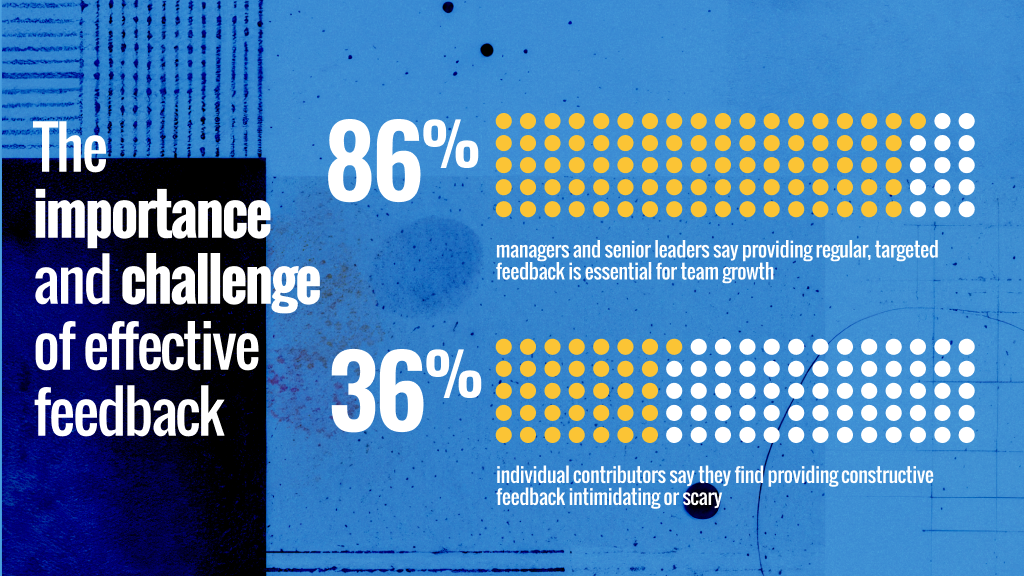
New research from Big Think+ sheds light on why employees can find the act of providing feedback to be intimidating, and how L&D can ease this fear by elevating feedback beyond pure evaluation.
For most of human history, babies probably picked up language by overhearing.
Google’s first Chief Innovation Evangelist — Frederik Pferdt — lays out a map for navigating unprecedented change and innovation.
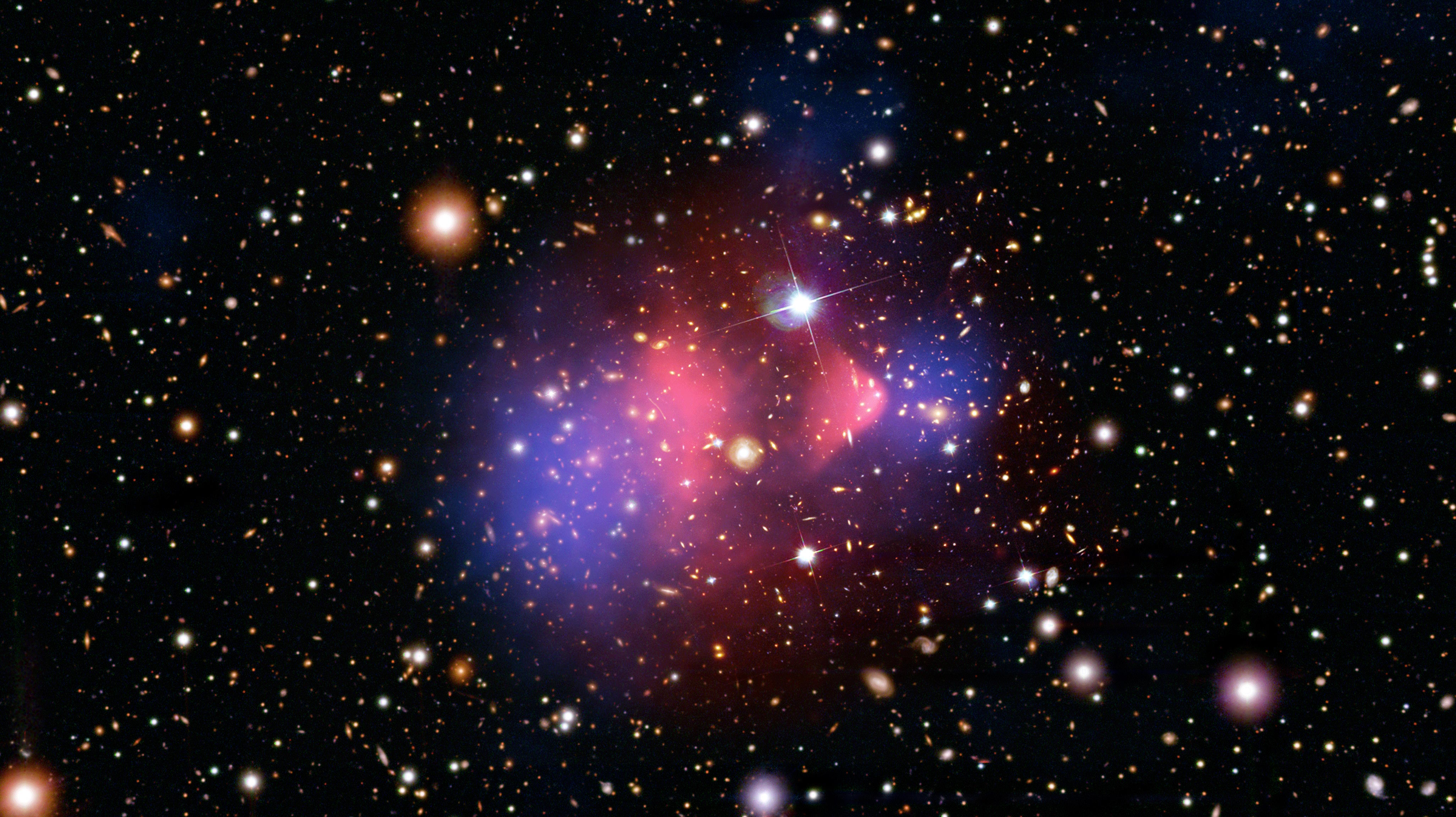
The Bullet Cluster has, for nearly 20 years, been hailed as an empirical “proof” of dark matter. Can their detractors explain it away?
In “Moral Ambition,” Dutch historian Rutger Bregman argues that all would benefit from a collective redefinition of success.