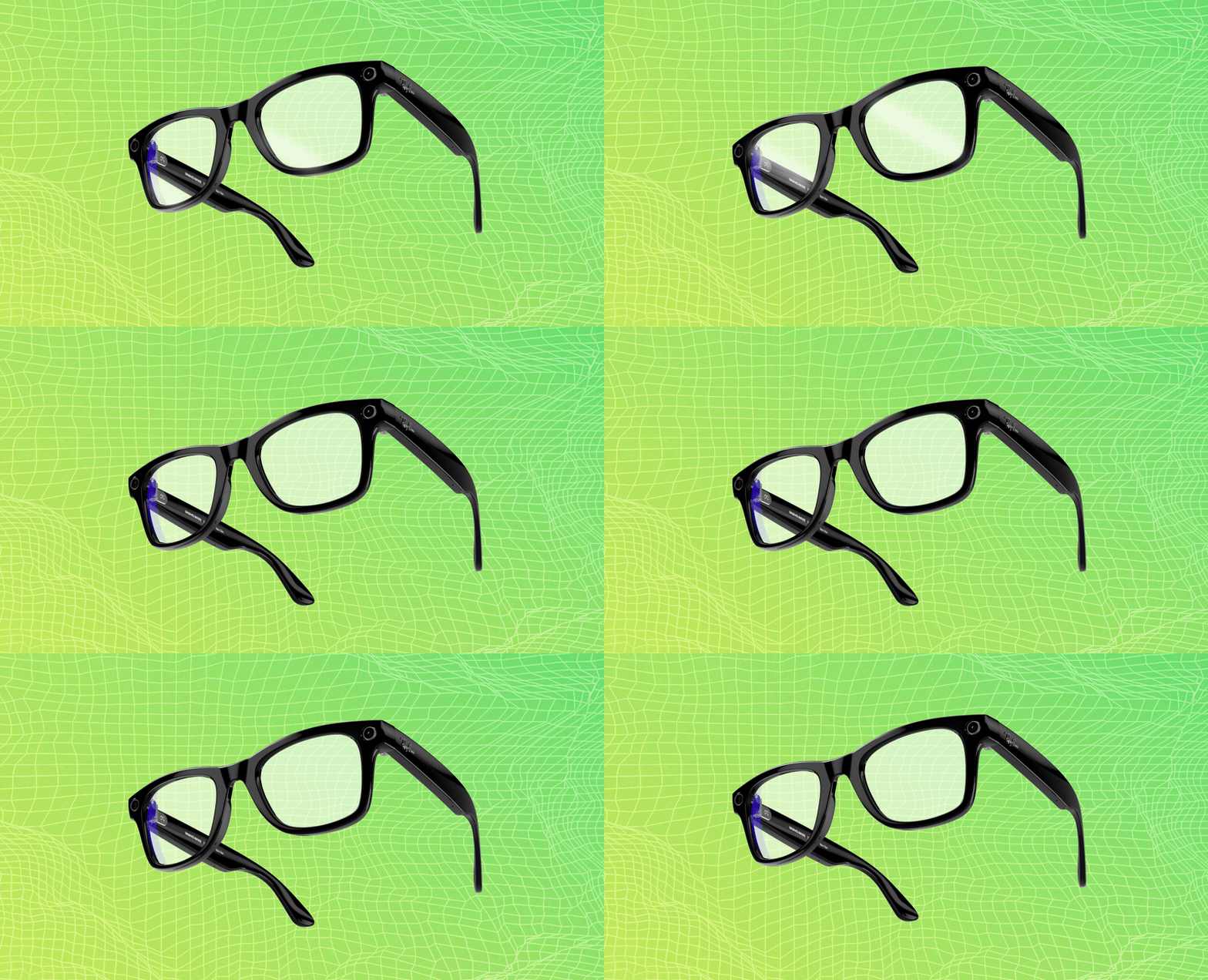
Smart glasses have flopped before. AI could finally make them mainstream.
Oops! That page can’t be found.
It looks like nothing was found at this location. Maybe try a search?
Were you looking for something like this?
Kurzweil predicts that AI will combine with biotechnology to defeat degenerative diseases this decade. Then things will get really interesting.
The evidence is far less clear than popular media might lead you to believe.
Is a repressed memory always so bad?
Take a seat. Take a breath. Take a break.
“We control nothing but influence everything.” Political scientist Brian Klaas on how every decision we make – both massive and miniscule – shapes our futures.
▸
11 min
—
with
“I study the mineral kingdom — and its secrets could lead us to alien life.”
▸
4 min
—
with
Sure, there’s less daylight during winter than summer, as your hemisphere is tilted away from the Sun. But darkness goes deeper than that.
“We should be informed and educated about the risks of AI, but we can’t be afraid,” Khan Academy founder Sal Khan told Big Think.
From flow to emotional intelligence, these insightful books feature actionable advice you can try out today.
Our thermodynamic arrow of time explains why the entropy of any isolated system always increases. But it can’t explain what we perceive.
Cody Delistraty explores if laughter can help alleviate the physical symptoms of grief.
Nestor Maslej, research manager at the Stanford Institute for Human-Centered AI (HAI), talks us through key findings in the 2024 AI Index Report.
Sure, IQ is important, but is as impactful as emotional intelligence? Renowned psychologist and author Daniel Goleman explains.
▸
12 min
—
with
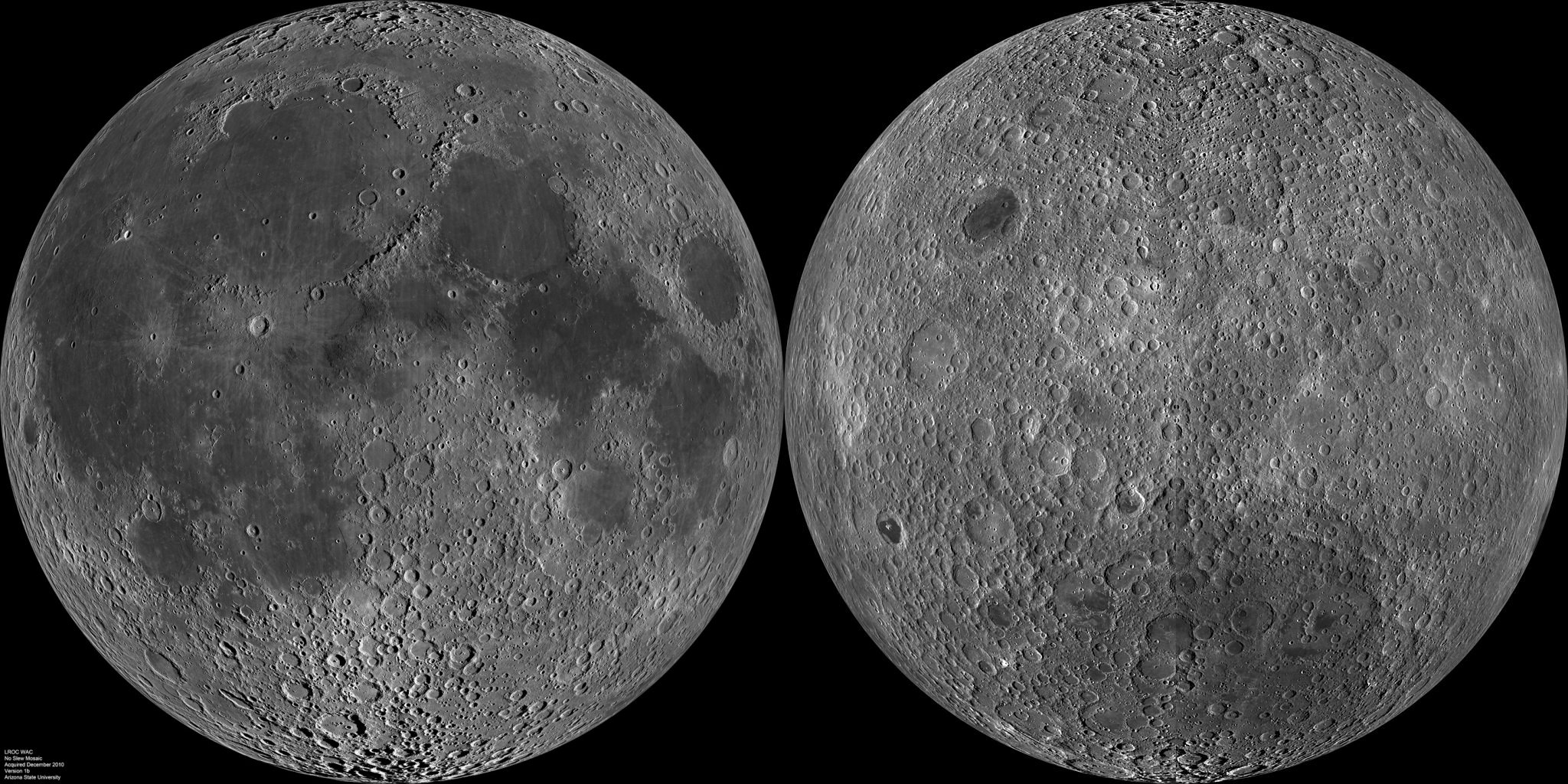
The near and far sides of the Moon are so different from each other, and no one is sure why. New lunar samples could confirm a wild theory.
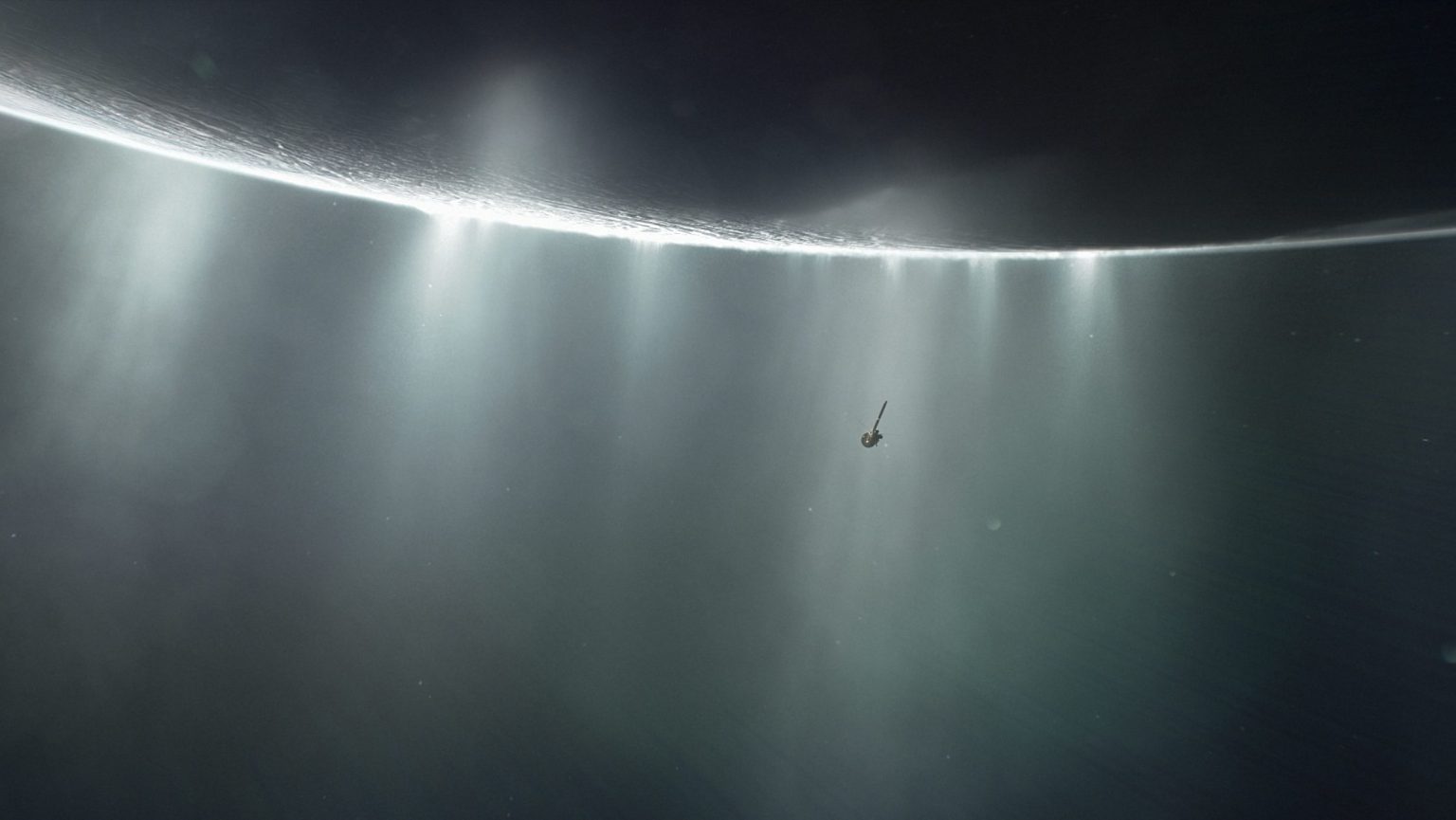
This research team is working out how to detect extraterrestrial cells in the liquid water ocean hidden beneath Enceladus’s icy crust.
The evolution of quantum technology is far from over.
Our “embodied minds” suggest an eventual escape from mortality via computer is unlikely.
All telescopes are fundamentally limited in what they can see. JWST reveals more distant galaxies than Hubble, but still can’t see them all.
“We could be wrong. But if we are right, it’s profoundly important.” Leading mineralogist Dr. Robert Hazen on the missing law of nature that could explain why life emerges.
▸
8 min
—
with
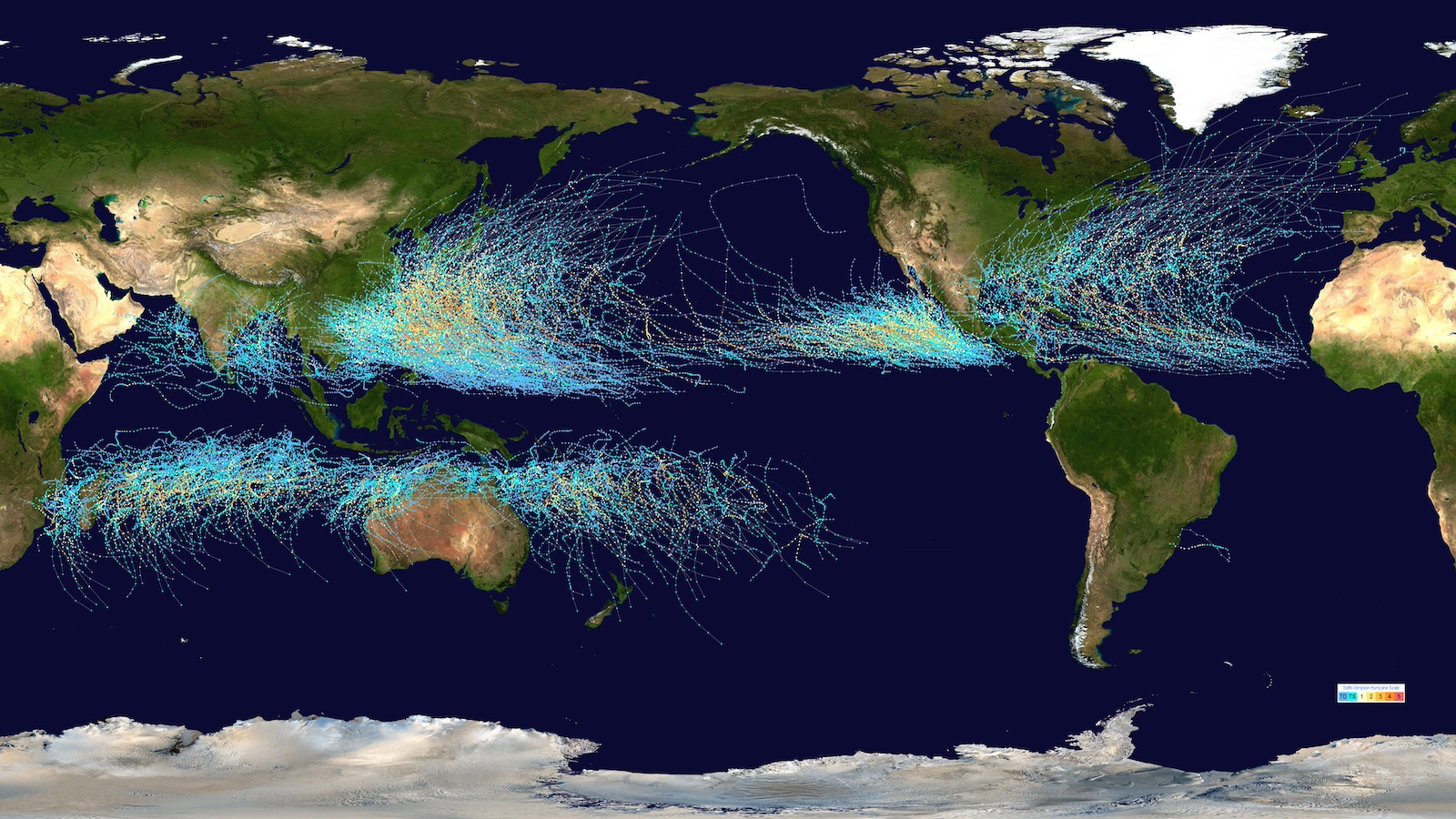
Thanks to the Coriolis force, hurricanes never cross the equator.
Yushiro Kato — the 32-year-old co-founder and CEO of manufacturing platform CADDi — offers his most valuable leadership learnings.
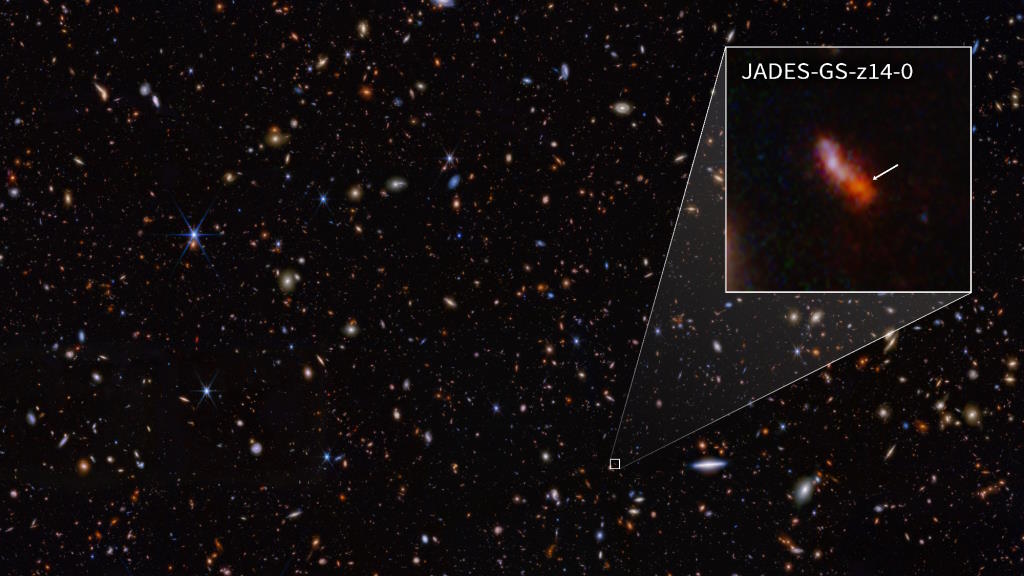
There was a time where no starlight was visible throughout the entire cosmos. That time was short-lived: shorter than astronomers imagined.
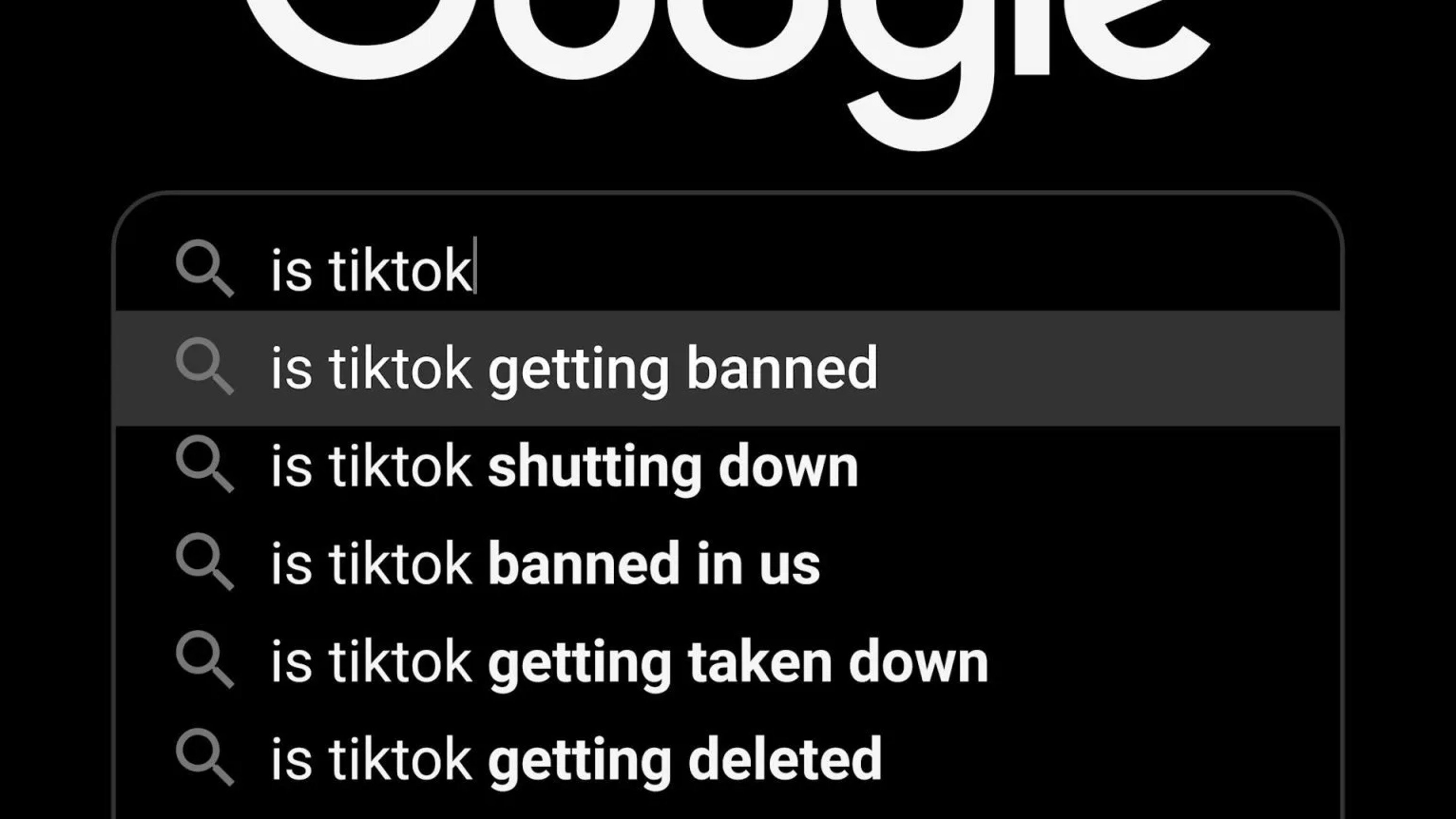
TikTok and its allies won’t go down without a legal fight.
Saudi Arabia’s Jeddah Tower is poised to become the world’s tallest building. What’s behind the century-plus drive to build ever taller skyscrapers?
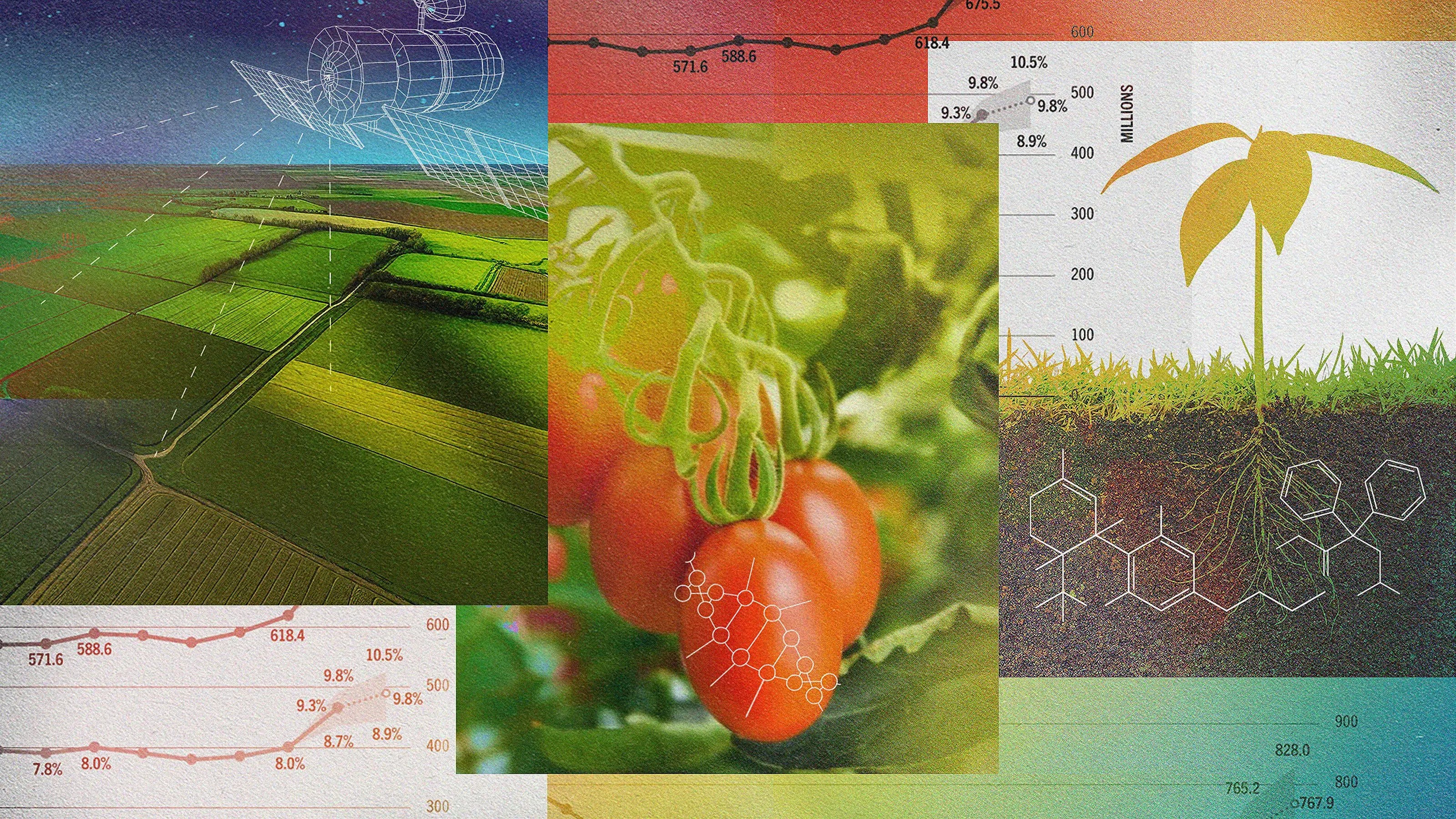
Hunger rates are rising. These technologies could turn the tide.
Is there a force keeping humanity in check?
Rhetorical mastery is within everyone’s reach — equipped with some basic techniques you can rock it like Aristotle.
Are humans naturally selfless? Psychologist Abigail Marsh is using studies on psychopathy and altruism to find out.
▸
11 min
—
with
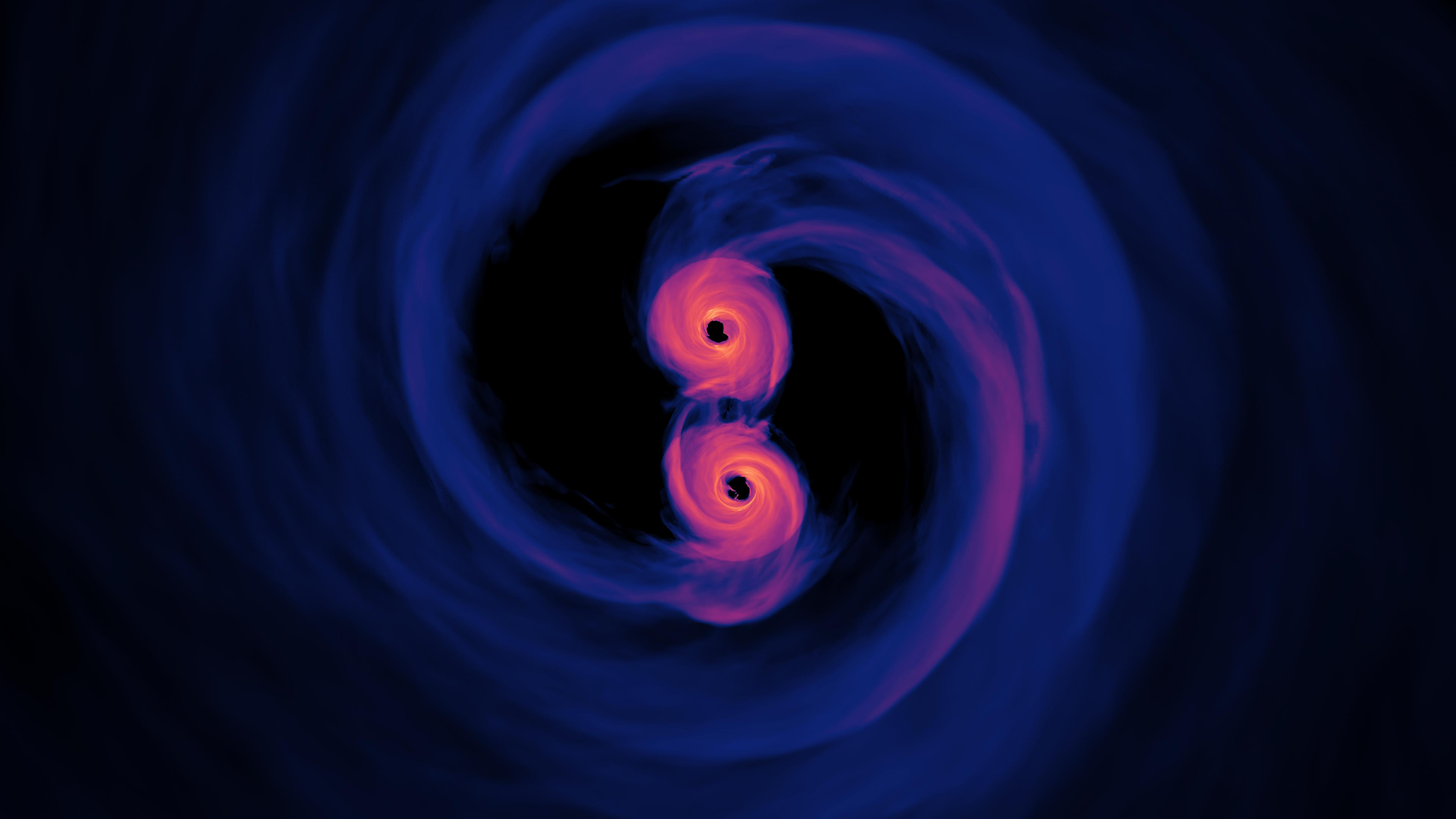
Gravitational waves carry enormous amounts of energy, but spread out quickly once they leave the source. Could they ever create black holes?