The Past The dark brilliance of John Graunt: “Father of modern statistics” An extraordinary haberdasher obsessed with buttons, lace collars, and death pioneered modern statistical analysis during the Age of Reason.
Starts With A Bang 25-year update on the “Millennium problems” in physics In the year 2000, physicists created a list of the ten most important unsolved problems in their field. 25 years later, here’s where we are.
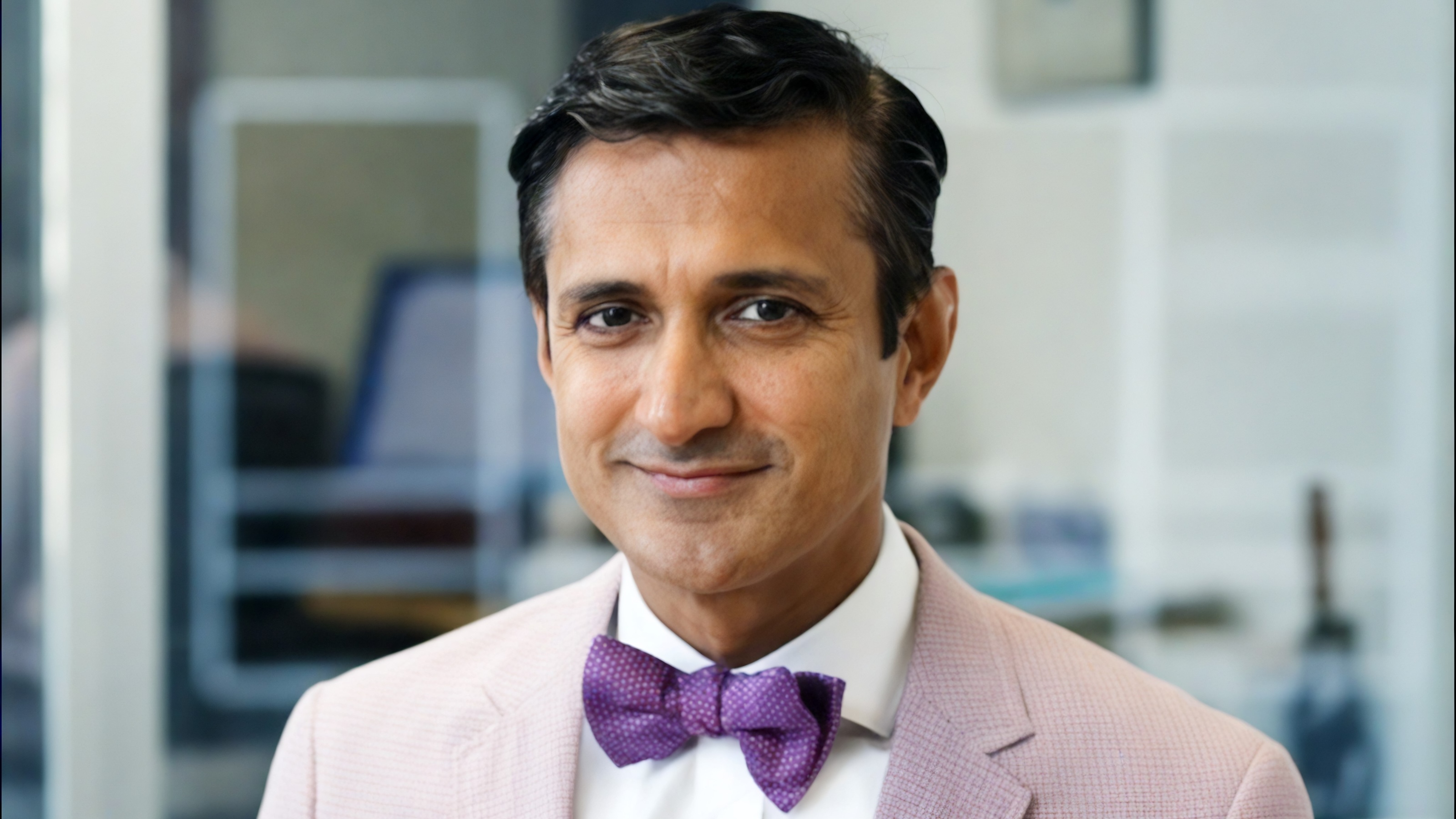
Business Why 2025 will take us closer to the “Turing horizon” Chetan Dube — founder and CEO of Quant — tells Big Think why a pivotal and monumental year for agentic AI has just begun.
The Future How Boom is resurrecting supersonic flight “You’ll be able to fly twice as fast as a Boeing or Airbus, and it’ll be like the cost of flying business today.”
Starts With A Bang How far back in time can we see in space? We see objects whose light only arrives just now. But we see them as they were in the past: when that now-arriving light was first emitted.
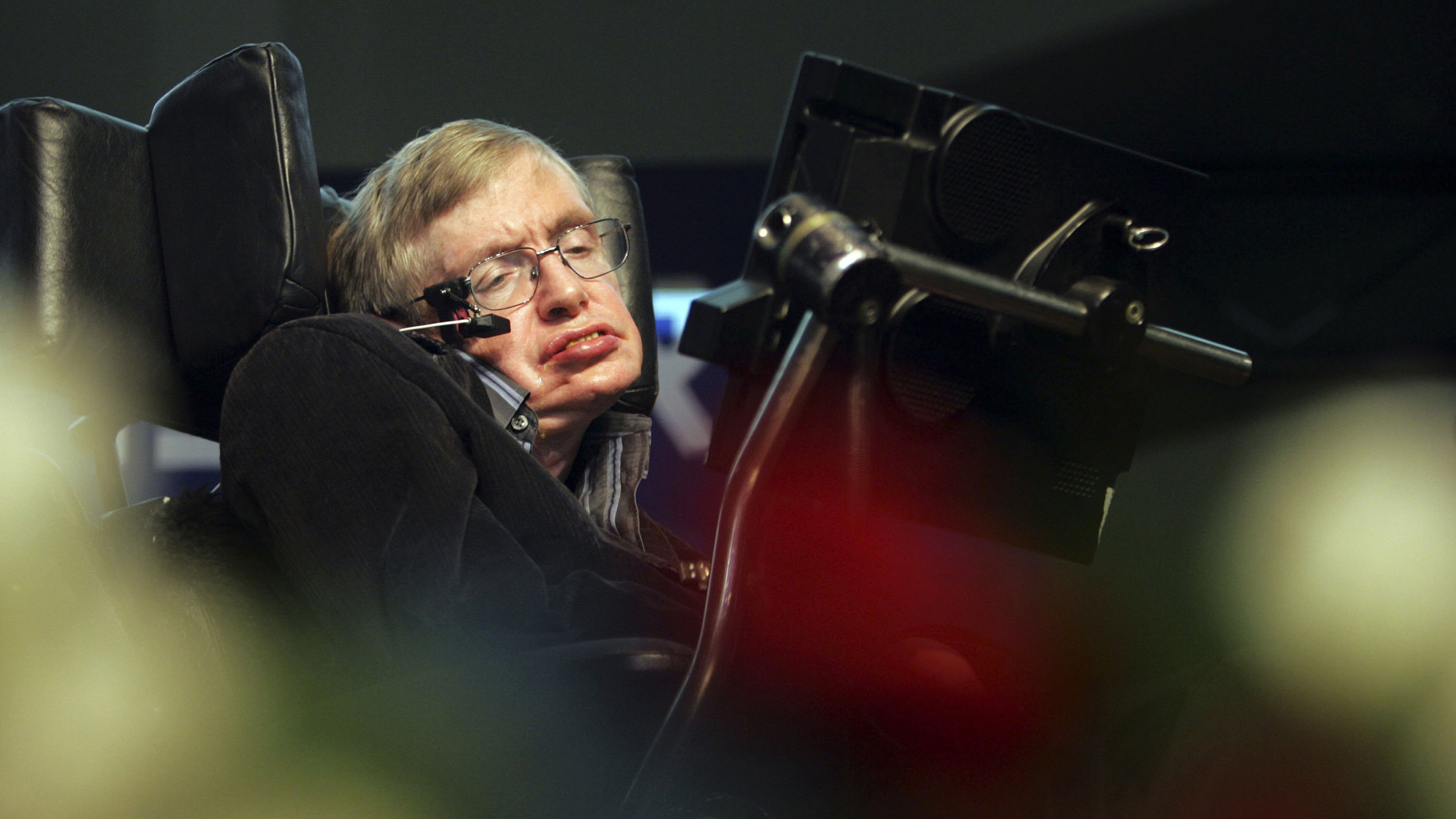
Neuropsych Stephen Hawking’s eternal voice Hawking’s refusal to upgrade his communication system preserved a voice that became iconic, not just for its sound, but for the profound identity it conveyed.
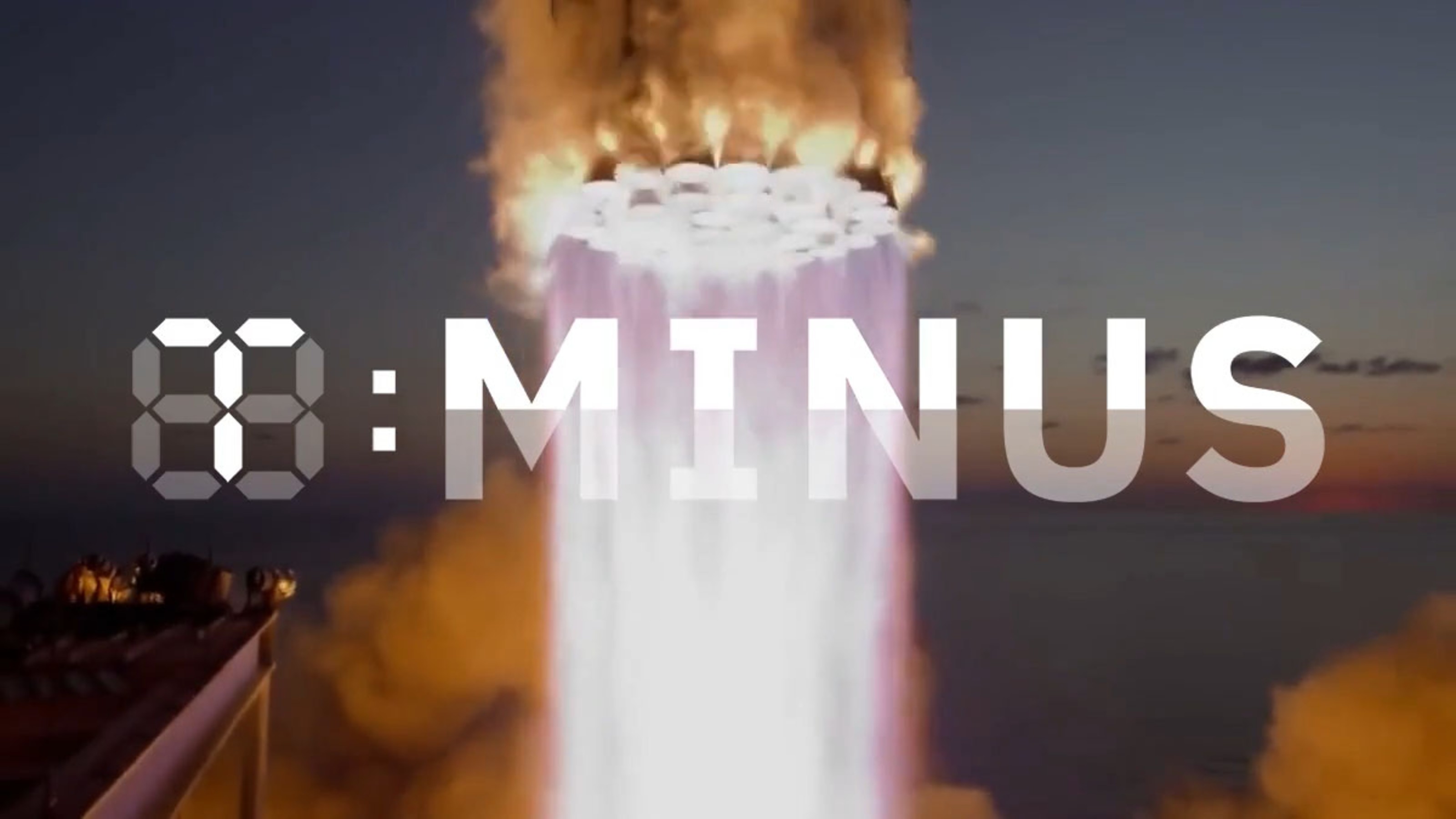
The Present T-Minus: Counting down the top 10 space stories of 2024 Featuring SpaceX’s “Mechazilla,” a first-of-its-kind spacewalk, and more.
Neuropsych Don’t waste time correcting misinformation. Instead, try the “bypassing technique” “Okay, dad, but GMOs help feed the world.”
The Present Why the golden unlock with nuclear power will be mental A wave of innovation is coursing through the nuclear industry — but ingrained opposition is the biggest roadblock.
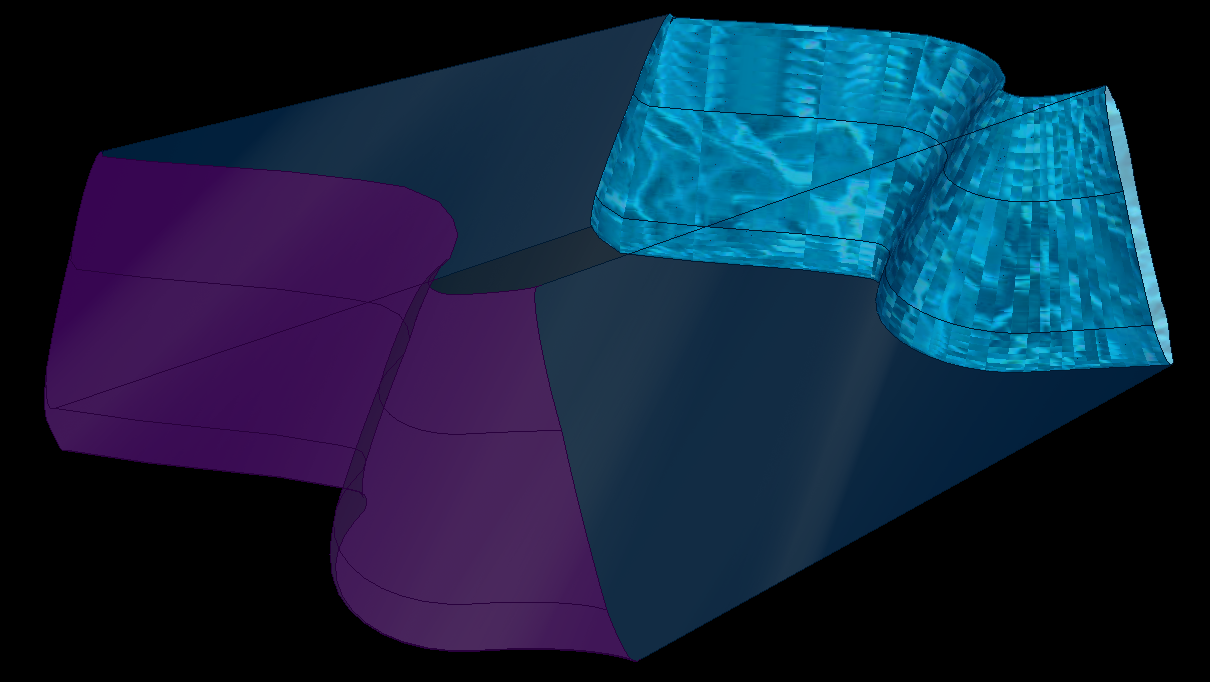
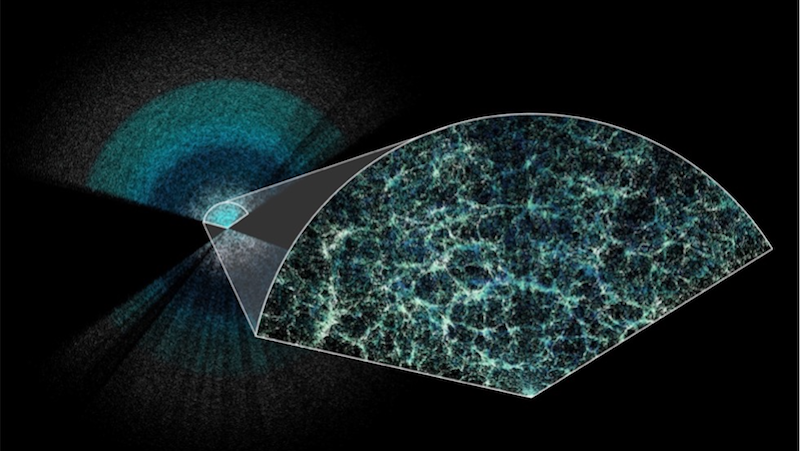
Starts With A Bang Ask Ethan: Can a lumpy Universe explain dark energy? Our Universe isn’t just expanding, the expansion is accelerating. Instead of dark energy, could a “lumpy” Universe be at fault?
Strange Maps Mapped: How Europe’s wealth has shifted since 1900 In 1900, the UK clearly was the richest country in Europe. That’s no longer the case.
Business How to embrace “psychological magic” to be more creative Welcome to The Nightcrawler — a weekly newsletter from Eric Markowitz covering tech, innovation, and long-term thinking.
Starts With A Bang The quantum reason that explains why the Sun shines Despite the Sun’s high core temperatures, atomic nuclei repel each other too strongly to fuse together. Good thing for quantum physics!
Neuropsych Psychology has a consciousness problem The biases that shape our understanding of the mind.
Business Great minds don’t think alike: The business case for neurodiversity Temple Grandin’s story reveals how embracing neurodiversity can lead to groundbreaking innovations and more successful teams.
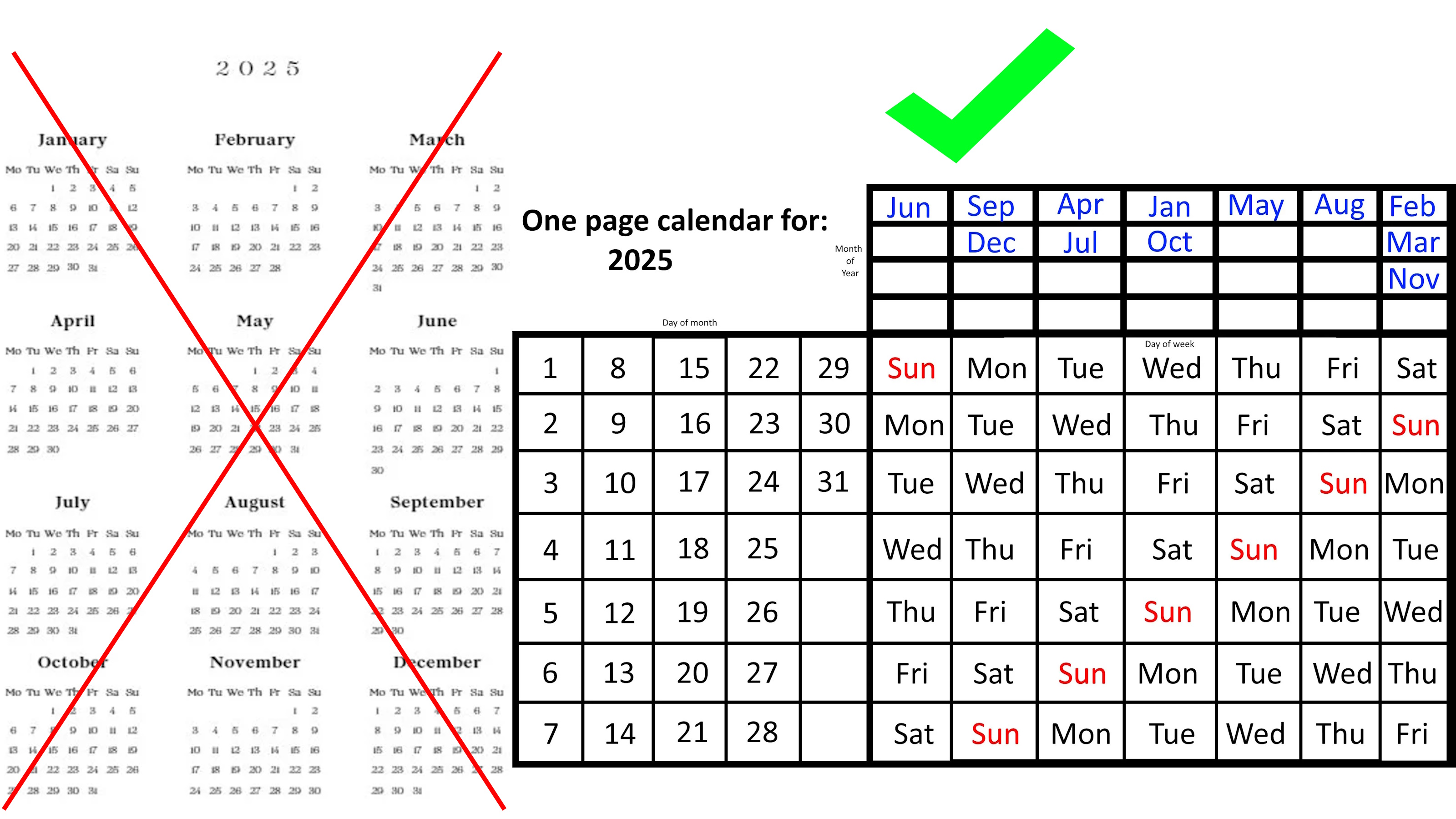
Starts With A Bang The one-page calendar that changes how you view the year It’s simpler, more compact, and reusable from year-to-year in a way that no other calendar is. Here’s both how it works and how to use it.
Hard Science Scientists find record high-energy cosmic ray electrons, but origin remains elusive A recent measurement has simultaneously settled an ongoing scientific debate while puzzling scientists.
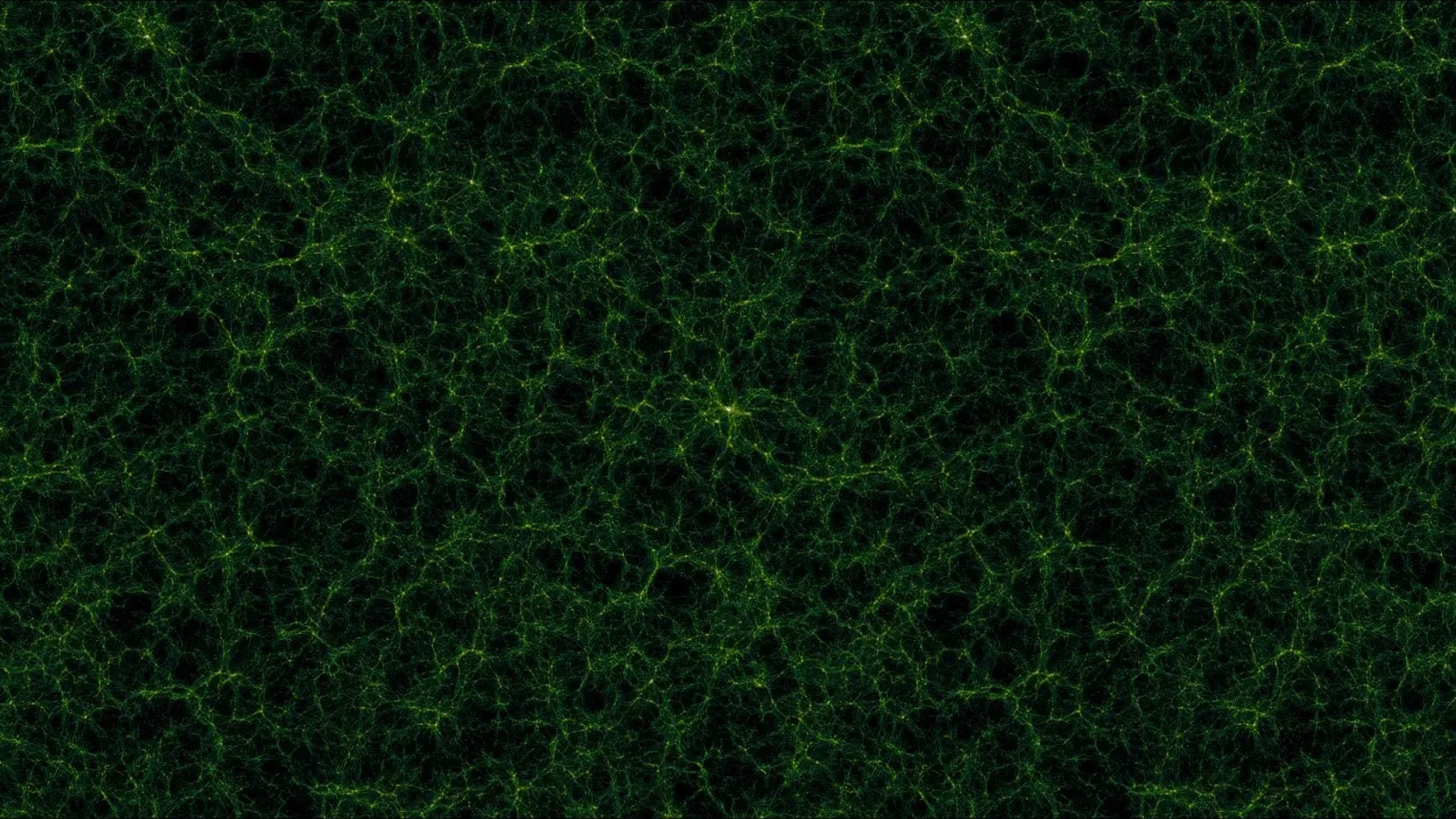
Starts With A Bang Is the Universe actually a fractal? On larger and larger scales, many of the same structures we see at small ones repeat themselves. Do we live in a fractal Universe?
Neuropsych Why your sleeping brain replays new rewarding experiences Participants’ brains revealed they were doing a kind of “neural replay” of the game they had been manipulated to win.
The Past How urine led to the foundation of chemistry One alchemist’s search for a whiz-bang method to produce gold unlocked the central science instead.
The Long Game The Rory Sutherland interview: Bees, magic, and the folly of “Laplace’s demon” Why the advertising legend — and author of Alchemy — believes that inefficiency can be genius and insects can unlock innovation.
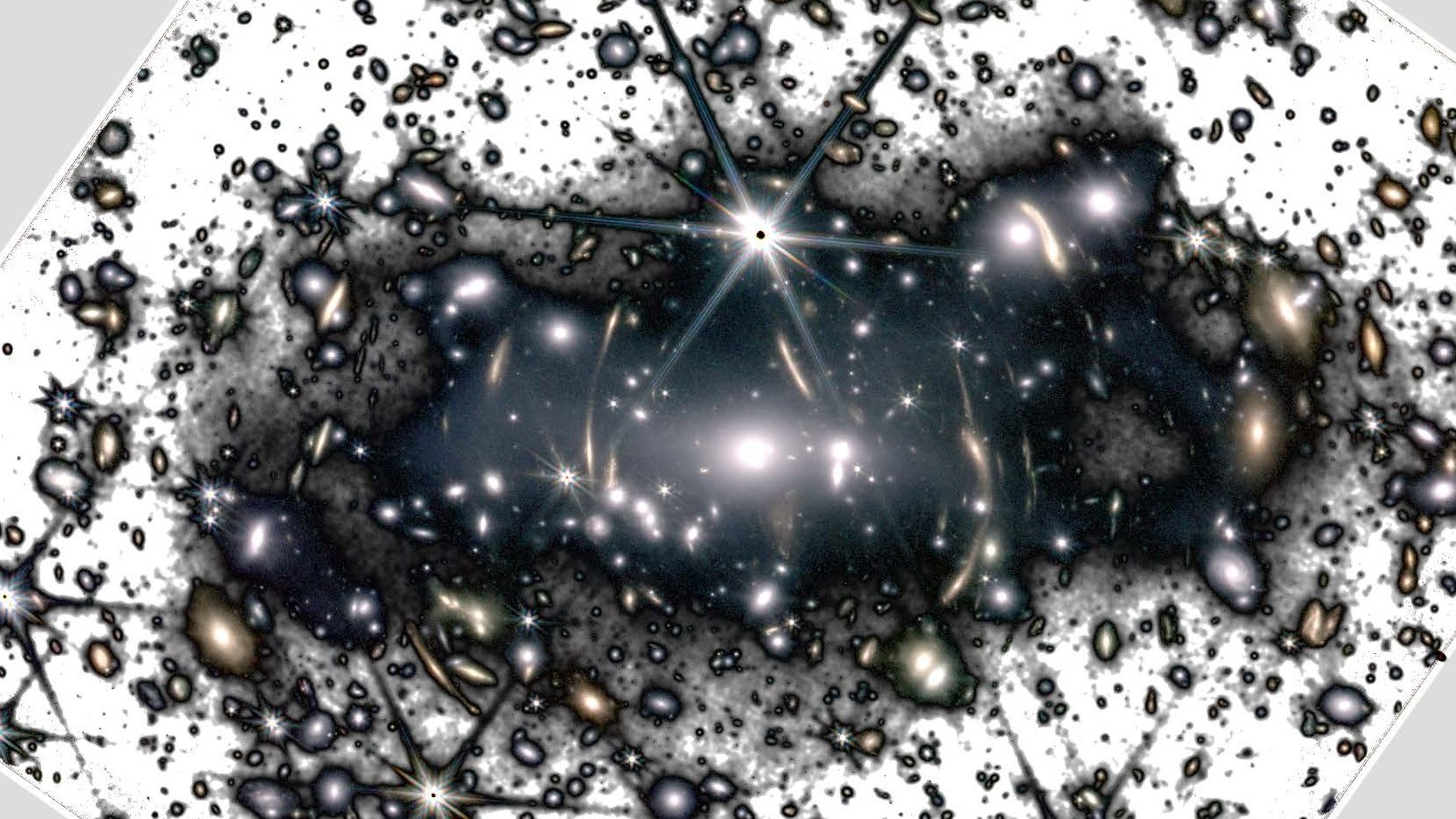
Starts With A Bang This weird JWST trick lets us “see” dark matter It’s not only the gravity from galaxies in a cluster that reveals dark matter, but the ejected, intracluster stars actually trace it out.
The Present Google’s $1 billion bet on Africa’s digital future With undersea cables, AI education, and more, the tech giant is helping create Africa’s “digital decade.”
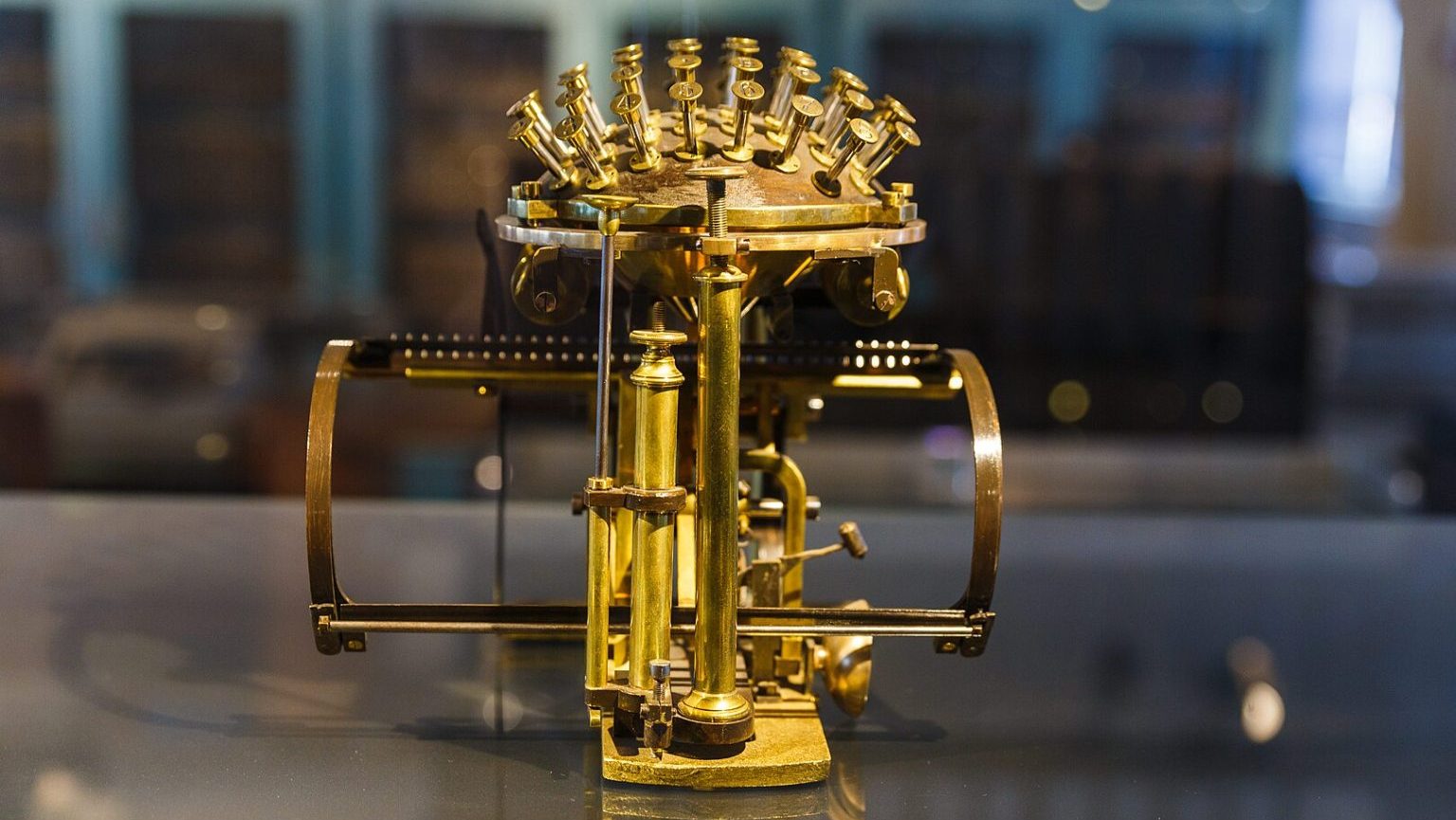
The Past How typing transformed Nietzsche’s consciousness The Malling-Hansen writing ball, with its potential and limitations, redefined Nietzsche’s philosophical and creative expression.
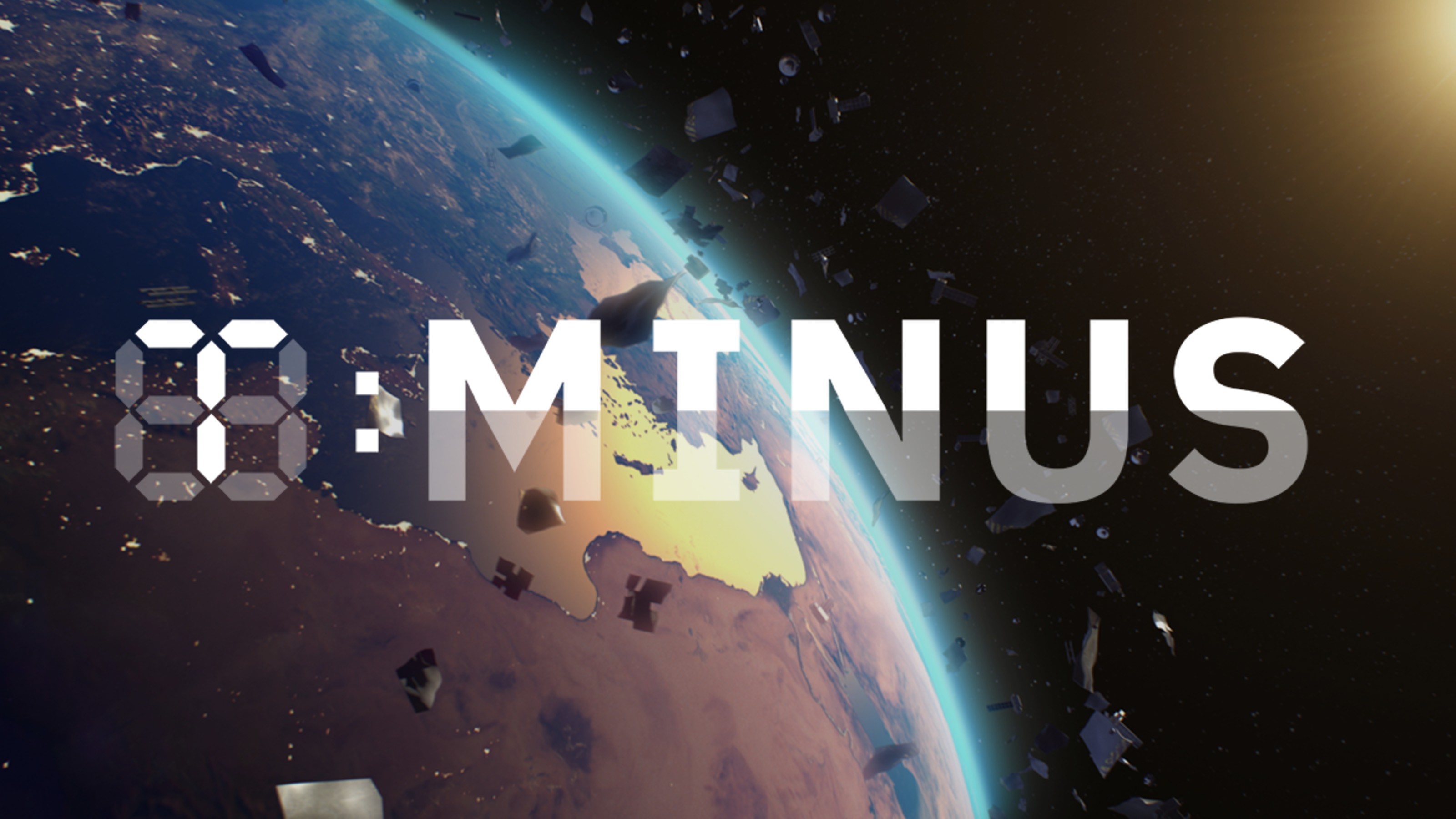
The Future T-Minus: Kessler Syndrome Experts answer 10 big questions about the nightmare scenario that could send us back to the pre-Space Age.
13.8 From global to planetary: Is new governance needed in a post-Holocene world? The nation-state had a good run, but its usefulness may have come to an end.
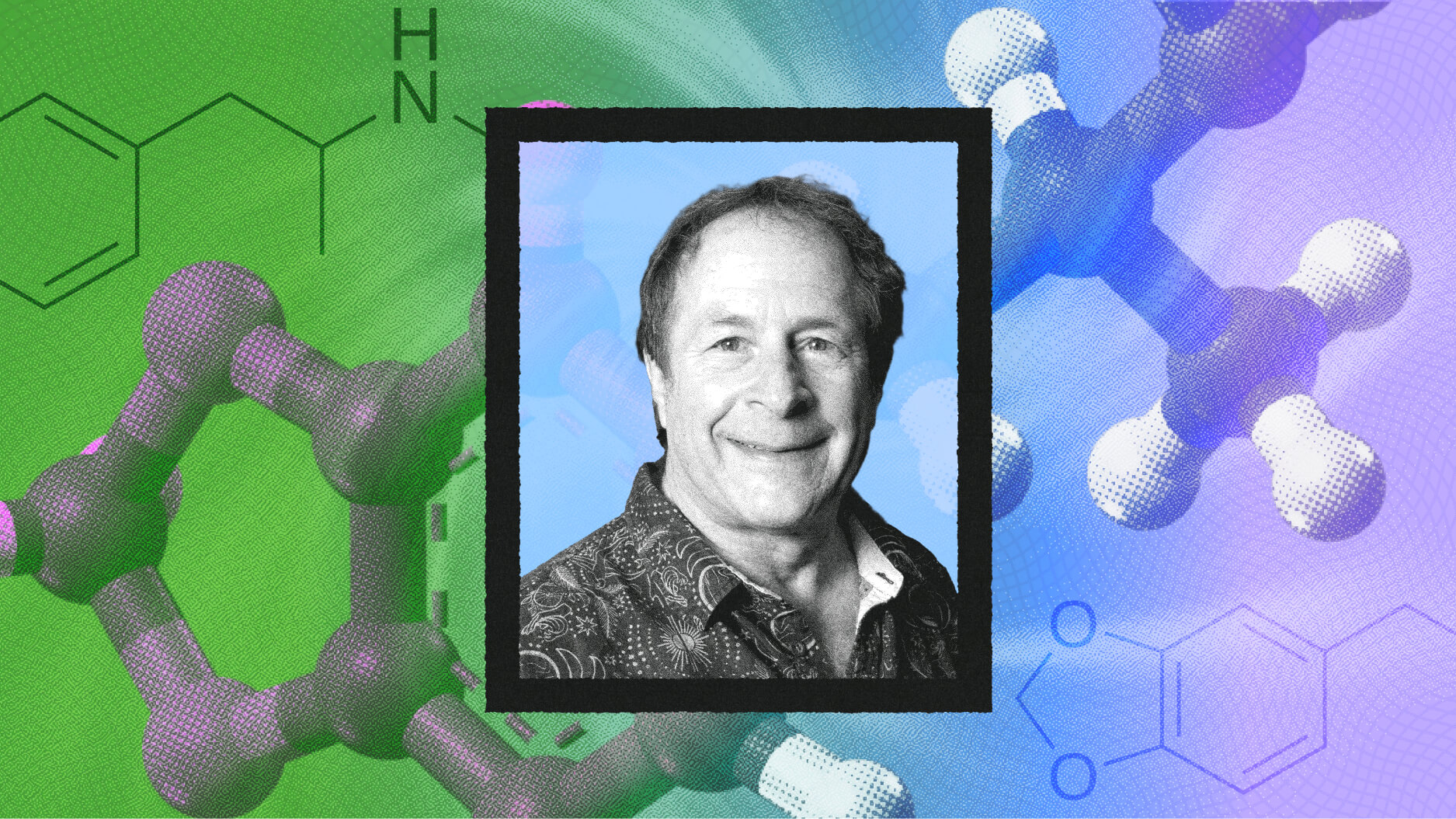
The Present Inside the battle for FDA approval of MDMA therapy MAPS founder Rick Doblin speaks to Big Think about the FDA’s rejection of MDMA therapy and the future of psychedelic treatments.
Business Heidegger’s “mood theory” explains why you do anything at all You’re a moody person. You have to be — because understanding moods philosophically can be crucial to your work-life.
Starts With A Bang Ask Ethan: Could SETI detect a “twin” of Earth? Earth is actively broadcasting and actively searching for intelligent civilizations. But could our technology even detect ourselves?
The Present Can science solve the poverty problem? An evidence-based policy movement is arming the fight with tools and programs that are more effective than ever before.