Big Animals Adjust To City Life, Just Like Their Smaller Predecessors
Article written by guest writer Kecia Lynn
What’s the Latest Development?
At a symposium held at Ohio State University, urban ecologist Stan Gehrt presented the results of a 12-year study involving almost 700 coyotes living in and near cities, including Chicago. By tracking the coyote communities over them, he and his team discovered they were thriving and that “[t]he survival rate of coyote pups in urban areas is five times higher than those of rural pups.” Gehrt says this points to a surprising adaptability to urban environments: “We used to think only little carnivores could live in cities, and even then we thought that they couldn’t really achieve large numbers…[They] are much more flexible than we gave them credit for.”
What’s the Big Idea?
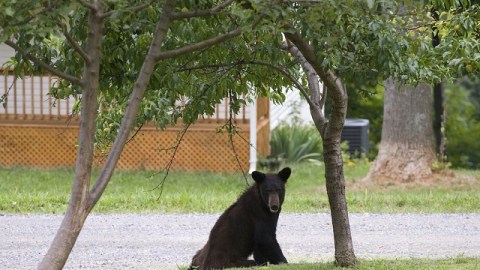
The coyotes are only the latest urban animal immigrants, following the path left by skunks and raccoons years before. However, what’s on their heels may very well be larger carnivores like wolves, mountain lions, and bears. Once rare sights in cities, these animals will most likely increase in number and adapt as well. Gehrt says that with the coyotes, community-sponsored eradication programs weren’t permanent solutions: “You pull them out, and literally within just a few weeks, new coyotes moved in and set up [a] new pack and began reproducing right away.”
Photo Credit: Shutterstock.com