China to Relocate 250 Million Peasants to Megacities
What’s the Latest Development?
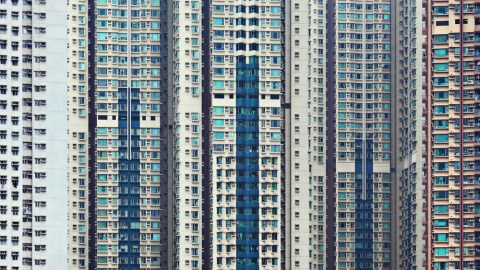
A massive urban development program, in which the Chinese government aims to relocate 250 million peasant farmers to burgeoning urban centers, is set to begin in earnest this fall. “The government, often by fiat, is replacing small rural homes with high-rises, paving over vast swaths of farmland and drastically altering the lives of rural dwellers. So large is the scale that the number of brand-new Chinese city dwellers will approach the total urban population of the United States — in a country already bursting with megacities.” While consistant with the government’s history of social engineering policies, the urbanization plan reverses previous emphasis on farmers’ land rights.
What’s the Big Idea?
While China’s urbanization policies are aimed at growing the economy, aging members of society and much of its youth may struggle to find employment in unfamiliar urban settings. “In theory, new urbanites mean vast new opportunities for construction companies, public transportation, utilities and appliance makers, and a break from the cycle of farmers consuming only what they produce. ‘If half of China’s population starts consuming, growth is inevitable,’ said Li Xiangyang, vice director of the Institute of World Economics and Politics, part of a government research institute. ‘Right now they are living in rural areas where they do not consume.'”
Photo credit: Shutterstock.com