Mosquitos Inspire Revolutionary Cancer Treatment
What’s the Latest Development?
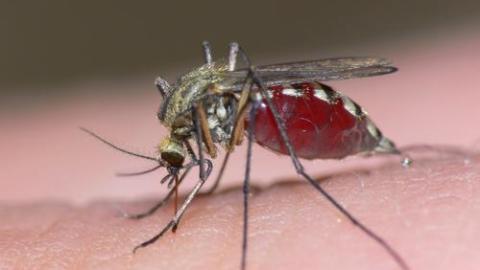
A team of engineers at Virginia Tech have taken a cue from nature in order to create a novel cancer treatment that delivers medicine to precise areas of cancerous tissue. Just as the mosquito injects its microneedle several millimeters deep into the human skin, engineers have developed a fiber-optic needle “the same size and shape of a mosquito’s stinger.” The needle is less than the width of a human hair—just 40 microns thick—and very sharp. “It can inject fluids directly into a tumor—delivering things like conventional chemotherapy drugs or more-cutting-edge nanoparticles.”
What’s the Big Idea?
The fiber-optic microneedle device, or FMD, can also deliver light from powerful lasers, killing cancer tissues up close. And by using the needle to inject light-absorbing nanoparticles into infected tissue, medical professionals can better control the precision of targeted light treatments. The FMD represents “two cancer-fighting treatments combined into one medical device to find and destroy unwanted tissue. This fiber-optic microneedle device is the basis for a whole series of experimental technologies that may one day change the way doctors treat cancer patients.”
Photo credit: Shutterstock.com