Fetal Cells Gone Wild
What’s the Big Idea?
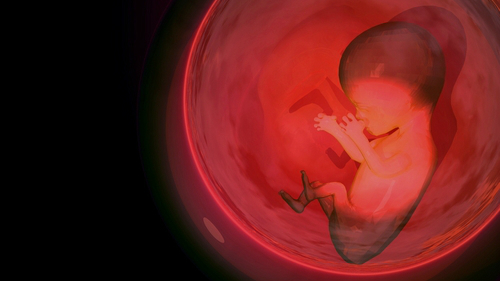
Within any woman who has ever been pregnant, some of her baby’s cells may live for as long as she lives. During pregnancy and childbirth, cells migrate across the placenta in both directions: from fetus to mother, and vice versa. In the mom, fetal cells may take residence in her lungs, spinal cord, skin, thyroid gland, liver, intestine, cervix, gallbladder, spleen, lymph nodes, and blood vessels, among other body parts. Incredibly, fetal cells may even live on in her heart and mind. This phenomenon is called fetal microchimerism. Its root, chimera, is an animal in Greek mythology, composed of the body parts of many animals. In a way, we are all are chimeras — and mothers are the most complex of all.
What’s the Significance?
When fetal cells are good, they are very, very good. Fetal stem cells have been found to migrate to the sites of injury, where they differentiate—morph —into the mother’s tissues, helping to repair and rejuvenate them. They may help protect mothers from some forms of cancer. They may cross the blood-brain barrier and potentially generate new neurons. Might we someday use fetal stem cells, harvested from blood or organs, to boost the brain, treat cancer and neurodegenerative diseases, and reverse the ravages of age? Still in its infancy, the research in fetal microchimerism has big potential.
Watch Jena Pincott explain fetal microchimerism in this video here:
Image courtesy of Shutterstock
Jena Pincott is the author of Do Chocolate Lovers Have Sweeter Babies?: The Surprising Science of Pregnancy.