You Learn Art by Studying Monuments of Its Own Magnificence
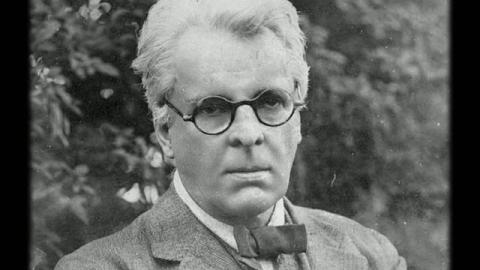
The best thing I know of about teaching art is in William Butler Yates’ great poem, Sailing to Byzantium. In the first draft he said, “There is no singing school, but studying monuments of its own magnificence.”
He doesn’t say there’s no singing school but going to an MFA program or to Julliard or to Conservatory. He says the way, indeed the only way, you learn singing or any other art is to study, not just sample or be exposed to, but to study. Not just things that are pretty good or not bad or that are in fashion this year, but monuments of the art’s magnificence. And that’s how you learn something.
If you want to make films, you’ll watch Kurosawa. If you want to… things I don’t know about, but I assume, you know, you want to play a violin, you listen to Seghetti. If you want to do anything in art, the way you learn is to really… I’m sure there are film making student watches a movie and is aware of many, many things that I’m not. Same with somebody who has ambition to play in the NBA, I watch a basketball game; I enjoy it. Somebody who really wants to learn to play is studying whatever is most magnificent that’s going on out there.
In Their Own Words is recorded in Big Think’s studio.
Image courtesy of Shutterstock