How Neuroscience Is Challenging Our Conception of Justice
What’s the Latest Development?
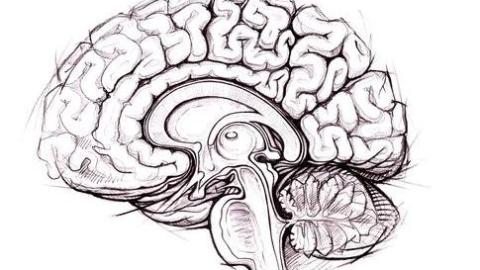
Since a US judge first allowed the presentation of EEG scans in court in 2005, the role of neuroscience has become more relevant across a wide spectrum of the law. In some cases, it has been deftly but poorly used by lawyers working to exonerate their clients, arguing that “intervening” neural circumstances somehow make them less culpable for their crime. But in other cases, that claim may hold weight. By better understanding how the brain develops into an “adult brain”, we might gain better insight into how age relates to culpability, perhaps requiring us to modify the arbitrary line drawn at 18 years.
What’s the Big Idea?
Many scientists maintain that EEG scans, and the like, remain too imprecise to assess an individual’s guilt, and that the technology is limited to making general statements about large groups of people. Brain scans are, however, helping us to understand guilt differently. It is possible, for example, that individuals could be taught to control their drug addictions by controlling their cravings, which first fire as impulses in the brain. David Eagleman, who runs the Initiative on Neuroscience and Law at Baylor University’s College of Medicine in Houston, says such an approach would be difficult to implement because it cuts against the punitive function of our criminal-justice system.
Photo credit: Shutterstock.com