Now That’s Dedication: Brand Love Begets Logo Tattoos
What’s the Latest?
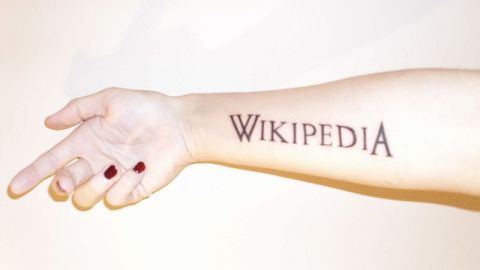
It wasn’t that long ago when tattoos were considered taboo in professional life, body art being the stuff of biker gangs and punk rockers. But as Benjamin Voyer explains at The Washington Post, the era of tattoos representing fringe culture exists firmly our cultural rear view mirror. As tattoos settle into a new state of societal ubiquity, new body art trends have emerged as wider swaths of the population dabble in ink. Among these — and the focus of Voyer’s piece — is corporate tattoos. Do you love a brand enough to put it on your body?
What’s the Big Idea?
Voyer cites Harley Davidson as a company that’s long been found on the triceps of aficionados who have built social subcultures around their relationship to the brand. Sports fans have also been known to show their dedication by inking their favorite teams’ logos on their bodies (sometimes in odd places). In a way, getting a tattoo is a like branding yourself; body art communications passions, priorities, and social place. But is there really such a subculture as “Pepsi drinker” or “Apple user?” Voyer believes that some folks who ink themselves with brand logos want to adopt the attributes associated with those brands. Someone with a Nike swoosh on their leg may want to communicate their athleticism. Another with a Nintendo tat might be solidifying their proud nerd self-image.
Keep reading at Washington Post
Photo credit: Juliana / Wiki Commons