Search
bigthinkeditor

Read Less
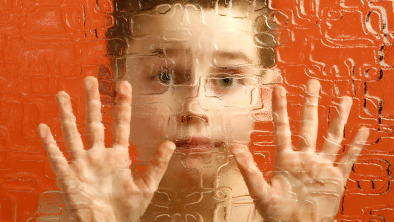
Autism science is making great strides, but it may never yield a single cure because autism is likely not one disorder but many.
Humans value love and friendship that aren't just forged by family ties or sexual attraction. Now researchers have determined that such friendships exist among some animals.
In a recent study, preference for idea generation was higher among ADHD participants, whereas preference for problem clarification was greater among non-ADHD participants.
Public libraries could be taken over by community and voluntary groups, who might actually run them more appropriately for local needs. And they might bring in some fresh ideas.
Has social psychology become a community that is bound together by liberal values and then blind to any ideas or findings that threaten our sacred values? Yes, says Jonathan Haidt.
Asking thousands of strangers if those jeans look good on you might not have seemed possible only a few short years ago, but now it’s only an app download away.
After decades of careful observation, scientists have figured out that there are a few things we do better when we're sleeping than when we're awake. Dealing with stress is one.
Part way through a revolution, only one thing seemed certain in Egypt: there is no longer an Arab exception to the worldwide desire for dignity, human rights, and possibly democracy.
Can a computer be "more human" than a human? The march of technology isn’t just changing how we live, it’s raising new questions about what it means to be human.
It is a dirty little secret that even great companies have to fire the people who do not work out. It does not seem gracious or nice. But that can leave a false impression.
In embracing a victims-and-villains explanation of the recession, Americans are missing important lessons about the future of the U.S. economy, says Robert Samuelson.

The massive droughts in China underscore the fact that we're simply running out of the freshwater needed to sustain the earth's nearly 7 billion people. How can we fix this problem?

As WikiLeaks founder Julian Assange appears in court in London today in connection with sexual assault charges, Nobel prize-winning economist Michael Spence discusses the real costs that WikiLeaks could inflict on society.

Are the revelations promised by string theory's quest for the "Theory of Everything" leading physics in the wrong direction?
The competitiveness pact put forward by Angela Merkel and Nicolas Sarkozy to end the crisis is ambitious, but threatens the social traditions of most European countries, warns El País.
How and why the Pentagon embraced the once-dreaded business of nation-building, and the “tectonic shift” that this new mission portends for American foreign policy.
Official groups and allied militia, frequently attack dissidents. It has now happened in Egypt. The most important Facebook page for the protests is being flooded with abusive comments.
Reality is discouraging, unproductive, disconnected, and broken in about a dozen other ways. Meanwhile, electronic games are already "fulfilling genuine human needs."
What happens to those chimps? Major ad agencies have pledged not to use great apes. Why won't CareerBuilder?
This incredible culture that seemed to be able to control the senses in a way through the architecture, through the features of Chavín, and these Strombus shell trumpets.