Search
David Ropeik
Retired Harvard Instructor, Author
David Ropeik is an award-winning broadcast journalist, a Harvard instructor, and an international consultant in risk communication and risk perception. He’s also the author of How Risky Is It, Really? Why Our Fears Don’t Always Match the Facts.
Read Less

Climate change doesn't have the emotional characteristics that make it truly deep-in-your-heart scary. Leaders will have to act anyway.

Cancer is the scariest disease, but not all causes of cancer frighten us equally.
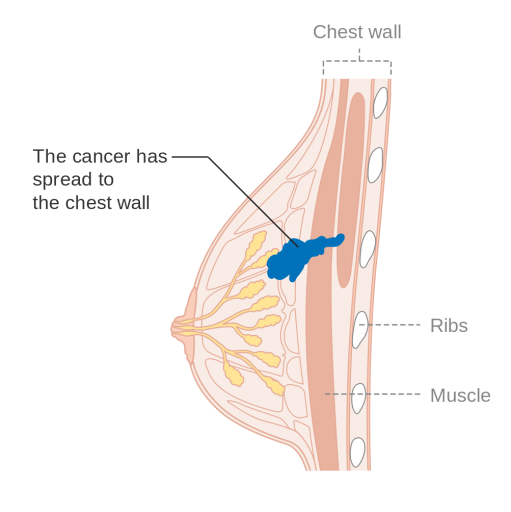
Research finds that some early screening for breast cancer may do more harm than good. But that’s what the numbers say. How will women feel?

Most Americans want reasonable gun safety laws, and in a democracy, the majority is supposed to win. Why isn't it working that way with gun control?
Personal attacks on a speaker, especially about their funding, are a sign that the attacker can't dispute the facts the speaker is presenting. Beware the attacker too.
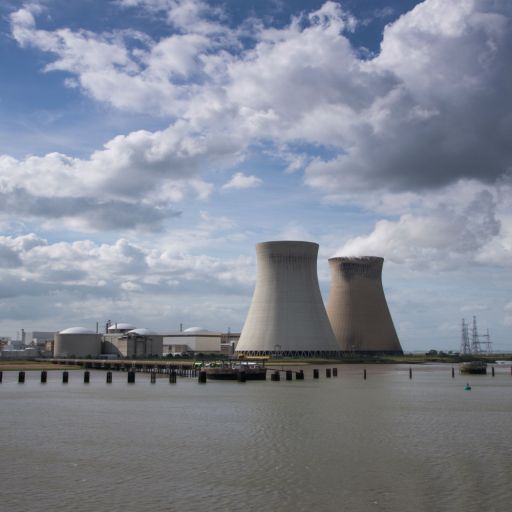
The Nuclear Regulatory Commission has dropped a study on whether living near a nuclear plant increases the risk of cancer. Criticism of this decision is predictable, but unwarranted. The study would only have found what other research has shown. There is no link
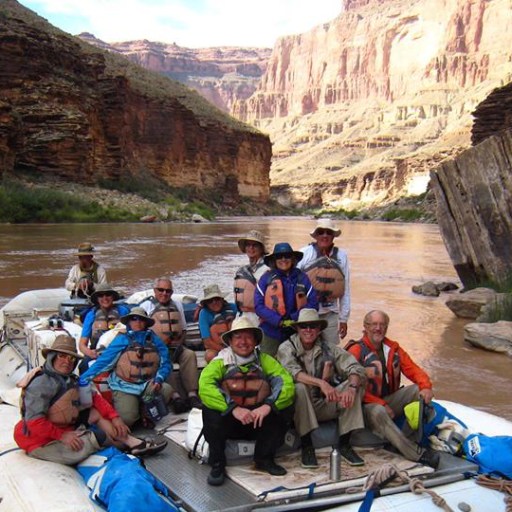
Twenty-one strangers with different values and views, thrown together on a Grand Canyon rafting trip, managed to set aside those differences and build community.

The shooting of two charismatic animals stirred international outrage. But a more important event to the developing world concern with animal welfare was publication of Carl Safina's Beyond Words, What Animals Think and Feel.
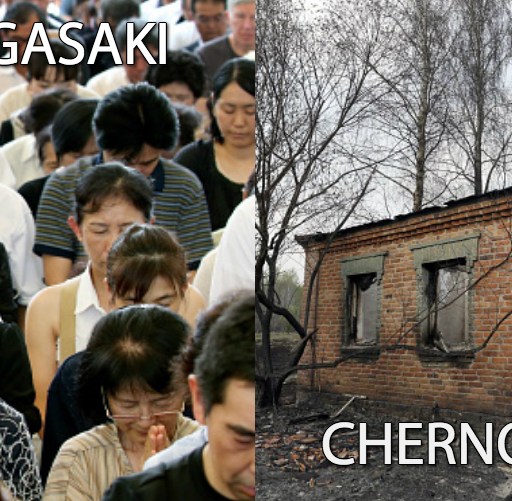
"30 years after, Hiroshima and Nagasaki are bustling cities. 30 years after Chernobyl, abandoned city. What's the difference?"
Nuclear weapons do horrific widespread damage. Nuclear radiation, even at high doses, does not. But fear of radiation does. We have the survivors of the bombings of Hiroshima and Nagasaki to thank for these lessons. We should honor their suffering by remembering both.

There are fair quarrels with the details of the Obama Administration plan to reduce greenhouse gas emissions from power plants. But beyond the details, the fact that such a major step is being taken in the first place is a hopeful sign that our leaders can lead with reason and wisdom, and not just follow public opinion and emotion, as we try to find a more sustainable path to the future.
A decision requiring cellphone retailers to warn customers of possible radiation risk typifies the emotion-based way that democracy can supersede intelligent government risk policy-making.
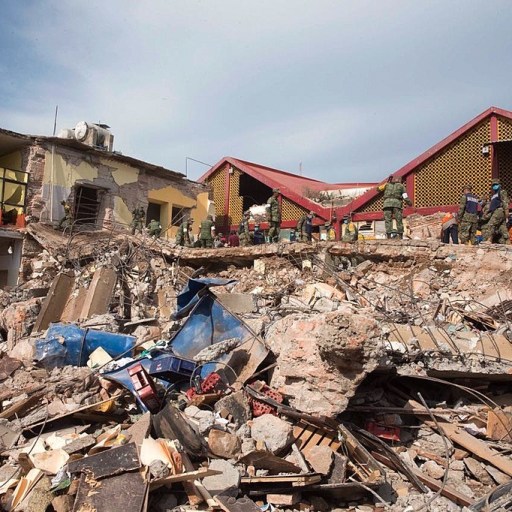
A terrific story about the physical threat of a major earthquake in the Pacific Northwest fails to explain why people don't seem alarmed. That lack of alarm puts the public at risk as much as the shaking Earth itself, and should be part of the story.
Most reporting about risk hypes the danger but doesn't provide all the information the reader needs to put the actual threat in perspective. So when balanced risk reporting shows up, it should be praised.
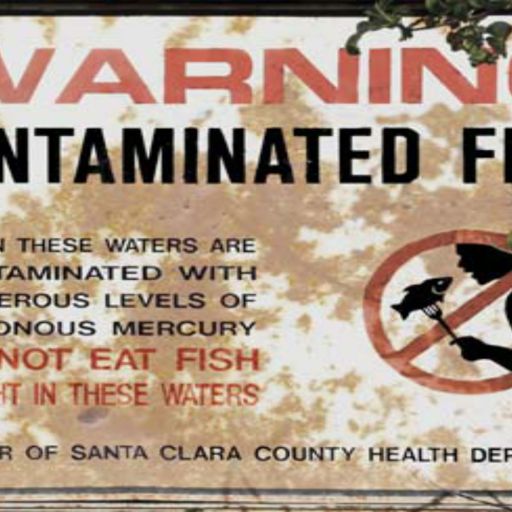
Public apprehension about the health effects of mercury FAR exceeds the actual danger. Why, and what are the health impacts of that fear!?
There is no clearer teaching example of the emotional nature of the way we perceive risk than the annual Summer of the Shark feeding frenzy of fear in the media when a few shark attacks grab the headlines.
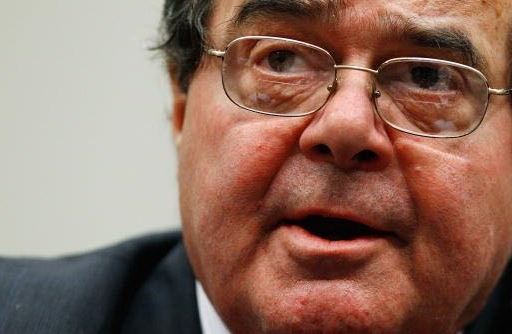
With angry tribal polarizing language, Supreme Court Justice Antonin Scalia challenges the very right of the Supreme Court to judge cases that require interpretation of Constitutional Law.
The pope laments the state of the environment, but he also decries the naive central environmentalist belief that humans are separate from nature and the villain in a simple myth of US (humans) against True Nature.
Pope Francis' message on the environment is actually a radical call for humans to accept a more modest material lifestyle, and for a major redistribution of the world's wealth and power. That's great stuff for a sermon, but not so helpful as a practical guide for achievable change.
Pope Francis's moving plea to save life on Earth from a dystopian future calls on people to sacrifice some material comfort, live more modestly, and recognize that we share a common home and have a responsibility to the future. Given the nature of the human instinct to survive and prioritize ourselves over others and the immediate over the future ... good luck with that, your Holiness.