Search
Ethan Siegel
A theoretical astrophysicist and science writer, host of popular podcast “Starts with a Bang!”

Ethan Siegel is a Ph.D. astrophysicist and author of "Starts with a Bang!" He is a science communicator, who professes physics and astronomy at various colleges. He has won numerous awards for science writing since 2008 for his blog, including the award for best science blog by the Institute of Physics. His two books "Treknology: The Science of Star Trek from Tricorders to Warp Drive" and "Beyond the Galaxy: How humanity looked beyond our Milky Way and discovered the entire Universe" are available for purchase at Amazon. Follow him on Twitter @startswithabang.
Read Less
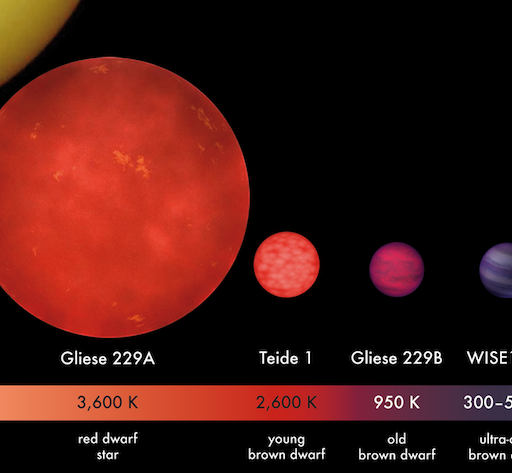
Between the least massive star and most massive planet lies the mysterious brown dwarf: a class of objects that are neither star nor planet.
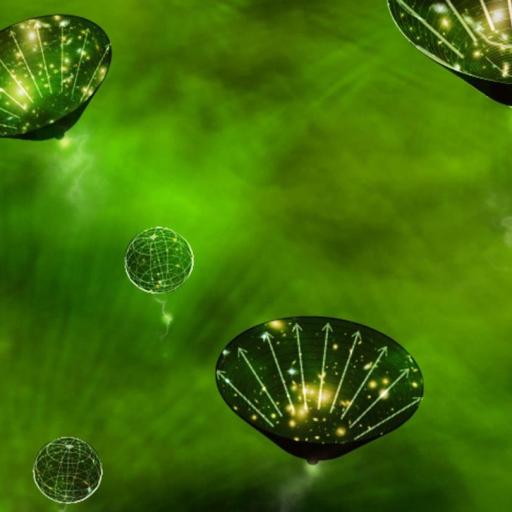
From the Big Bang to black holes, singularities are hard to avoid. The math definitely predicts them, but are they truly, physically real?
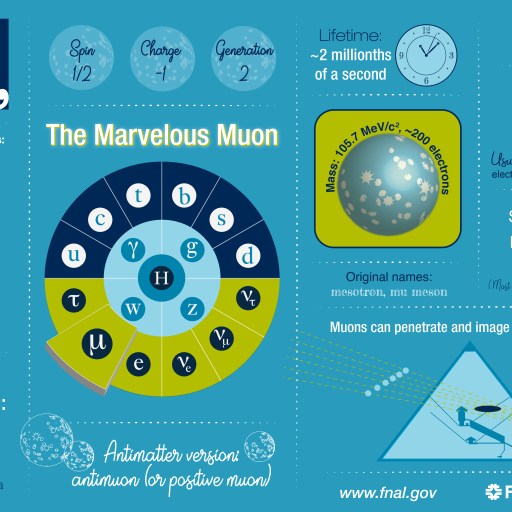
From unexplained tracks in a balloon-borne experiment to cosmic rays on Earth, the unstable muon was particle physics' biggest surprise.
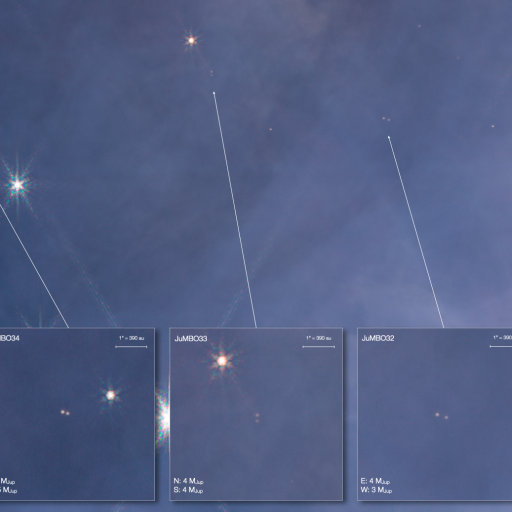
In the largest star-forming region close to Earth, JWST found hundreds of planetary-mass objects. How do these free-floating planets form?
2023's Nobel Prize was awarded for studying physics on tiny, attosecond-level timescales. Too bad that particle physics happens even faster.
With so many early galaxies of unexpectedly large brightnesses, JWST surprised us all. Here's how scientists made sense of what we see.

With such a vast Universe and raw ingredients that seem to be everywhere, could it really be possible that humanity is truly alone?
If nature were perfectly deterministic, atoms would almost instantly all collapse. Here's how Heisenberg uncertainty saves the atom.
Our greatest tool for exploring the world inside atoms and molecules, and specifically electron transitions, just won 2023's Nobel Prize.
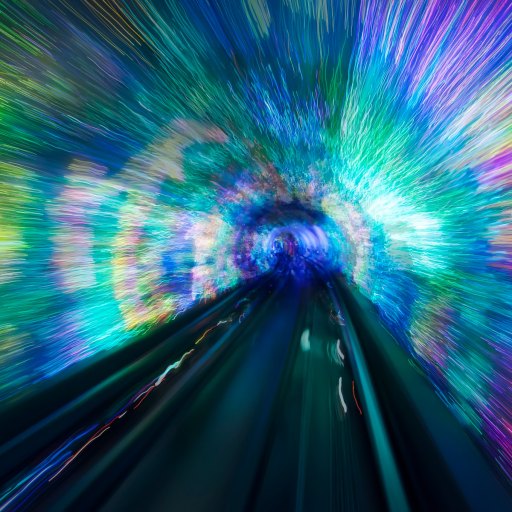
In the quest to measure how antimatter falls, the possibility that it fell "up" provided hope for warp drive. Here's how it all fell apart.
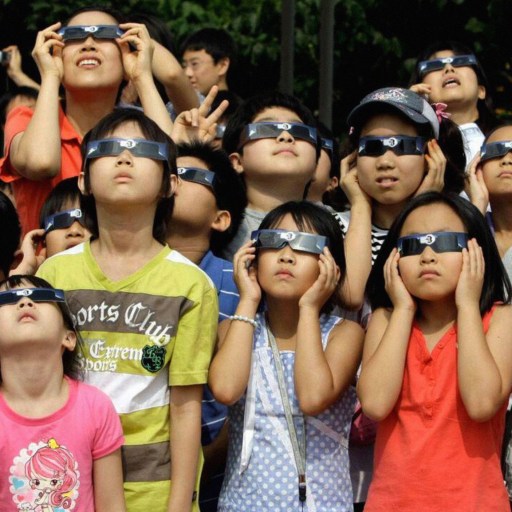
On Saturday, October 14, a solar eclipse crosses North and South America. Here are 4 quick, easy, low-tech activities for everyone to enjoy!
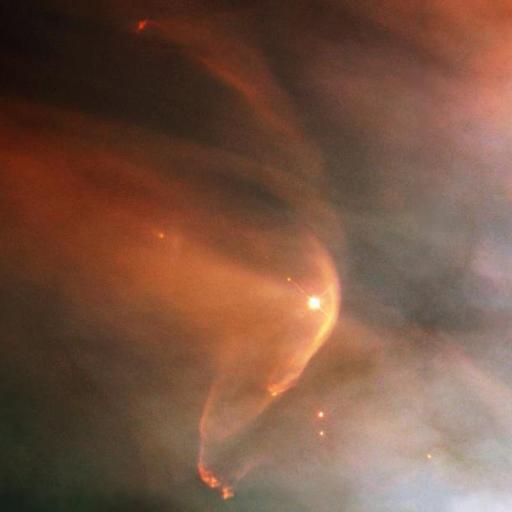
The laws of physics don't prefer matter over antimatter. So how can we be certain that distant stars & galaxies aren't made of antimatter?
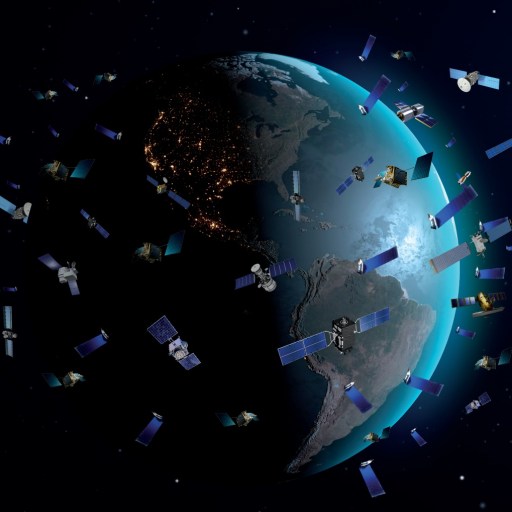
Space weather poses a tremendous threat to all satellites, knocking all computer systems offline. Is that a recipe for Kessler syndrome?
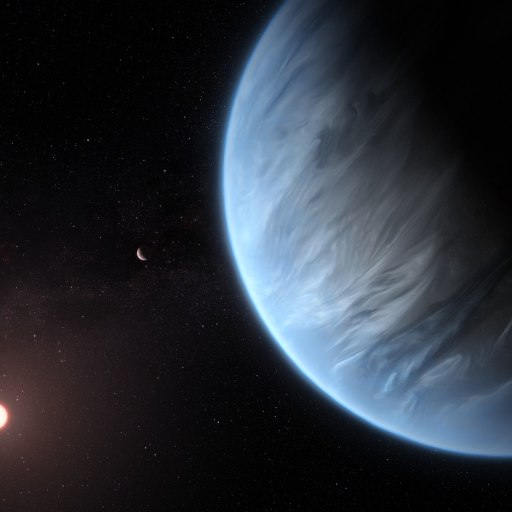
Some fascinating observations of K2-18b have come along with horrendous, speculative communications. There's no evidence for oceans or life.
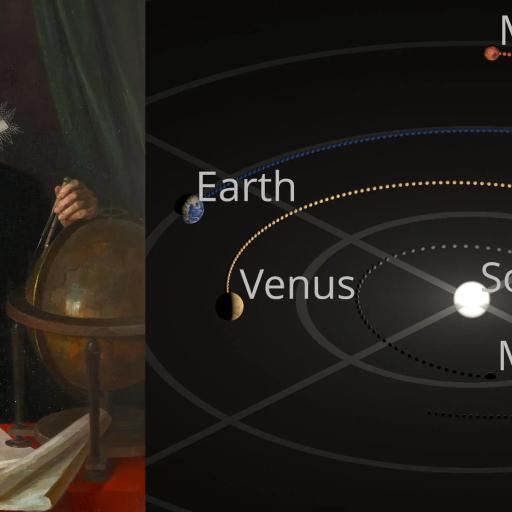
How can you maximize the amount of love and happiness in your life? One of history's greatest scientists found the answer: with math.
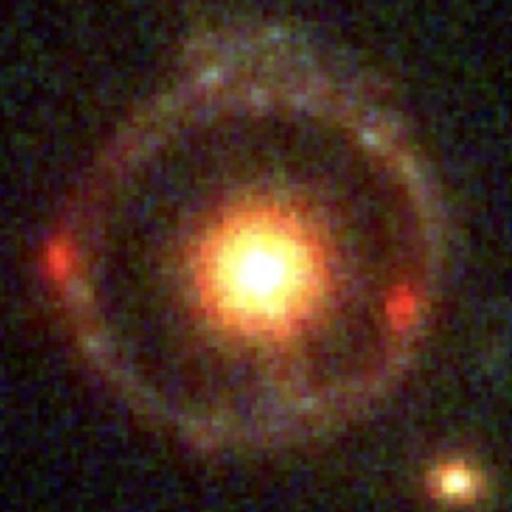
A more distant galaxy liked the lens so much that it went and put a ring on it. Here's the science behind this remarkable cosmic object.
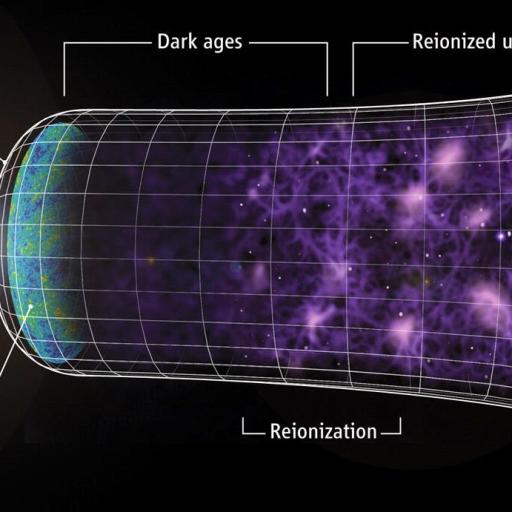
The hot Big Bang was an energetic, brilliantly luminous event. Today's Universe is alight with stars. But in between, the dark ages ruled.

An enormous amount of antimatter is coming from our galactic center. But the culprit probably isn't dark matter, but merely neutron stars.
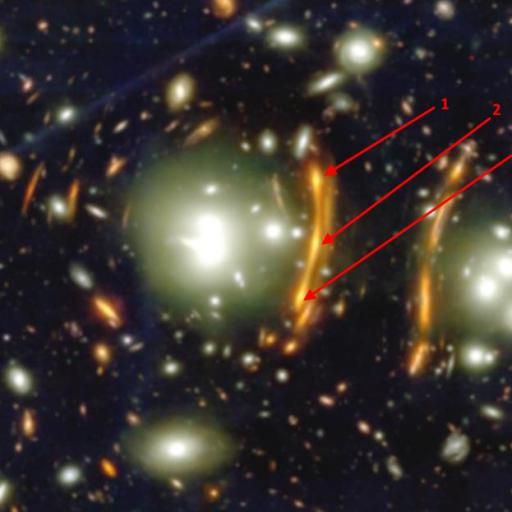
Named "Supernova H0pe," it shows how JWST plus gravitational lensing can be used to solve the greatest puzzle facing astronomy today.
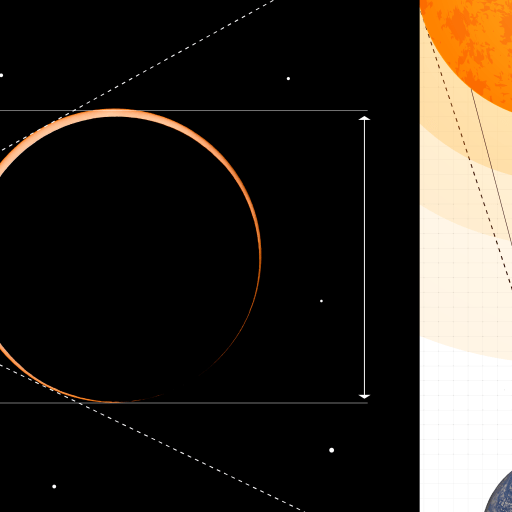
An annular eclipse is coming to Earth on October 14, 2023. Six months later, a total solar eclipse is headed our way. Here's the reason why.