Search
Ethan Siegel
A theoretical astrophysicist and science writer, host of popular podcast “Starts with a Bang!”
Ethan Siegel is a Ph.D. astrophysicist and author of "Starts with a Bang!" He is a science communicator, who professes physics and astronomy at various colleges. He has won numerous awards for science writing since 2008 for his blog, including the award for best science blog by the Institute of Physics. His two books "Treknology: The Science of Star Trek from Tricorders to Warp Drive" and "Beyond the Galaxy: How humanity looked beyond our Milky Way and discovered the entire Universe" are available for purchase at Amazon. Follow him on Twitter @startswithabang.
Read Less
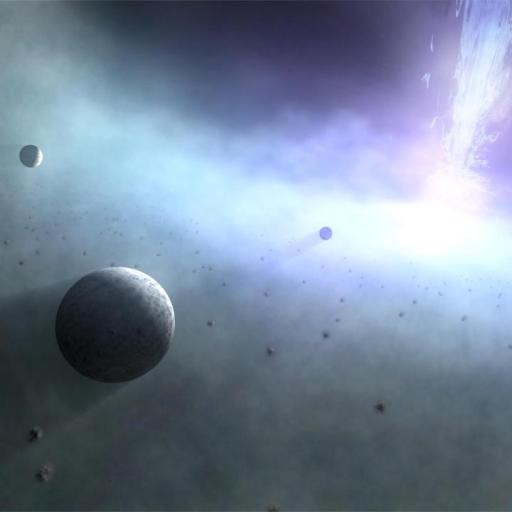
Are the stellar remnants in our cosmic backyard actually our parents and grandparents?
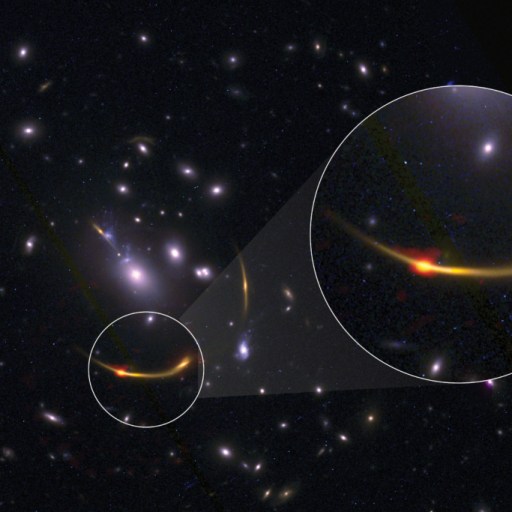
The most massive galaxies lost their star-forming material very early on and never got it back.
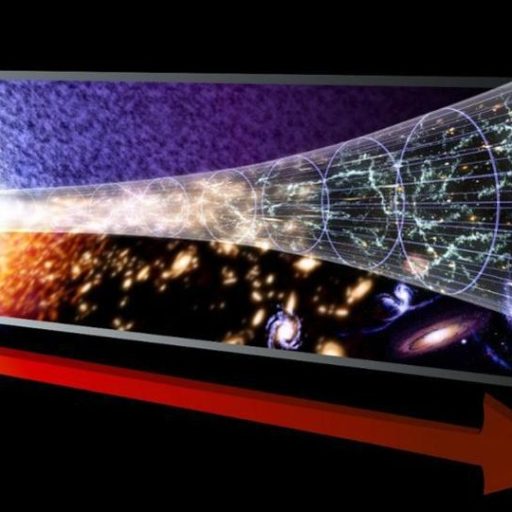
Everything else in the universe is either a particle or field. Dark energy behaves as neither, and it may be a property inherent to space itself.
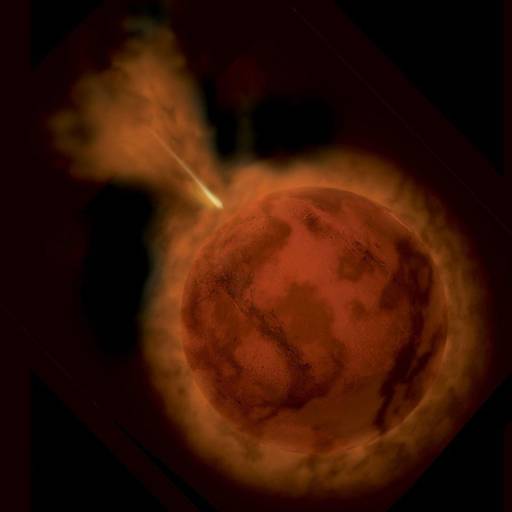
Phobos and Deimos only have two explanations, and neither one adds up.
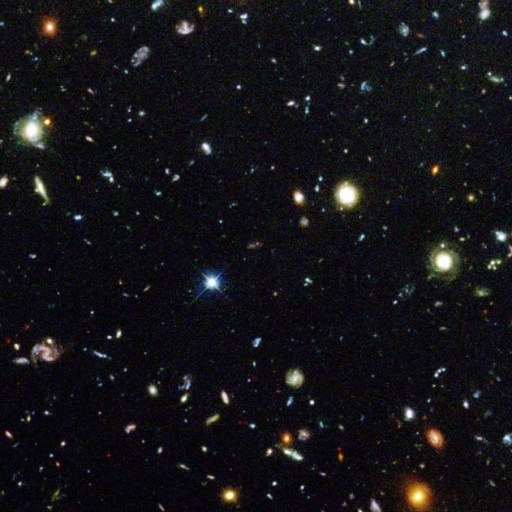
But the upcoming James Webb Space Telescope compels us to add, “so far.” Beginning with its 1990 launch, NASA’s Hubble Space Telescope revolutionized our conception of the Universe. This photo of […]
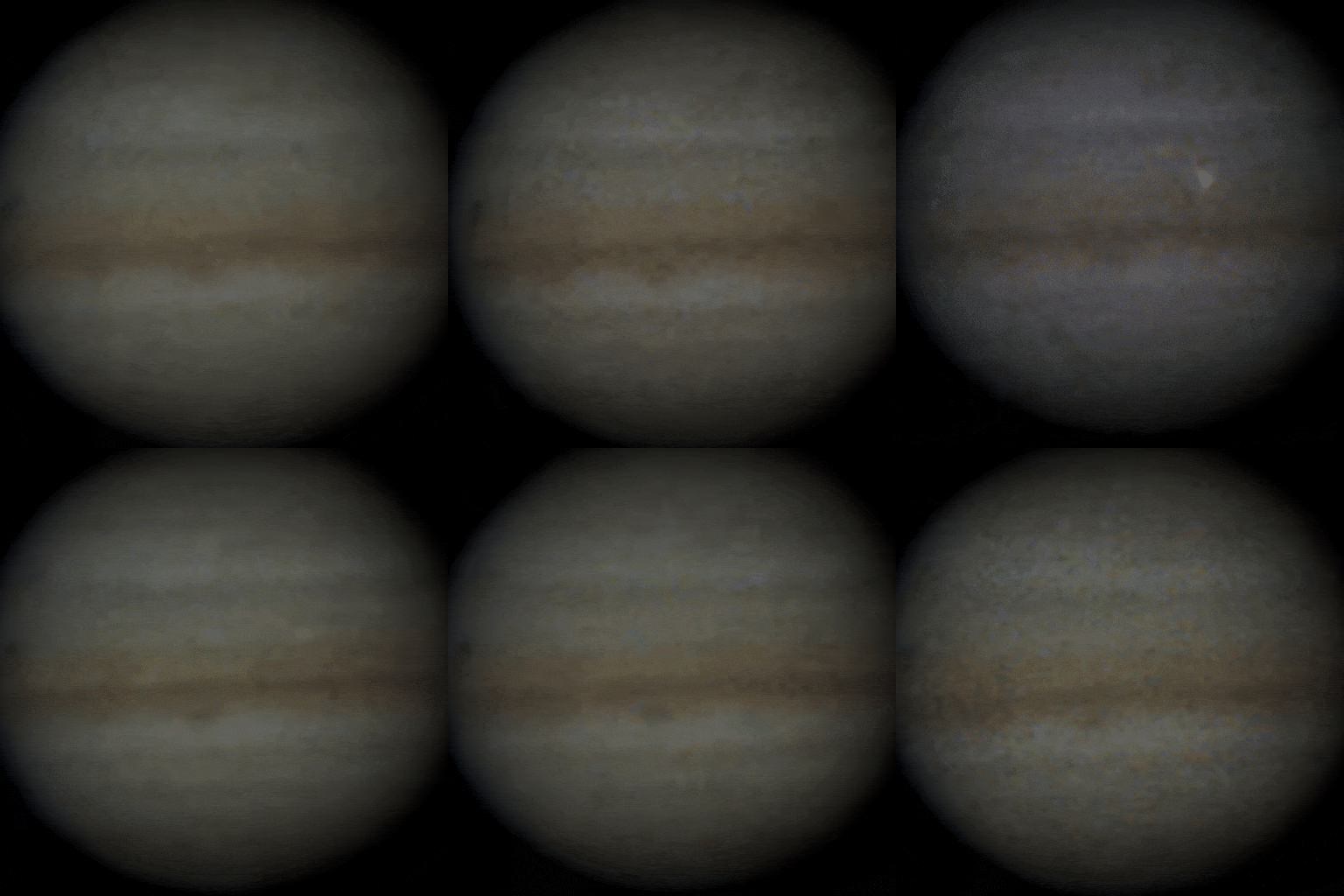
Even with all the recent impacts we've seen, it might be more "foe" than "friend" to us.
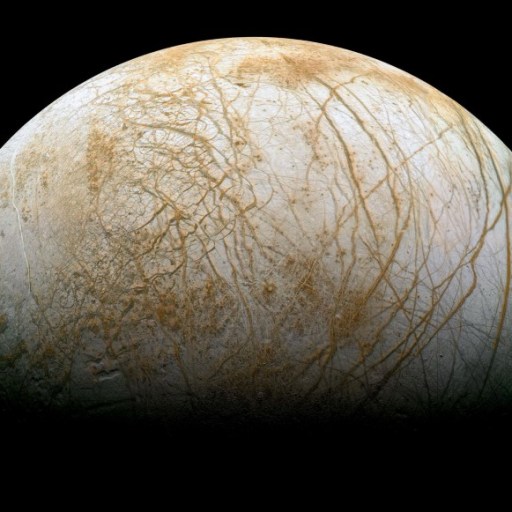
How the search for alien life is taking place right here in our own Solar System. If you want to understand the origin of life in the Universe, you have three […]
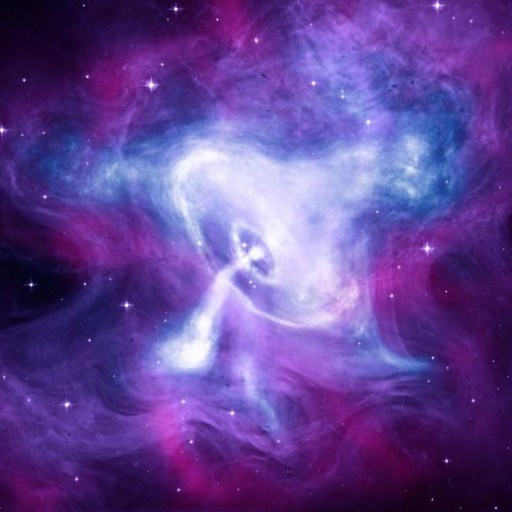
The highest-energy particles of all come from space, not human-made colliders. When it comes to the most energetic particle collisions of all, you might think that the Large Hadron Collider […]
Is the time crystal really an otherworldly revolution, leveraging quantum computing that will change physics forever?

Without these two elements, we’re doomed to fail. In this day and age, it’s virtually impossible to have sufficient expertise to figure out what the complete, comprehensive, scientifically validated truth surrounding […]

An exclusive interview with physicist Lee Smolin reveals how abandoning Einstein's dream may have been a terrible mistake.
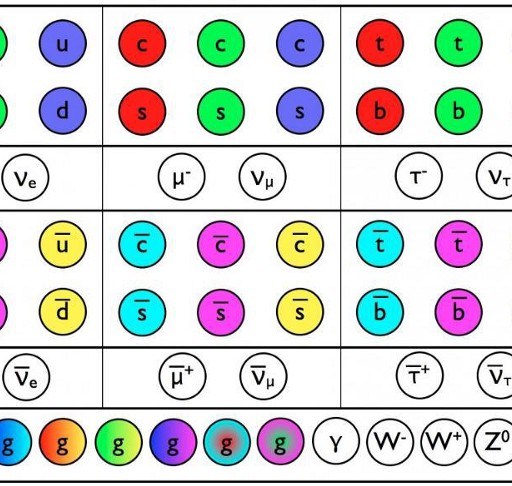
Why are the rest masses of fundamental particles related like this? When it comes to the nature of matter in the Universe, the Standard Model describes the known elementary particles perfectly […]
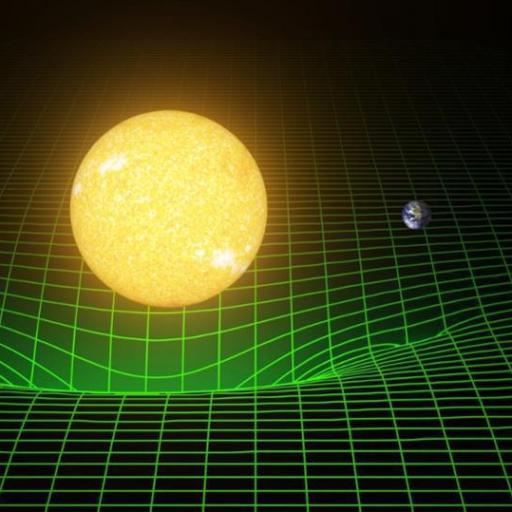
Mathematically, it is a monster, but we can understand it in plain English.

More energy means more potential for discovery, but we’re topped out. If your goal is to discover something completely novel, you have to look in a way that no one else […]
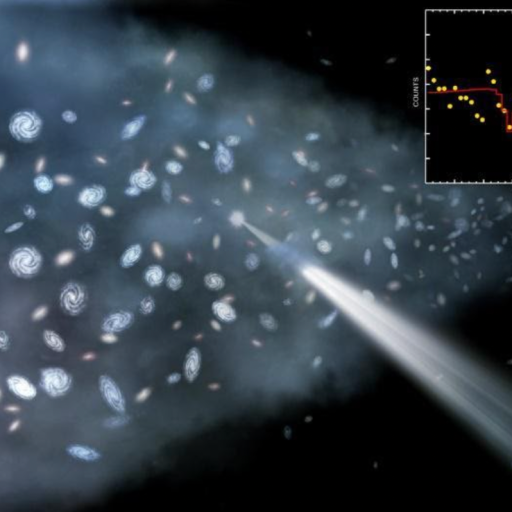
Signals from across the universe point toward a fascinating possibility.

If you had a clear western horizon, you had your shot at this view! On September 9, 2021, the Moon and Venus nearly overlapped. A simulated view of the post-sunset skies […]
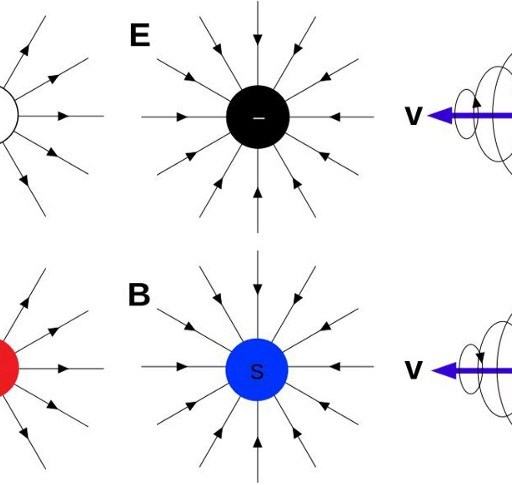
Once merely a theoretical curiosity, they might be the key to understanding so much more. Out of all of the known particles — both fundamental and composite — there are a whole slew of properties […]
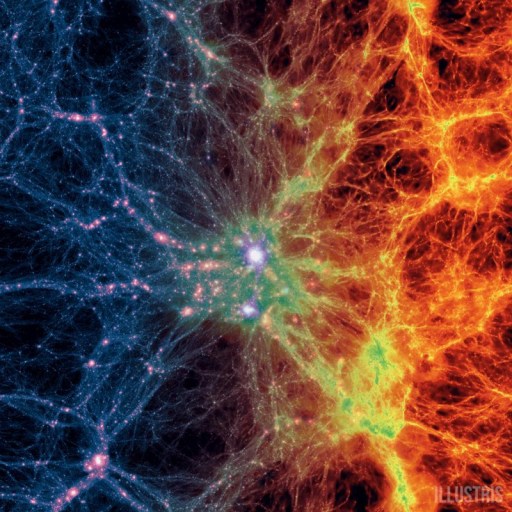
Whatever’s lurking out there, it isn’t all, or even mostly, normal matter. When it comes to the Universe, it’s only natural to wonder what, exactly, it is that makes everything up. […]
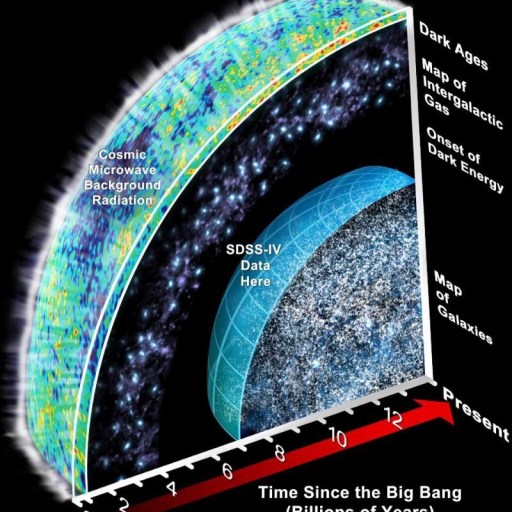
“Hubble’s Law” is only an approximation, and breaks down when we need it most. From anywhere in the Universe, you can choose to look out at any other galaxy that’s present. […]
The laws of physics aren’t changing. The Earth is. When it comes to any physical science, we know that the fundamental rules governing how the Universe works remain constant with time. […]