Faking Happy Faces
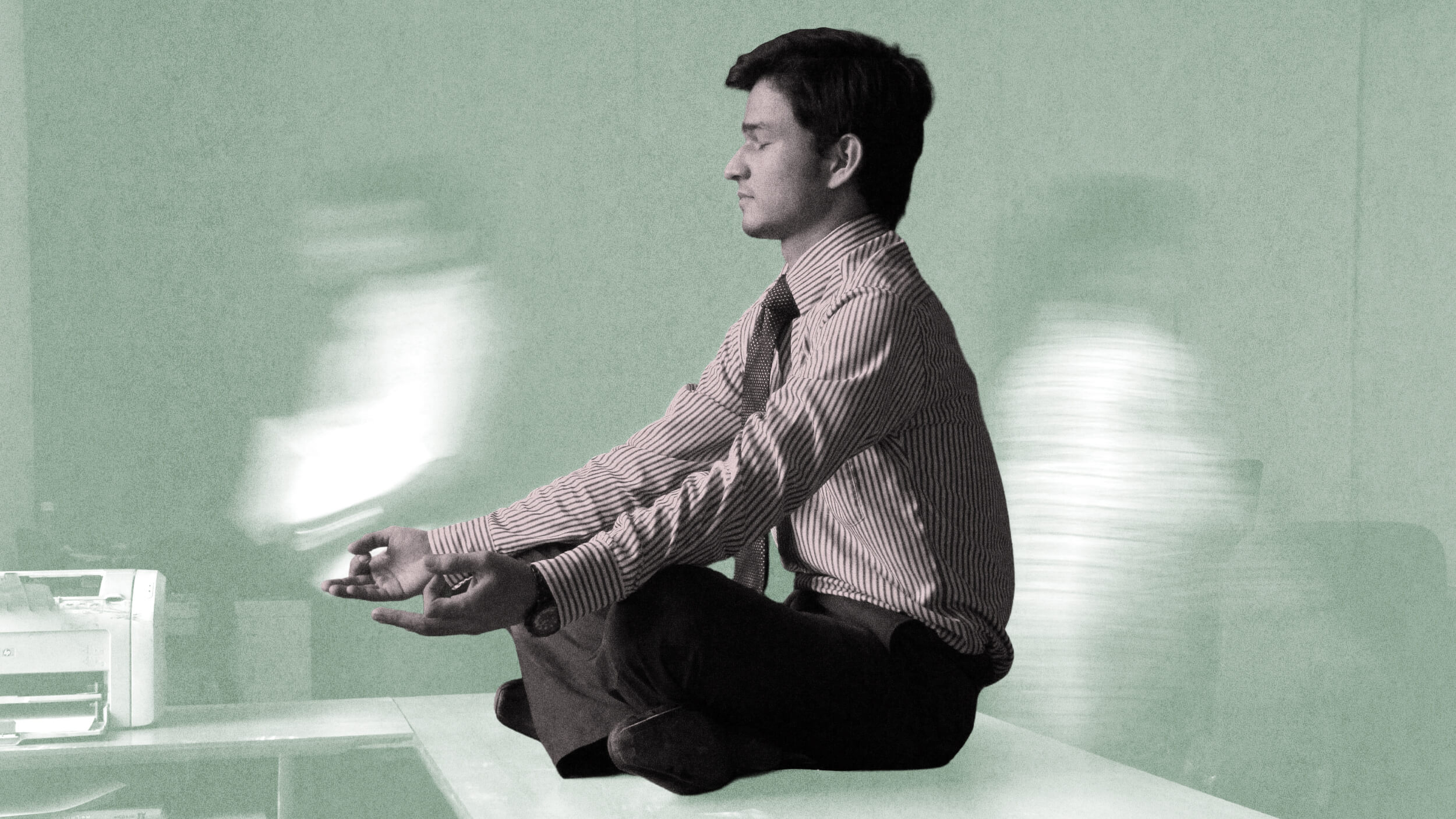
Why do we underestimate others’ misery while knowing most of our own negative experiences happen in private, and we frequently put on a brave, happy face when socializing?
Sign up for Big Think on Substack
The most surprising and impactful new stories delivered to your inbox every week, for free.
Have you ever had the feeling that everyone else seems so sorted, so at ease? You see friends chatting over lunch, people laughing on their mobiles, others escaping contentedly through novels or newspapers. According to Alexander Jordan and colleagues, most of us tend to underestimate other people’s experience of negative emotion. This skewed perception perpetuates a collective delusion in which we all keep underestimating other people’s misery whilst knowing that most of our own negative experiences happen in private, and we often put on a brave, happy face when socializing. Why don’t we reason that other people do the same?
Sign up for Big Think on Substack
The most surprising and impactful new stories delivered to your inbox every week, for free.