North America’s Most Desirable City Just Got a Lot Less Desirable
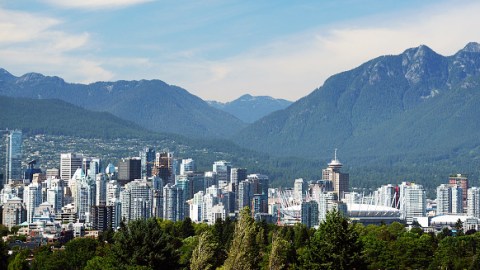
Forget Blame Canada: “Blame China” is becoming the common refrain for cash-strapped Vancouverites.
The British Columbia city, where the average price of a detached home sits at over C$2.2 million ($1.7m USD), is the most expensive place to live in North America and currently sports the second-least affordable housing market in the world, trailing only Hong Kong.
And while the causes of the real estate surge are myriad, frustrated residents are latching onto a common scapegoat: foreigners.

While the U.S. housing bubble popped around 2007, Canada’s has kept inflating.
Over the past decade, the posh Vancouver market has become especially popular among Chinese investors who are frequently accused of buying up properties only to leave them vacant. According to the New York Post, around 67 percent of Vancouver-area residents place the primary blame for high housing costs on “foreign investing.” This has led to a wave of anti-Chinese sentiment, a predictable result even for a city perceived to be among the world’s most inclusive and cosmopolitan.
There are plenty of questions surrounding the source of all this Chinese investment. From the New York Post:
“Residents also have questions about the source of Chinese money being invested in Vancouver property, a concern that came to the fore last year when a prominent developer in the city, Michael Ching Mo Yeung, was named as one of the top 100 fugitives wanted by China as part of ‘Operation Skynet.’
The campaign is part of President Xi Jinping’s pursuit of suspected corrupt officials who have fled overseas.”
Social media movements such as #donthave1million have been established to raise awareness about the impact of foreign money on the local housing market. Fueled by the frustration of young professionals unable to achieve home ownership, the hashtag has been used to pressure politicians into prioritizing affordable housing and closing tax loopholes for offshore buyers.
In this video, urban studies theorist Richard Florida details how the 2008 U.S. housing crash would forever alter the perception of home ownership in America and of the American Dream: