The Universe is out there, waiting for you to discover it.
Our mission: to answer, scientifically, the biggest questions of all.
- What is our Universe made of?
- How did it become the way it is today?
- Where did everything come from?
- What is the ultimate fate of the cosmos?
For countless generations, these were questions without resolutions. Now, for the first time in history, we have scientific answers. Starts With A Bang, written by Dr. Ethan Siegel, brings these stories — of what we know and how we know it — directly to you.
Featured

Why power generated through nuclear fusion will be the future, but not the present, solution to humanity’s energy needs.
It’s a strange idea to consider: that a tiny building block of matter, the atomic nucleus, holds the greatest potential for energy release.
And yet, it’s true; while electron transitions in atoms or molecules typically release energy on the order of ~1 electron-Volt, nuclear transitions between different configurations release energies a million times as great, on the order of ~1 Mega-electron-Volt.


Popular
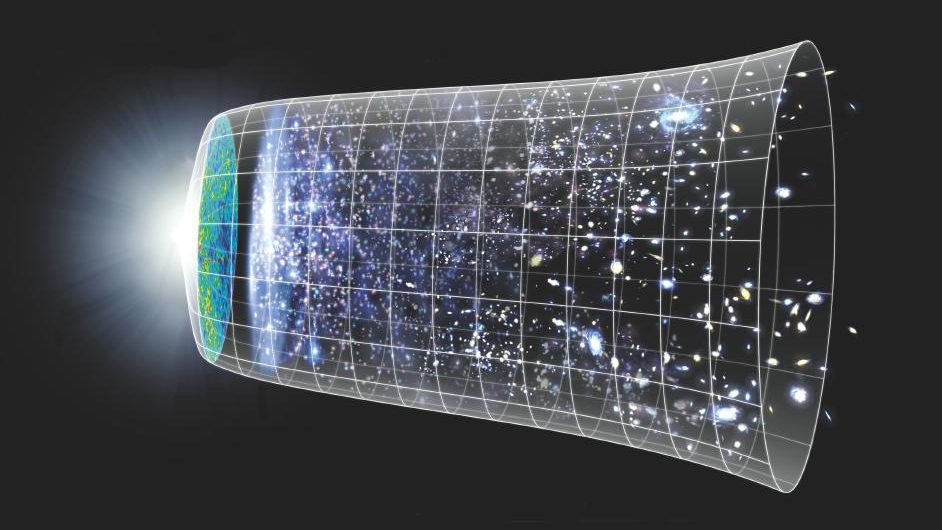
From before the Big Bang to the present day, the Universe goes through many eras. Dark energy heralds the final one.
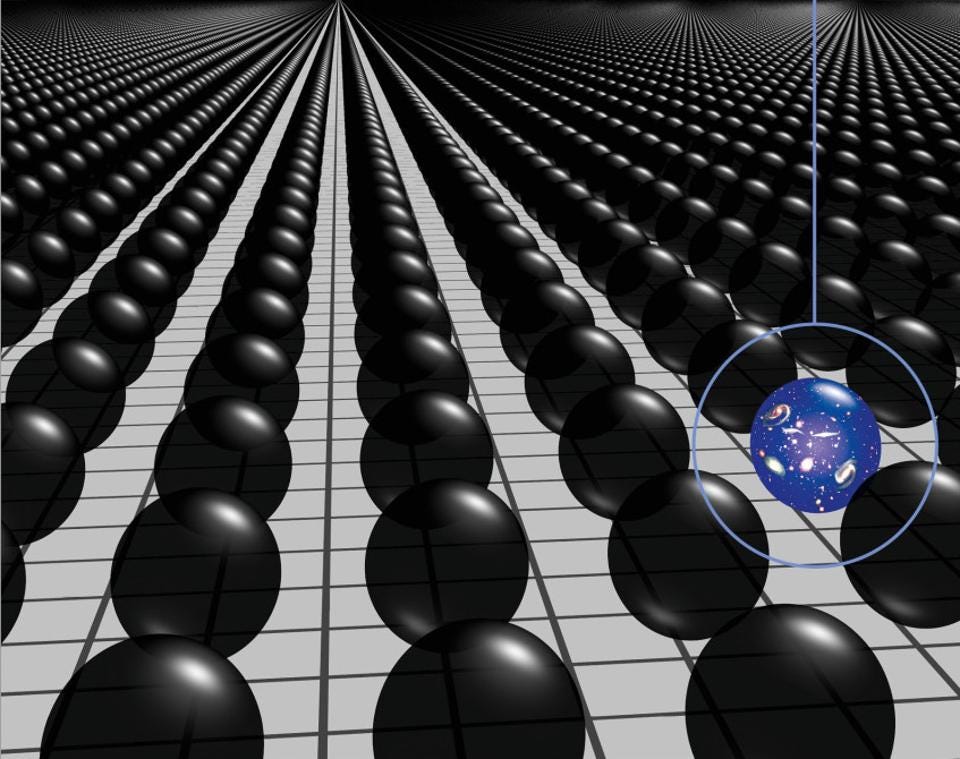
A wild, compelling idea without a direct, practical test, the Multiverse is highly controversial. But its supporting pillars sure are stable.
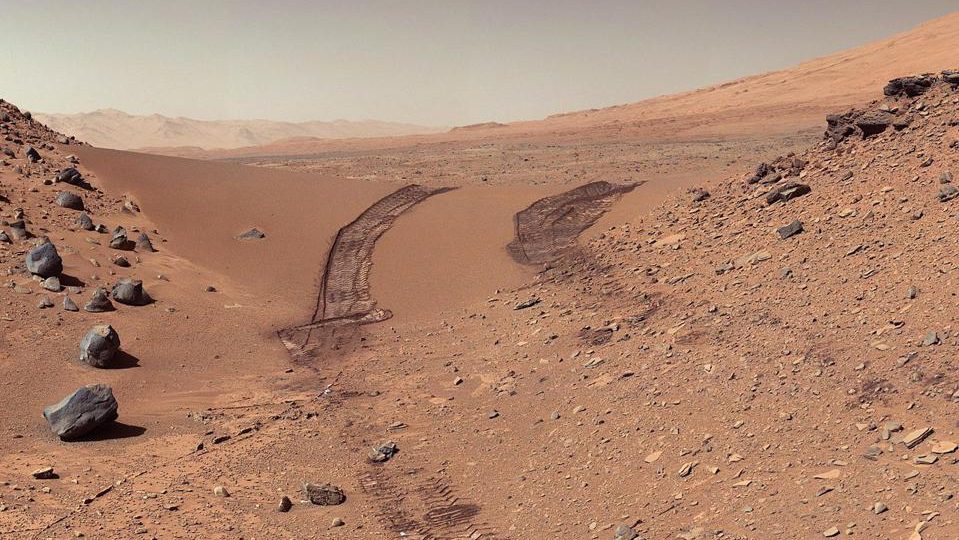
The surface and atmosphere is colored by ferric oxides. Beneath a very thin layer, mere millimeters deep in places, it’s not red anymore.
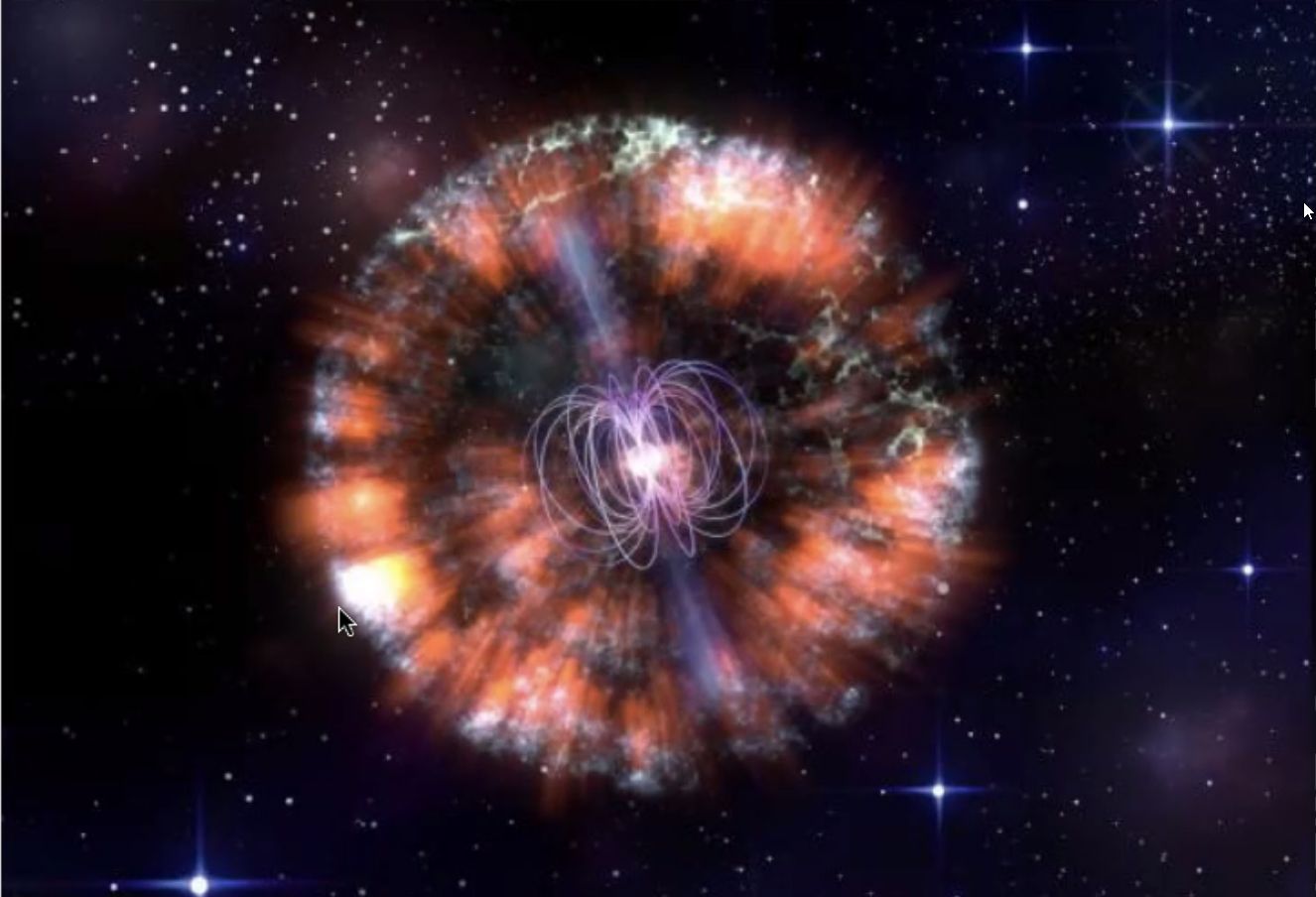
The first supernova ever discovered through its X-rays has an enormously powerful engine at its core. It’s unlike anything ever seen.
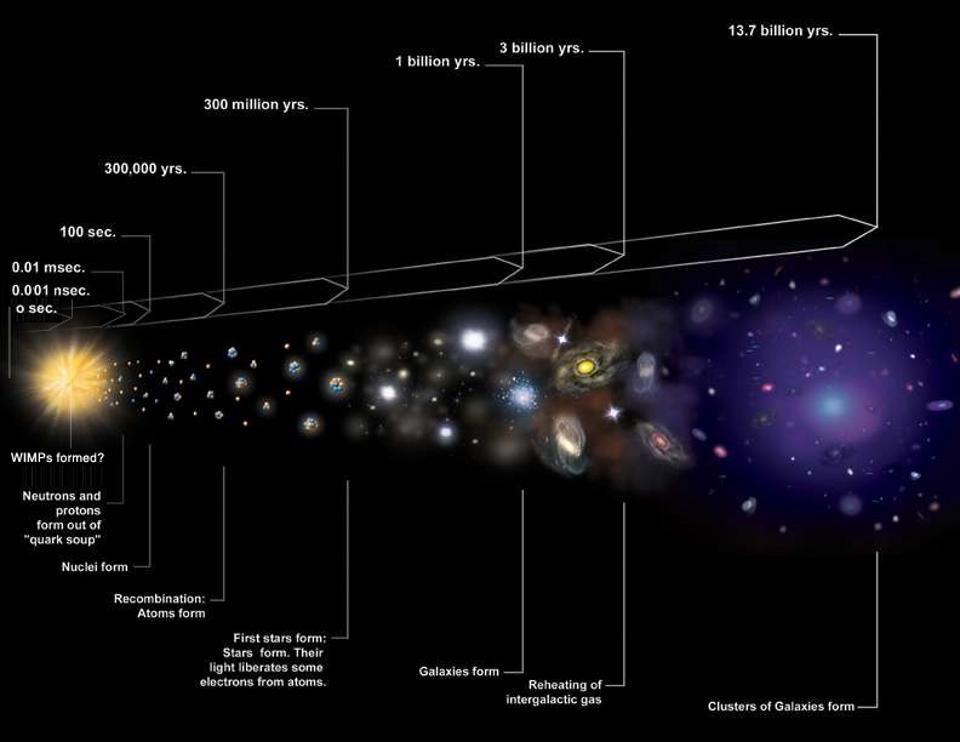
Just 13.8 billion years after the hot Big Bang, we can see 46.1 billion light-years away in all directions. Doesn’t that violate…something?
All Stories
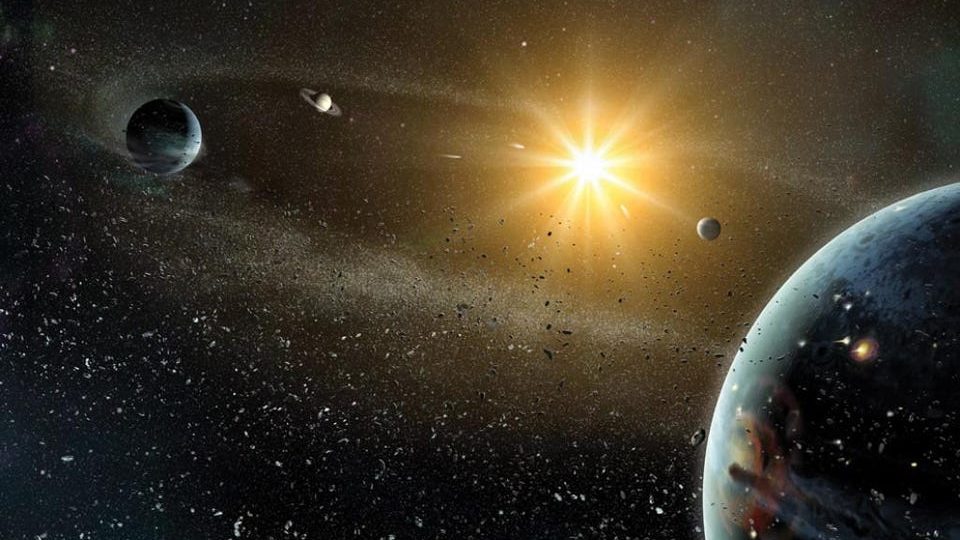
From size to mass to density and more, each world in our Solar System is unique. When we compare them, the results are truly shocking.
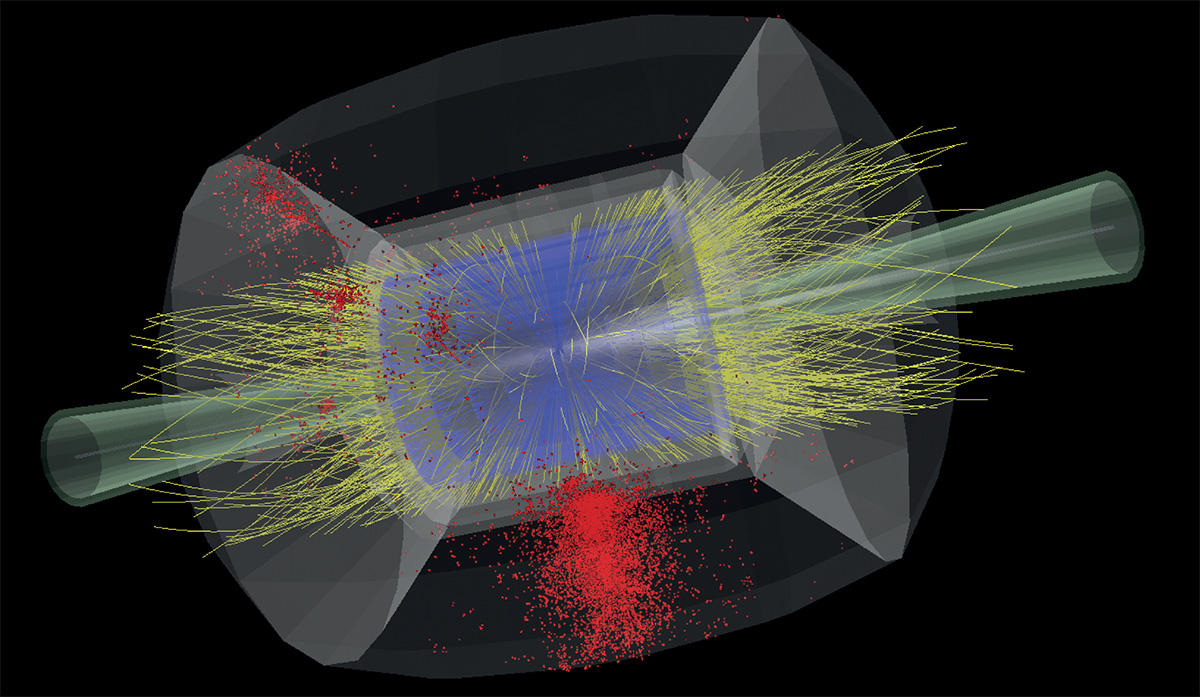
Today, the Large Hadron Collider is the most powerful particle physics experiment in history. What would a new, successor collider teach us?
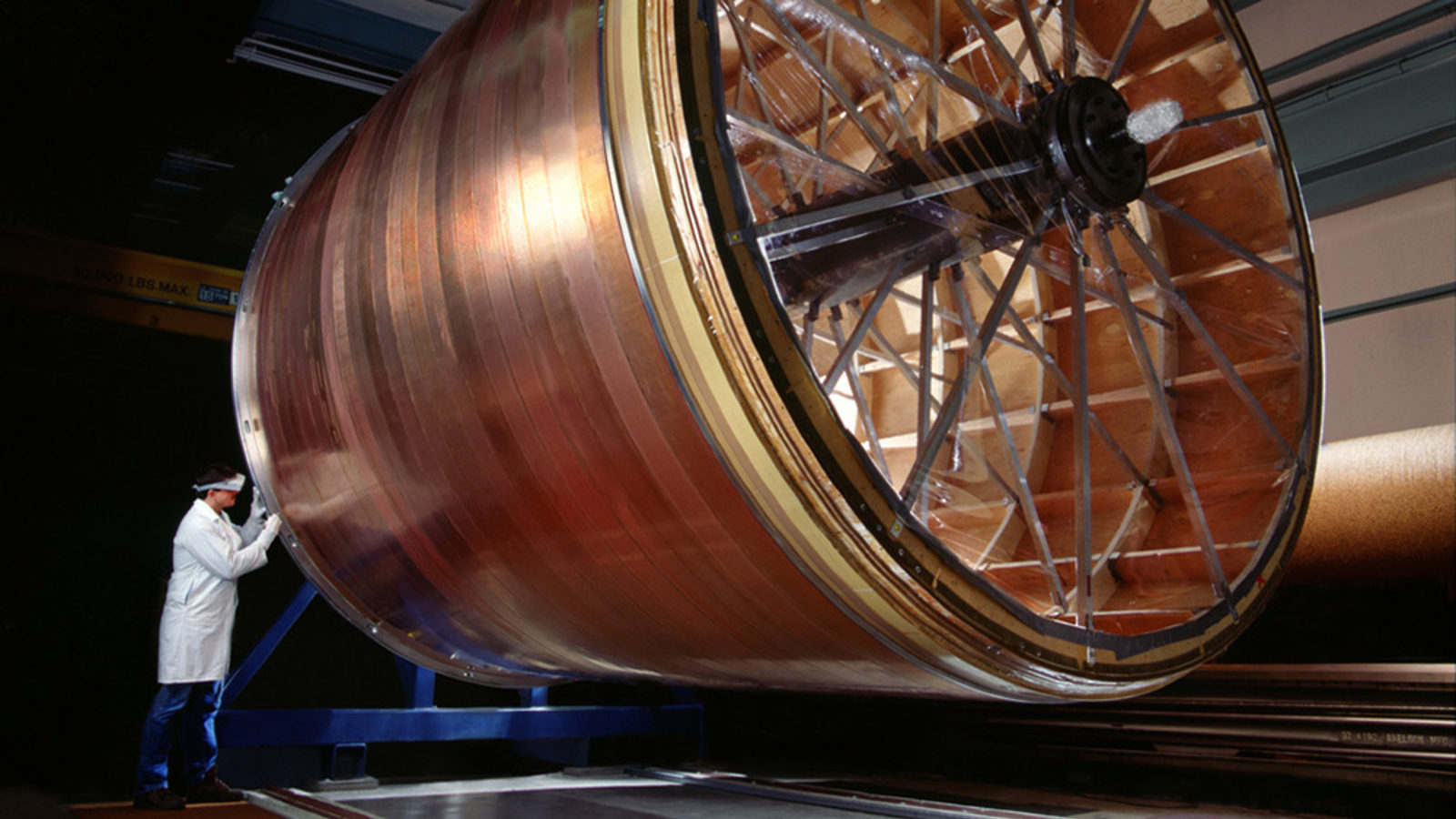
Dark matter’s hallmark is that it gravitates, but shows no sign of interacting under any other force. Does that mean we’ll never detect it?
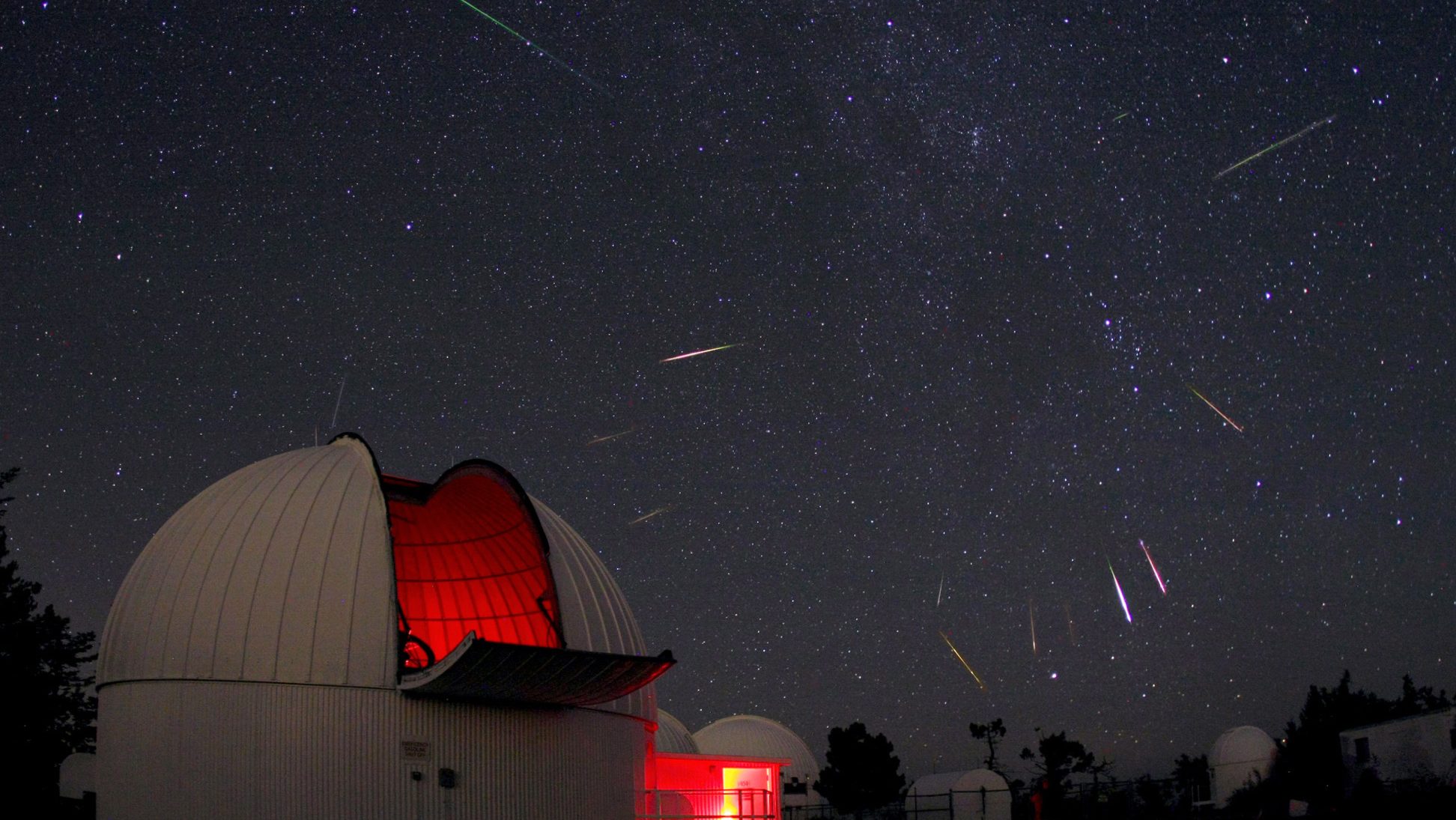
Peaking on the night of August 11/12, up to 100 bright meteors per hour will be visible. Here’s how to make the most of it.
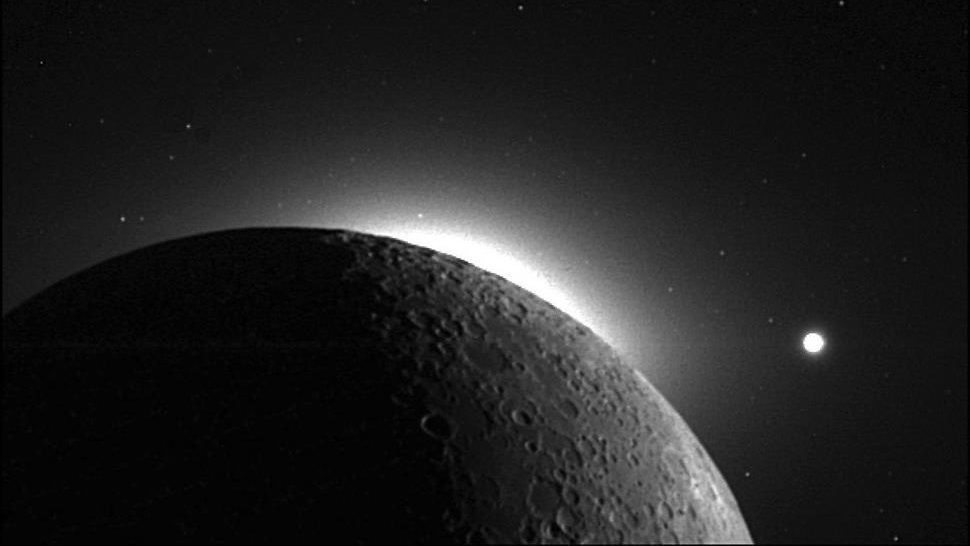
Earth, the only rocky planet with a large, massive satellite, is greatly affected by the Moon. Destroying it would cause 7 major changes.
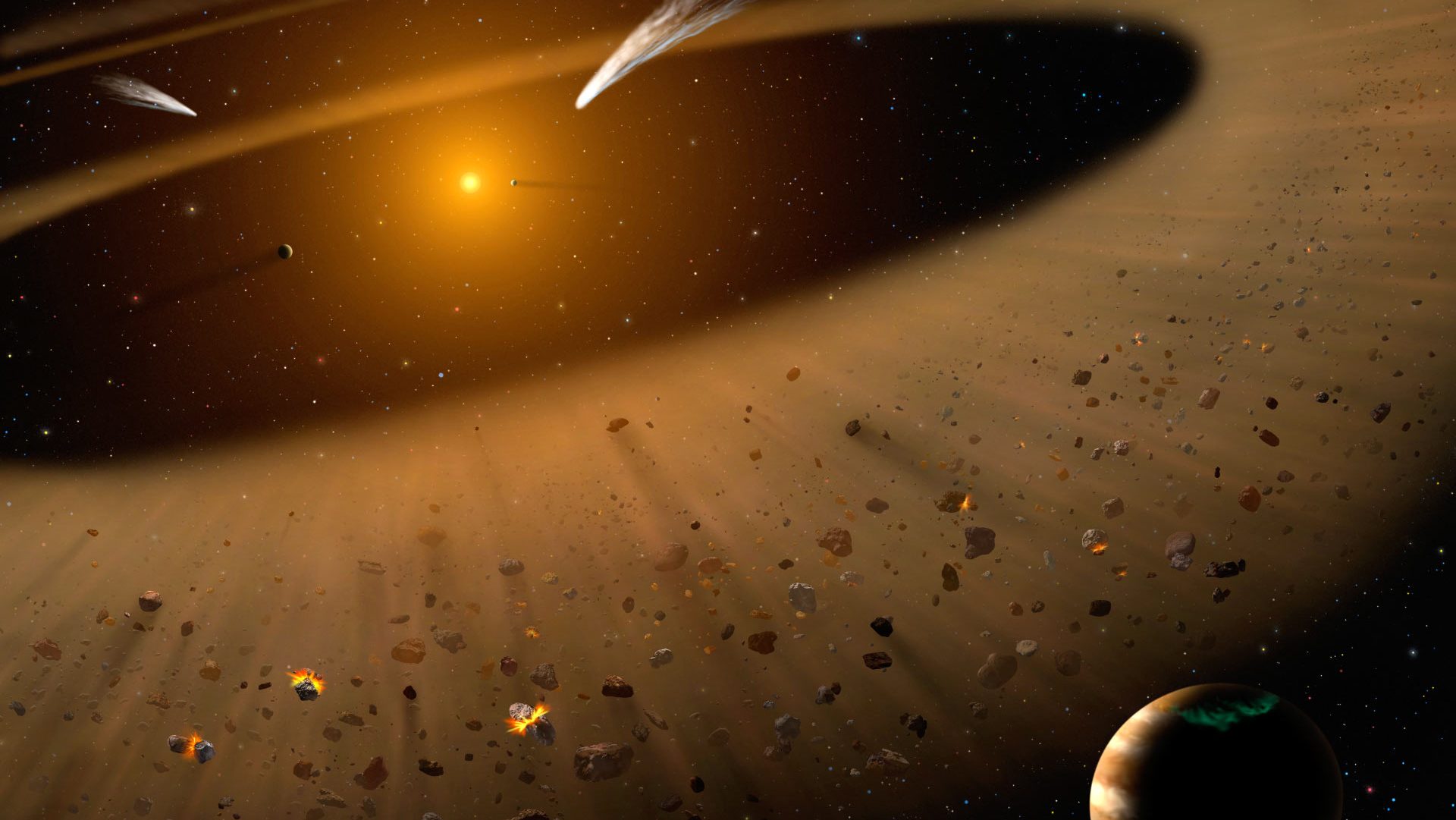
Straddling the bounds of science and religion, Newton wondered who set the planets in motion. Astrophysics reveals the answer.
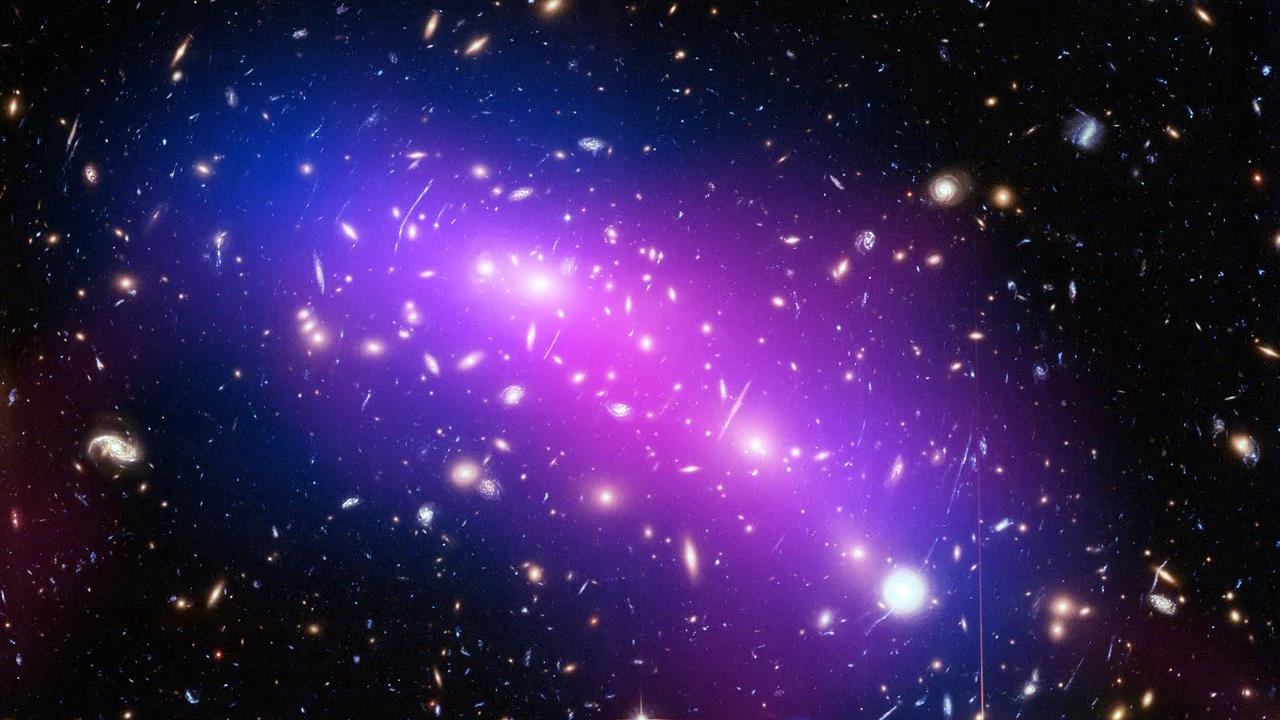
How do normal matter and dark matter separate by so much when galaxy clusters collide? Astronomers find the surprising, unexpected answer.
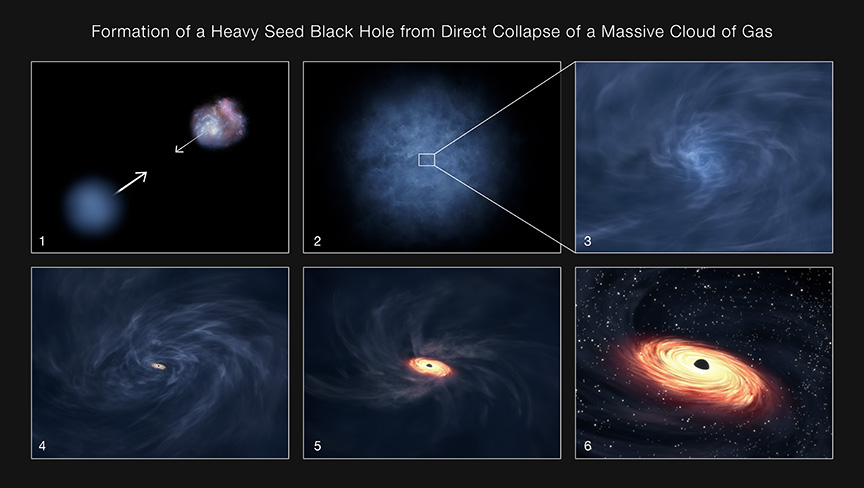
Even in the very early Universe, there were heavy, supermassive black holes at the centers of galaxies. How did they get so big so fast?
Often viewed as a purely theoretical, calculational tool only, direct observation of the Lamb Shift proved their very real existence.
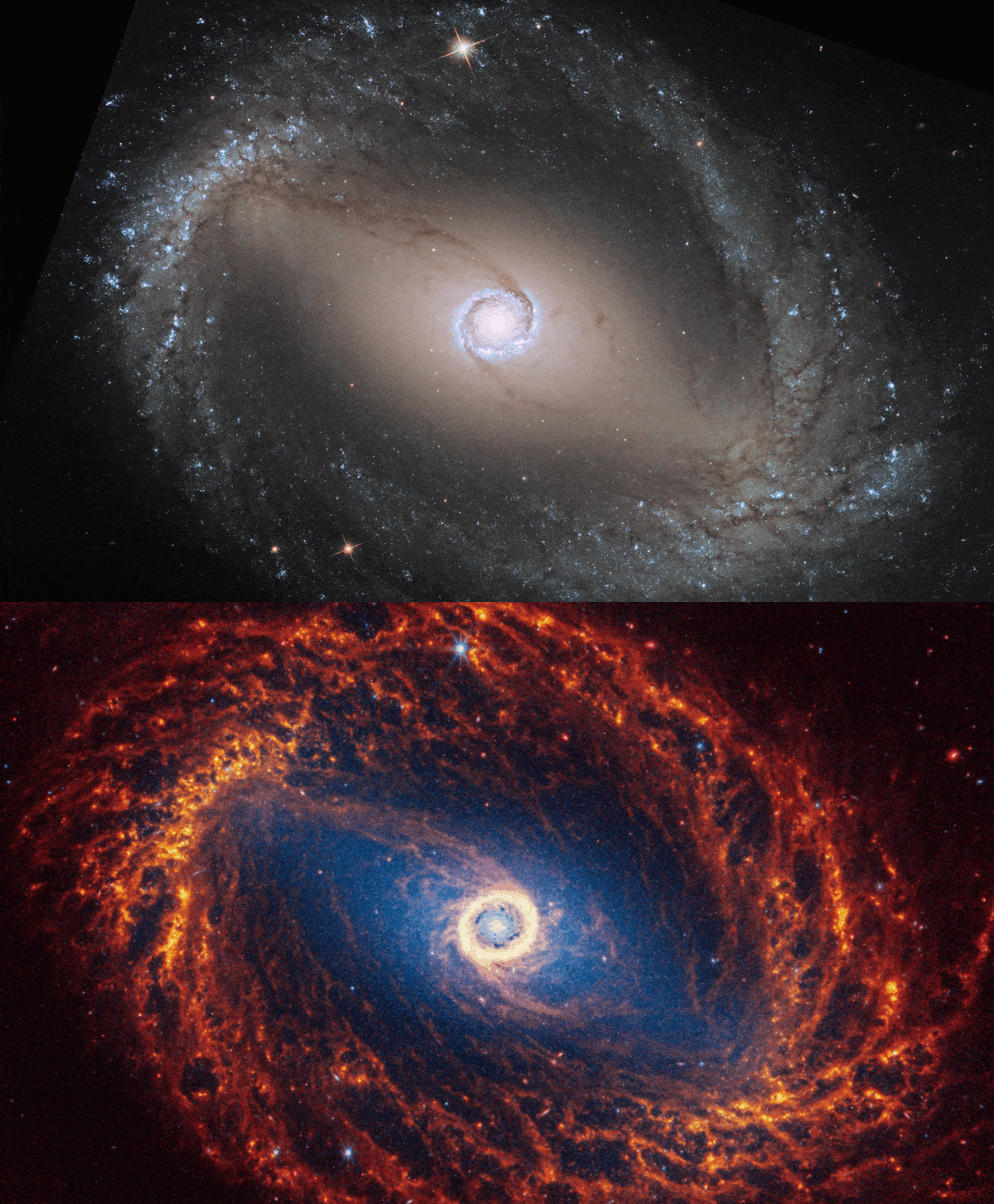
In July of 2022, the first science images from JWST were unveiled. Two years later, it’s changed our view of the Universe.
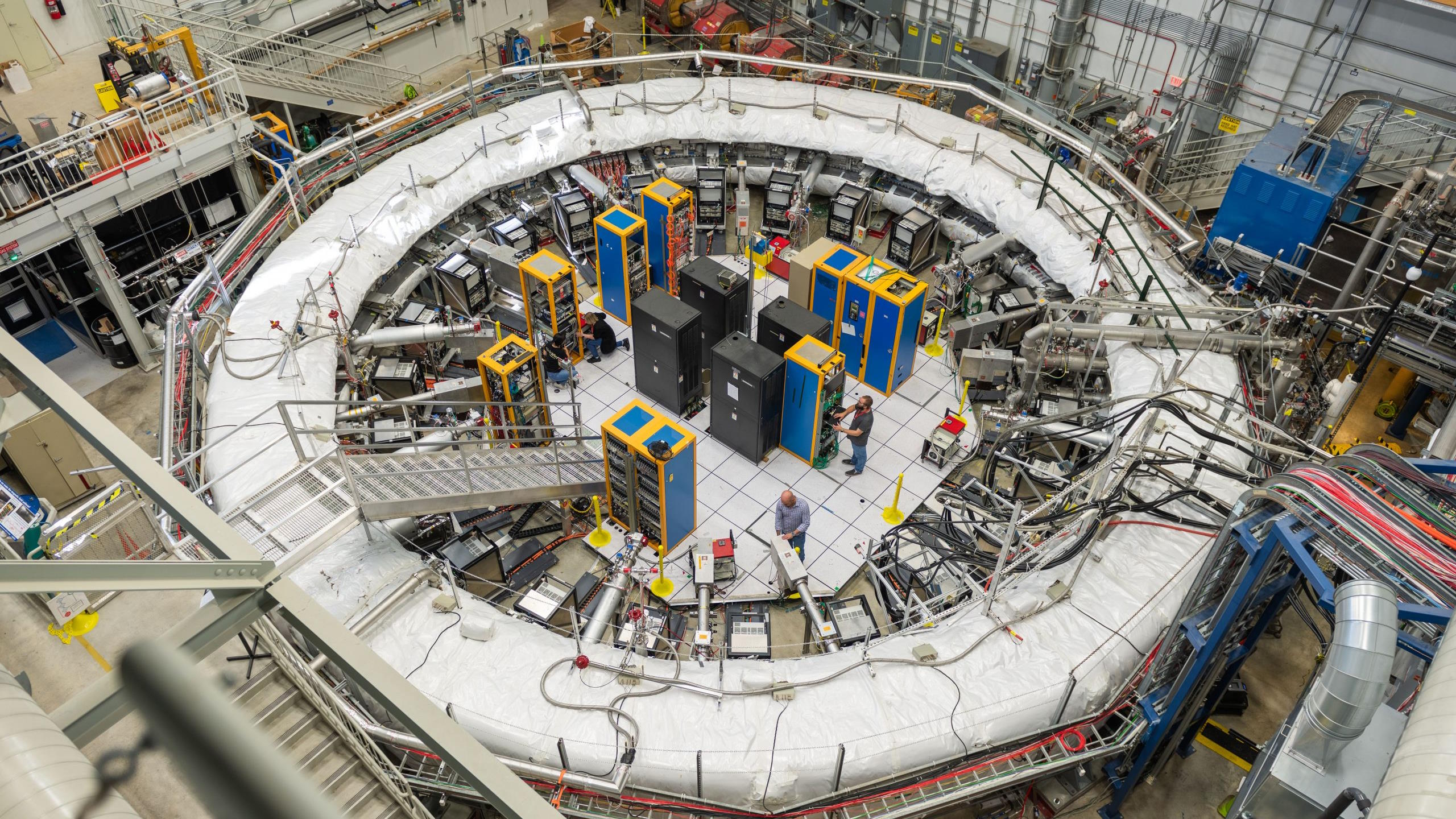
A longstanding mismatch between theory and experiment motivated an exquisite muon measurement. At last, a theoretical solution has arrived.

The all-time record is Usain Bolt’s 9.58 seconds, set in 2009. What is the fastest time, ultimately, for an ideal human body?

The passage of time is something we all experience, as it takes us from one moment to the next. But could it all just be an illusion?
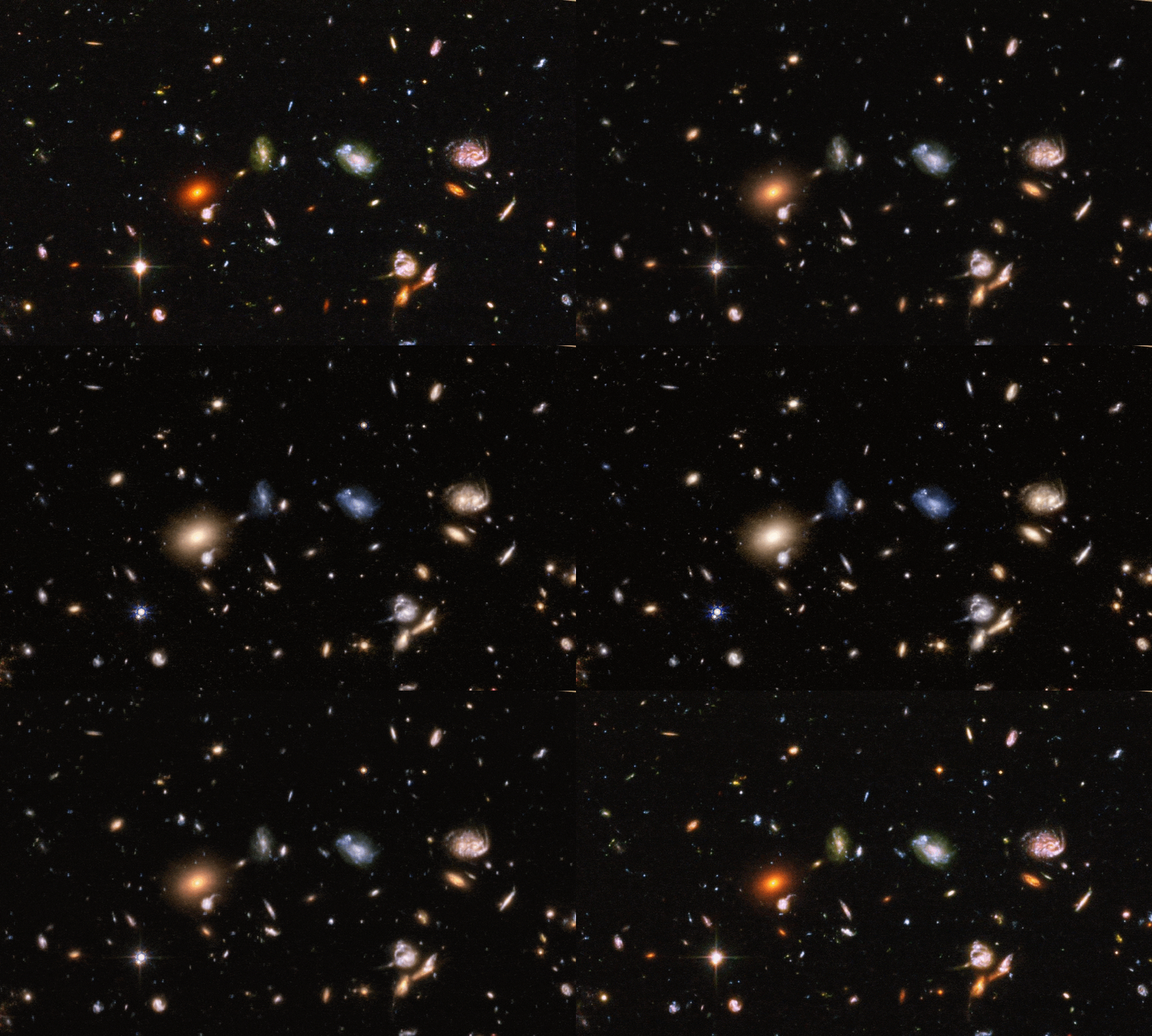
From inside our Solar System, zodiacal light prevents us from seeing true darkness. From billions of miles away, New Horizons finally can.
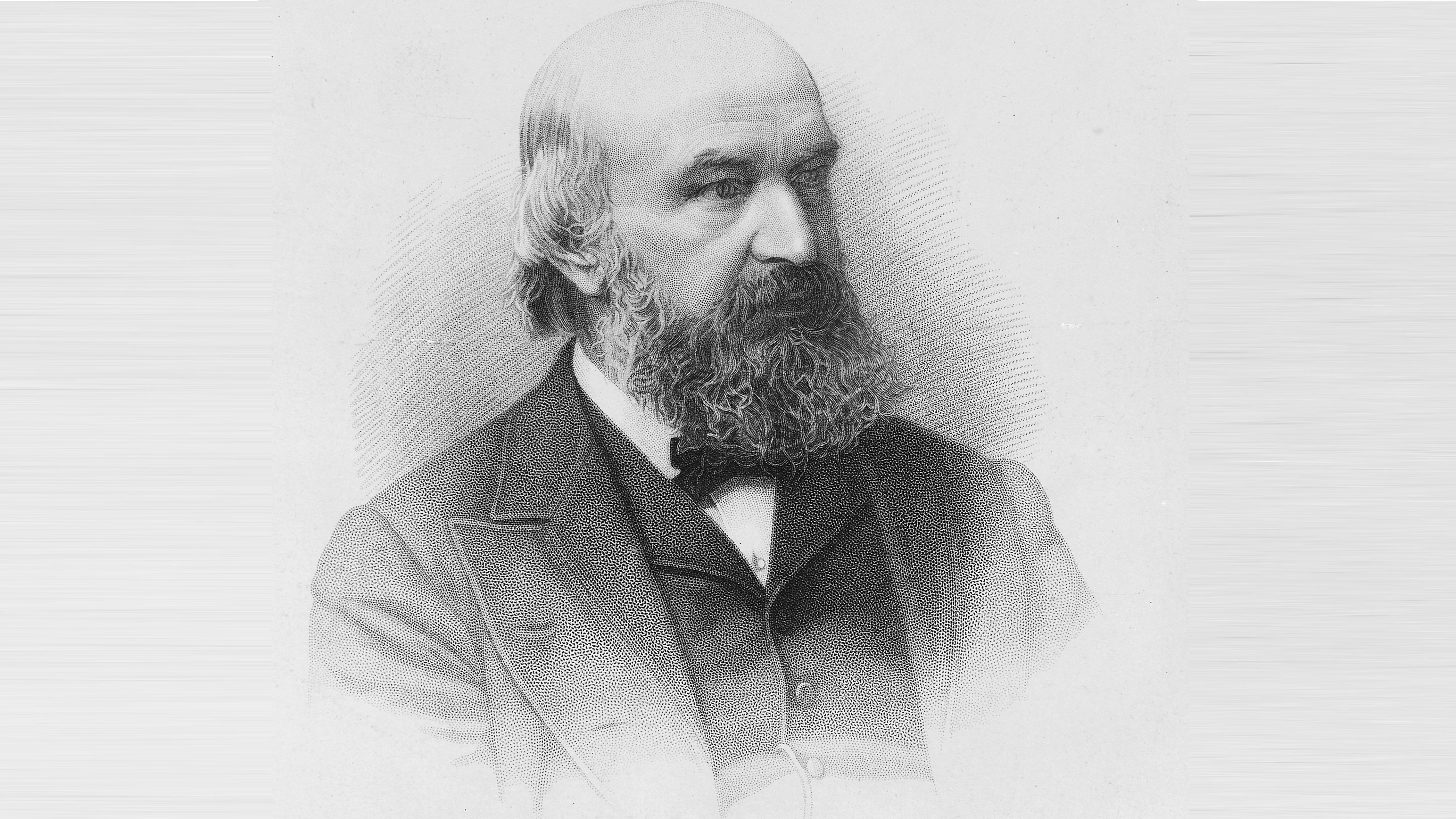
Adams was infamously scooped when Neptune was discovered in 1846. His failure wasn’t the end, but a prelude to a world-changing discovery.

It’s knowledgeable, confident, and behaves human-like in many ways. But it’s not magic that powers AI though; it’s just math and data.
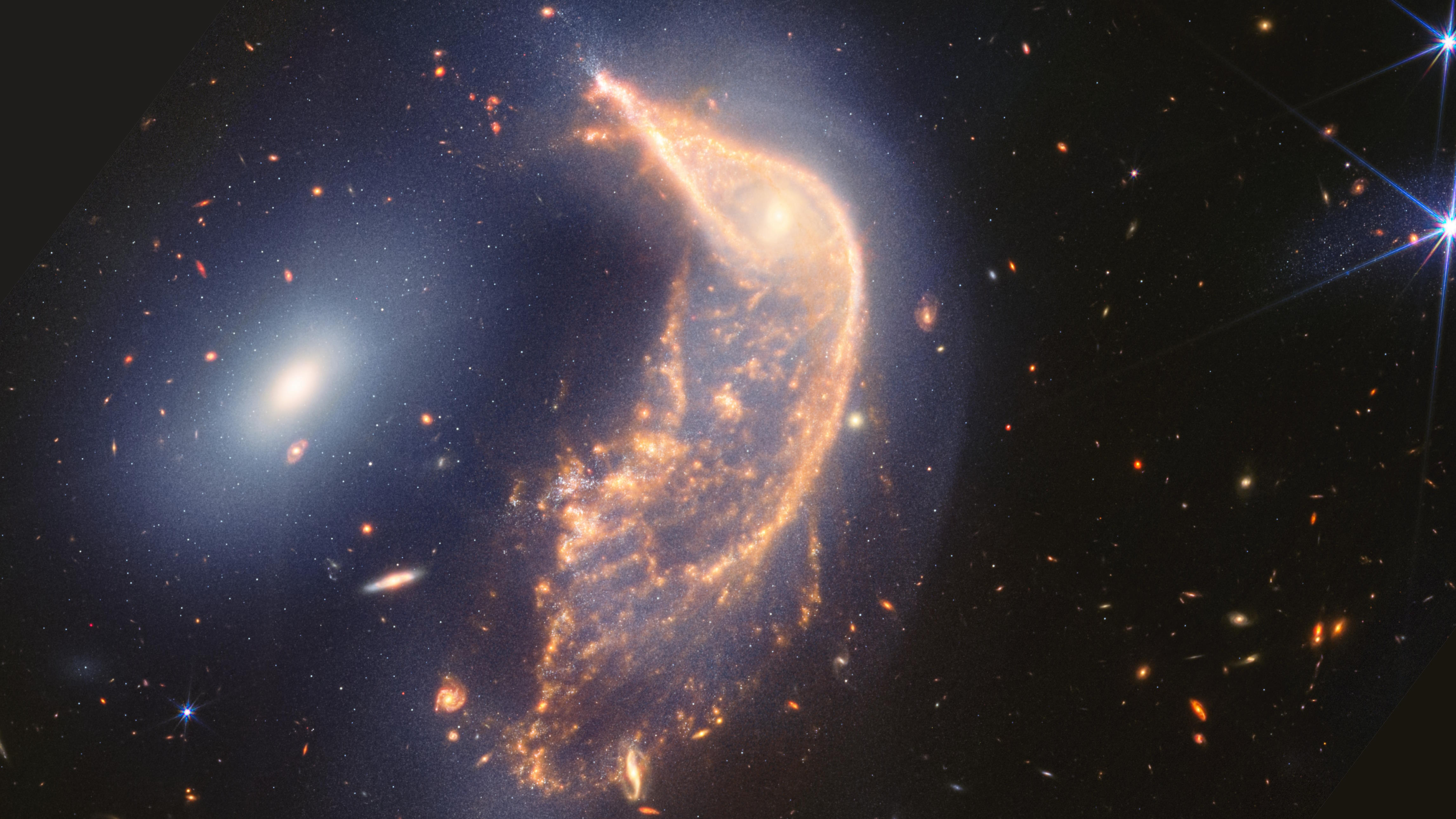
For its 2-year science anniversary, JWST has revealed unprecedented details in “the Penguin and the Egg.” Here are the surprises inside.
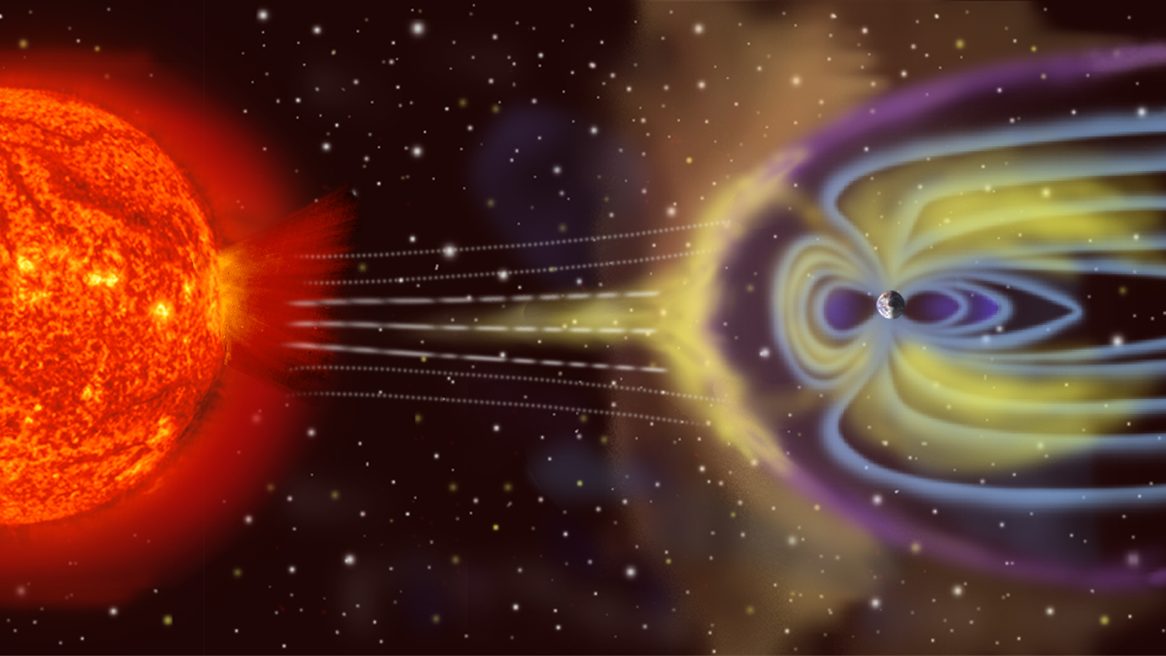
As the Sun ages, it loses mass, causing Earth to spiral outward in its orbit. Will that cool the Earth down, or will other effects win out?
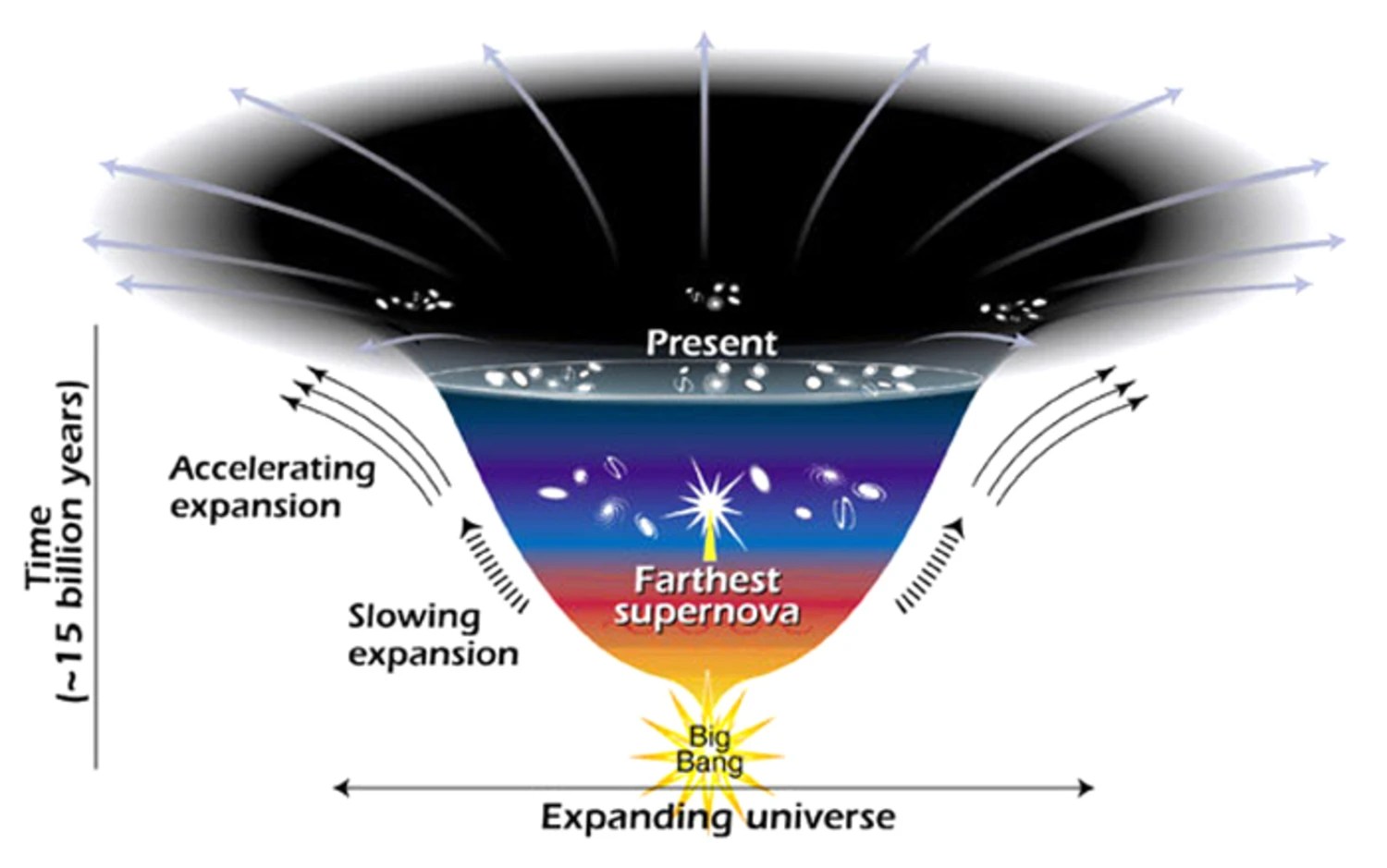
Just 13.8 billion years after the hot Big Bang, we can see objects up to 46.1 billion light-years away. No, this doesn’t violate relativity.
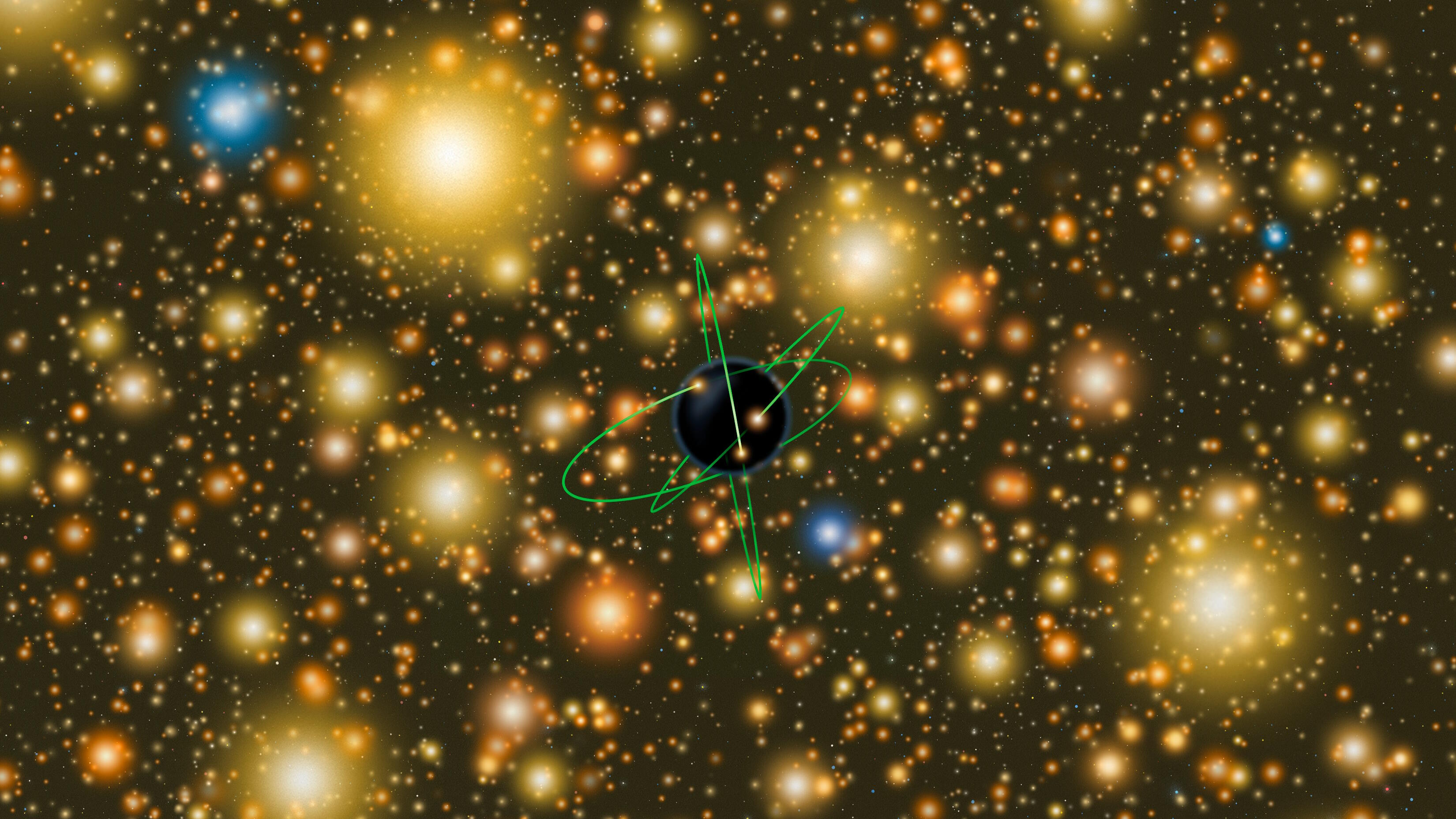
We know of stellar mass and supermassive black holes, but intermediate mass ones have long proved elusive. Until now.