Computers Diagnose Cancer Better
What’s the Latest Development?
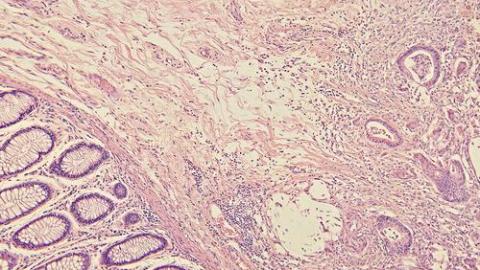
When Harvard Medical School pathologist Andrew Beck wanted to automate breast cancer diagnosis using a machine called C-Path, he could have programed software to recognize the same characteristics he looks for while examining stained slides of tumor cells in the laboratory. Instead, he let the computer choose what to look for. “Instead of focusing on the tumour cells themselves, C-Path determined that the most predictive features were found in the cells surrounding the tumour, in a region called the stroma.”
What’s the Big Idea?
The C-Path is a significant step in modernizing the field of pathology, which currently operates similar to how it did one hundred years ago: By examining stained slides of tumor cells under microscopes. Yale pathologist David Rimm hopes C-Path can be used to identify other kinds of cancers “such as prostate and bladder cancer, for which grading tumors reliably has proved difficult for even well-trained human eyes.” One advantage of the C-Path system is that it objectifies previously subjective standards.
Photo credit: Shutterstock.com