How Children Develop Empathy
What’s the Latest Development?
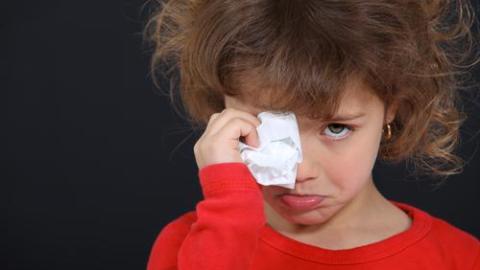
If you’ve spent any time around children (which hopefully you have by now), you may know that if one child starts crying, it can start a chain reaction of wails and tears. But why? According to pediatrician Perri Klass, concepts like empathy, charity and kindness begin to show in children before they become aware of what such words mean. “The capacity to notice the distress of others, and to be moved by it, can be a critical component of what is called prosocial behavior, actions that benefit others: individuals, groups or society as a whole.”
What’s the Big Idea?
Where does the drive toward prosocial behavior come from? Some studies indicate a genetic component. In one study, identical twins were found to respond with empathy in a more uniform way than fraternal twins. Empathetic and charitable behavior also activates reward centers in our brain, similar to the experience of winning a cash prize. To encourage prosocial behavior in children, “don’t offer material rewards, but do offer opportunities to do good—opportunities that the child will see as voluntary. … Empathy, sympathy, compassion, kindness and charity begin at home, and very early.”
Photo credit: Shutterstock.com