Phenomenology of Time
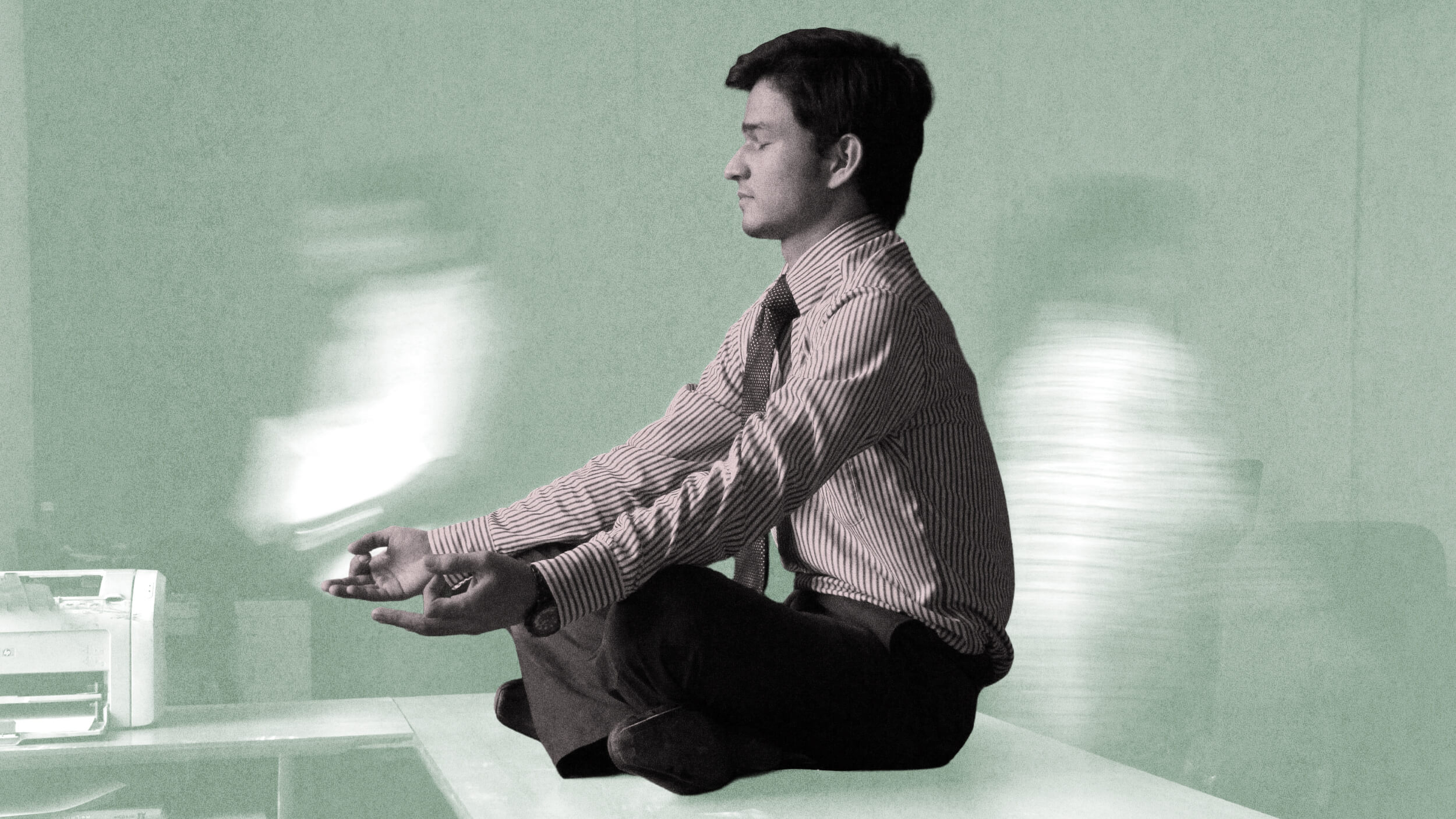
“If our’ sense of time is largely a cognitive illusion, then where does the illusion come from?” The Frontal Cortex blog follows neuroscientists looking for the nature of time from within the mind.
Sign up for Big Think on Substack
The most surprising and impactful new stories delivered to your inbox every week, for free.
“It turns out that our sense of time is deeply entangled with memory, and that when we remember more—when we are sensitive to every madeleine and sip of limeflower tea—we can stretch time out, like a blanket. This suggests that the simplest way to extend our life, squeezing more experience out of this mortal coil, is to be more attentive, more sensitive to the everyday details of the world. The same logic should also apply to our vacations. If we want our time off to last longer, then we should skip the beach naps and instead cram our days full of new things, which we will notice and memorize.”
Sign up for Big Think on Substack
The most surprising and impactful new stories delivered to your inbox every week, for free.