While many people believe sugar makes kids hyperactive, this theory has long been debunked by research. However researchers are only just beginning to understand the complex relationship between glucose and learning.
Despite widespread belief in the myth that sugar causes hyperactivity, scientists have known for more than two decades that the link is all in the mind.
Bill Nye: We May Discover Life on Europa Bill Nye (The Science Guy!) describes the possibility of discovering life on Europa, arguing that we might make such a discovery in […]
Some neuromyths — incorrect statements about how the brain works — have become “common knowledge,” repeated by educators and used to influence everything from public policy to parenting practices. It’s time for that to change.
How the demons and angels of our greatest minds advanced science. Image credit: Luis Royo Fantasy Art, via Photobucket user mikenolan78. When most people think of Einstein, they think of […]
There has been a lot of attention in recent years on flow—complete absorption in a task that it almost seems effortless. The modern pursuit of flow—how to achieve it, how […]
“Keeping up with the Joneses” is actually an ancient notion. Humans are wired to compare ourselves to others and, as a result, we suffer a sense of restlessness about our […]
“If you look at the neuroscience, the way that we’re wired has a profound effect on how we hear and respond to feedback,” says Sheila Heen, the co-author, with Douglas […]
If there was an award for the single greatest hub of pseudoscience on the internet, the website Natural News would well and truly take the crown tin foil hat. Expect […]
How you can safely trick your mind into triggering a visual hallucination, using only math and neuroscience! “Life should not be a journey to the grave with the intention of […]
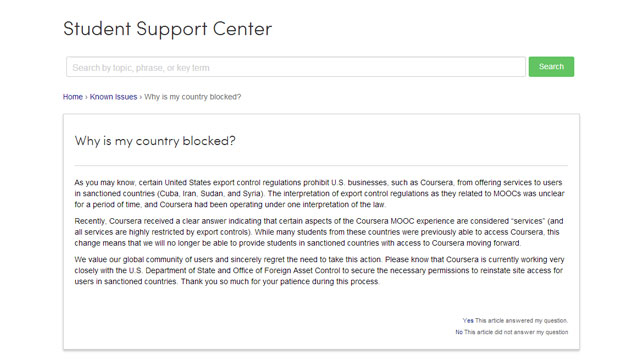
Coursera is a service that allows top universities around the world to share their material online. Without spending a penny I’ve completed courses on Coursera from universities including Stanford and […]
Our primal fear can make modern humans oversensitive, and cause us to react to dangers that don’t exist and push us to make illogical and irrational decisions.
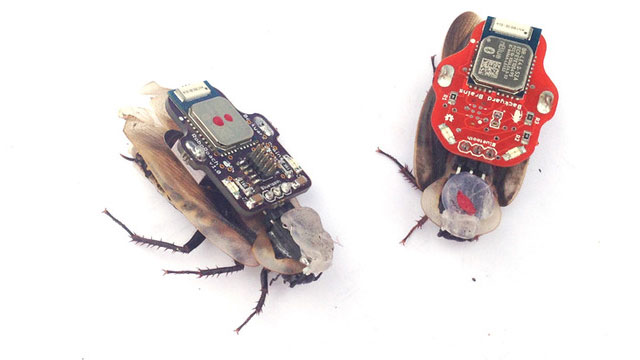
I’m not sure where to begin on the ethics of this. On the up side, inspiring kids to learn about technology such as this could directly lead to promising careers […]
Back in August I wrote a post covering a rash of reports on the worrying rise of bad science in TED talks. A couple of months later TED pulled the following […]
An article published in The Telegraph over a month ago remains on The Telegraph website with a headline that is so spectacularly incorrect that the BBC has reported that the article […]
While researching creativity for his book Imagine: How Creativity Works, Jonah Lehrer spent some time at 3M, analyzing the company culture that earned it the title of third most innovative company in the world in a recent survey of executives.