environment
Natural navigator Tristan Gooley joins us to discuss the philosophy of reading nature’s hidden clues — and how relearning this ancient skill can help us see the world, and ourselves, with greater awareness.

In this excerpt from “Seven Rivers,” historian Vanessa Taylor explores how Ancient Egyptian pharaohs harnessed the Nile River to build empires and secure their power.
In this excerpt from “The Story of CO2,” Peter Brennan explains how changes in the Earth’s ecosystem led to fire, which in turn led our ancestors to become the “fire apes.”
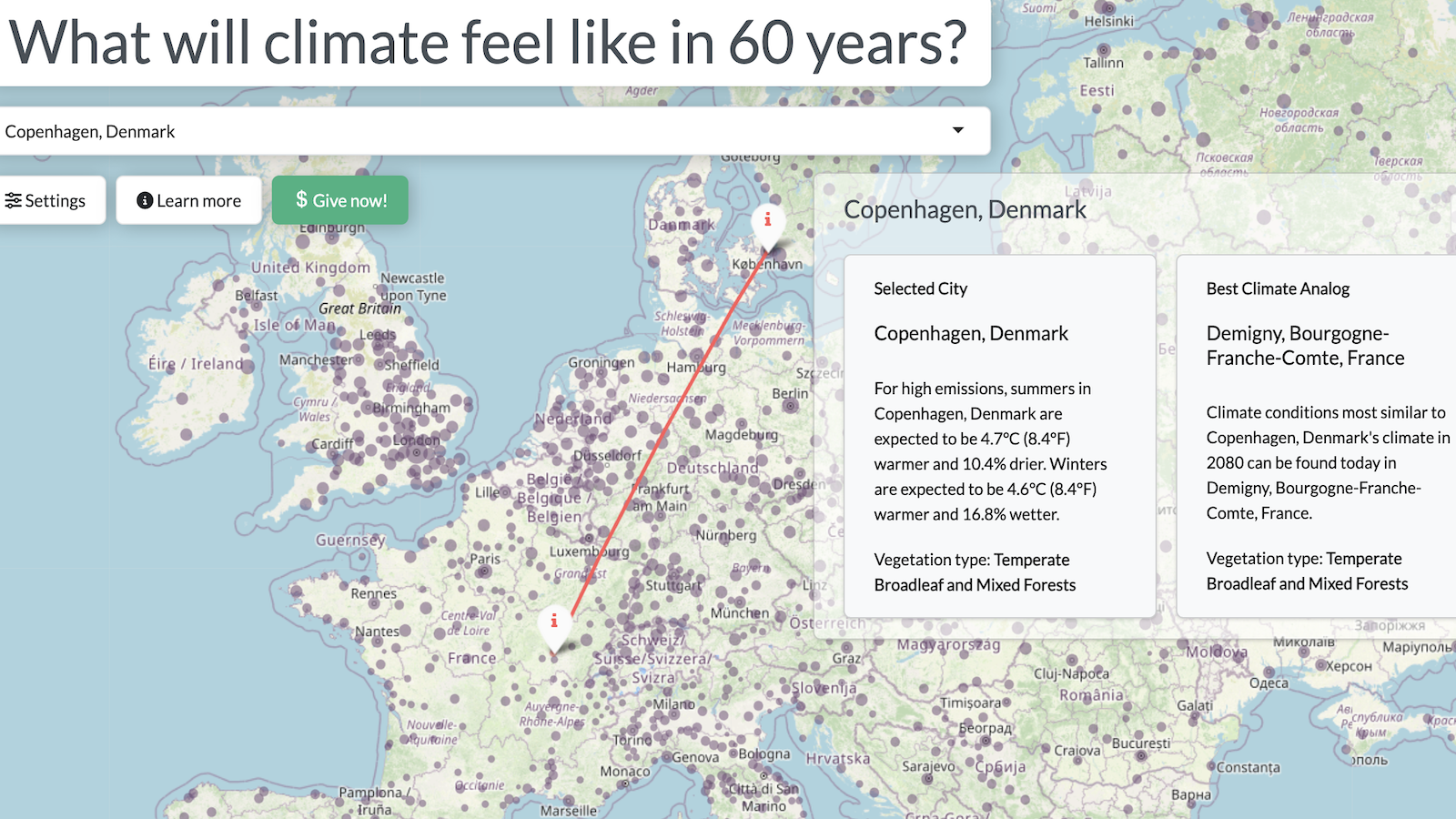
“Climate analog mapping” finds the place that is currently as warm as your city might be in 60 years.
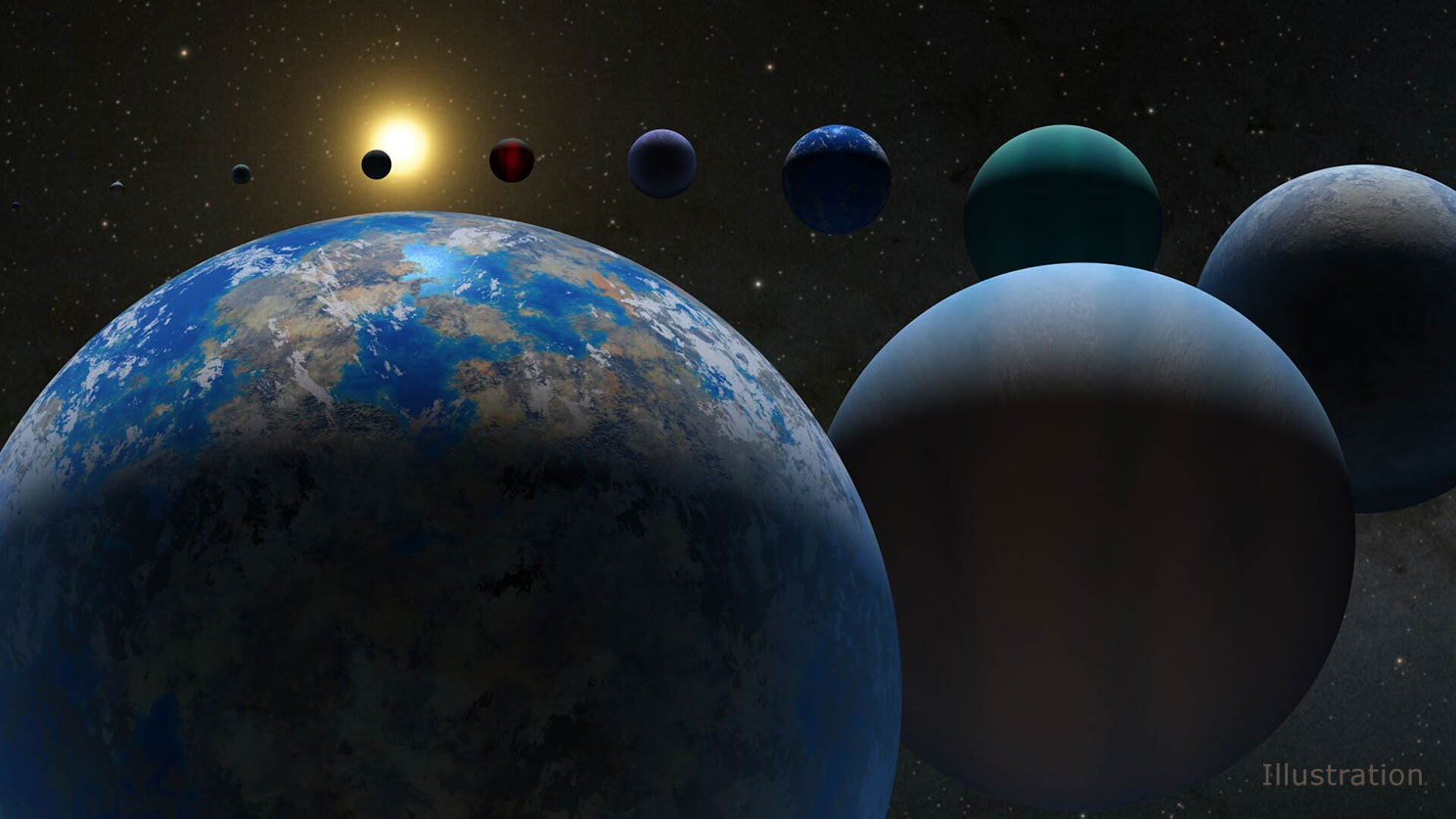
Somewhere, at some point in the history of our Universe, life arose. We’re evidence of that here on Earth, but many big puzzles remain.
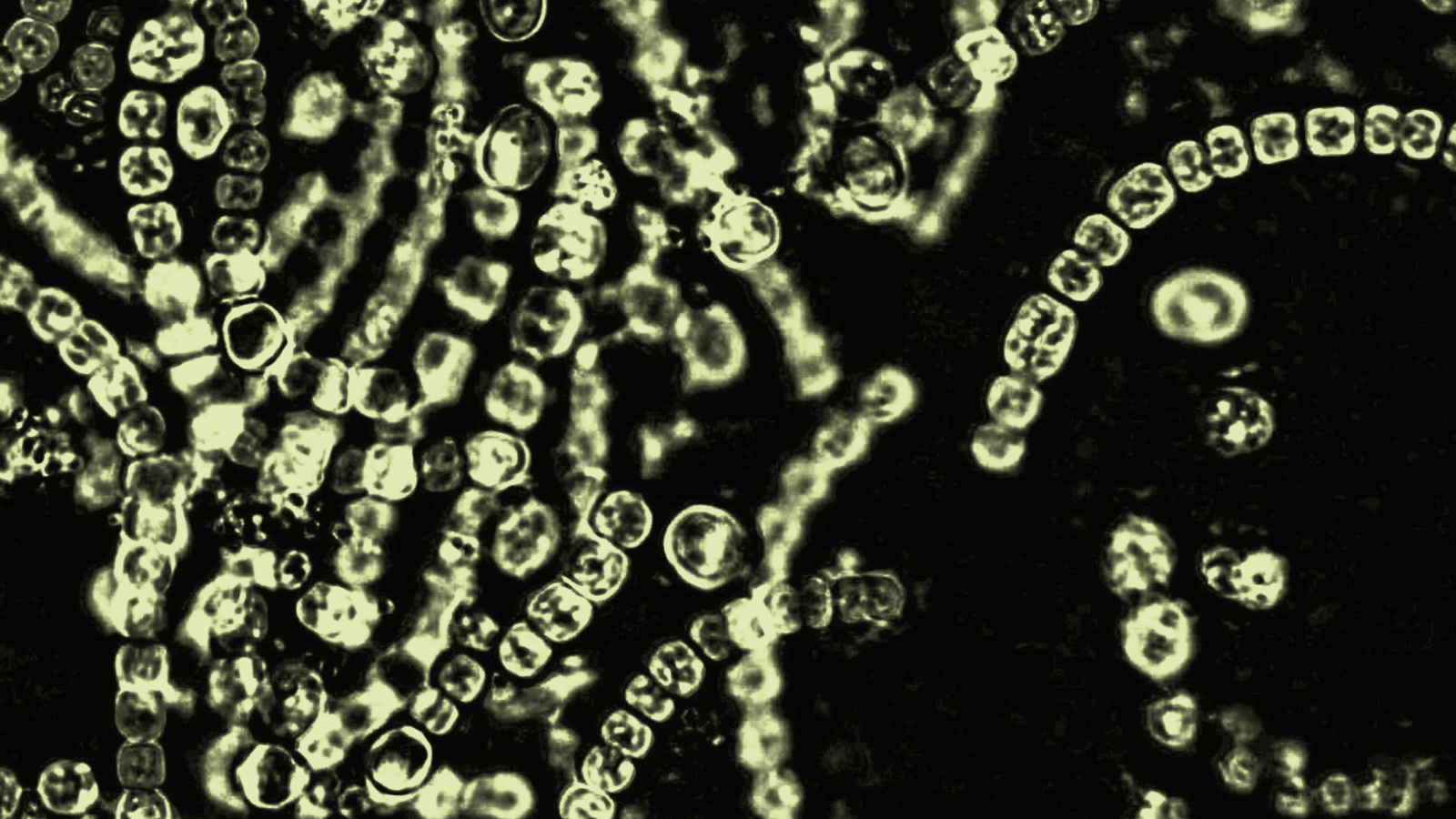
In “The Microbiome Master Key,” Brett and Jessica Finlay argue that we need to stop waging war on all germs and start working with the microbes that make us who we are.
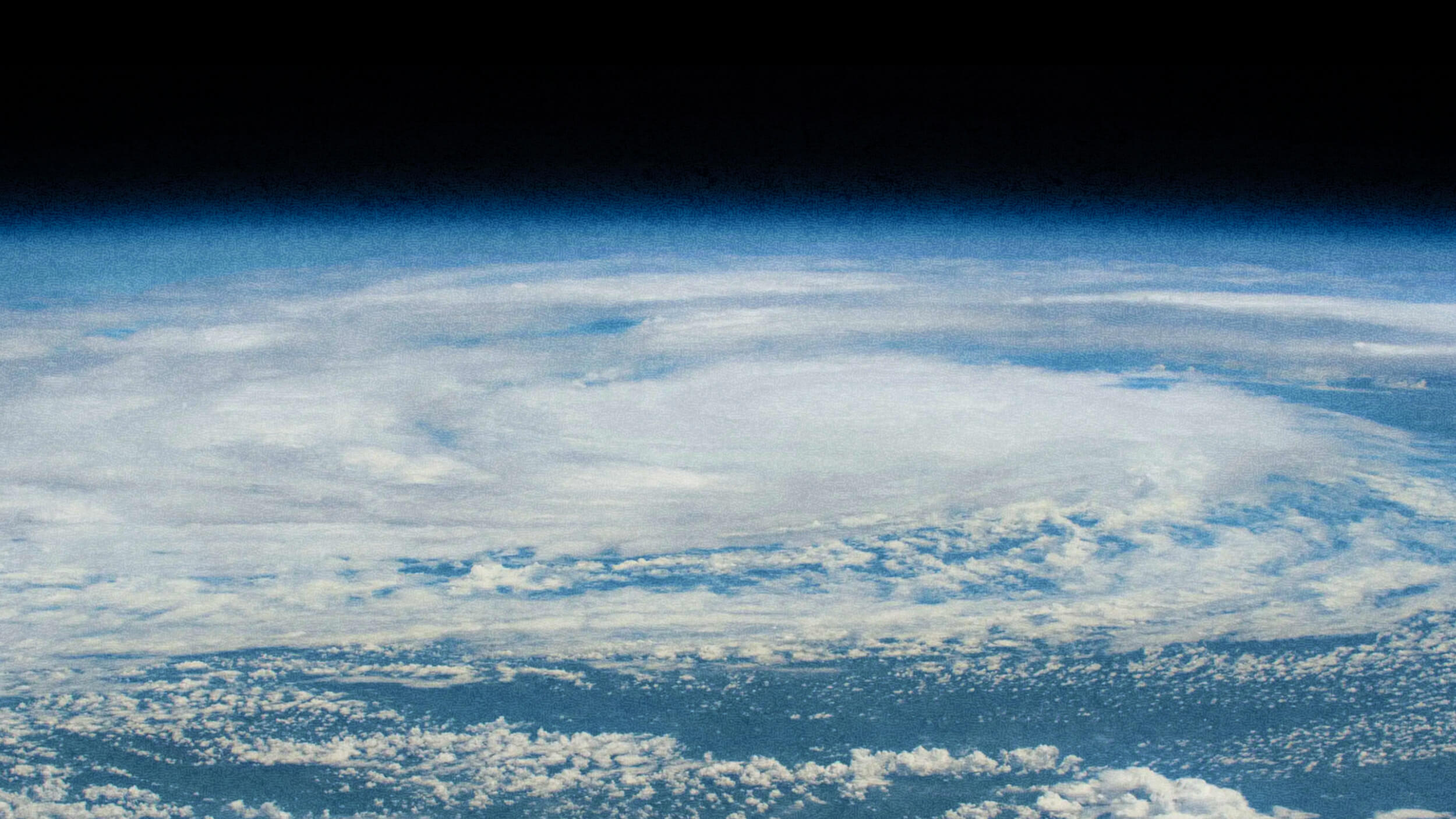
In his new book, the popular science writer tells the story of how scientists discovered the “gaseous ocean” we all swim in — and the trillions of invisible life forms we share it with.
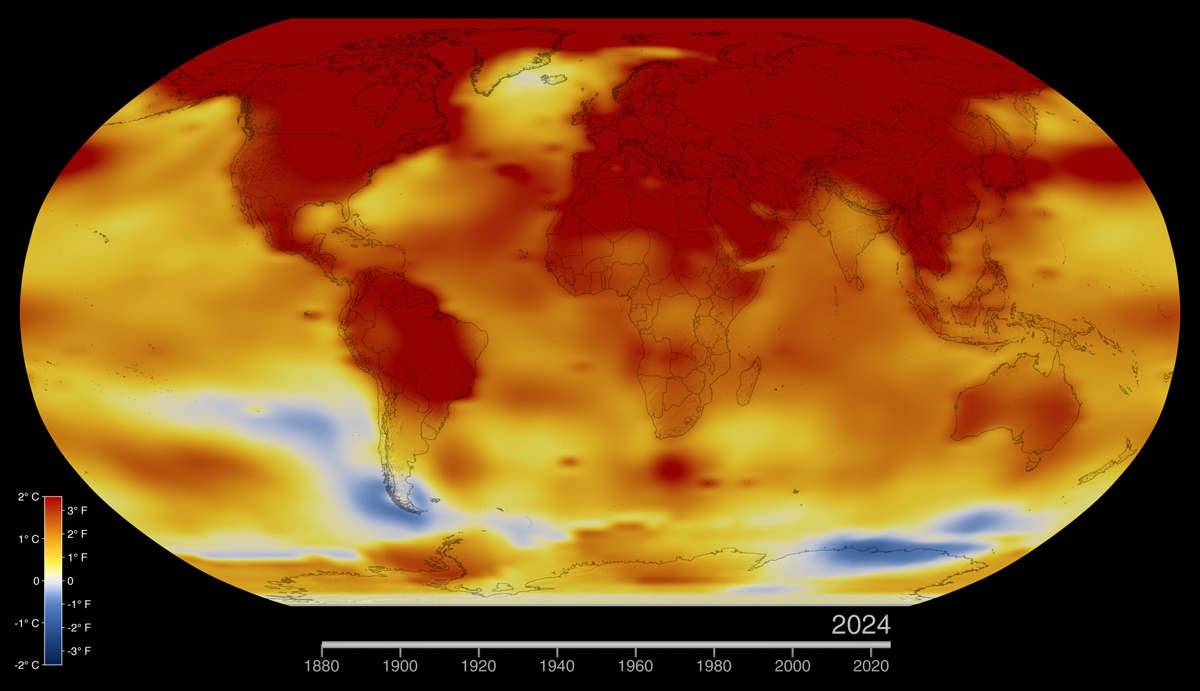
The primary causes of global climate change are all due to human activity. Adding aerosols to our atmosphere only exacerbates the problem.
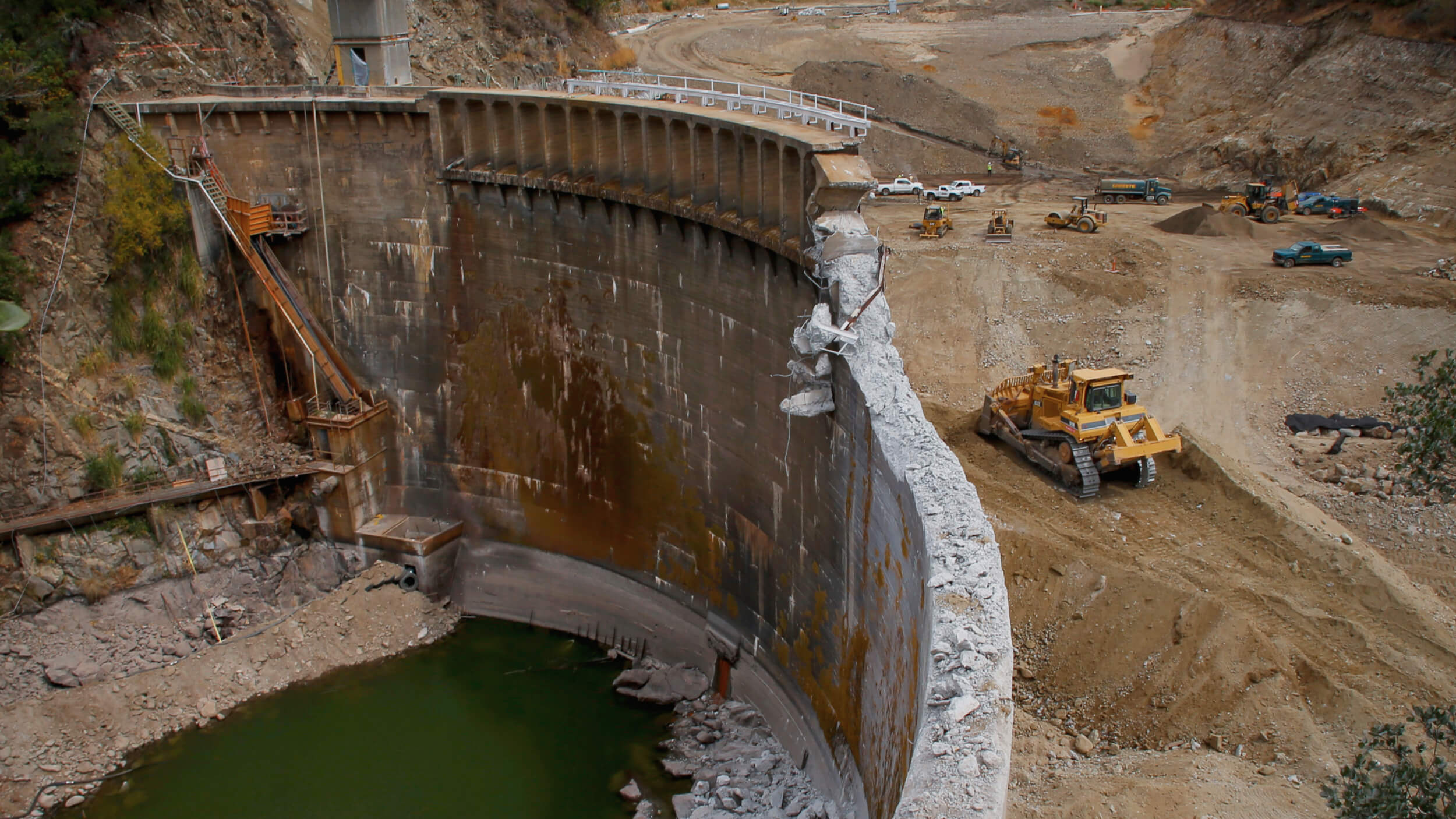
Retrofitting America’s aging dams for hydropower — while removing ecologically harmful ones — may be a productive path forward.
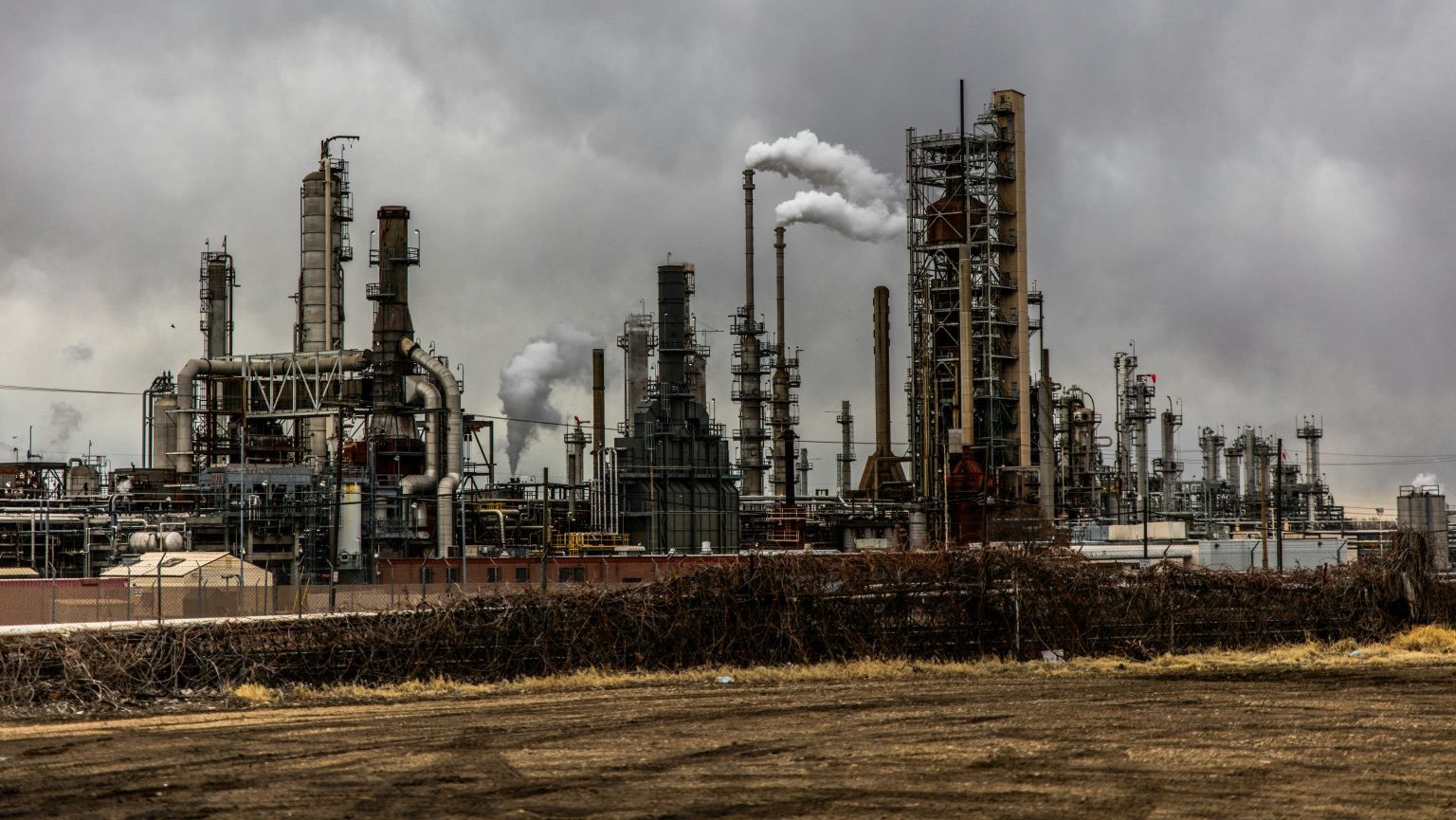
The carbon market and offsetting system have created “carbon cowboys” and perpetuated forms of neo-colonialism and other inequities.
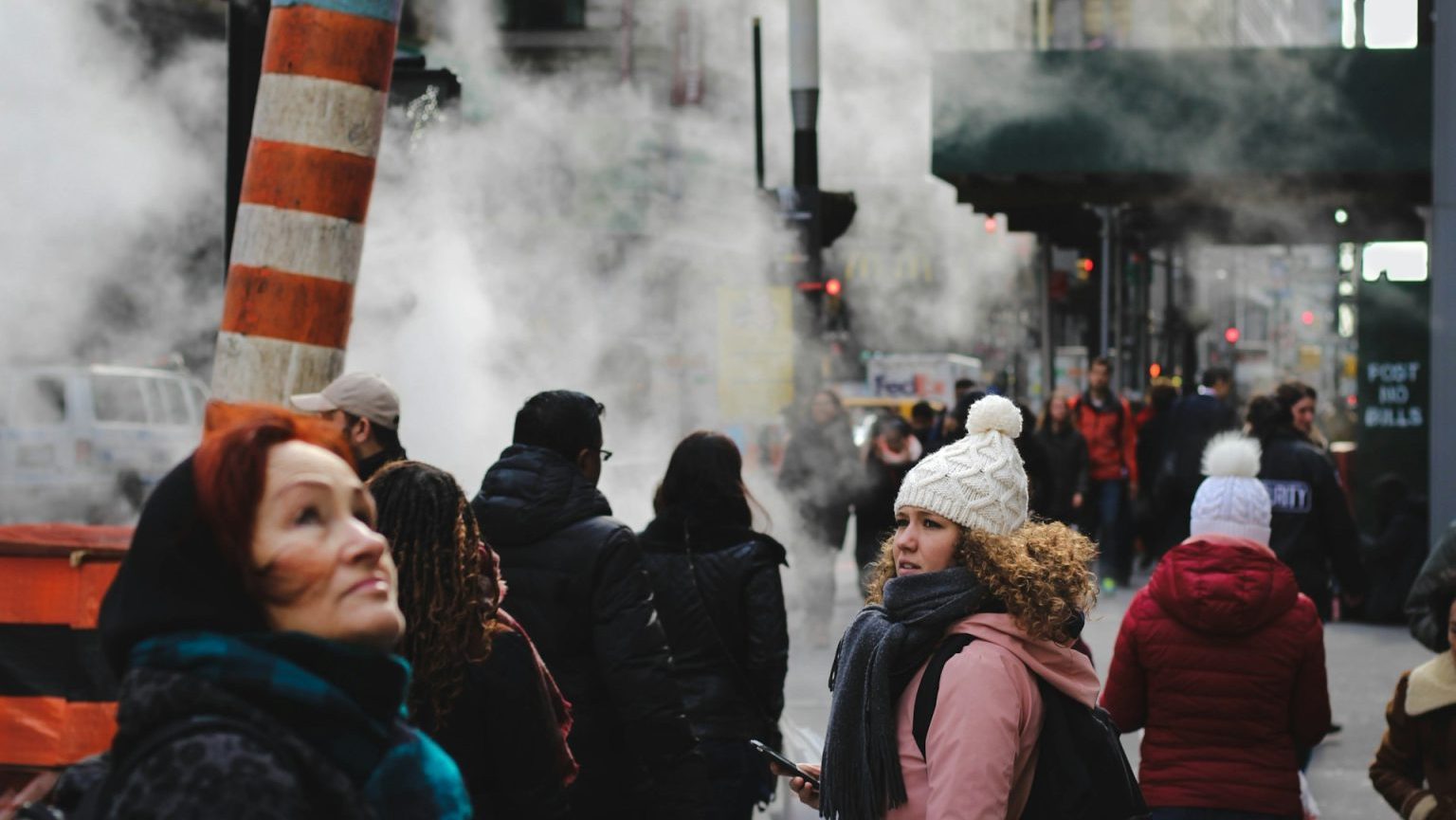
On November 25, U.N. members will meet in South Korea to cap off a series of meetings aiming to reduce global plastic pollution.
Recent controversies bode ill for the effort to detect life on other planets by analyzing the gases in their atmospheres.
Of the millions of substances people encounter daily, health researchers have focused on only a few hundred. Those in the emerging field of exposomics want to change that.
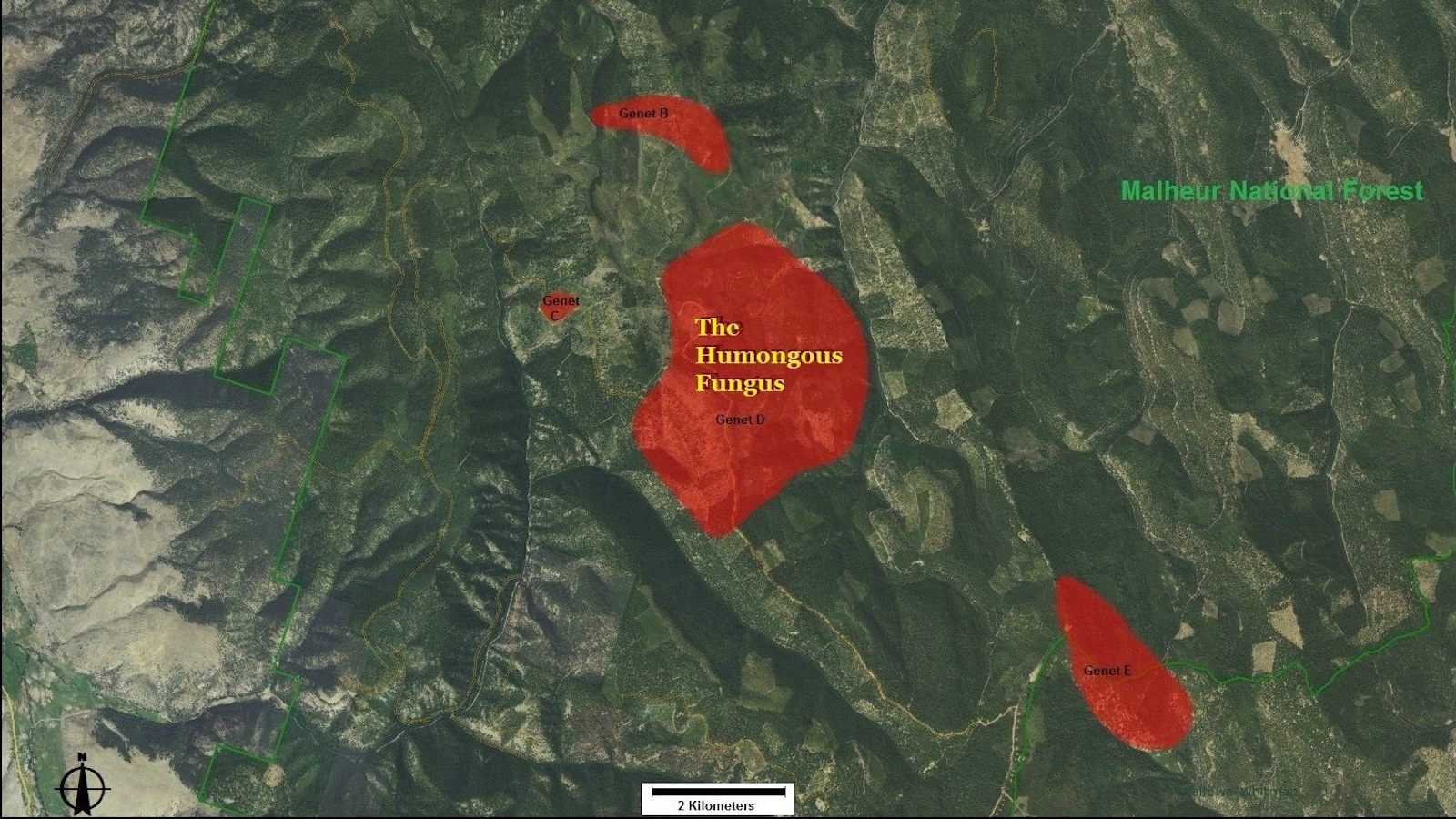
A member of a species that kills trees, this mushroom is not the first to be called the Humongous Fungus — and perhaps not the last.
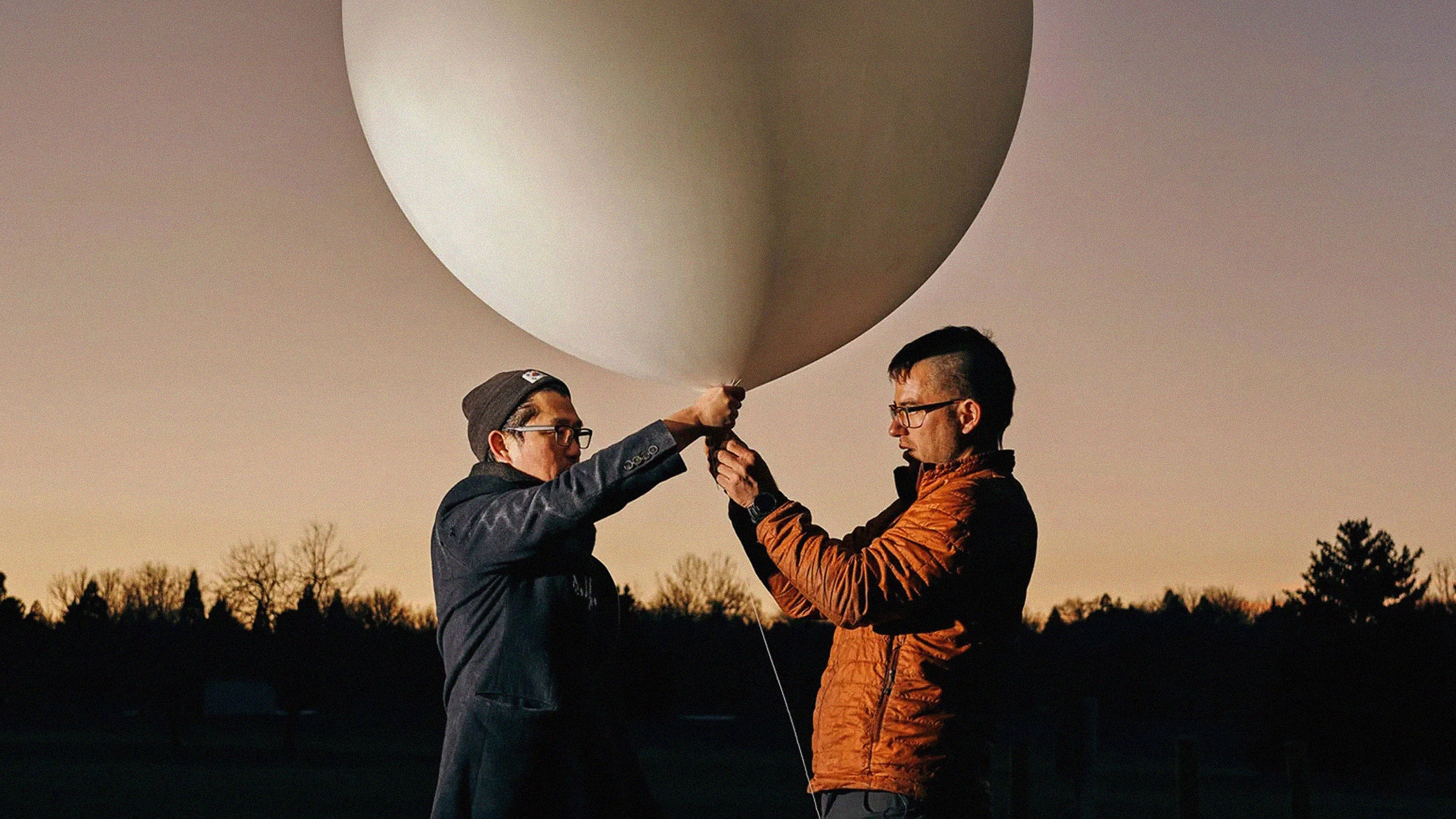
Make Sunsets is bringing solar geoengineering from sci-fi to reality.
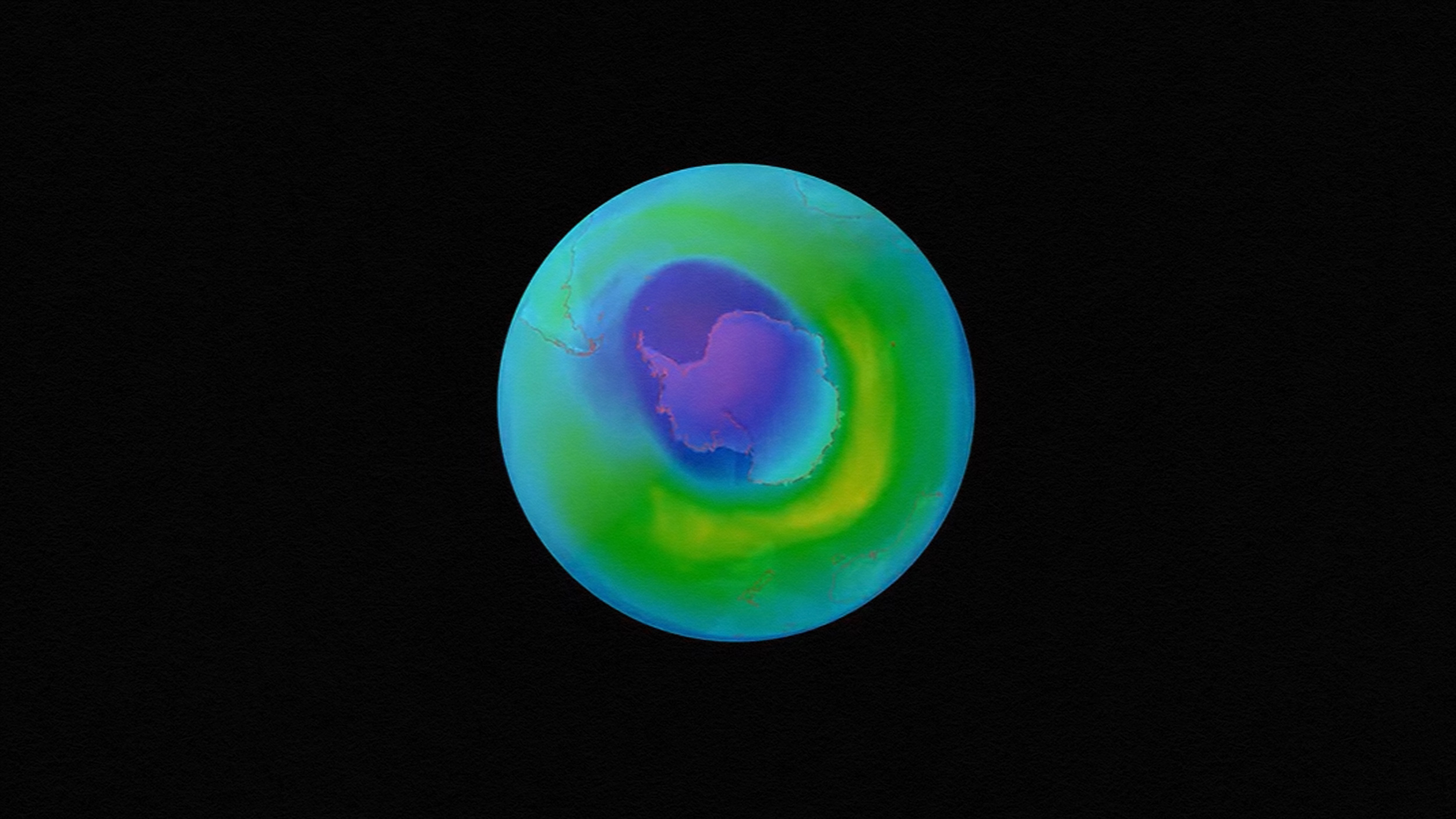
A scientist’s first-hand account shows the world can tackle a global environmental crisis.
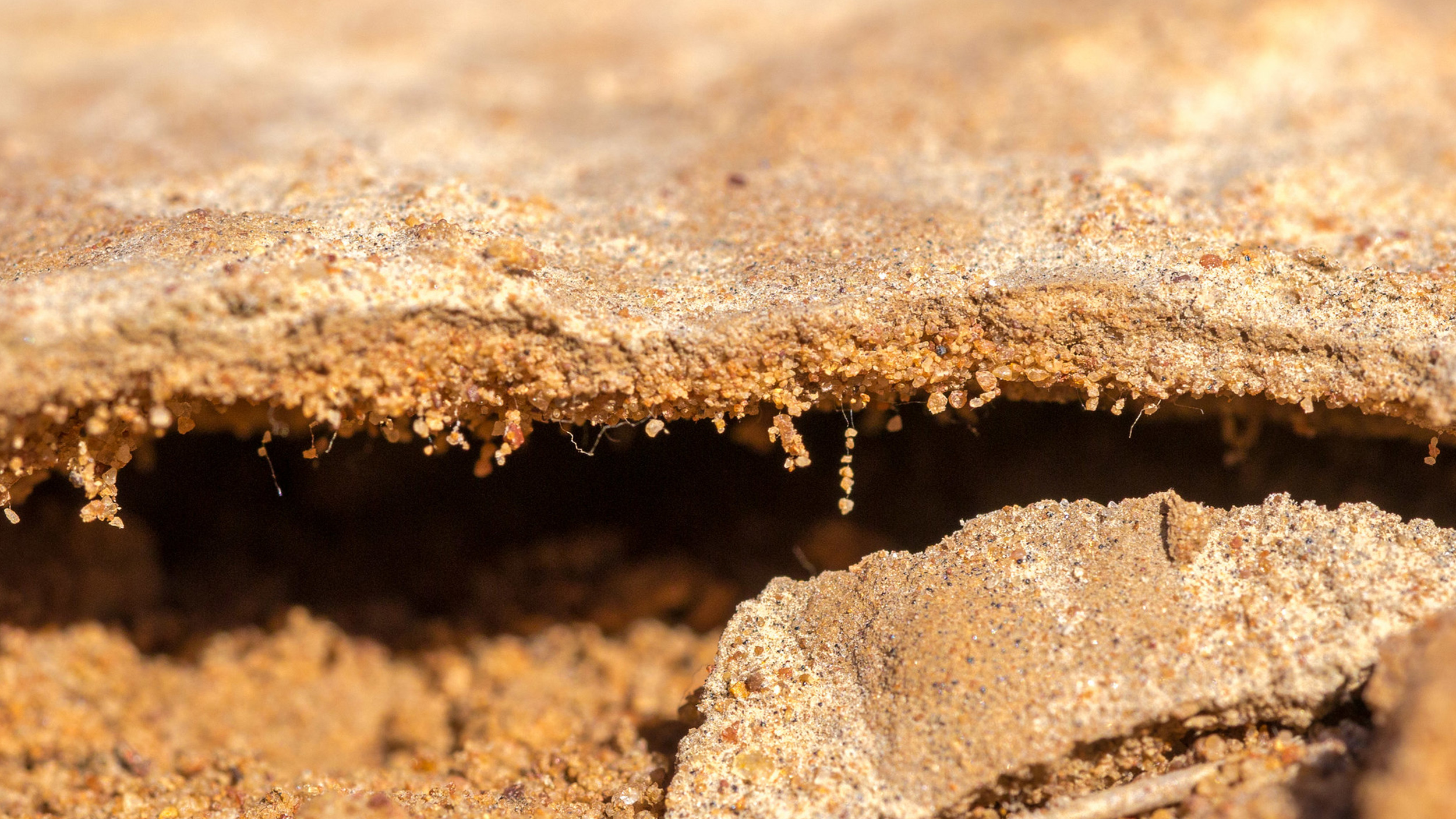
Think twice before stepping on that crunchy top layer of soil.
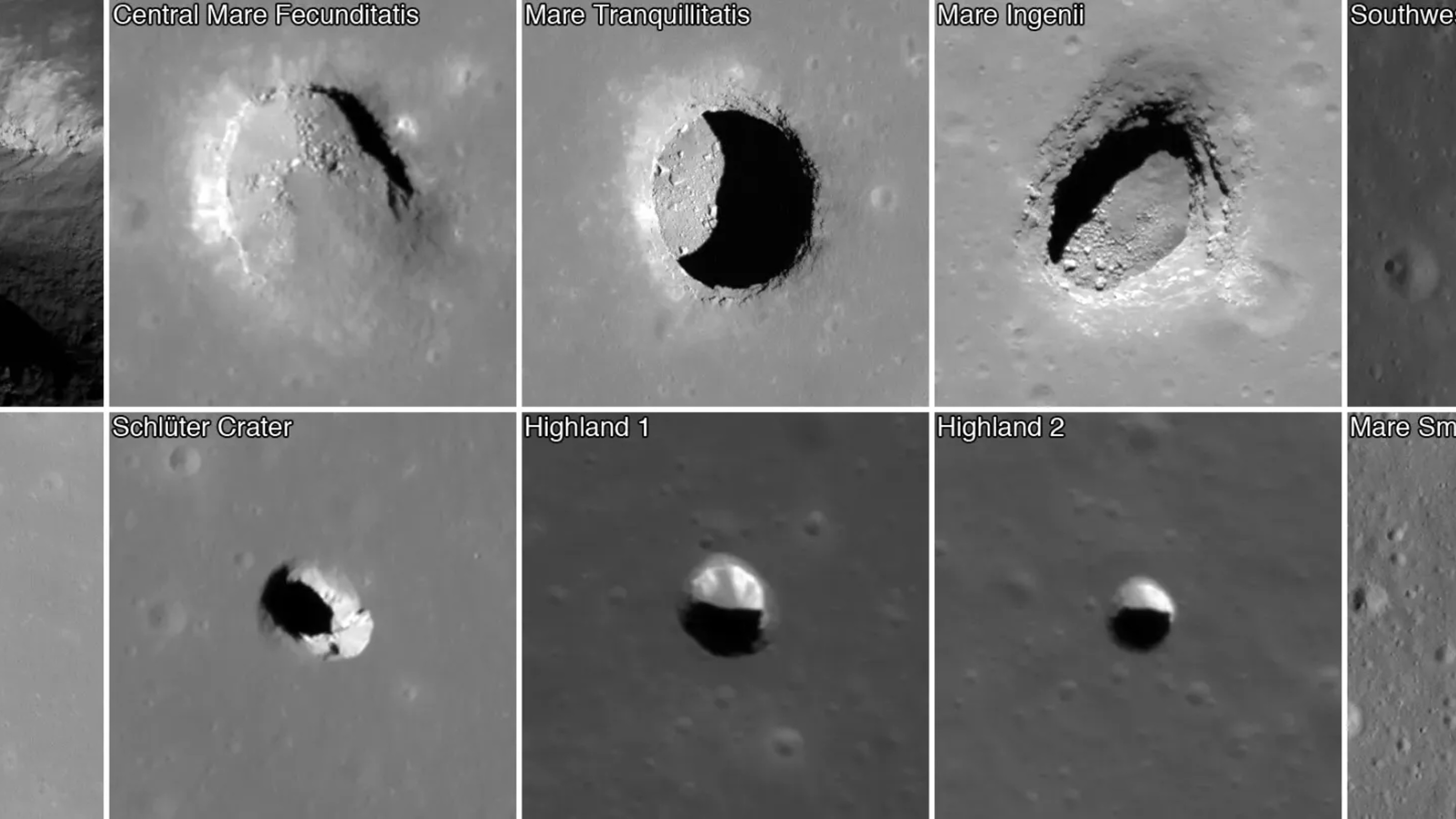
The recent discovery of a large cave on the Moon highlights the importance of caves not just for future space explorers but astrobiology as well.
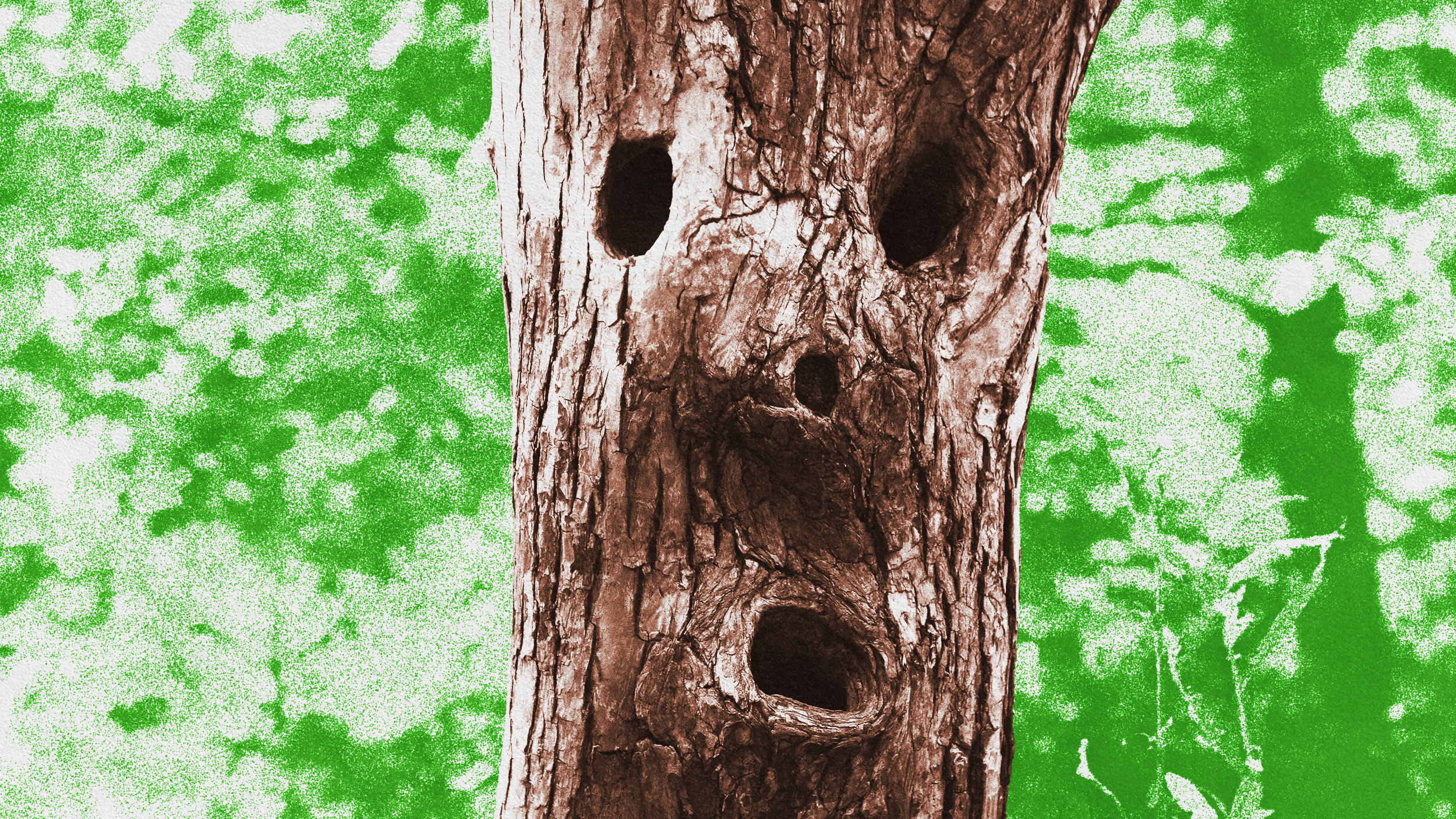
The idea of awarding legal personhood to nature has received renewed attention in the contemporary environmental justice movement, but much contention remains.
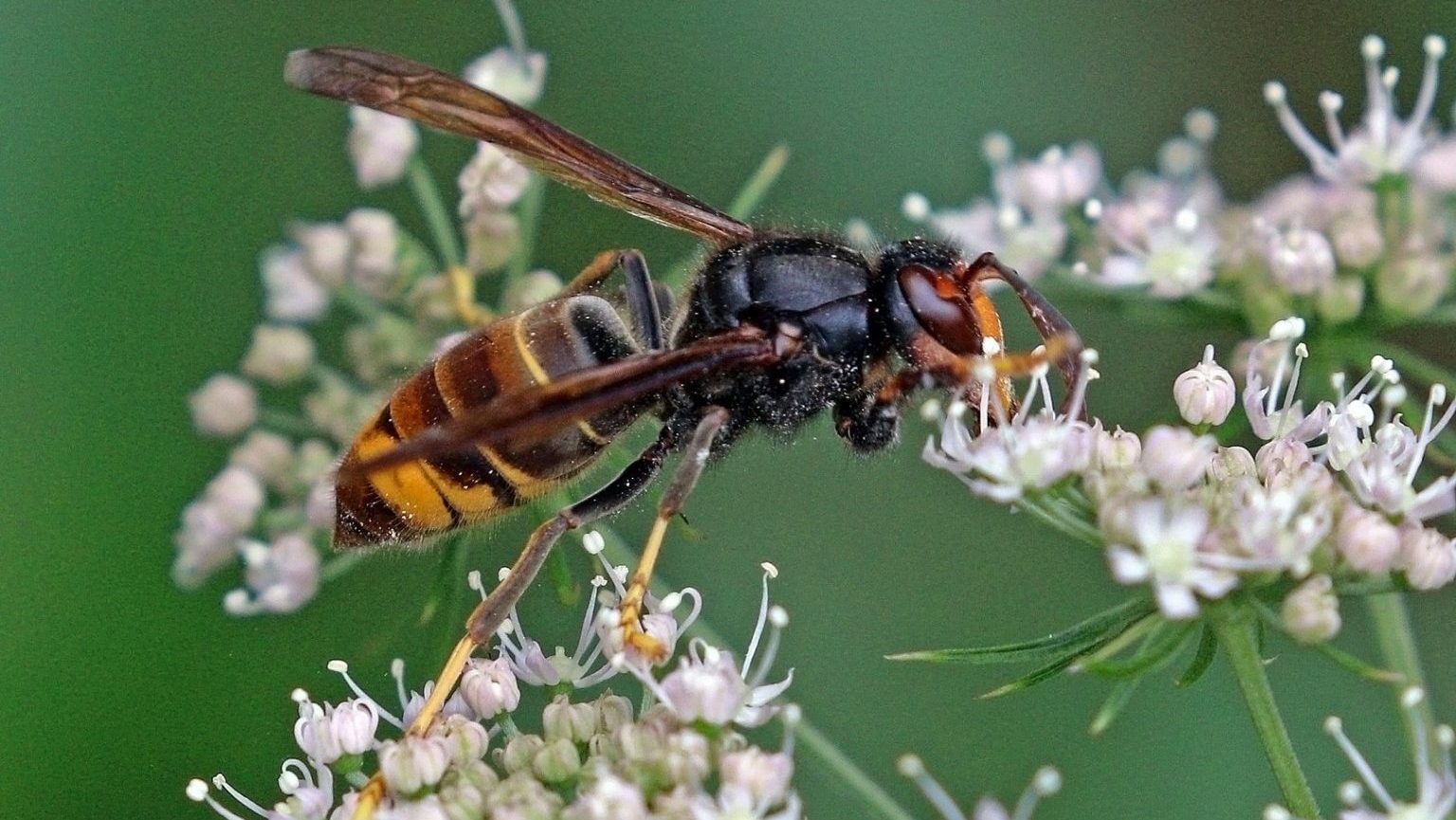
Researchers are working nest by nest to limit the threat while developing better eradication methods.
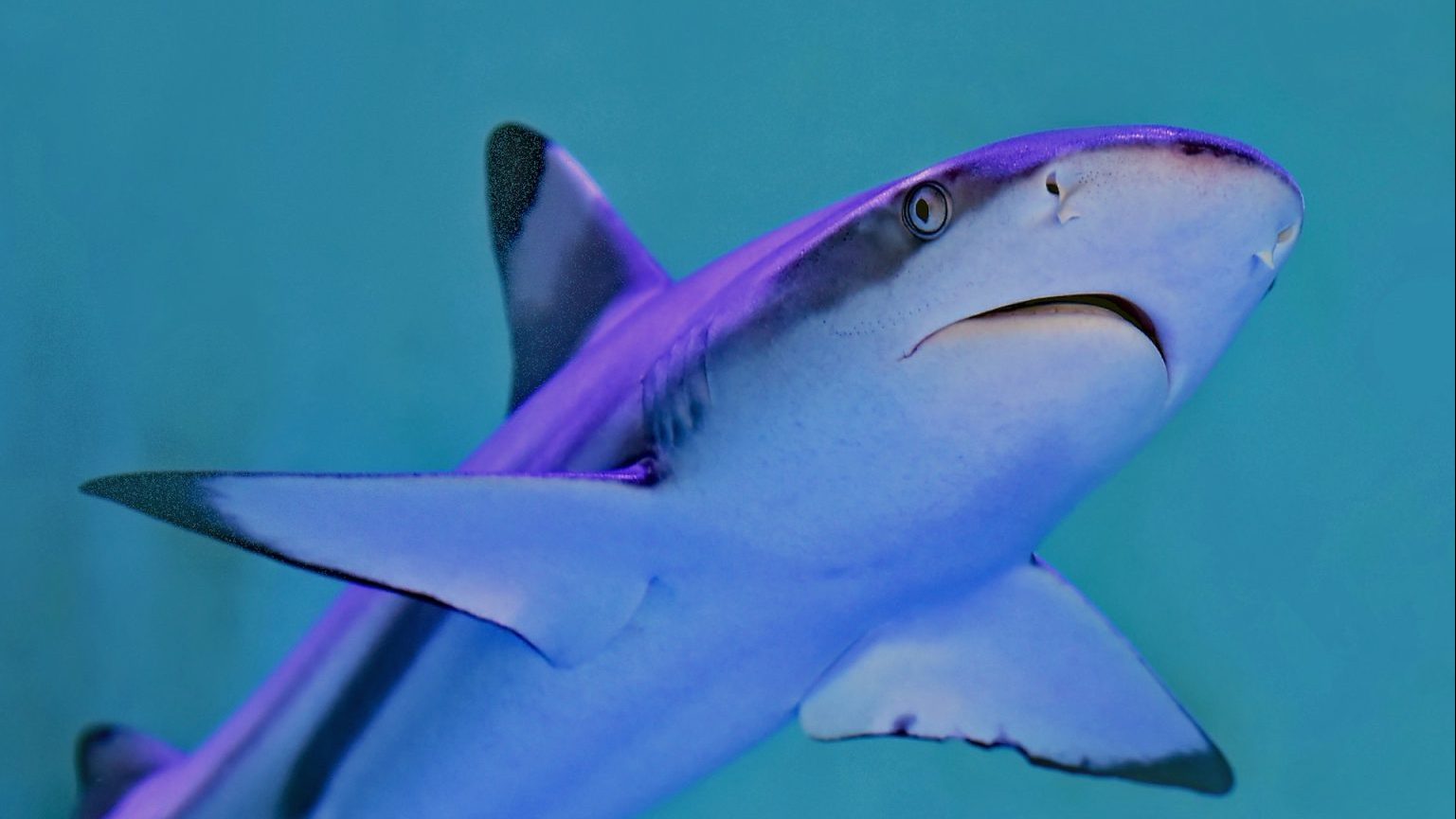
New tests to detect species being traded, as well as population studies, aim to help save them.
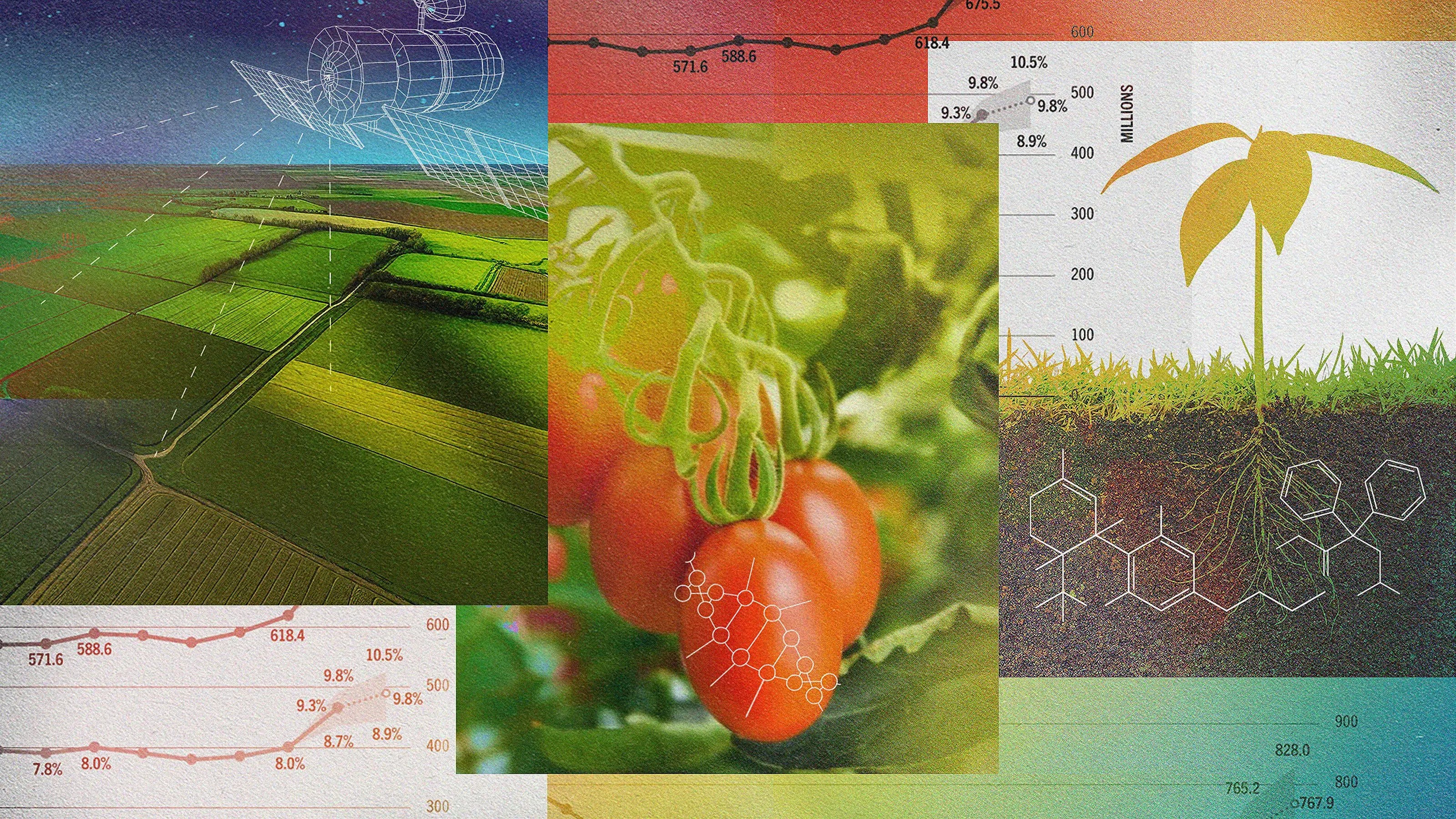
Hunger rates are rising. These technologies could turn the tide.

Driven by a childhood marked by war and environmental devastation, Dyhia Belhabib developed an innovative technology to combat illegal fishing.

Beef production is largely responsible for greenhouse gas emissions from the food system.

Food transport accounted for only 6% of emissions, but the production of dairy, meat, and eggs accounted for 83%
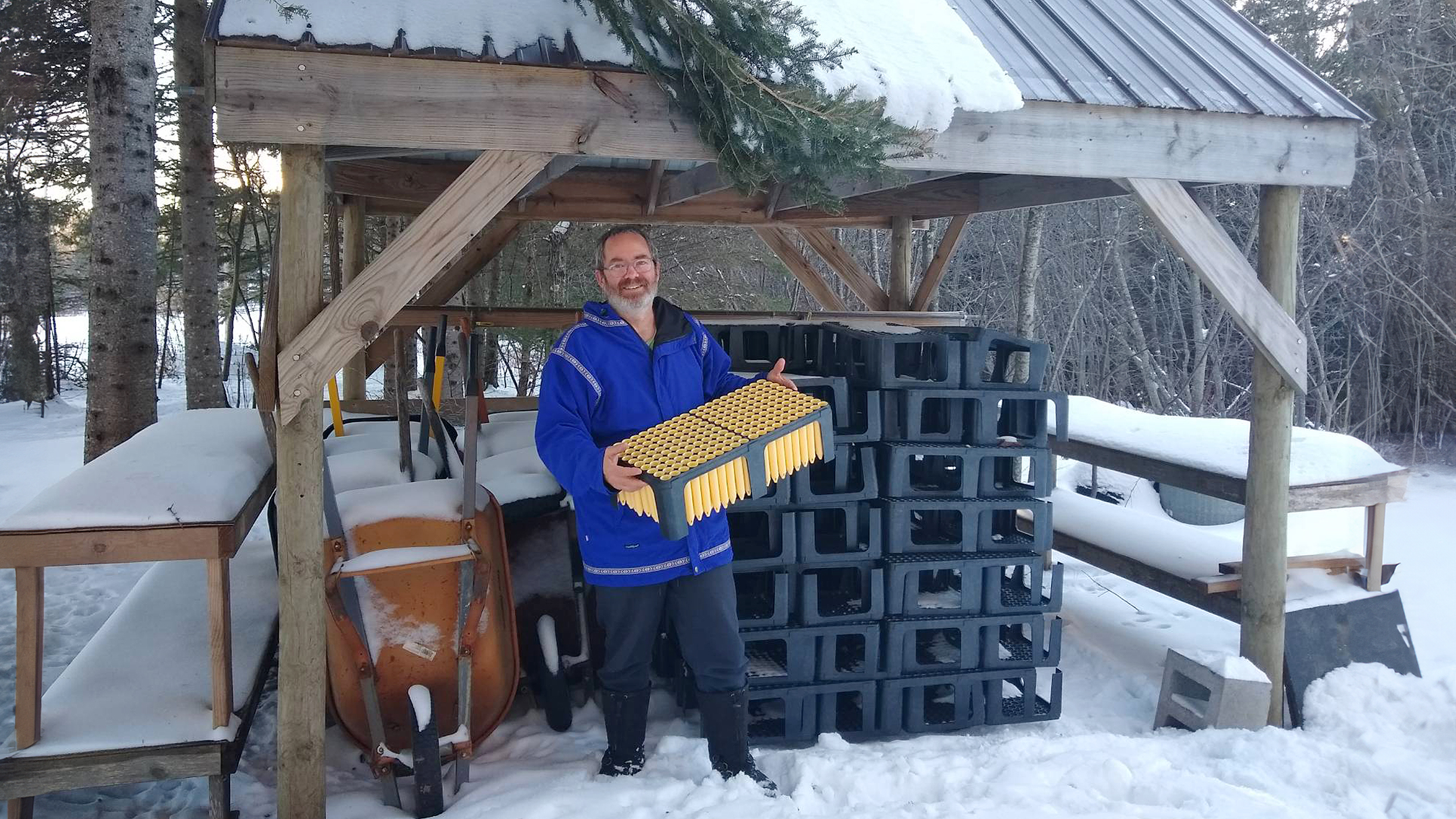
As the world warms, trees in forests such as those in Minnesota will no longer be adapted to their local climates. That’s where assisted migration comes in.
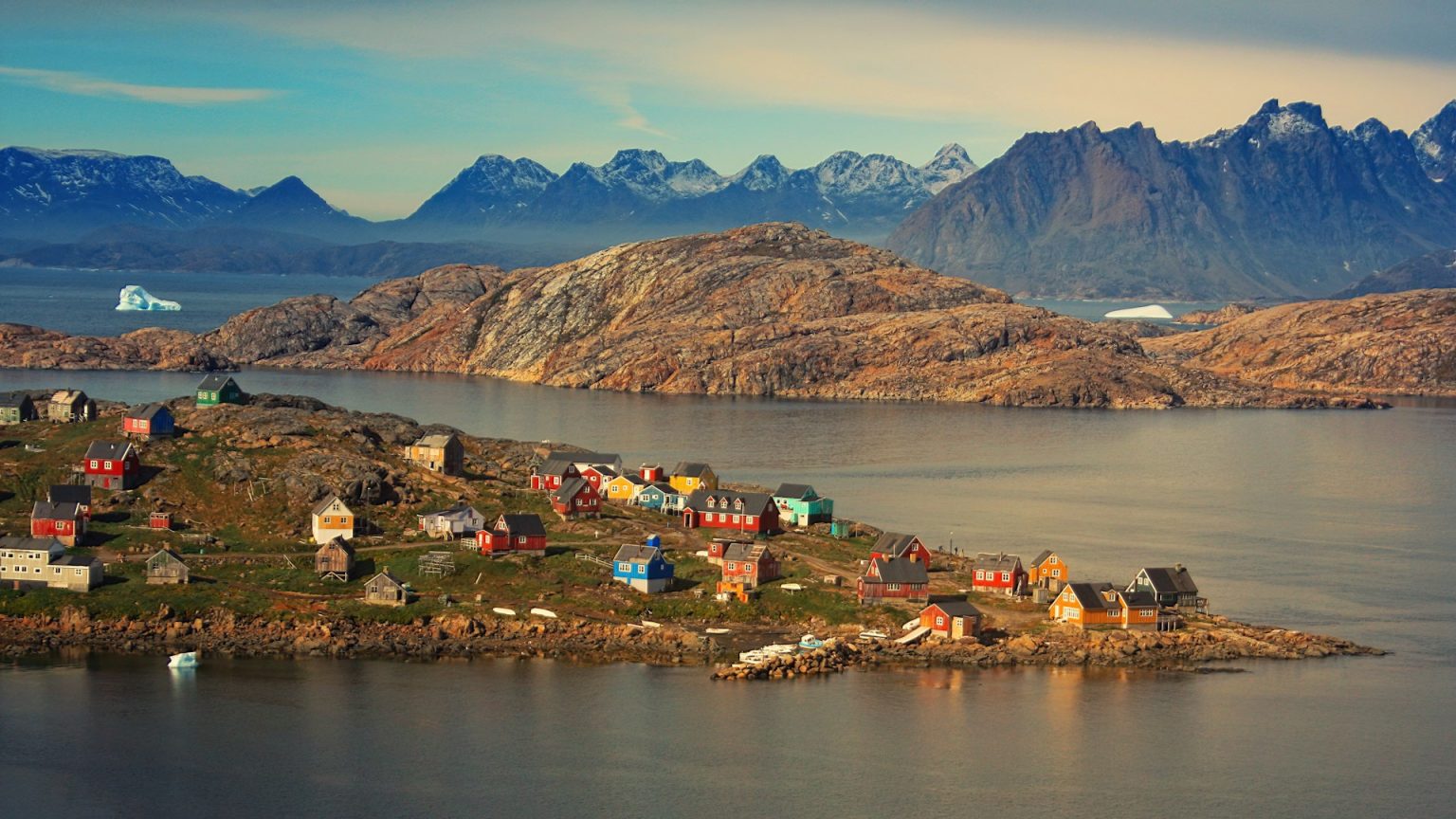
Scientists are working to map out the risks of the permafrost thaw, which could expose millions of people to the invisible cancer-causing gas.
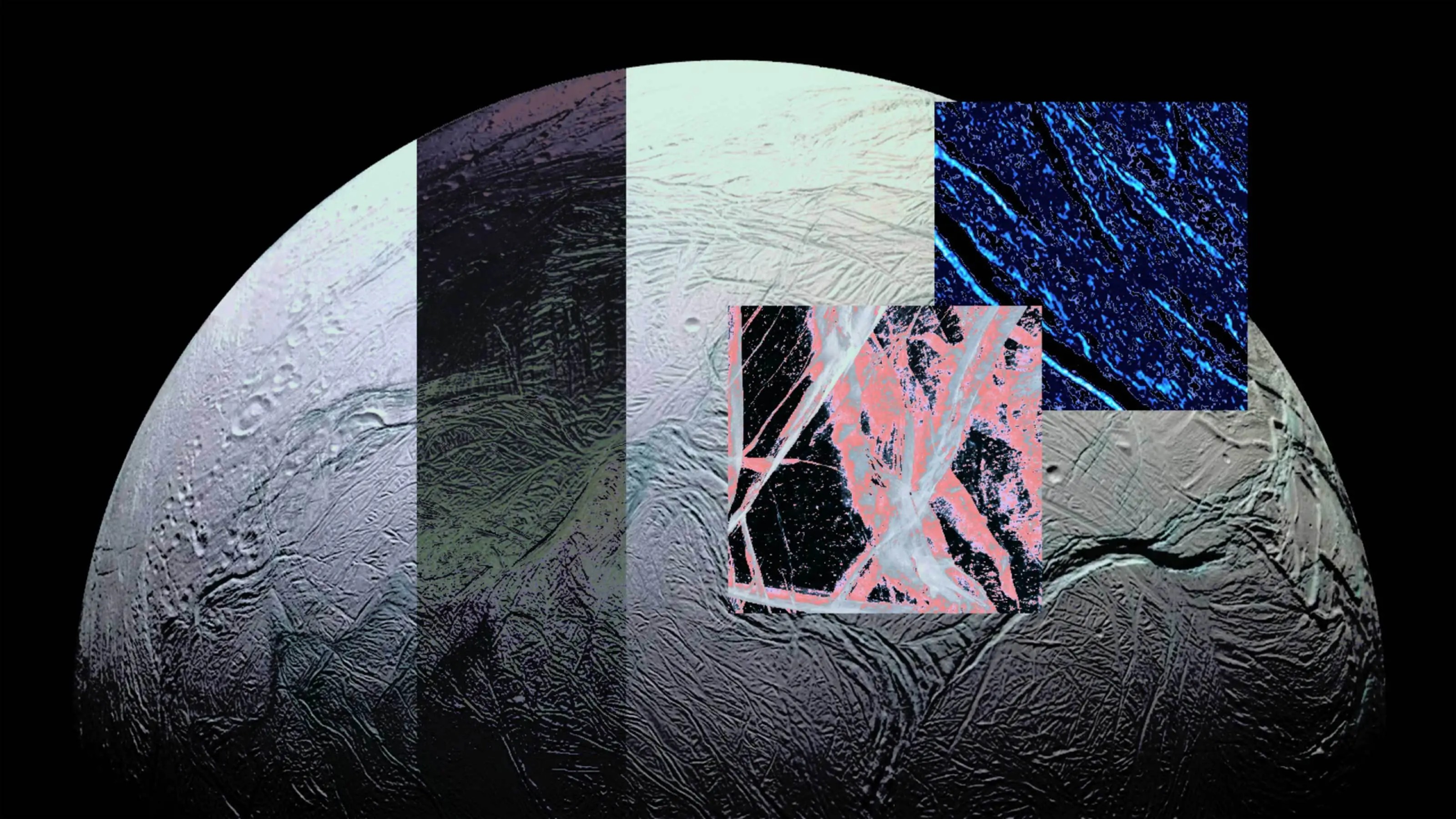
If there’s life lurking on the moons of Saturn and Jupiter, could our instruments even detect it?
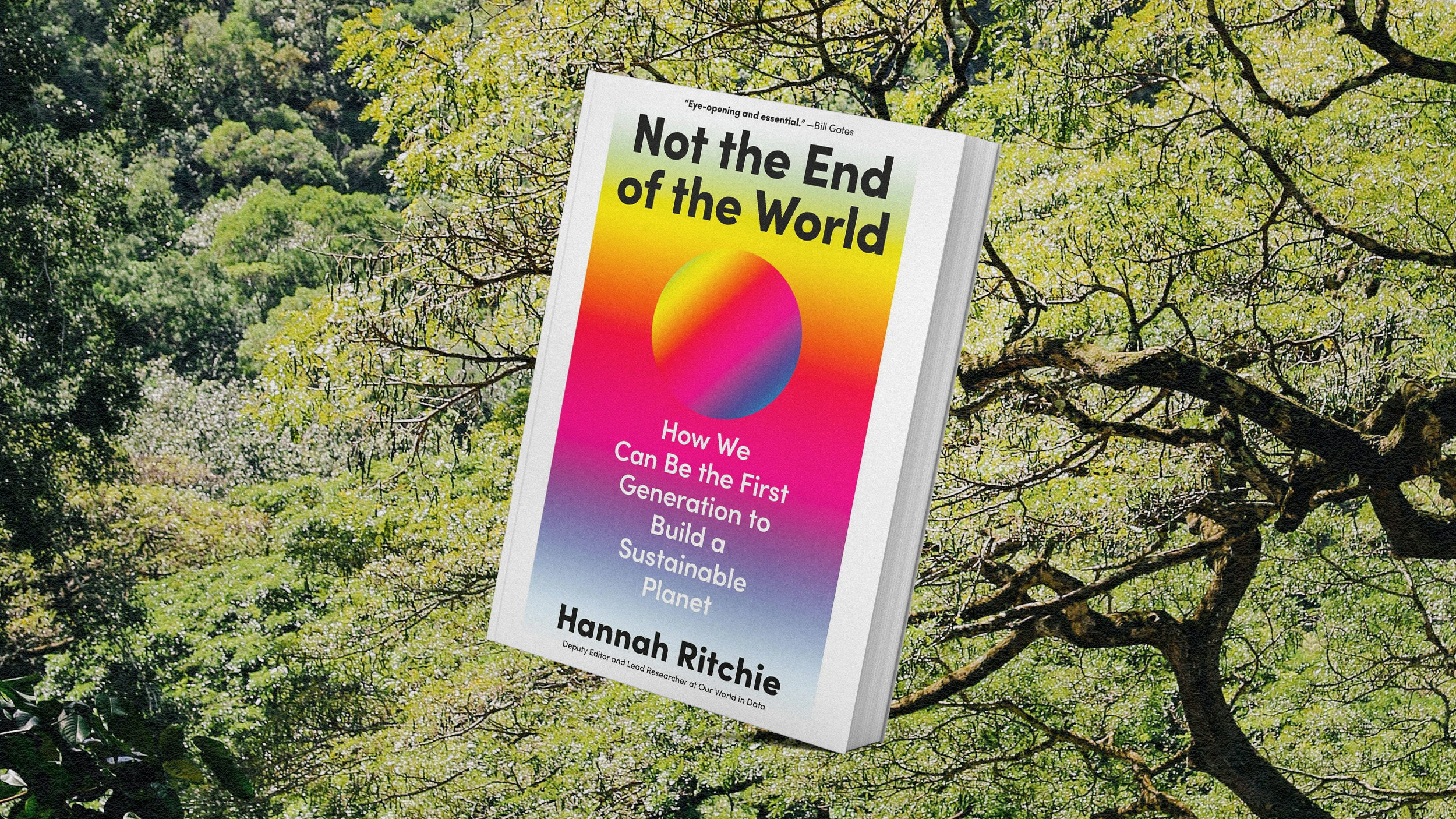
Environmental progress is happening quickly but we must keep pushing for change.