history
Welcome to The Nightcrawler — a weekly newsletter from Eric Markowitz covering tech, innovation, and long-term thinking.
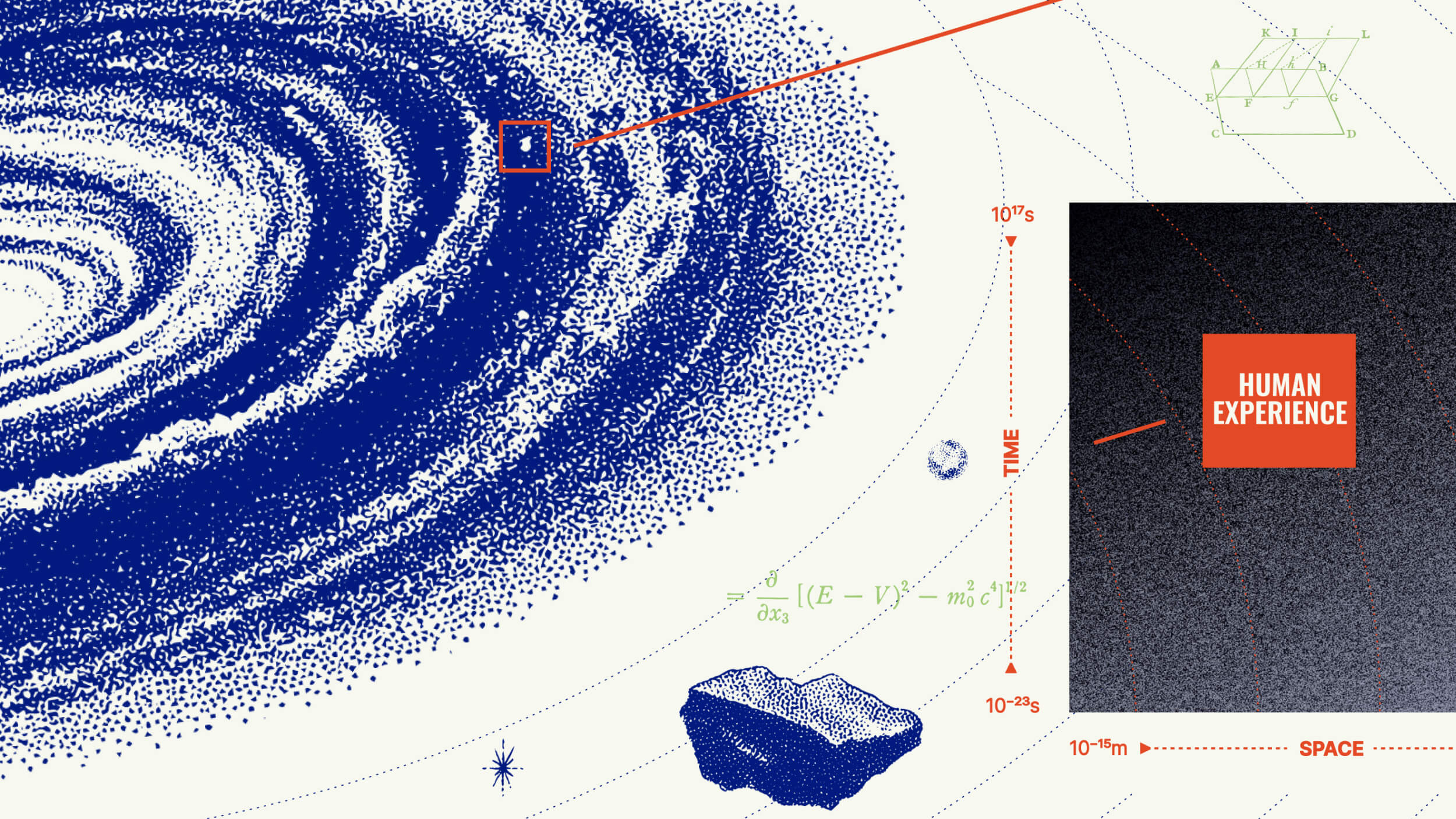
Science helps us imagine the vastness of space and time — and our small but meaningful place within it.
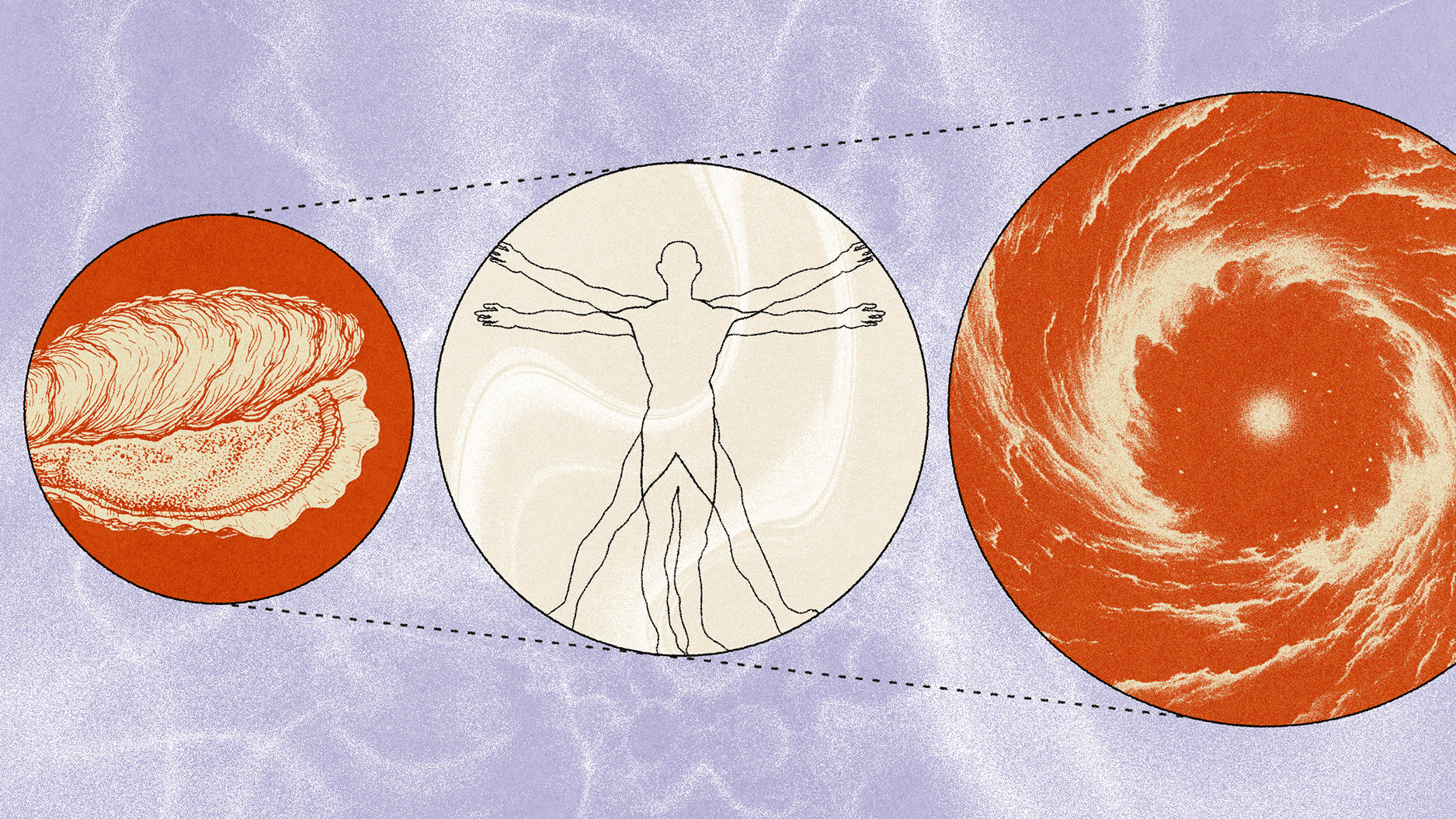
Philosophers once prophesied that evolution would lead to minds far greater — and stranger — than our own.
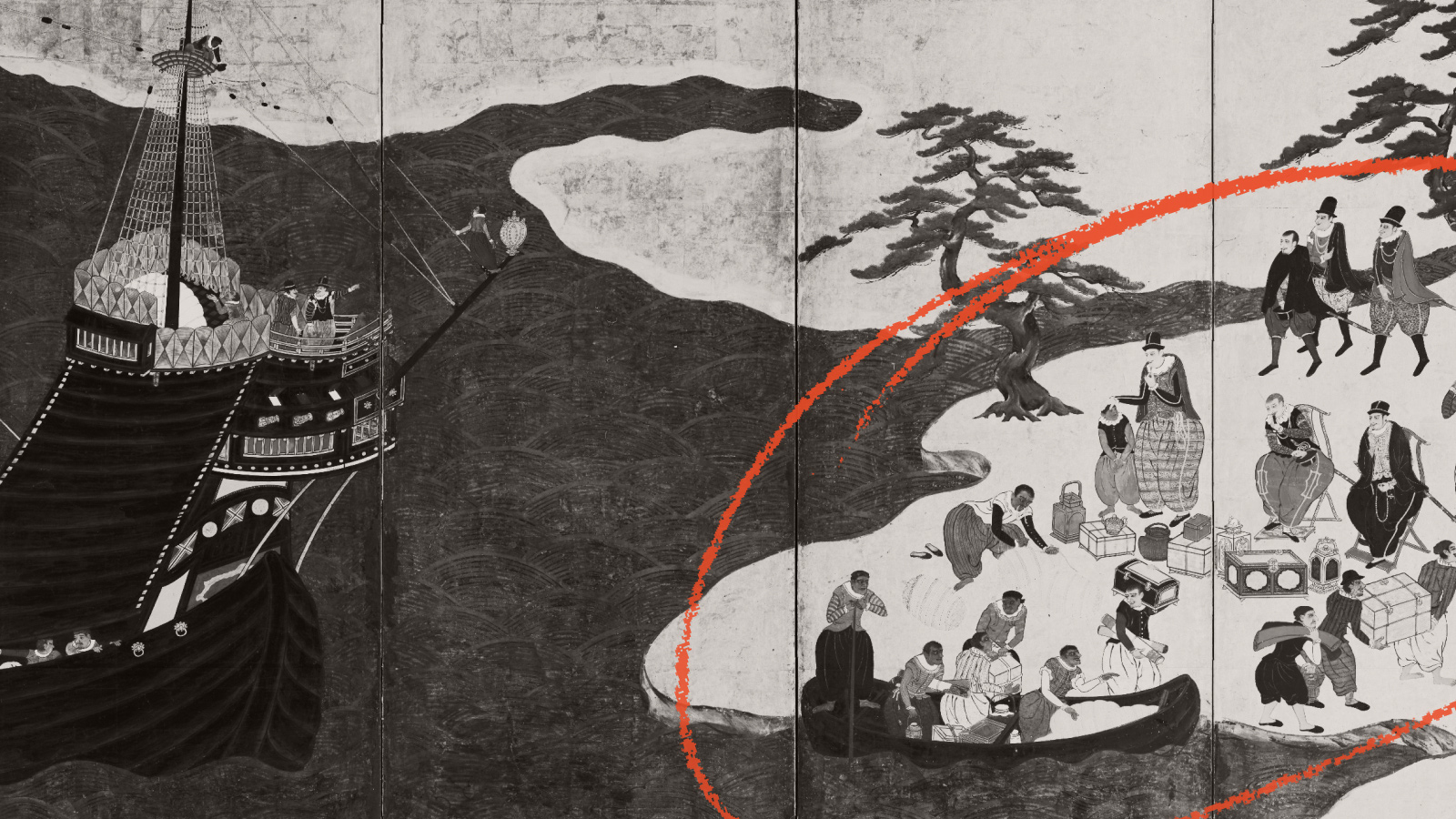
In the Embers series, historian M.G. Sheftall shares the stories of Hiroshima and Nagasaki’s last survivors and reveals why their testimony must endure.
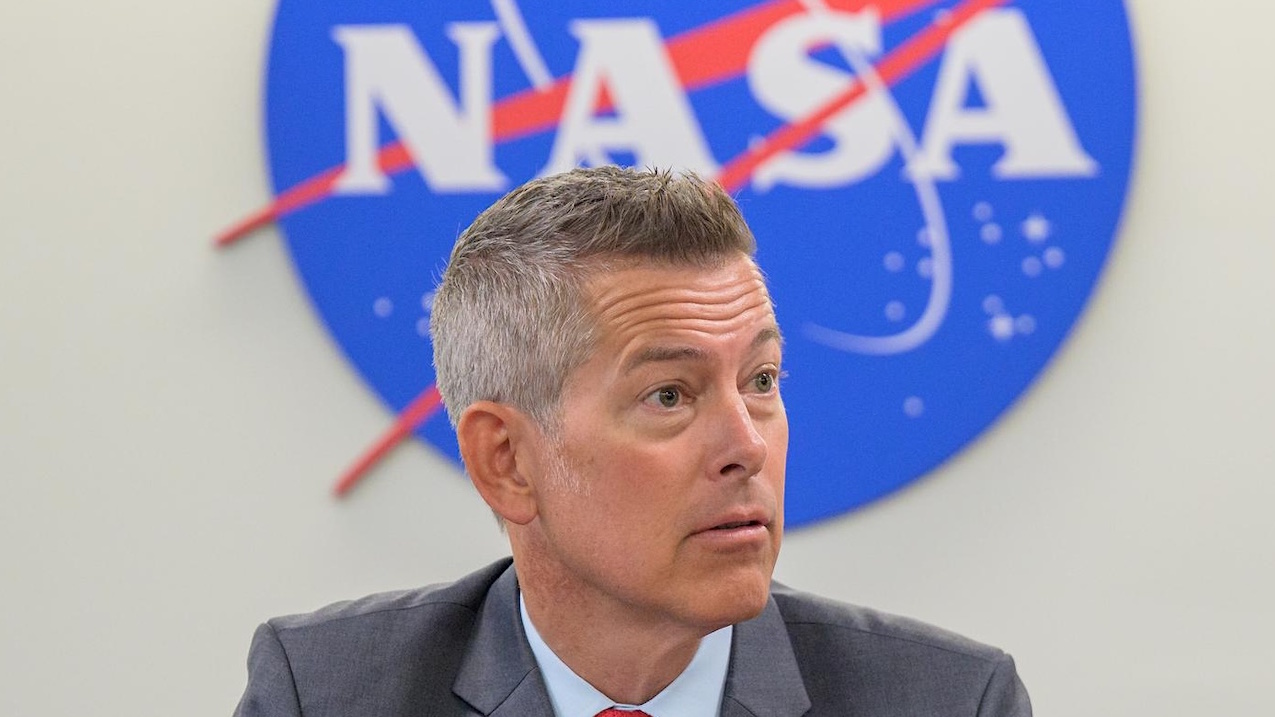
NASA’s 1958 charter’s top priority was, “the expansion of human knowledge of phenomena in the atmosphere and space.” Is this how it ends?

Nuclear chemist Tim Gregory joins Big Think to make the case that nuclear energy can still transform the world for the better.

Welcome to The Nightcrawler — a weekly newsletter from Eric Markowitz covering tech, innovation, and long-term thinking.

Einstein is credited with saying, “If the facts don’t fit the theory, change the facts.” What he actually said has a very different meaning.
Welcome to The Nightcrawler — a weekly newsletter from Eric Markowitz covering tech, innovation, and long-term thinking.
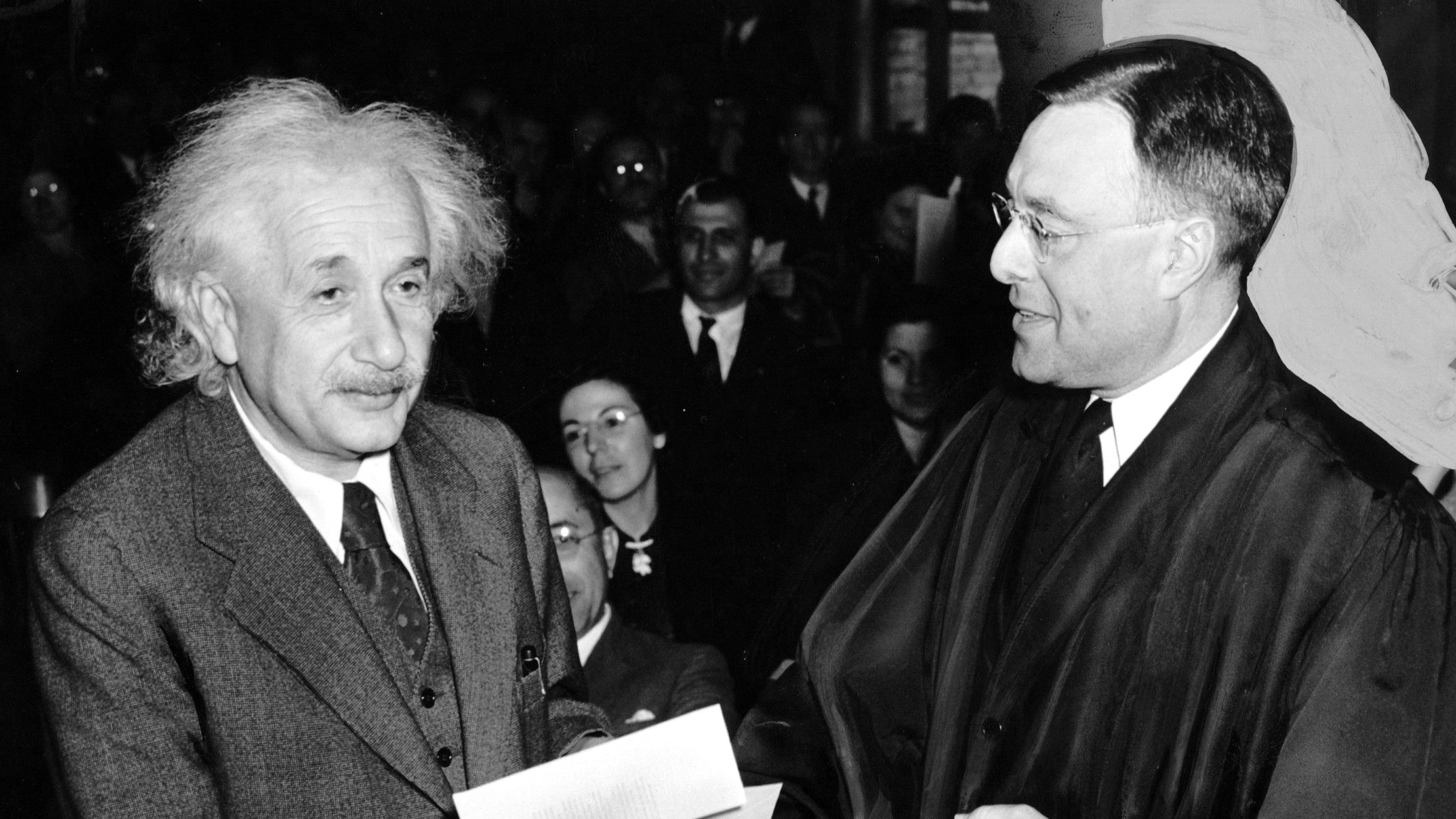
From Einstein to Twain, Garson O’Toole investigates the truth behind your favorite — and often misattributed — quotes.
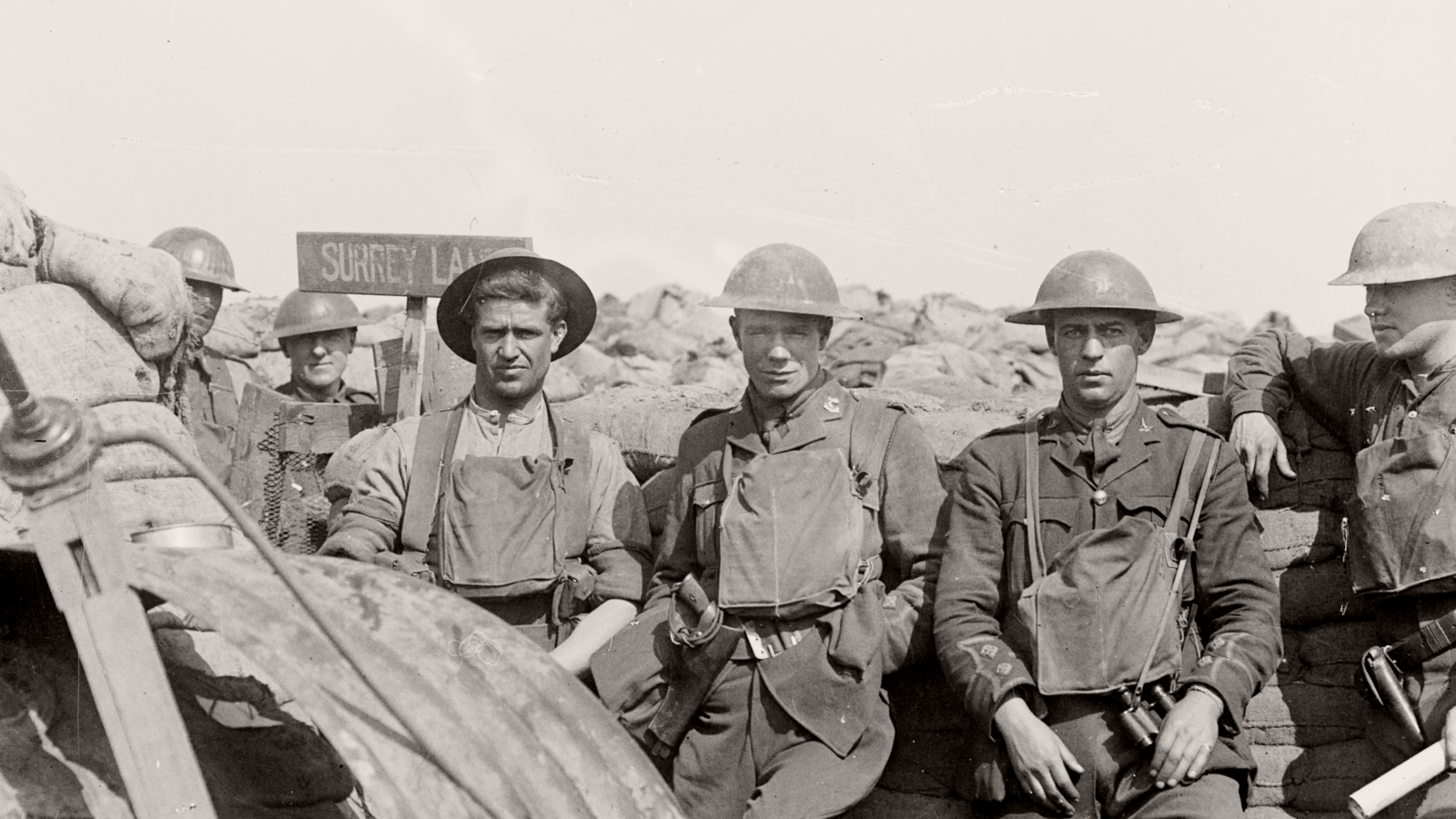
Historians Alexandra Churchill and Nicolai Eberholst reexamine the pivotal conflict from a grassroots perspective.
Welcome to The Nightcrawler — a weekly newsletter from Eric Markowitz covering tech, innovation, and long-term thinking.
Author and geopolitical strategist Paulo Cardoso do Amaral urges us to ask: Will we shape AI with wisdom, or will AI reshape us with strategy?

Some books are remembered for their lyrical prose or engaging stories. Others are remembered for simply being weird.
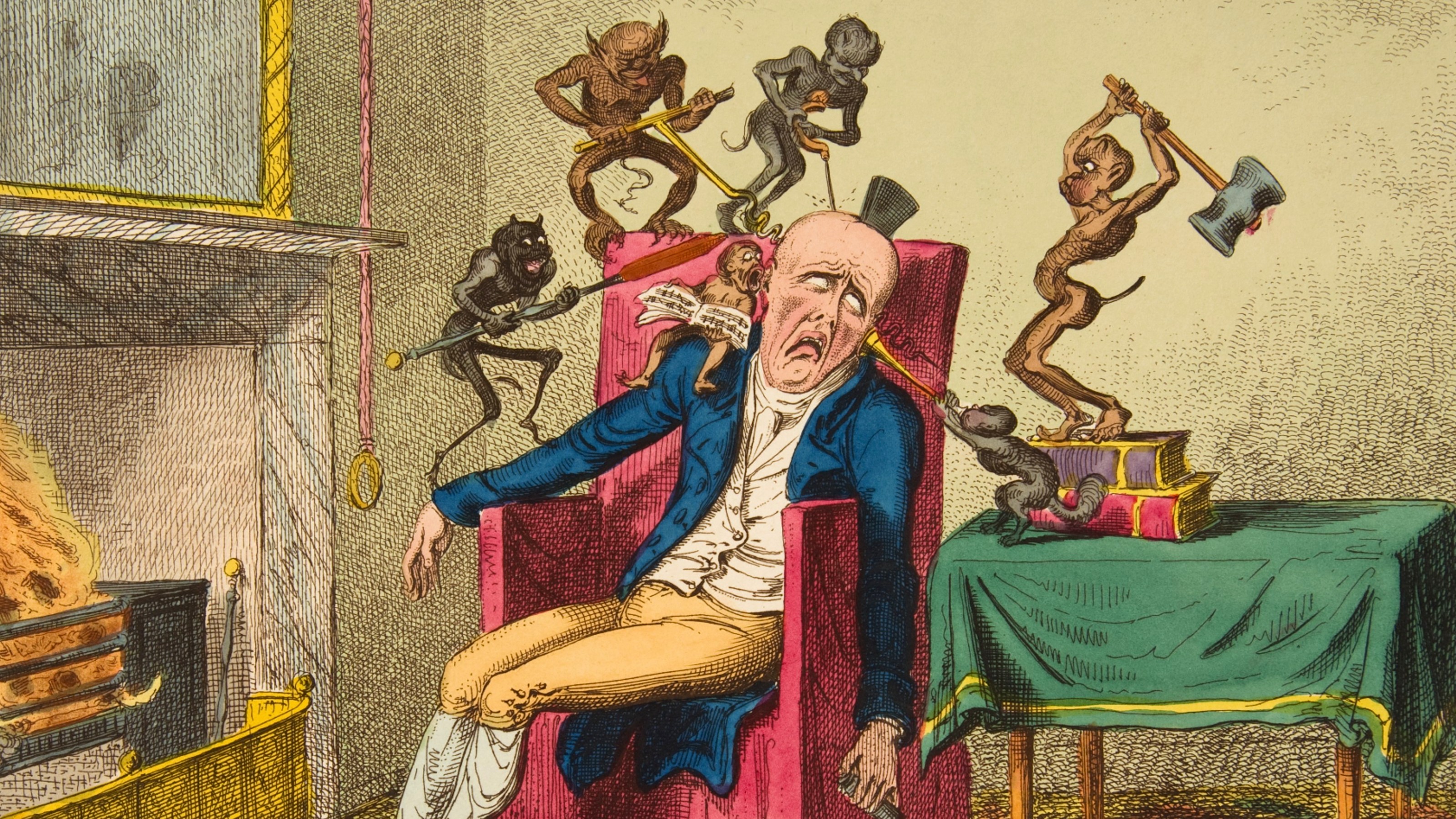
In “The Headache,” Tom Zeller Jr. explores one of the human brain’s most enduring, and painful, enigmas.
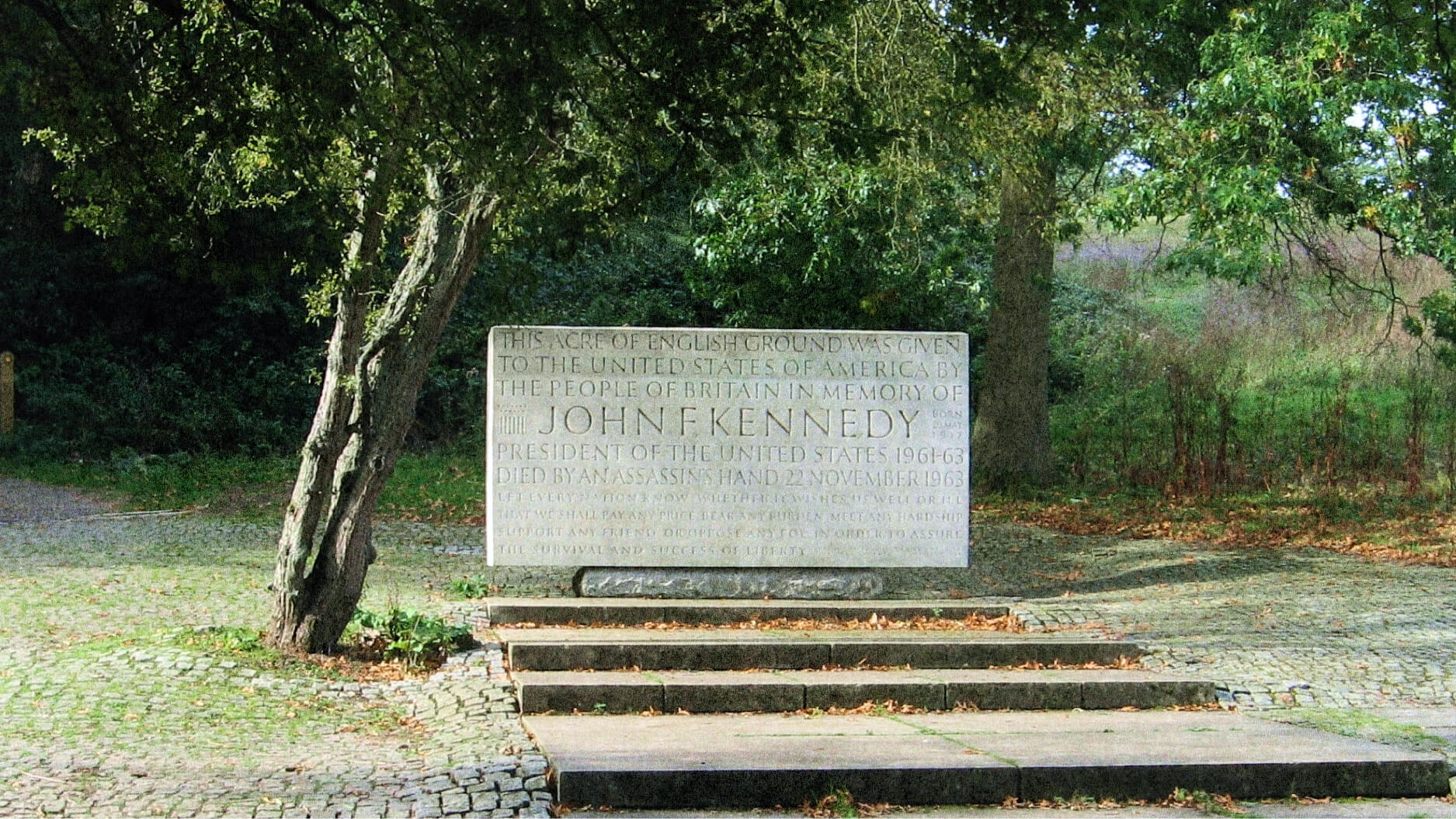
The JFK Memorial at Runnymede provides a link between America’s and Britain’s founding documents.

Before becoming America’s most infamous assassin, John Wilkes Booth was a magnetic actor who was beloved by audiences and courted by critics.
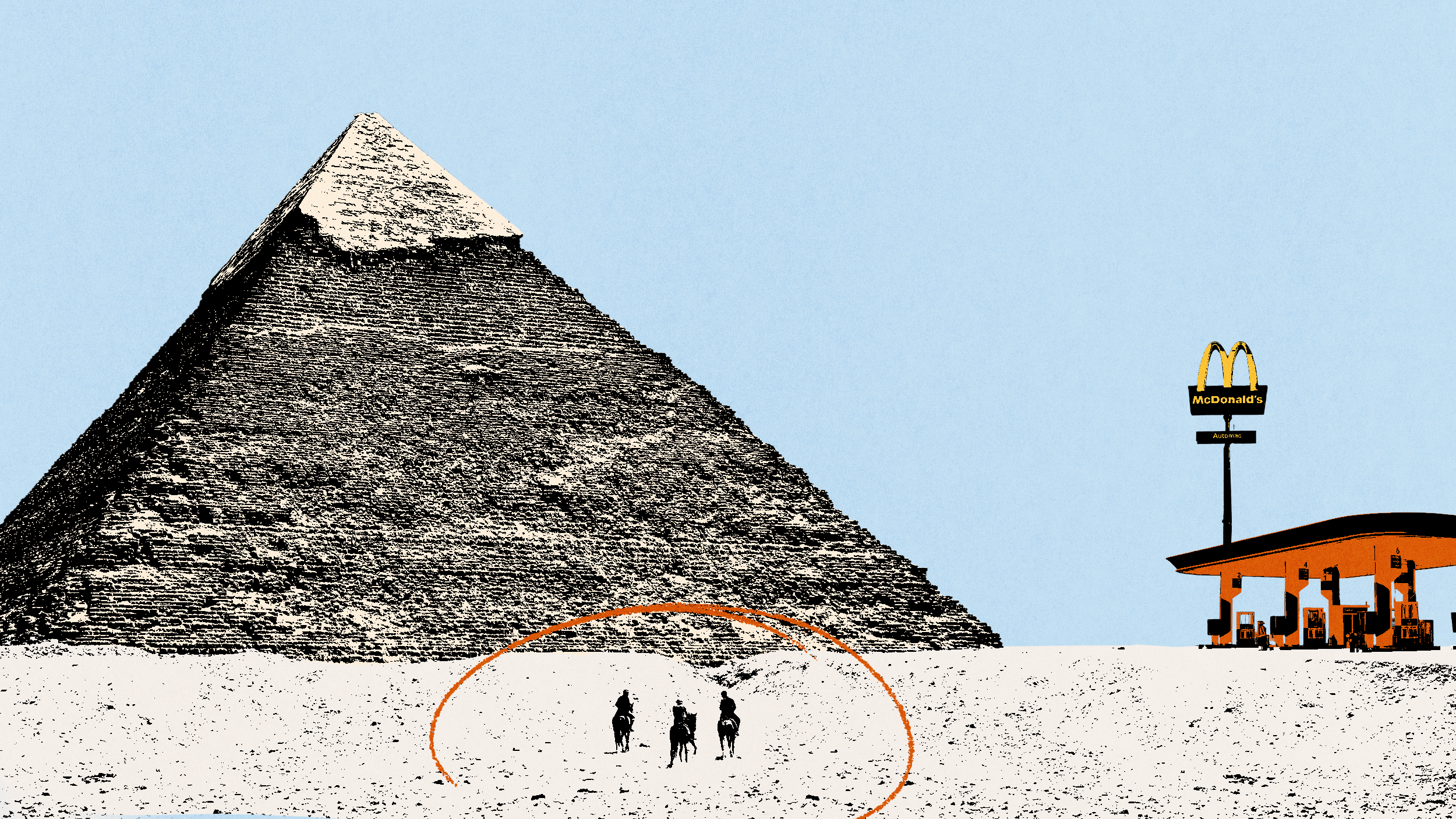
In “Dinner with King Tut,” Sam Kean examines how a burgeoning field is recreating ancient tasks to uncover historical truths.
Welcome to The Nightcrawler — a weekly newsletter from Eric Markowitz covering tech, innovation, and long-term thinking.
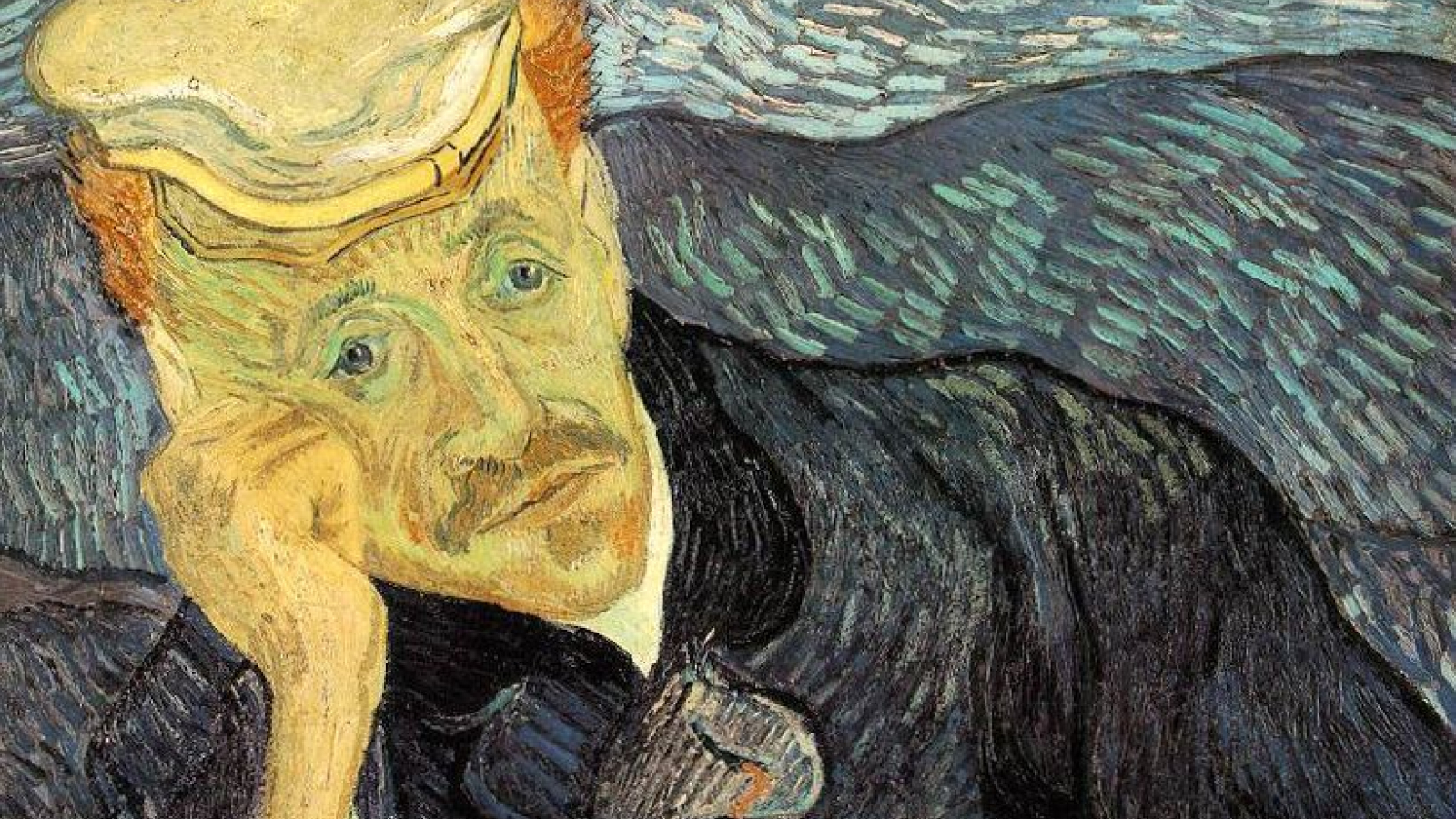
In “Human History on Drugs,” Sam Kelly explores what the research can tell us about one of history’s most brilliant — and troubled — artists.
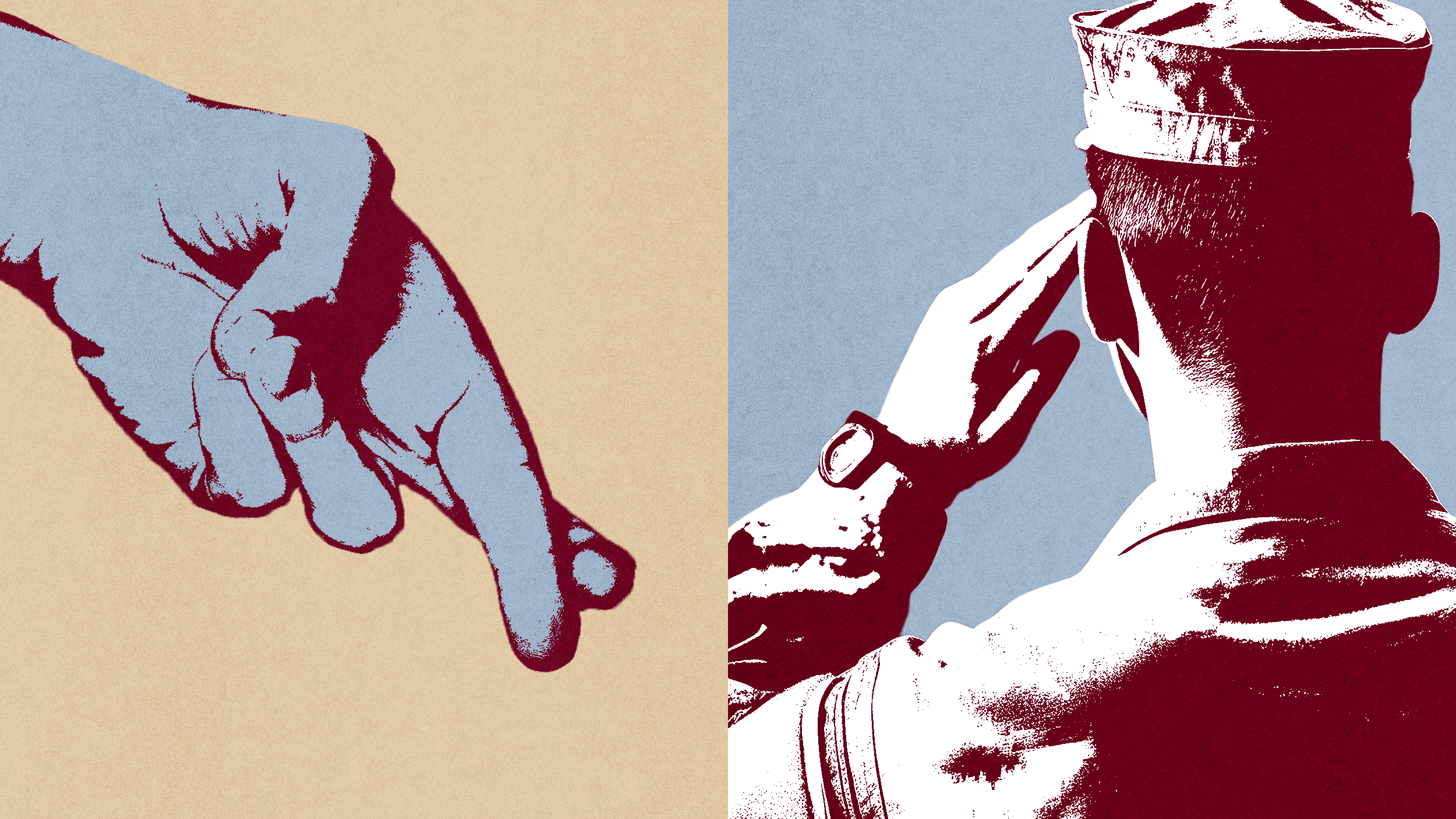
This is my country and this is what we stand for. At least for now.
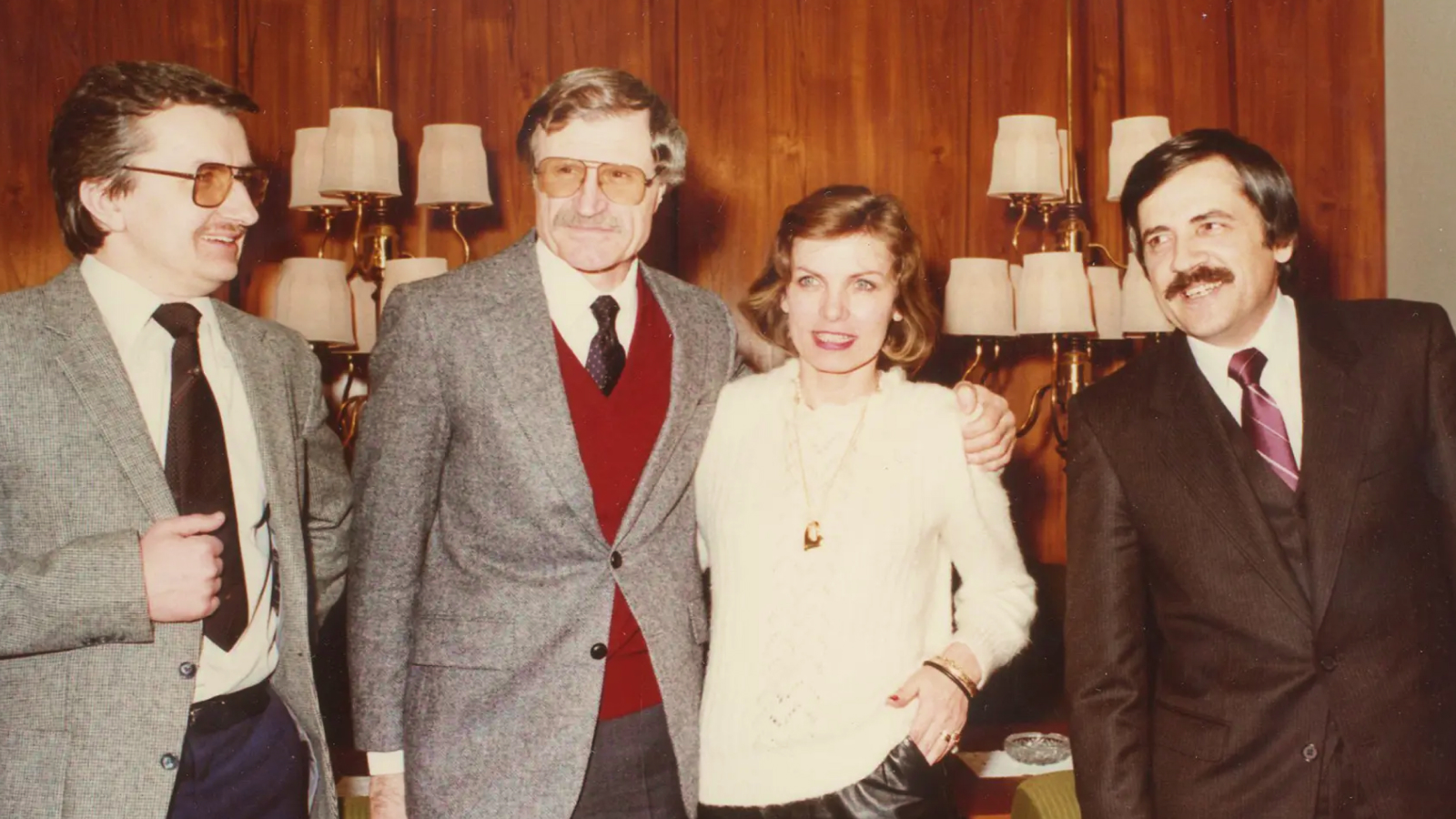
In this excerpt from “Agents of Change,” Christina Hillsberg tells the story of Martha “Marti” Peterson, the first female case officer stationed in Soviet Moscow.

In “The Gift of Not Belonging,” Rami Kaminski explains why group consensus may hinder the original thinkers who help advance society.

As Beijing encroaches on the territory of the Himalayan kingdom, its ultimate aim is leverage over India.

In “The Shortest History of the Dinosaurs,” Riley Black reveals the bold mammals that thrived in the Age of Reptiles.

Welcome to The Nightcrawler — a weekly newsletter from Eric Markowitz covering tech, innovation, and long-term thinking.
An atheist’s case for why American democracy needs a more Christlike Christianity.
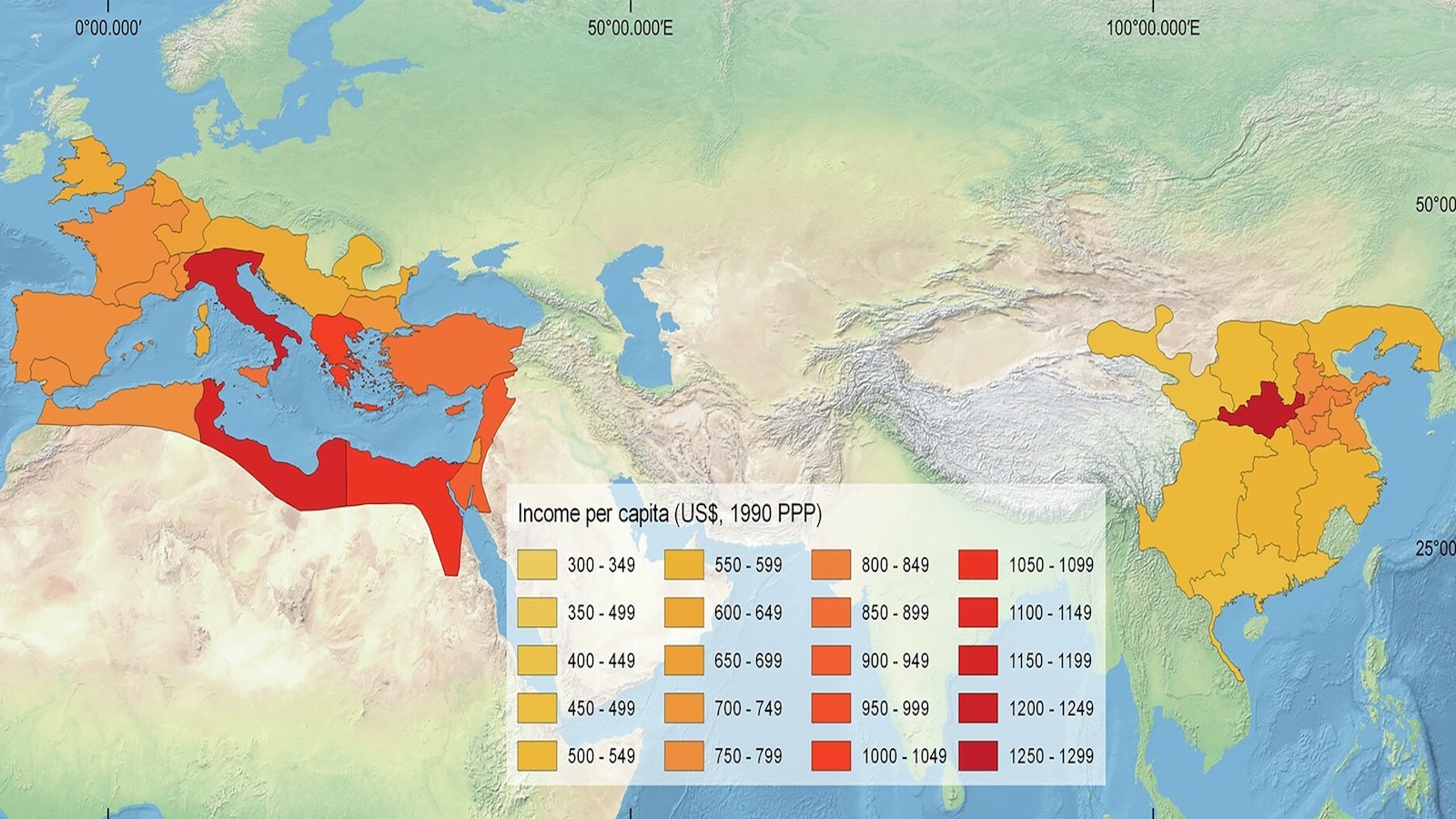
A comparison of wealth gaps in ancient empires reveals stark differences and lasting consequences.
What made Leonardo da Vinci last wasn’t magic — it was process — and his study of fluids can help us win the long game.
The Gospels aren’t historical biographies but genre-defining works that blend myth, theology, and a promise of hope.