innovation

Intrapreneurs tap into the spirit of entrepreneurialism to innovate and find personal meaning at work, but organizations need to celebrate their efforts more.
Asymmetric organocatalysis is an environmentally friendly way of accelerating chemical reactions and creating specific types of molecules.
MIT scientists show how fast algorithms are improving across a broad range of examples, demonstrating their critical importance in advancing computing.
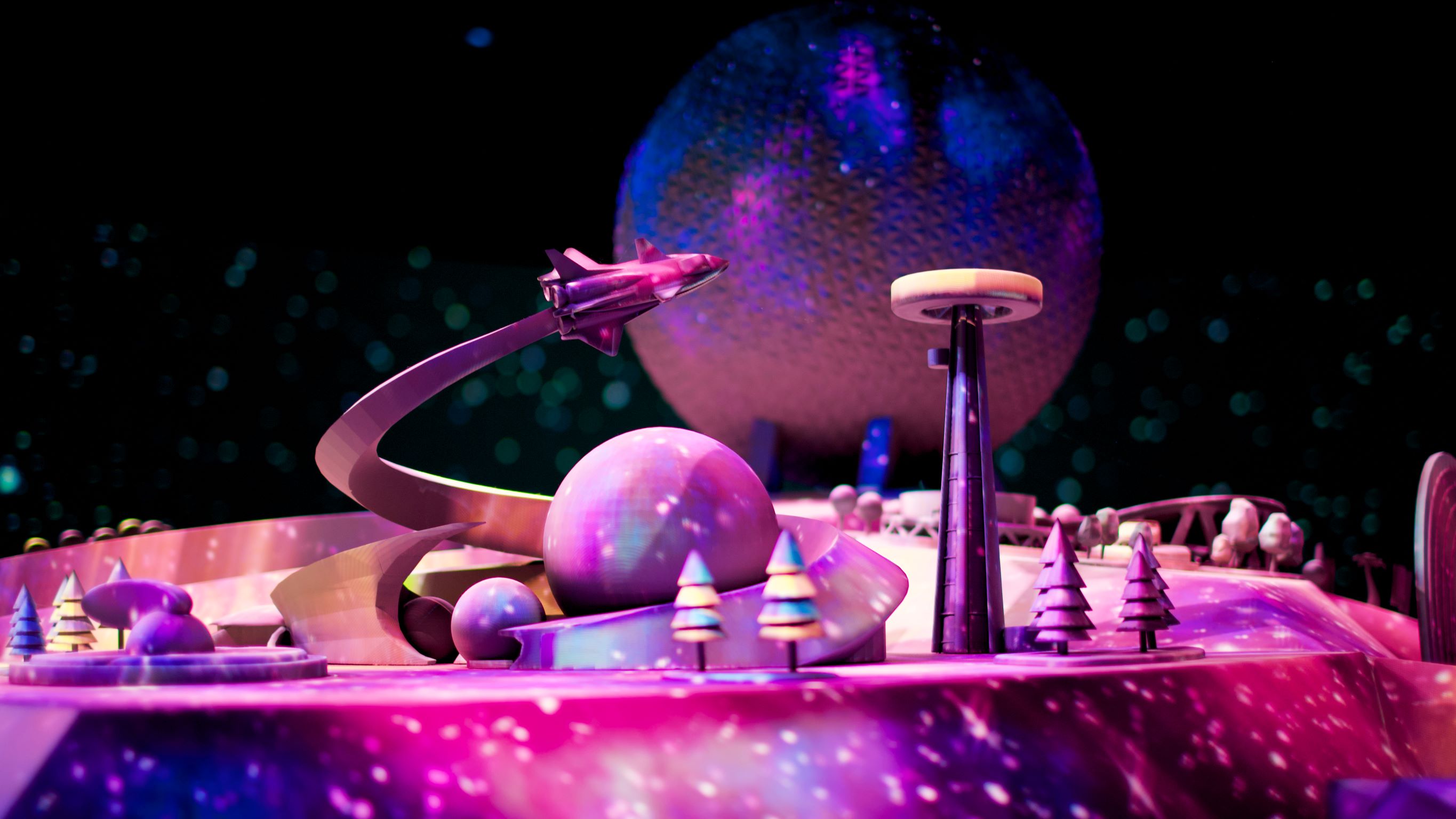
In 1966, Disney announced his intention to build Epcot, an acronym for “Experimental Prototype Community of Tomorrow.”
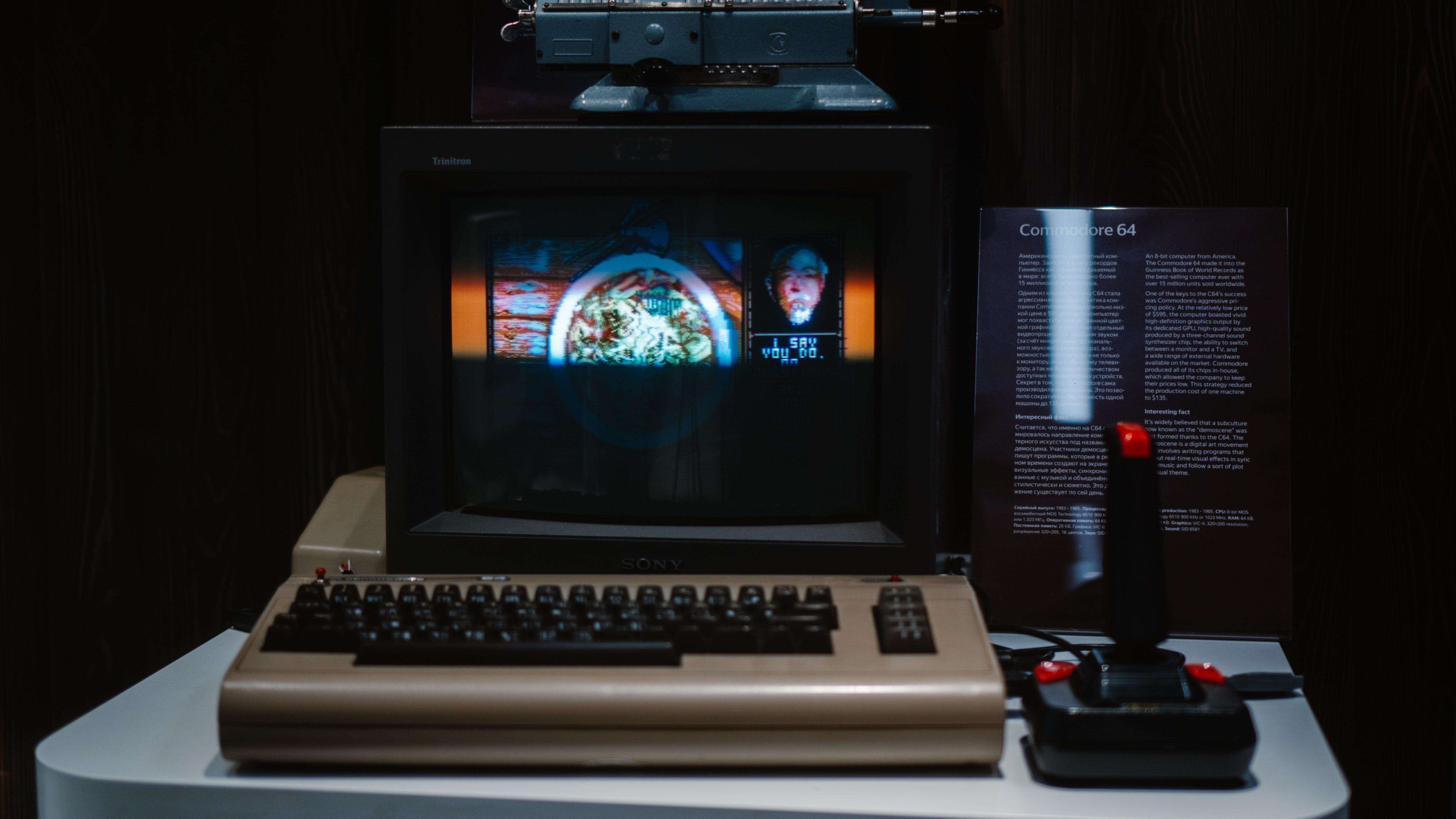
Computer Space lacked a critical ingredient that the other games possessed: gravity.

The holograms use ‘aerohaptics’, which creates feelings of touch with simple jets of air.

Mind Bank Ai is the newest entrant in an ambitious idea: using AI to create a kind of immortality.
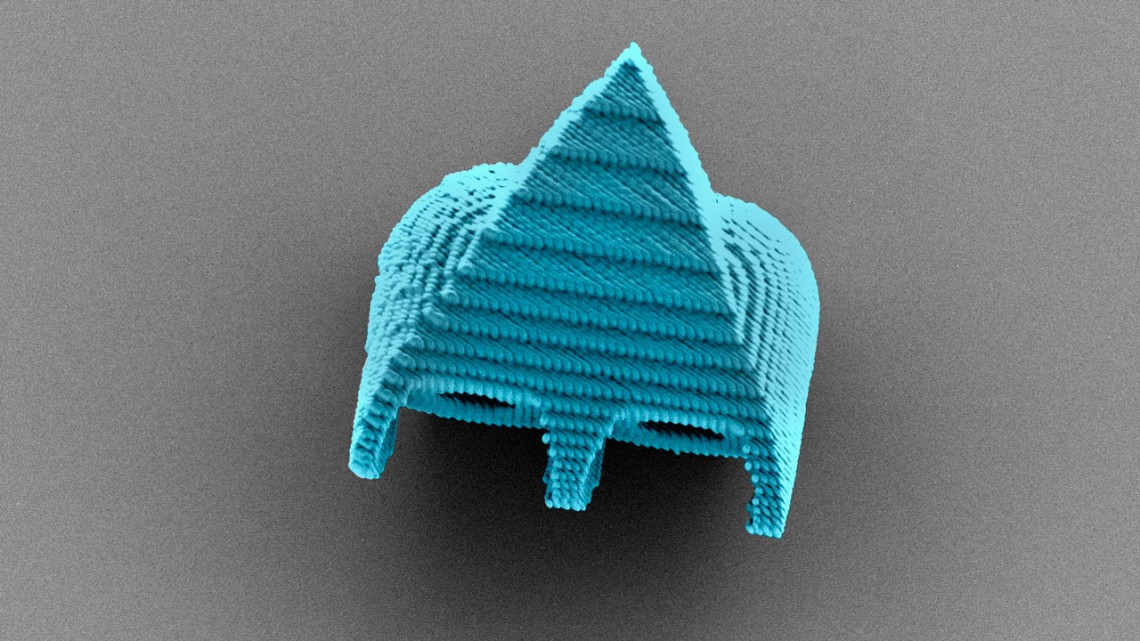
Guided by ultrasound waves, swarms of microrobots could soon be used to deliver medicine to targeted sites in the body.

Ever wondered what oxytocin receptor proteins sound like?
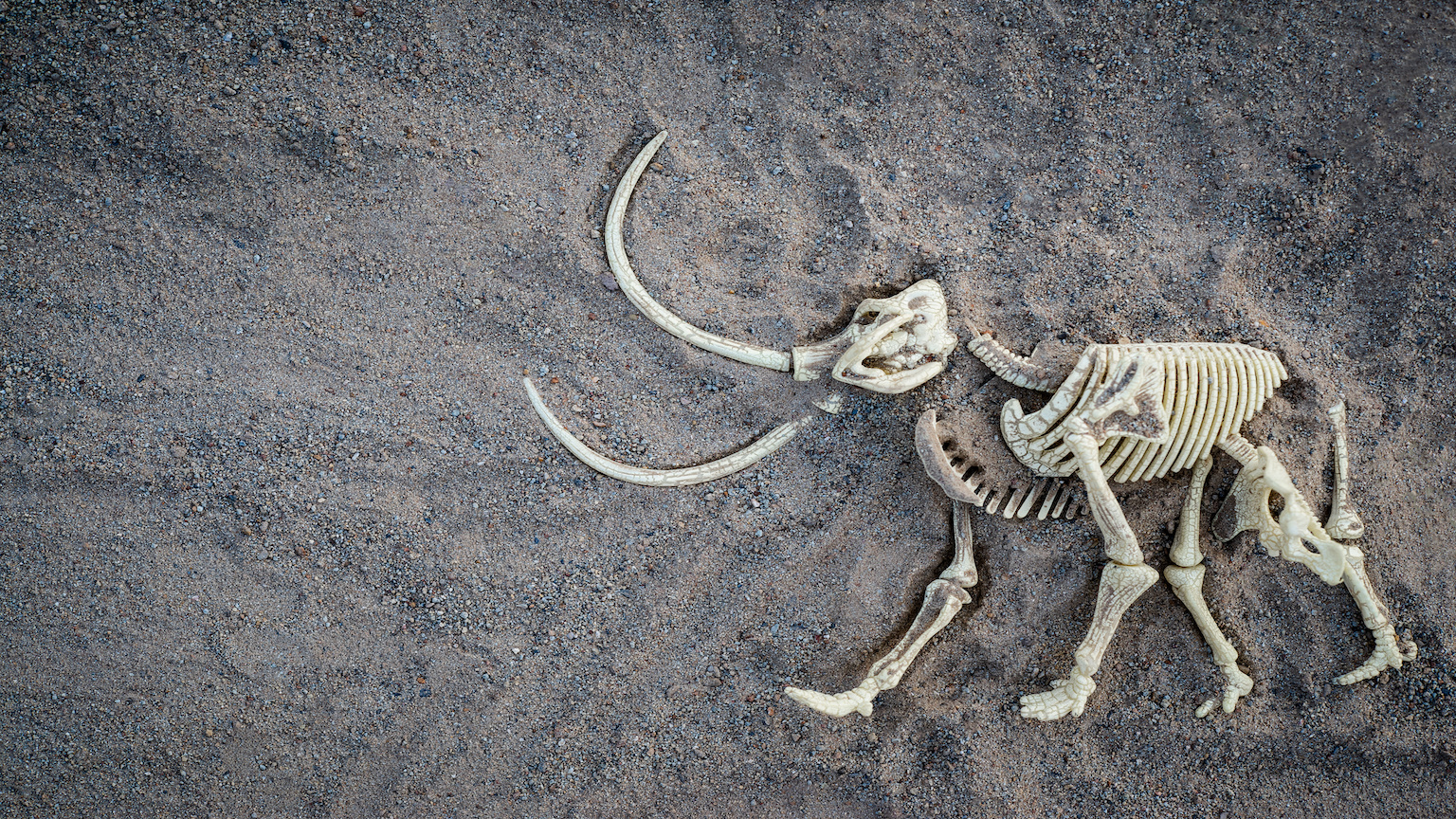
A biotech startup has received $15 million in funding to genetically recreate woolly mammoths and rewild them in Siberia.
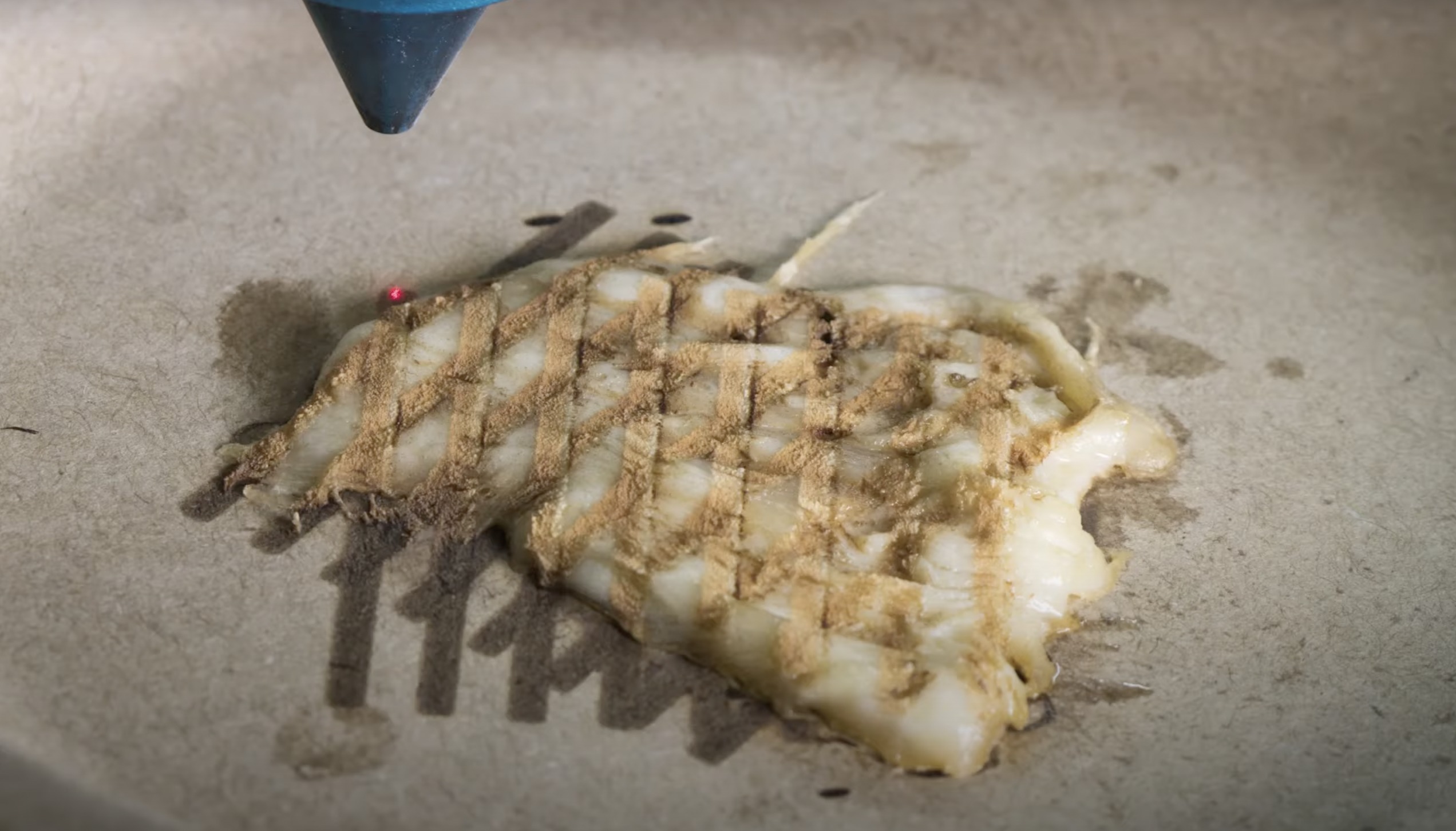
A future kitchen appliance could make it possible to 3D-print entirely new recipes and cook them with lasers.

New chip eliminates the need for specific decoding hardware, boosting gaming systems, 5G networks, and more.
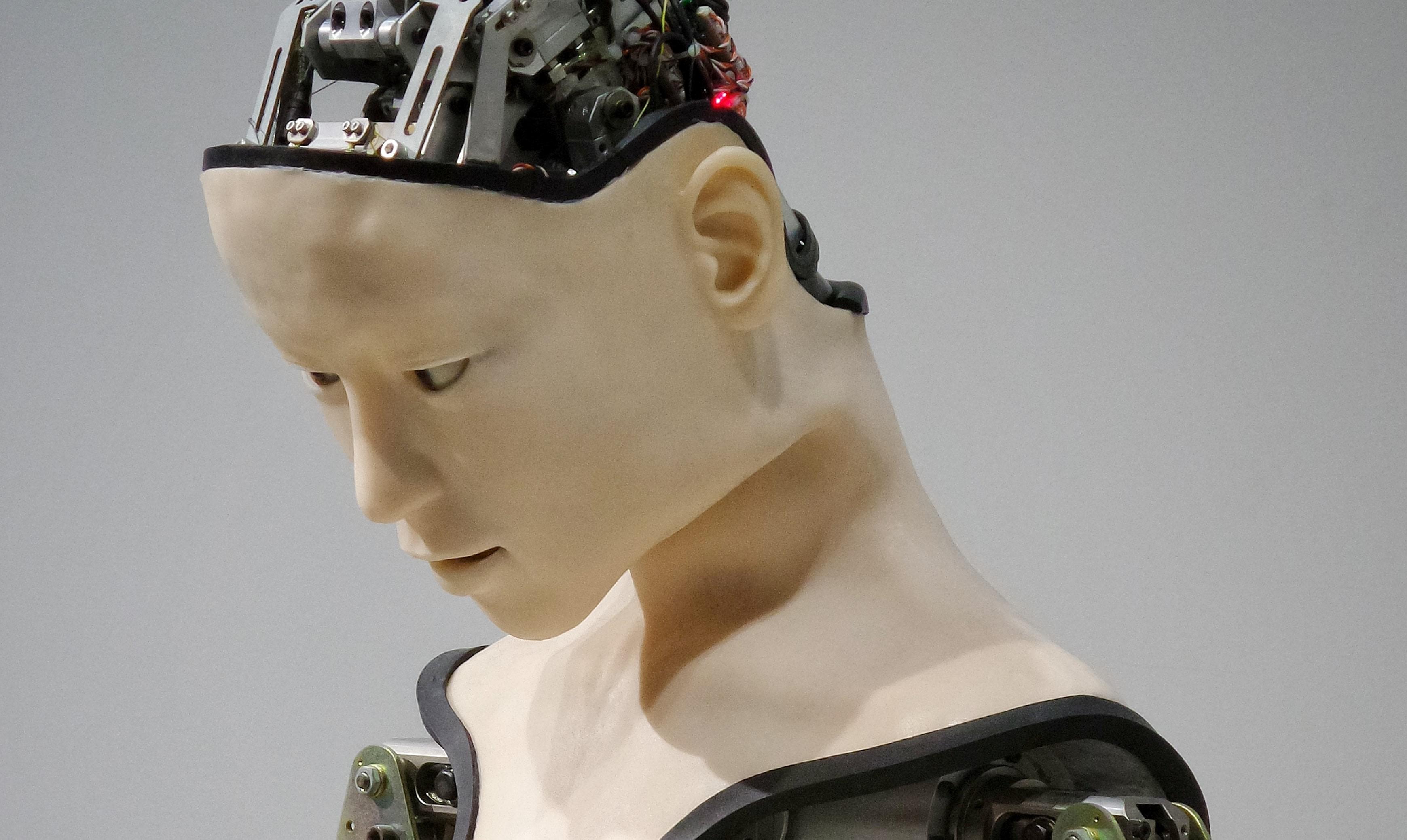
Is there actually anything deserving of the term AI?
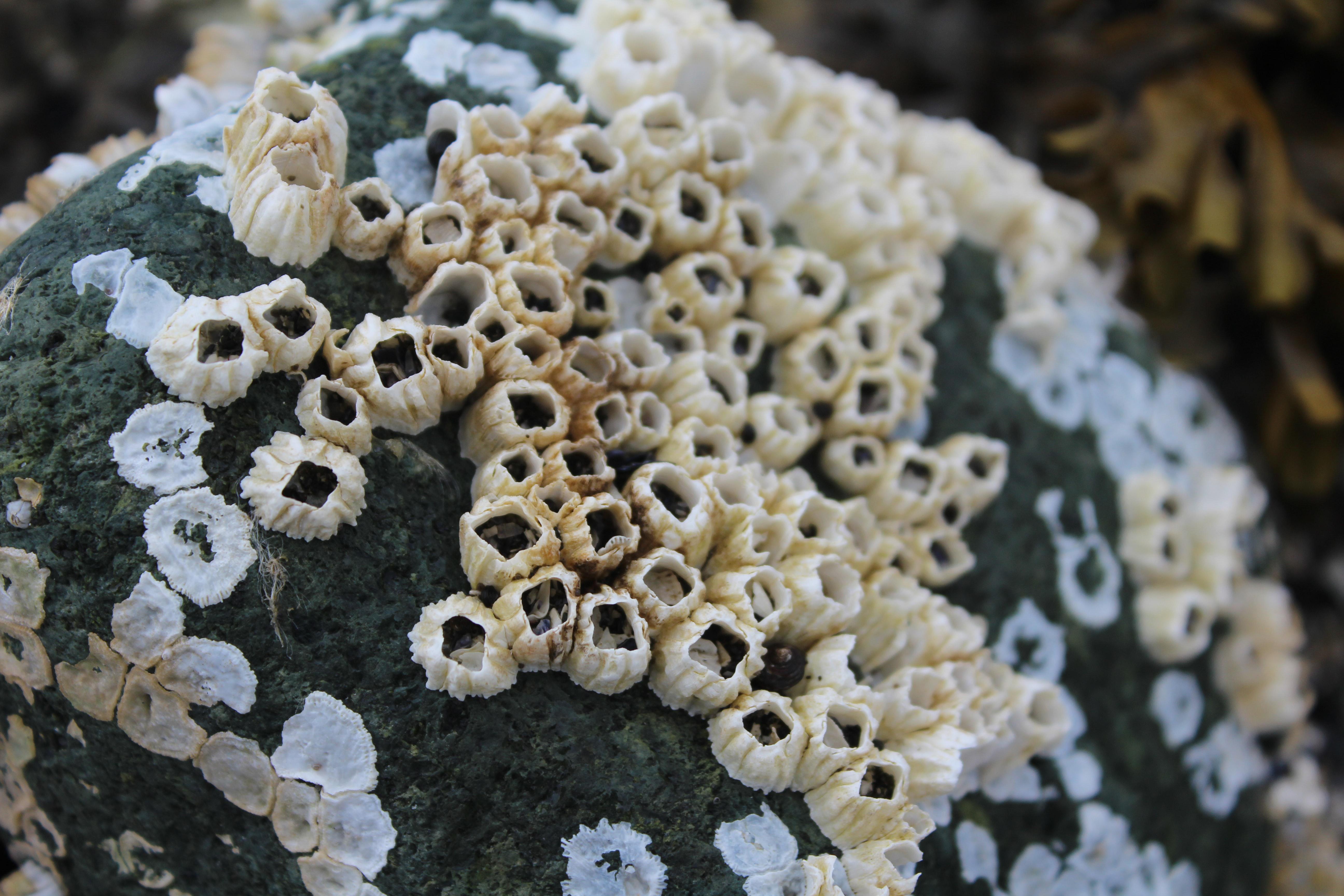
MIT researchers design glue that mimics the sticky substance barnacles use to cling to rocks.
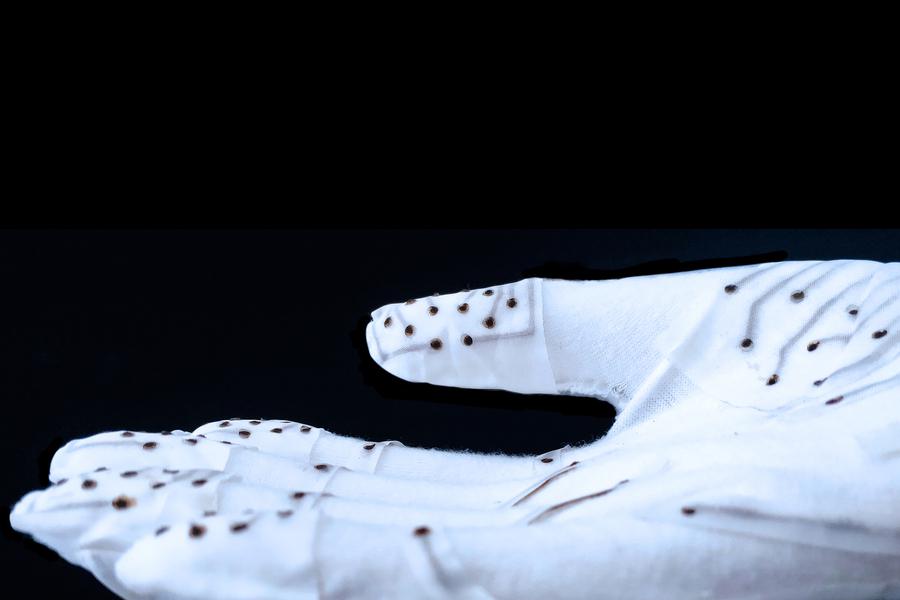
The design could help restore motor function after stroke, enhance virtual gaming experiences.

Sometimes, new combinations of preexisting things revolutionize life.

The questions about which massive structures to build, and where, are actually very hard to answer. Infrastructure is always about the future: It takes years to construct, and lasts for years beyond that.
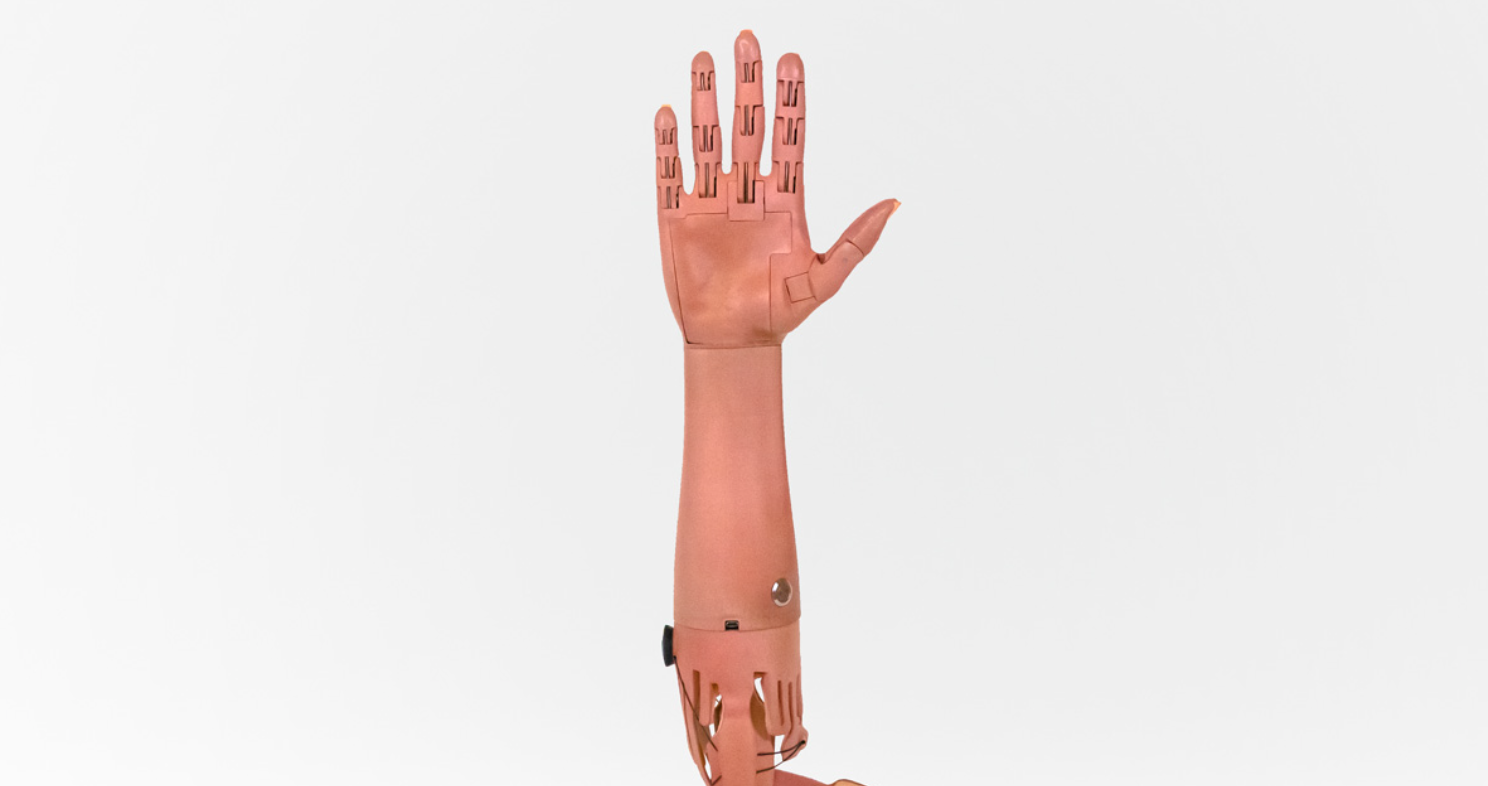
Prosthetic arms can cost amputees $80,000. A startup called Unlimited Tomorrow is aiming to change that by making customized 3D-printed bionic arms for just $8,000.
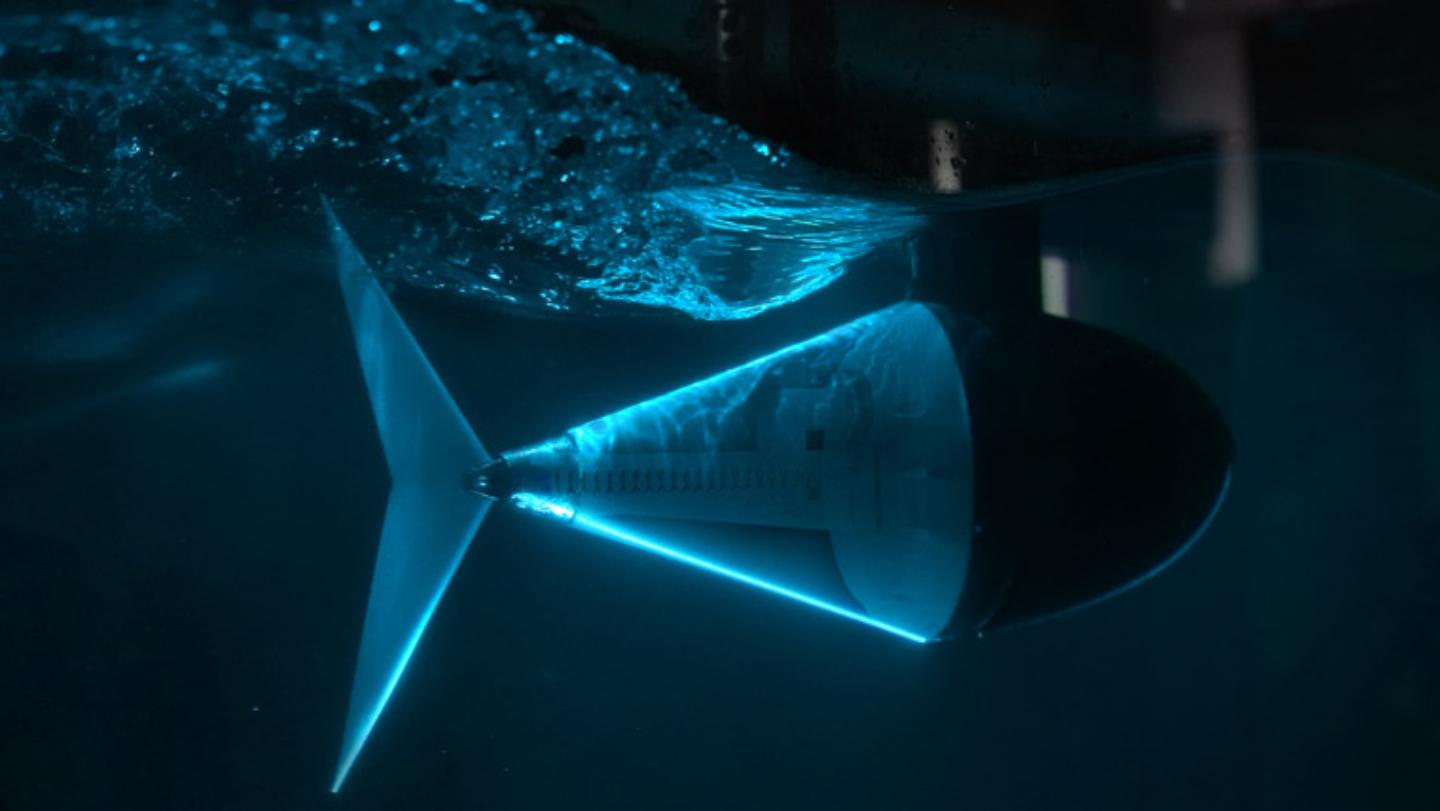
A new tuna robot leads the way to more agile underwater robots and drones.
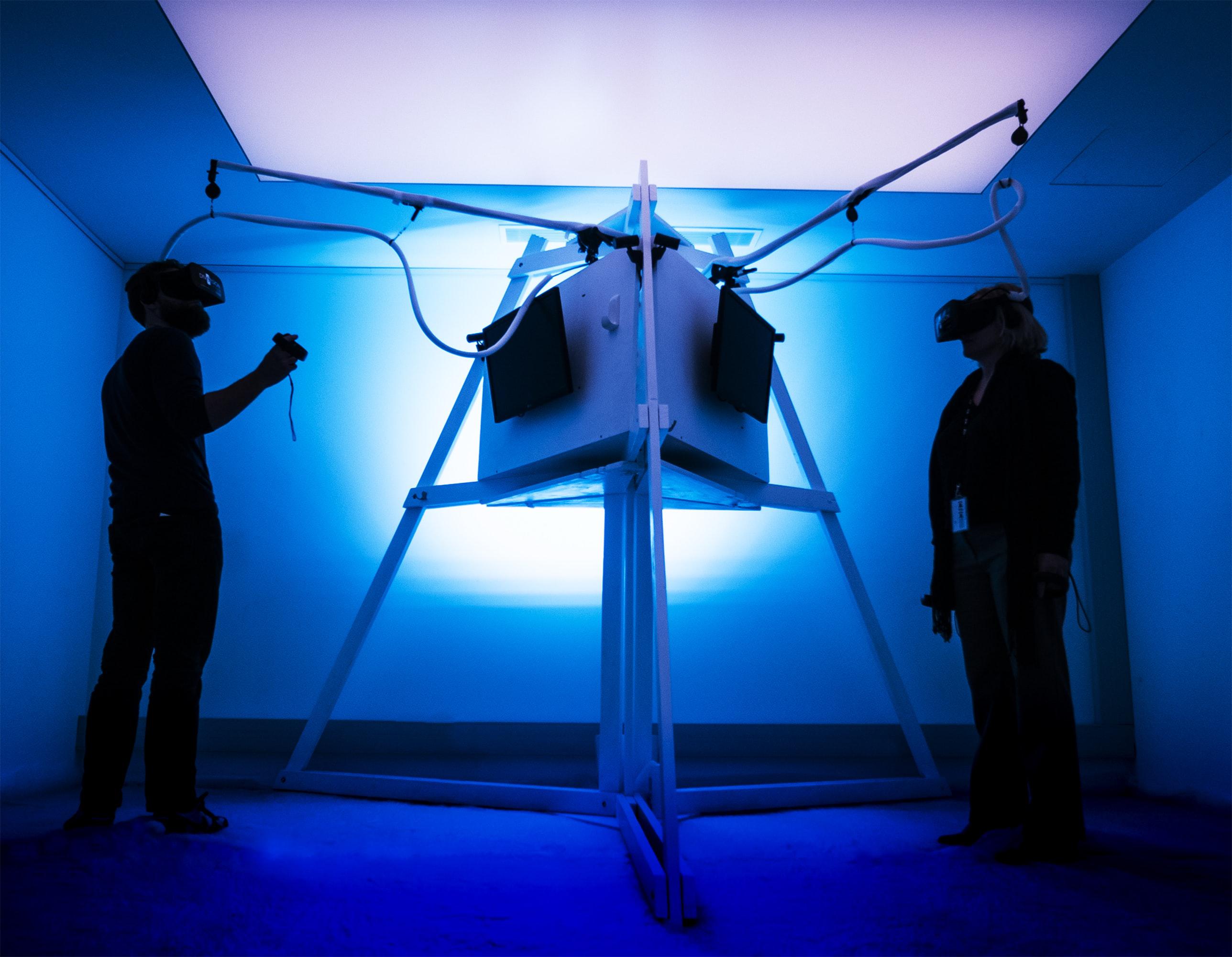
Think of a combination of immersive virtual reality, an online role-playing game, and the internet.
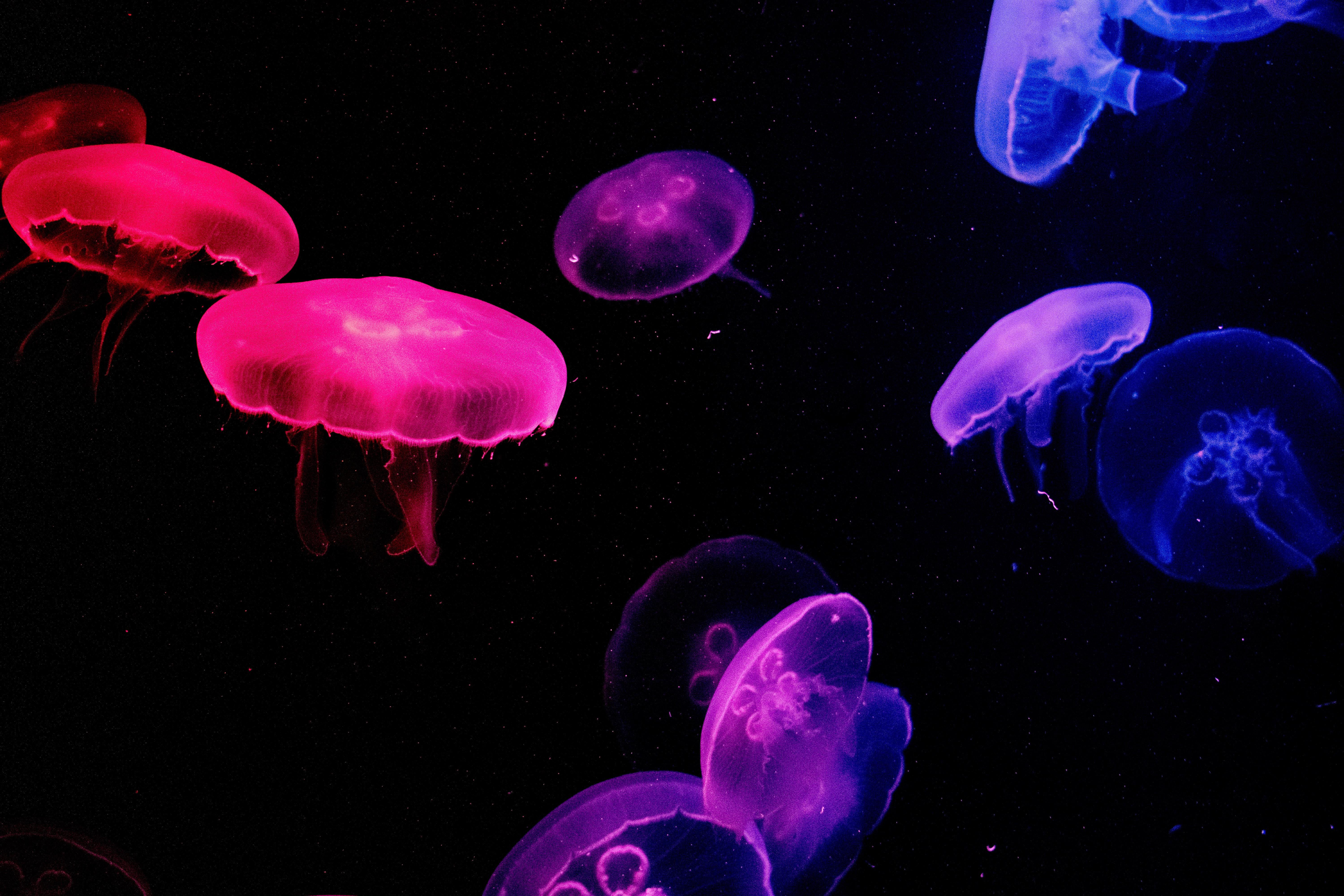
Three cutting-edge techniques – the gene-editing tool CRISPR, fluorescent proteins and optogenetics – were all inspired by nature.
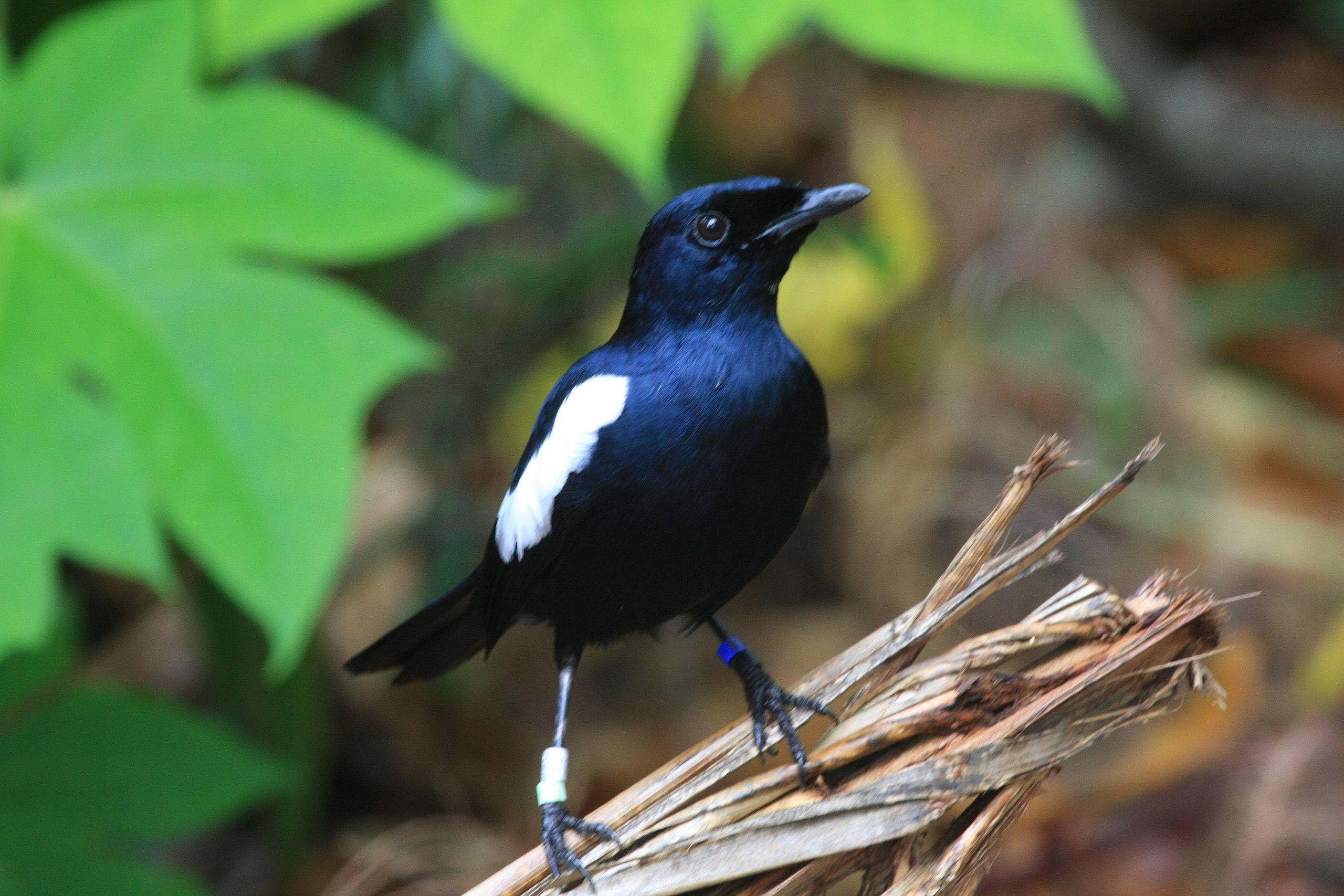
The Seychelles magpie-robin is up for sale – yes, for sale – as a digital nature collectible.
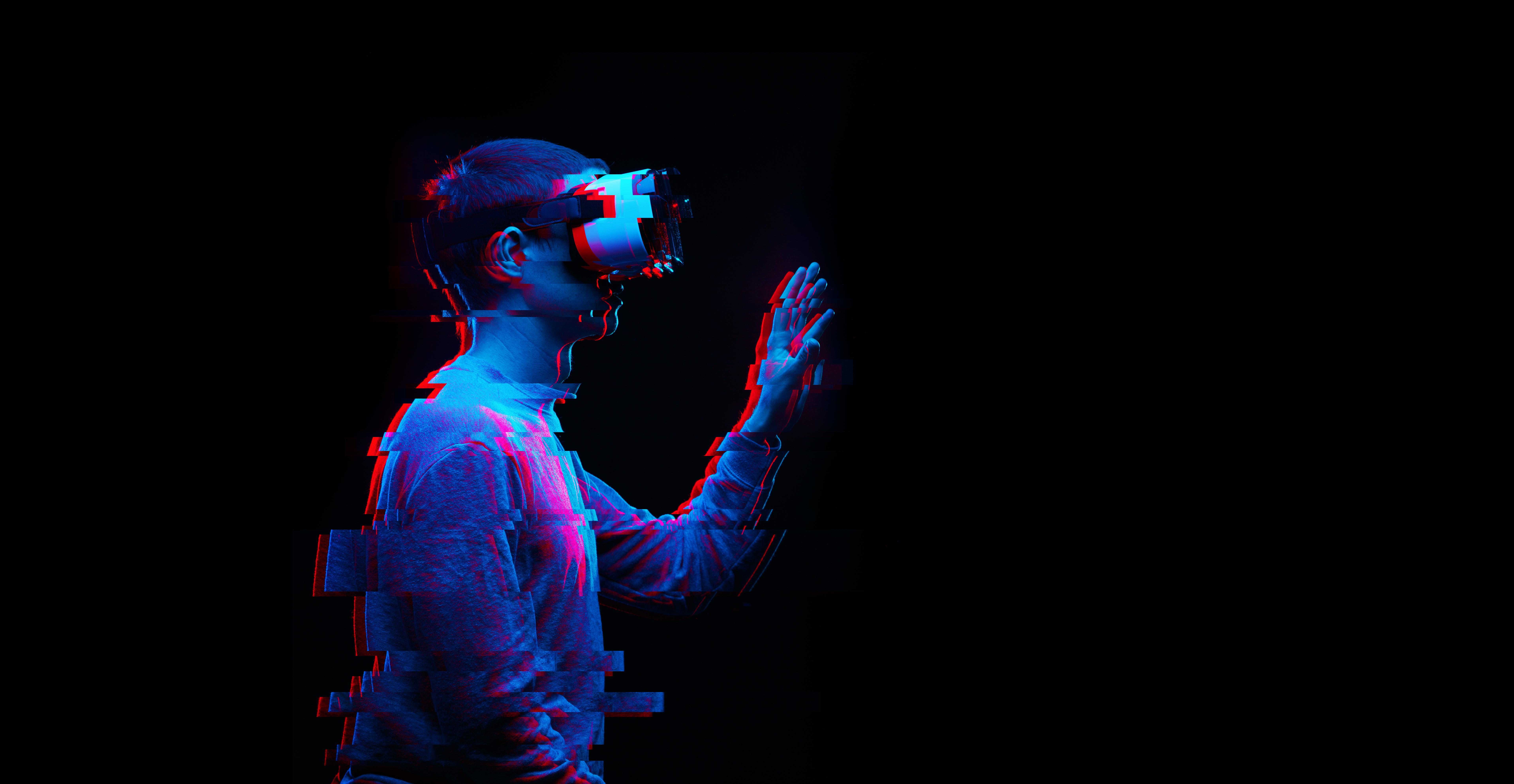
Virtual reality continues to blur the line between the physical and the digital, and it will change our lives forever.
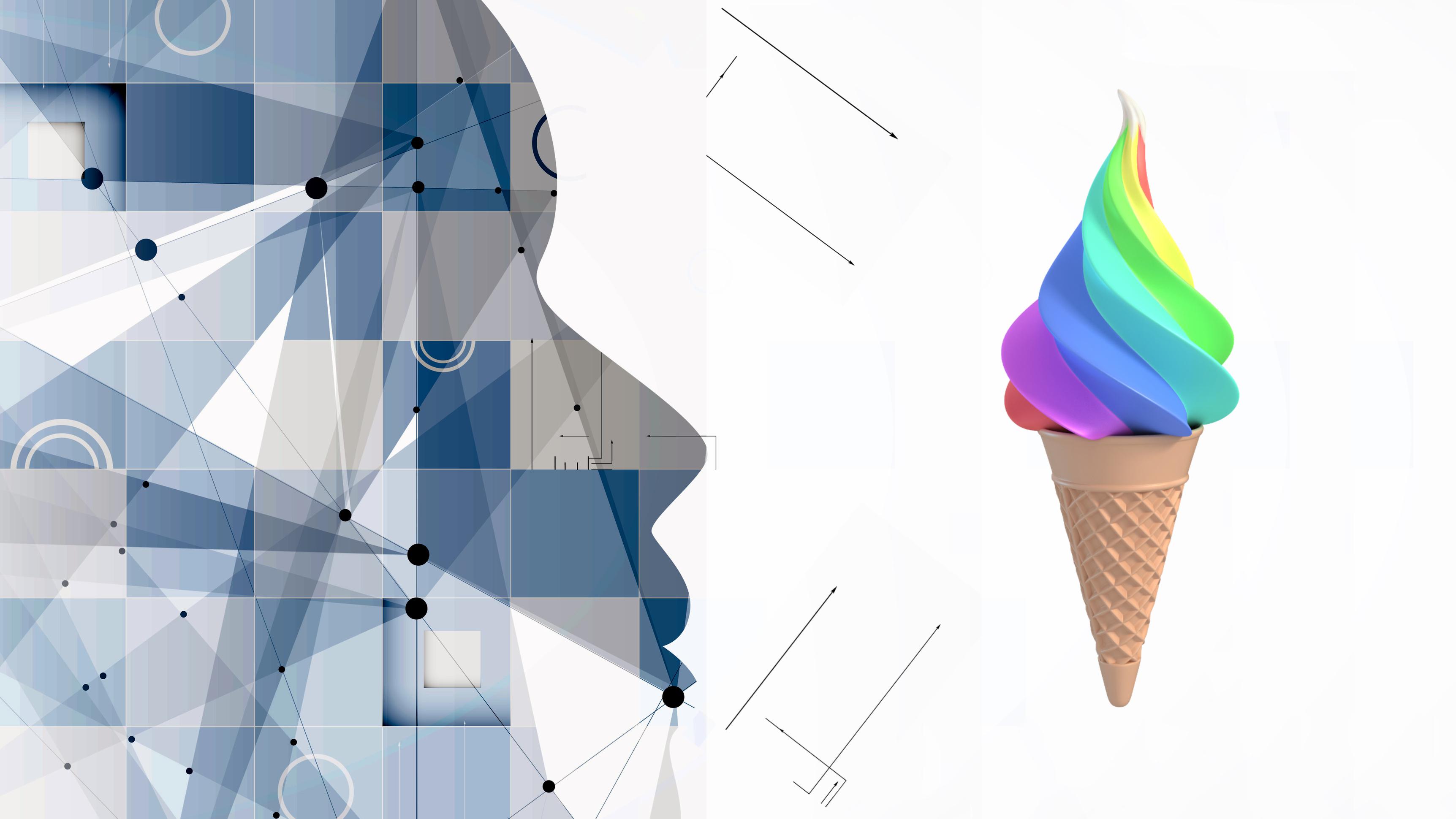
Understanding “why” may be the key to unlocking an AI’s imagination.
How were mRNA vaccines developed? Pfizer’s Dr Bill Gruber explains the science behind this record-breaking achievement and how it was developed without compromising safety.
▸
7 min
—
with

Buildings don’t have to be permanent — modular construction can make them modifiable and relocatable.

Researchers were even able store and read a 767-kilobit full-color short movie file in the fabric.

As droughts threaten water supplies across the planet, some municipalities aim to utilize an untapped resource: sewage water.
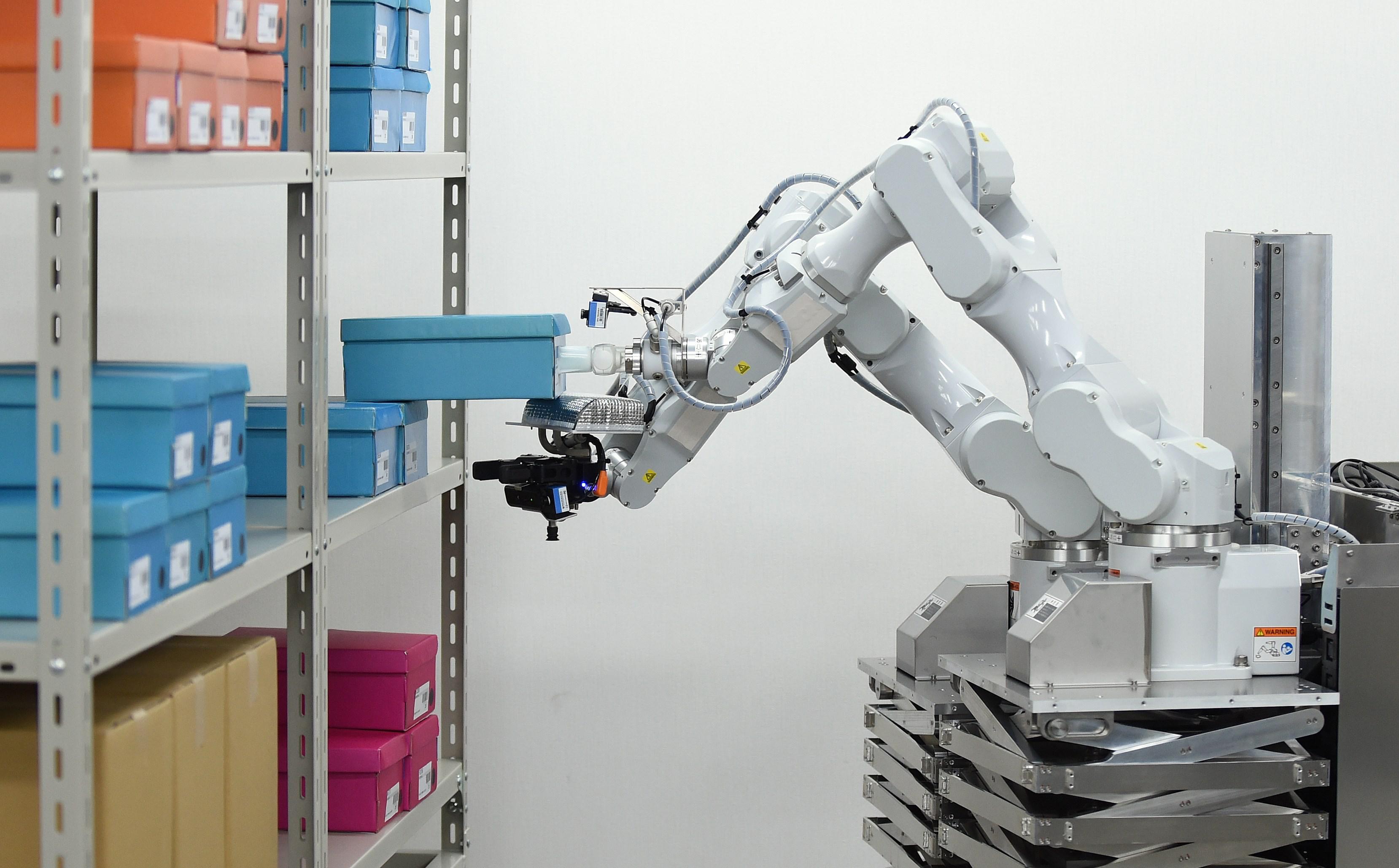
It uses radio waves to pinpoint items, even when they’re hidden from view.

A machine learning system lets visitors at a Kandinsky exhibition hear the artwork.