innovation
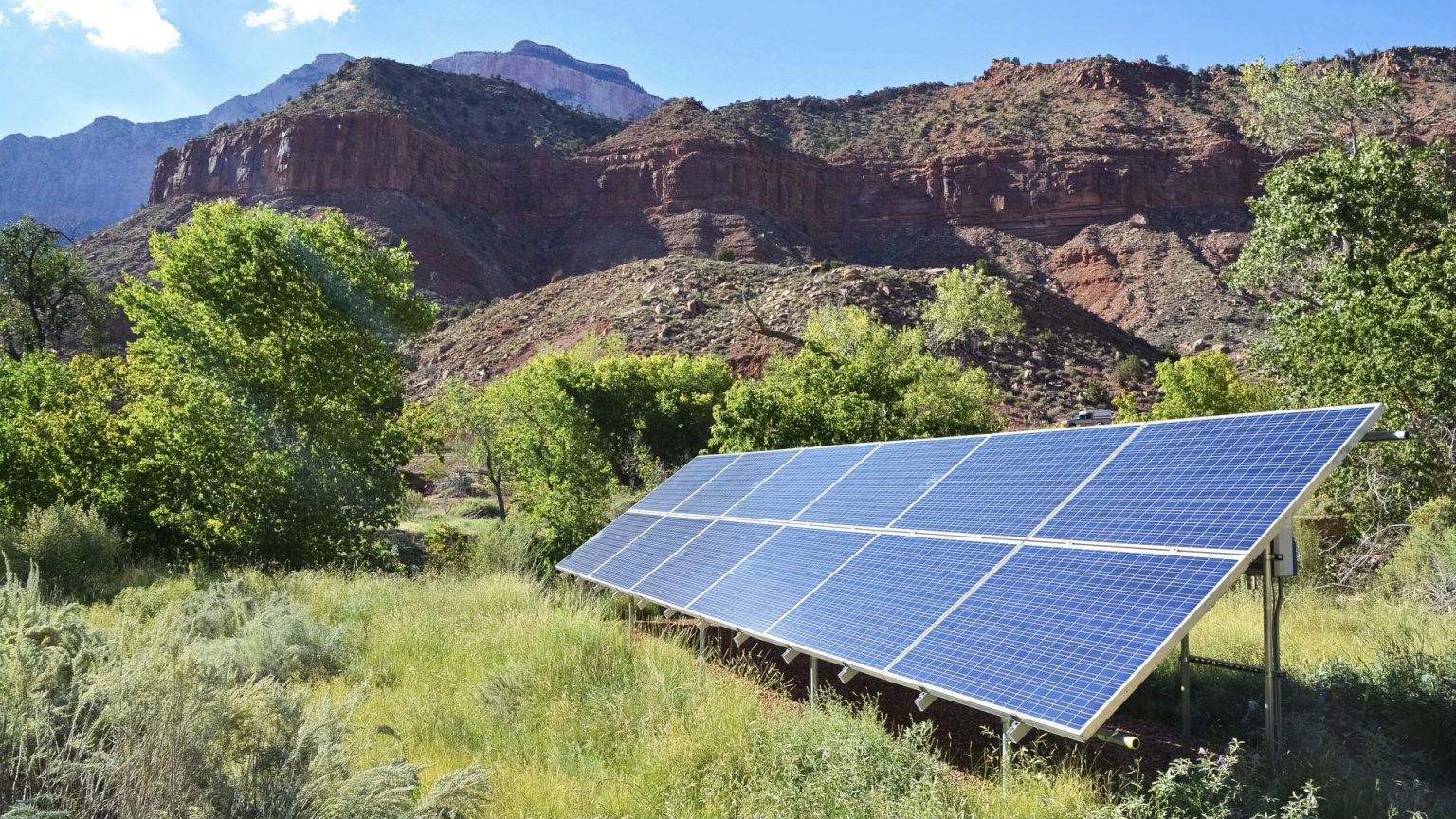
Meet the power plant of the future.
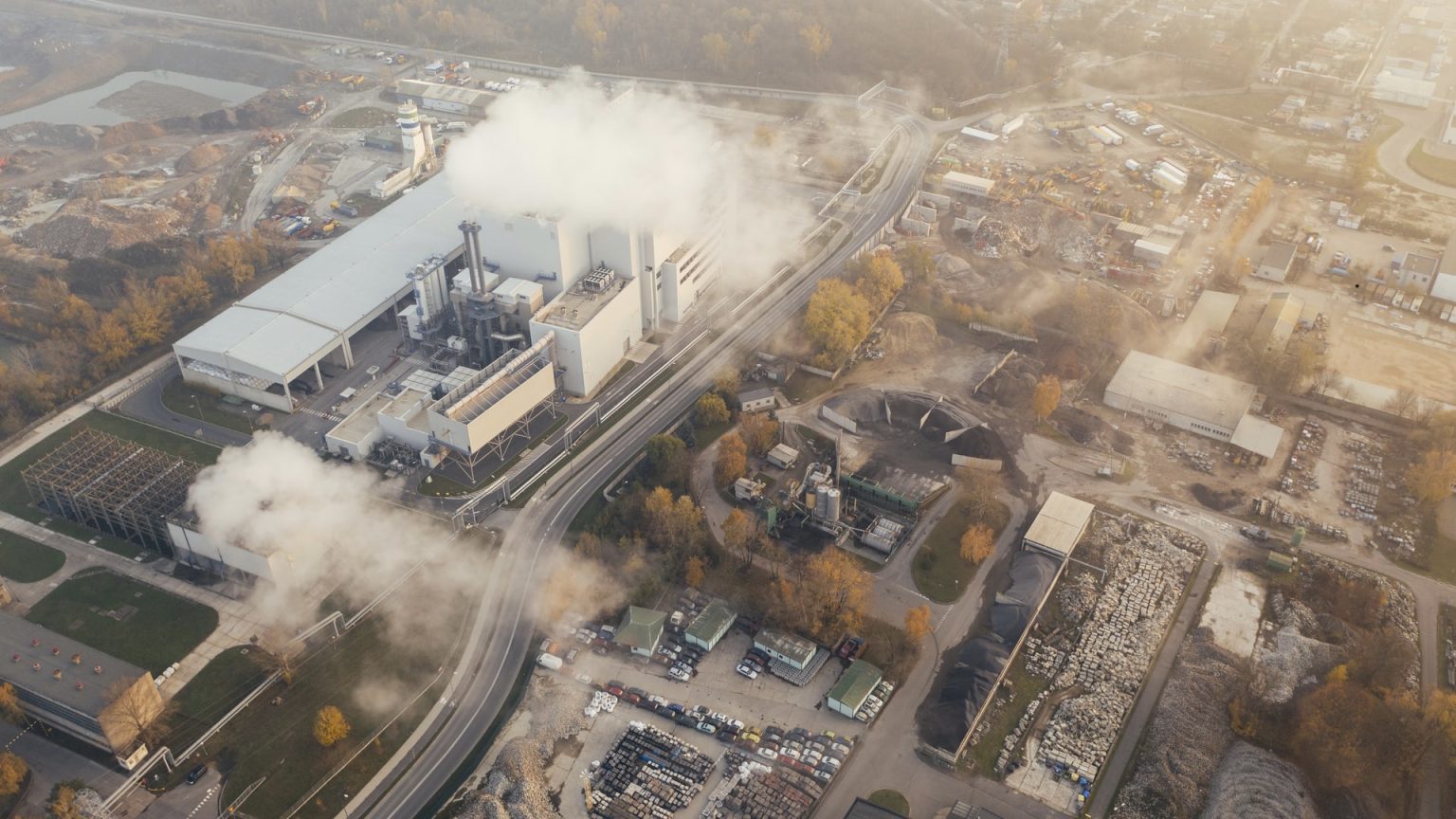
Here’s how it works.
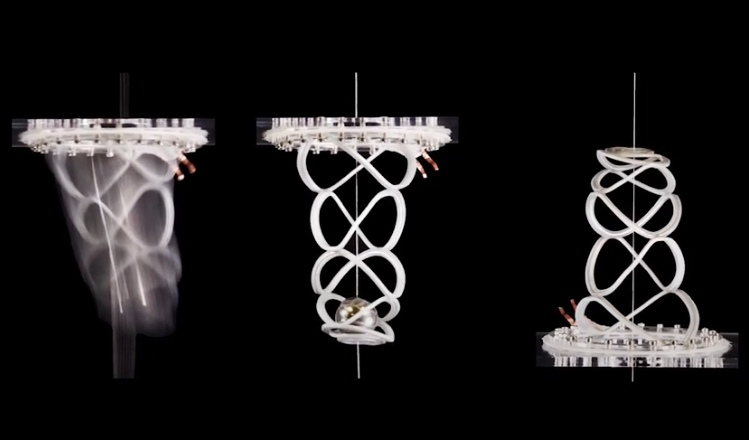
Every timekeeping device works via a version of a pendulum — even the atomic clocks that are accurate to nanoseconds.

Today, we could use Big Data to radically reform democracy. Tomorrow, we could build nanofabricators and usher in an era of abundance. Is society ready?

Benjamin Franklin’s lightning rod saved countless lives, but some religious leaders denounced his invention.
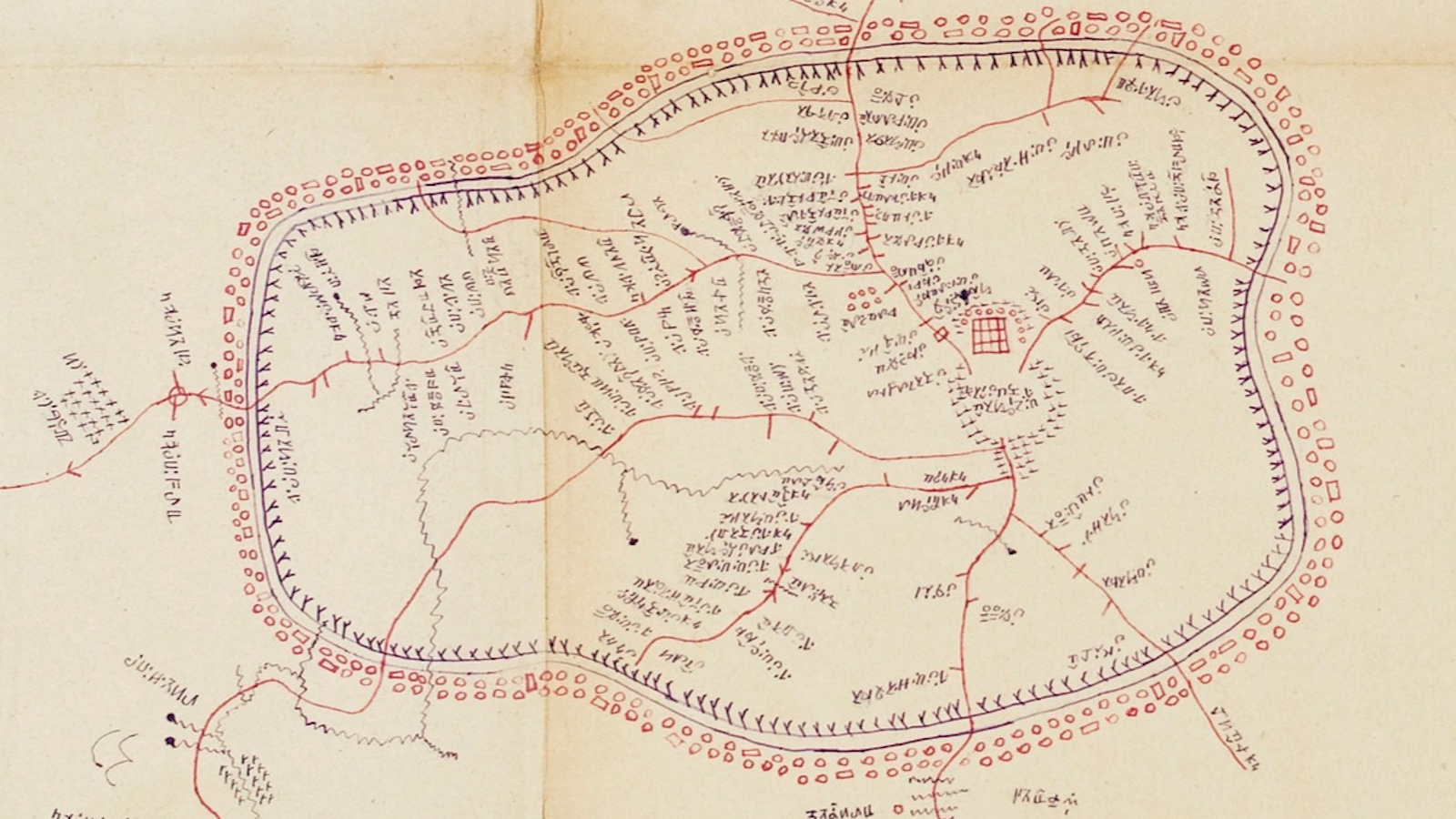
This representation of the Bamum kingdom is a rare example of early 20th-century indigenous African cartography.
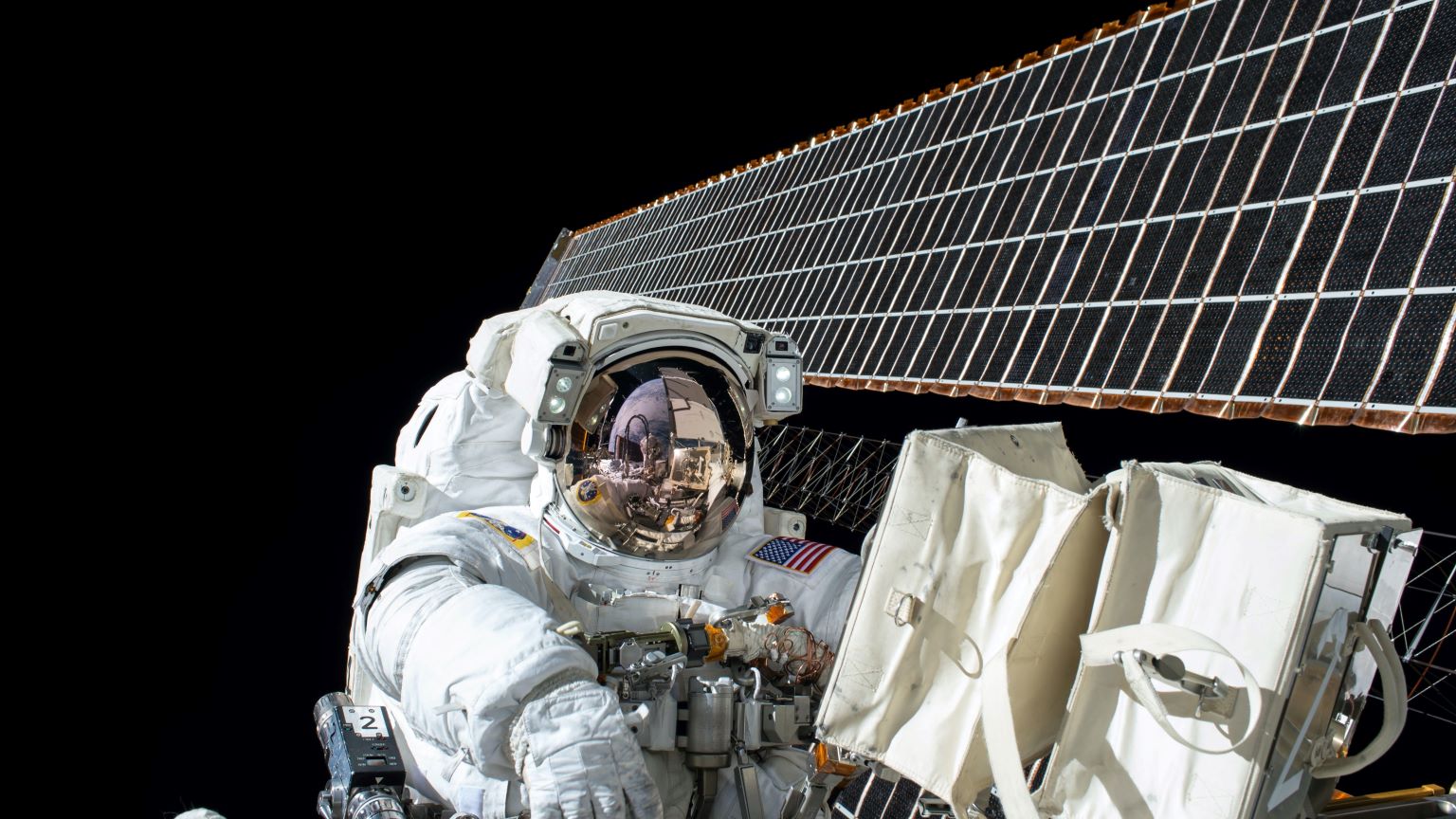
An optical telescope with a massive 20-foot (6-meter) mirror has an eye-popping price tag of $11 billion.

On Nov. 13, 1946, a scientist dropped crushed dry ice from a plane into supercooled stratus clouds.
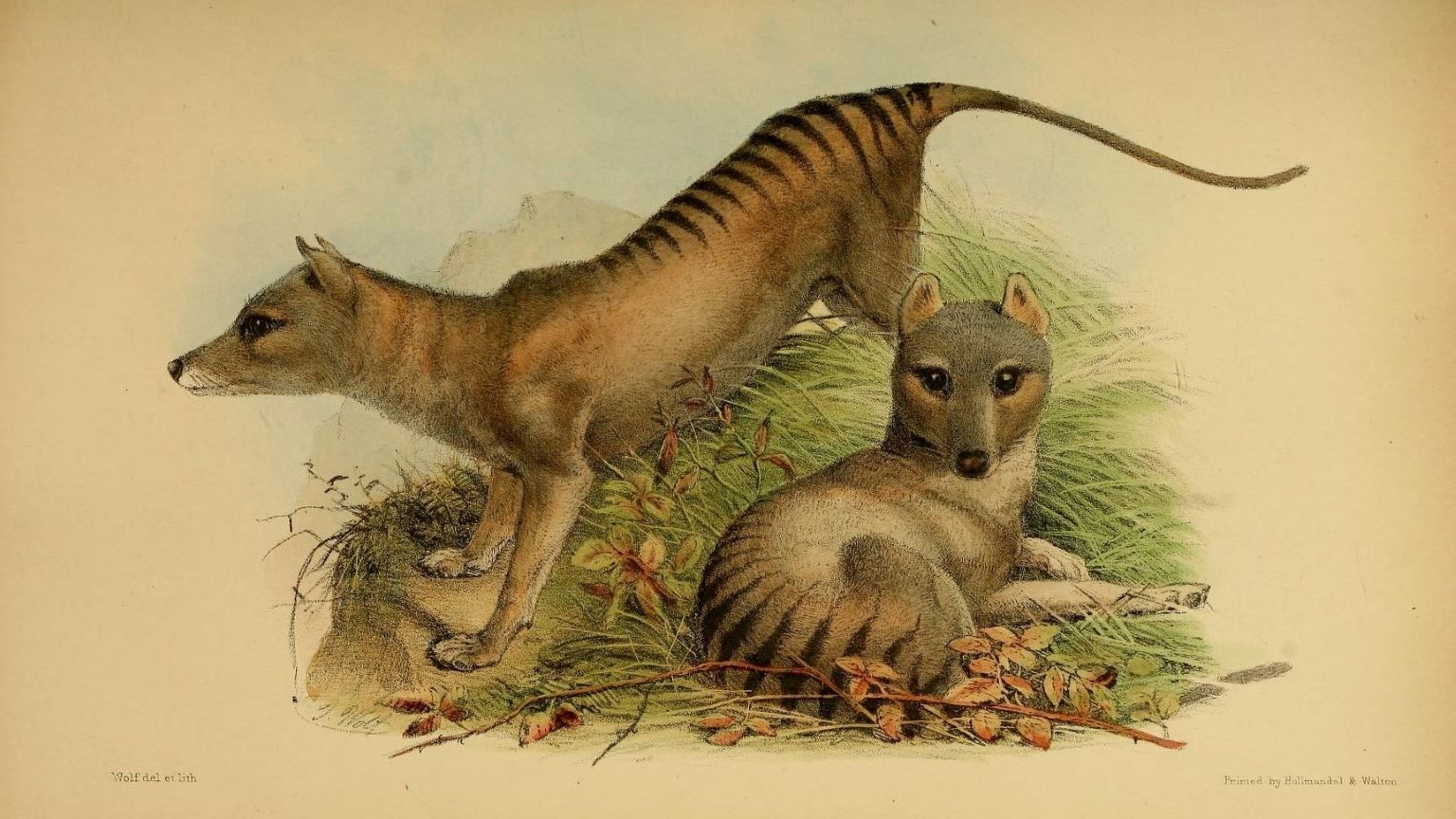
Assume we can make new thylacines, mammoths, diprotodons, or sabre-tooth cats. Great. Now where do we put them?
A new method of extracting rare-earth elements could put us on the track toward a circular economy.
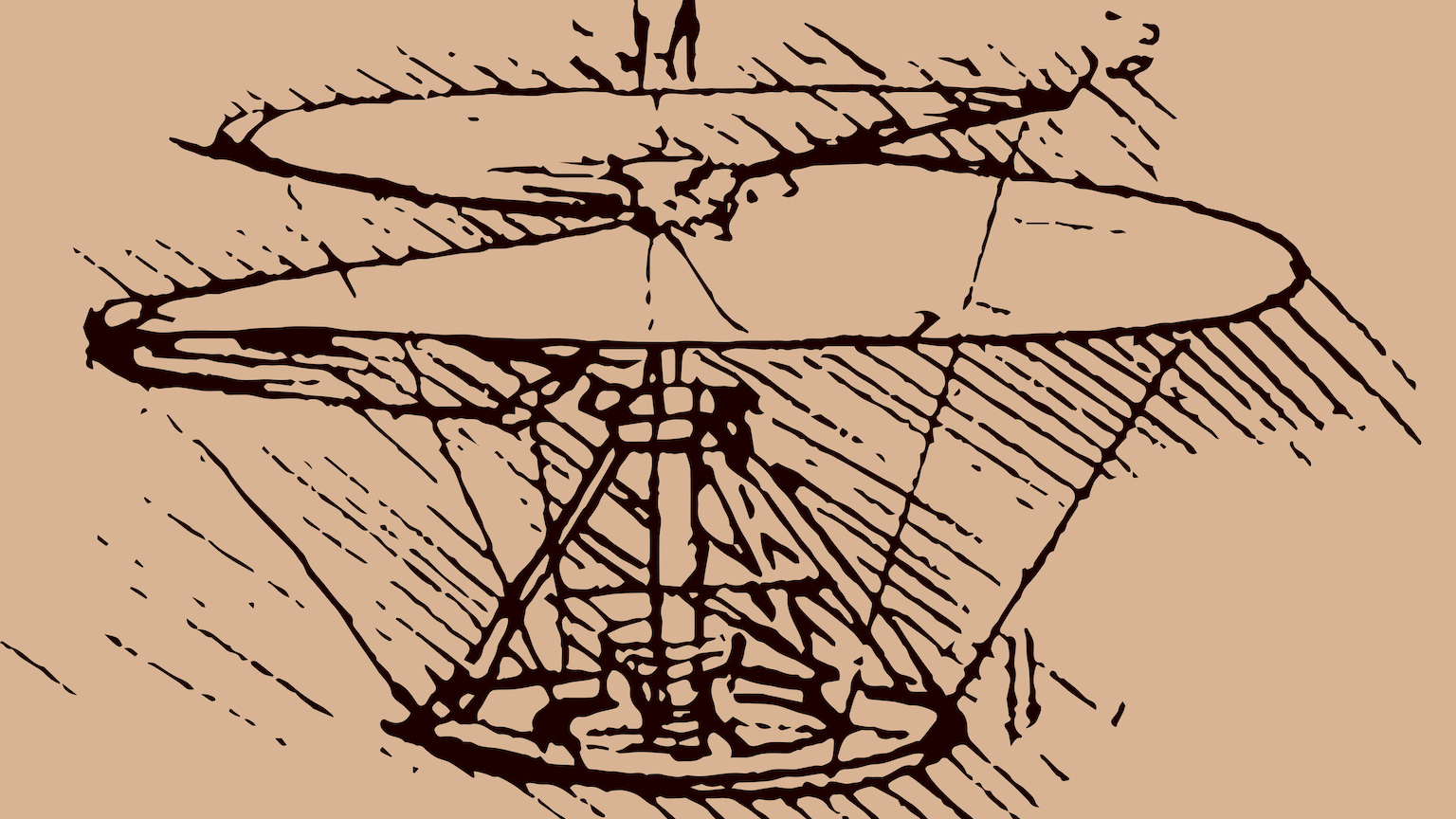
Da Vinci dreamed up a helicopter 400 years before they actually existed. Now, engineers have brought his design to life, but with a twist.
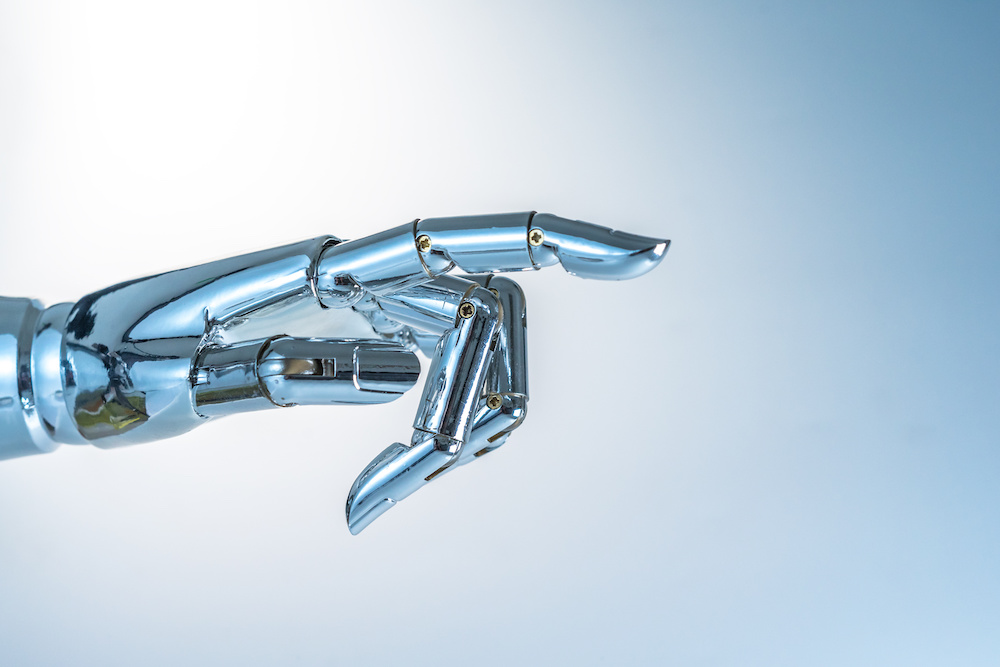
According to surveys, approximately half of artificial intelligence experts believe that general AI will emerge by 2060.
Outfitted with wheels and rotors, the bot can morph from a land drone into a quadcopter in seconds.

Scientists looked for ways to trigger the “build whatever normally was here” signal for cells at the site of a wound.

For a long time, important events could only be visualized retroactively through paintings. Photography allowed us to capture history as — or sometimes even before — it happened.
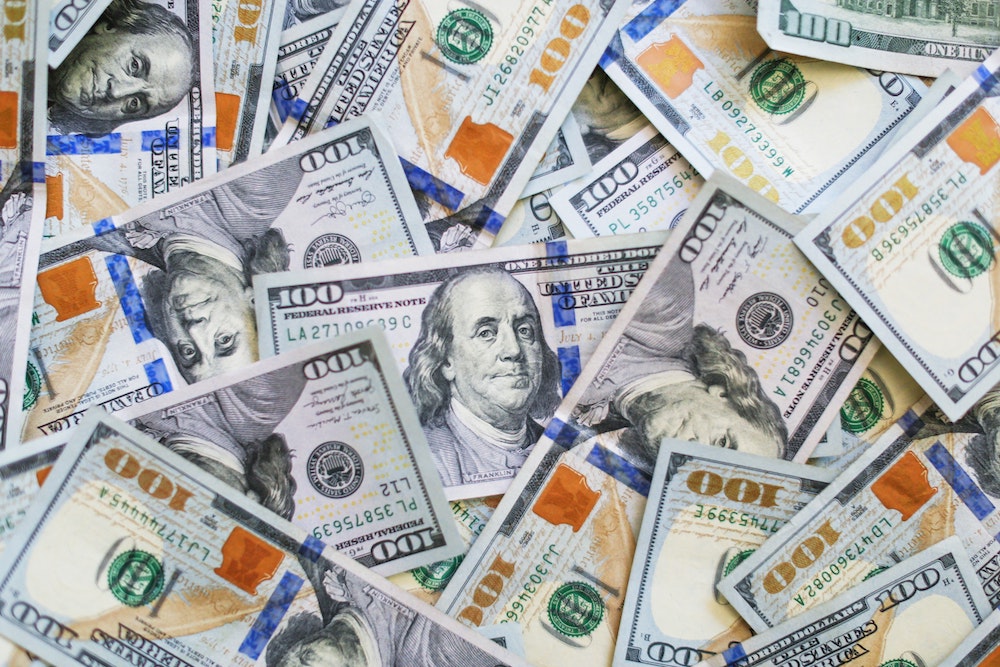
Math offers good evidence that humans can solve any problem — as long as there’s money in it.

Flow occurs when a task’s challenge is balanced with one’s skill.
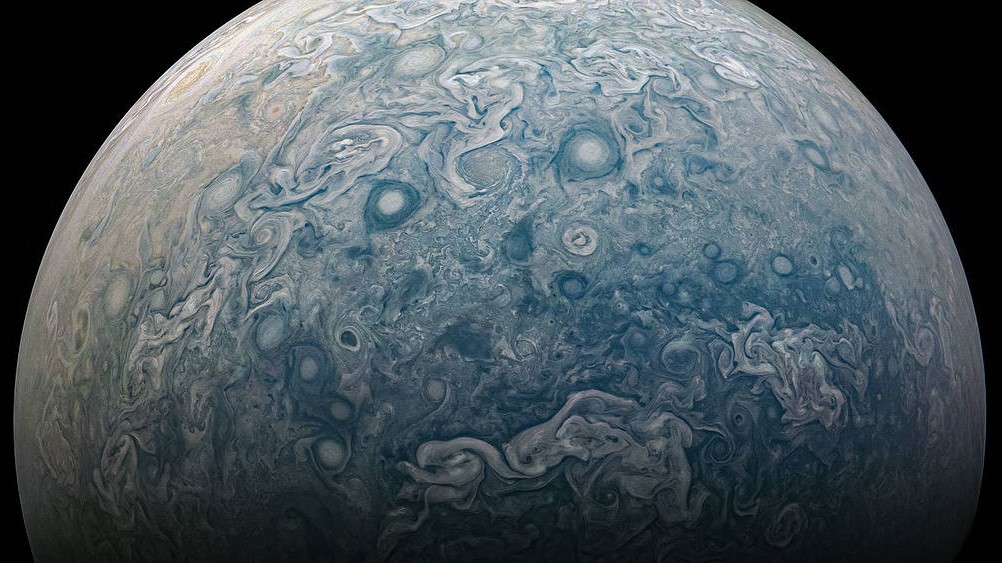
With a new telescope on the horizon, we reflect on the best pictures of space that came before.
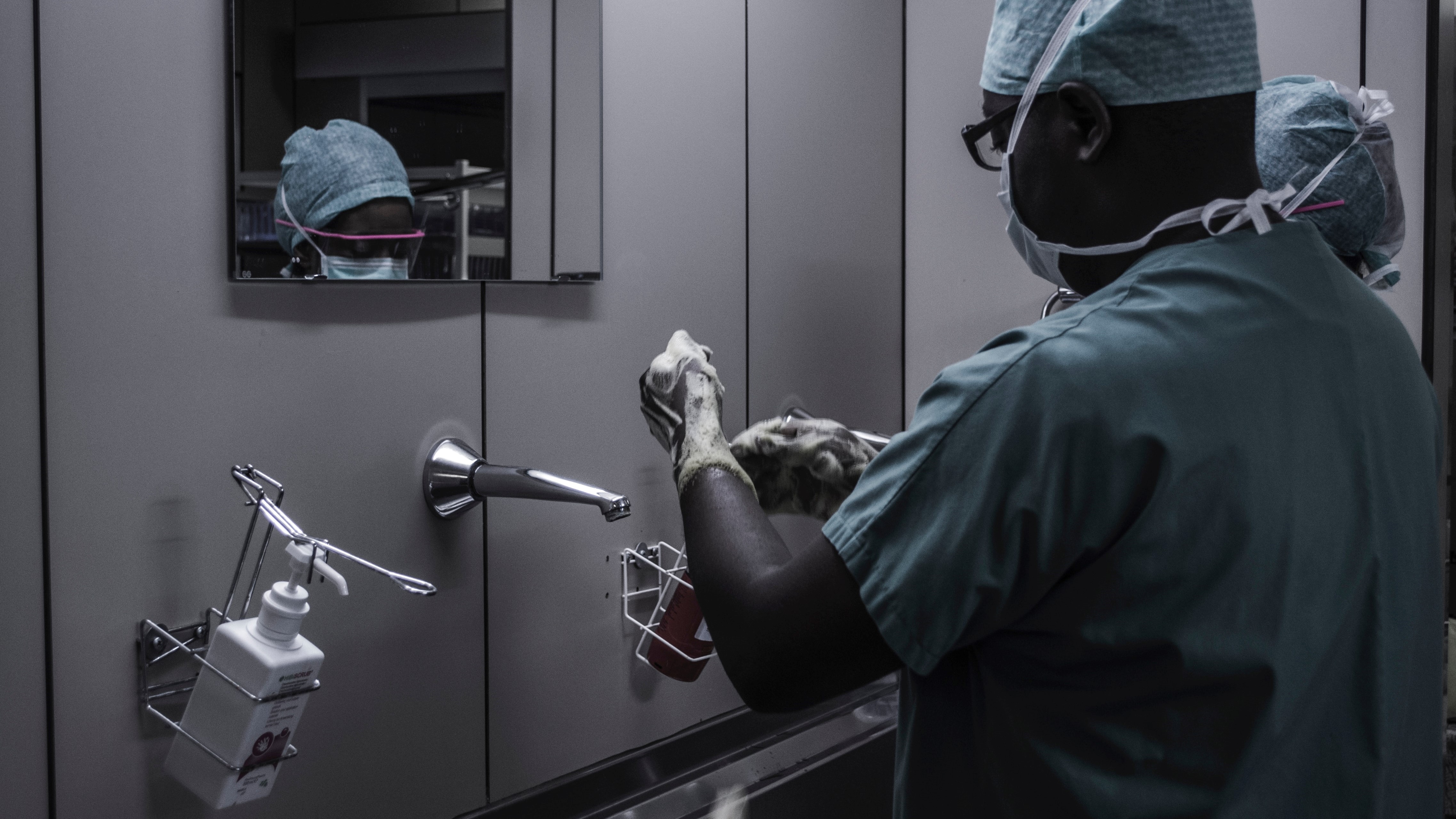
It started with a 22-year-old woman, named in papers only as Mrs McK.

A levitating vehicle might someday explore the moon, asteroids, and other airless planetary surfaces.

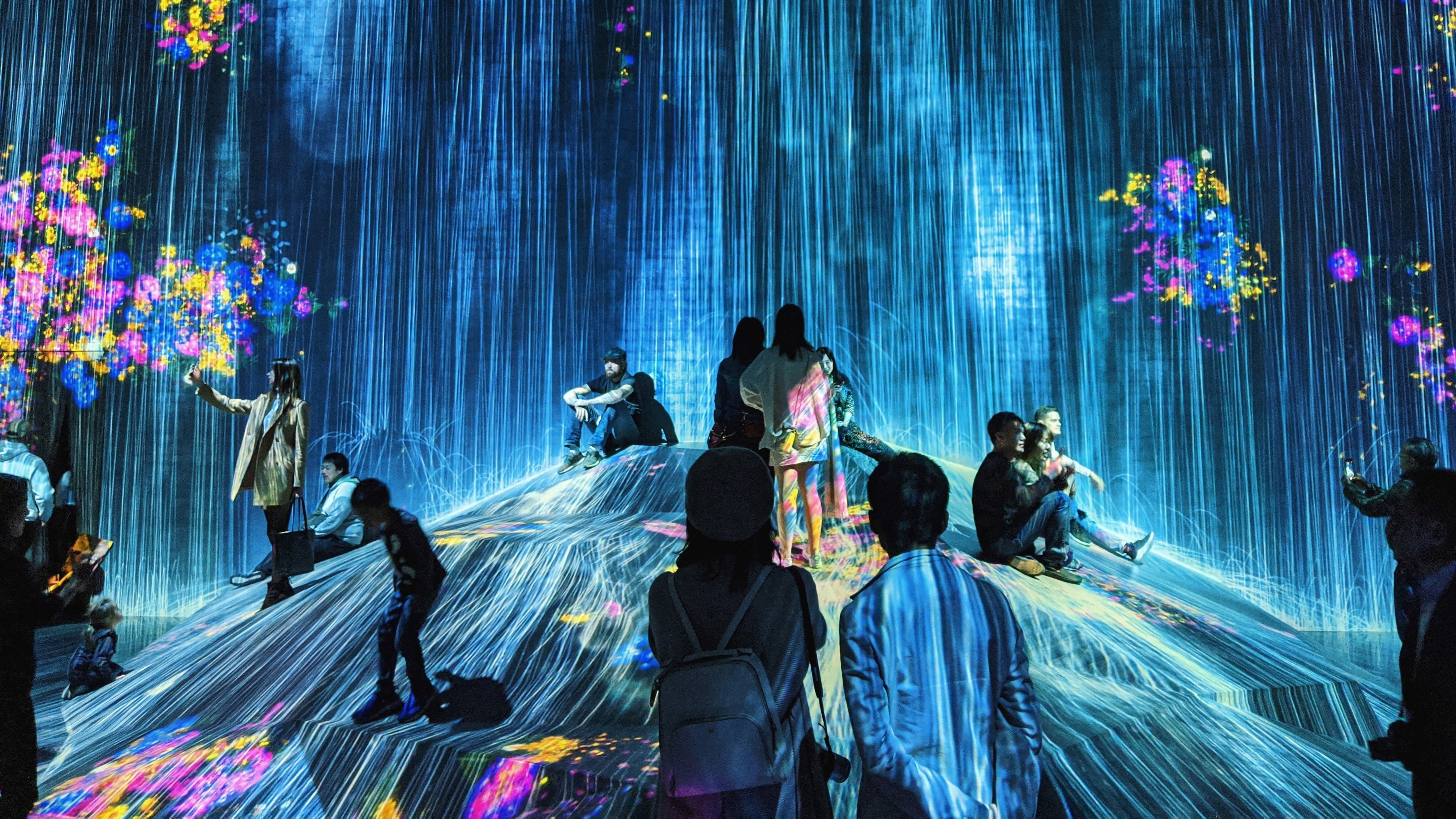
Hybrid working, robot fast food workers, and the rapid acceleration of NFTs are just the beginning.

If you put very fine black powder powder in a confined space it explodes in a cloud of heat, gas and noise.
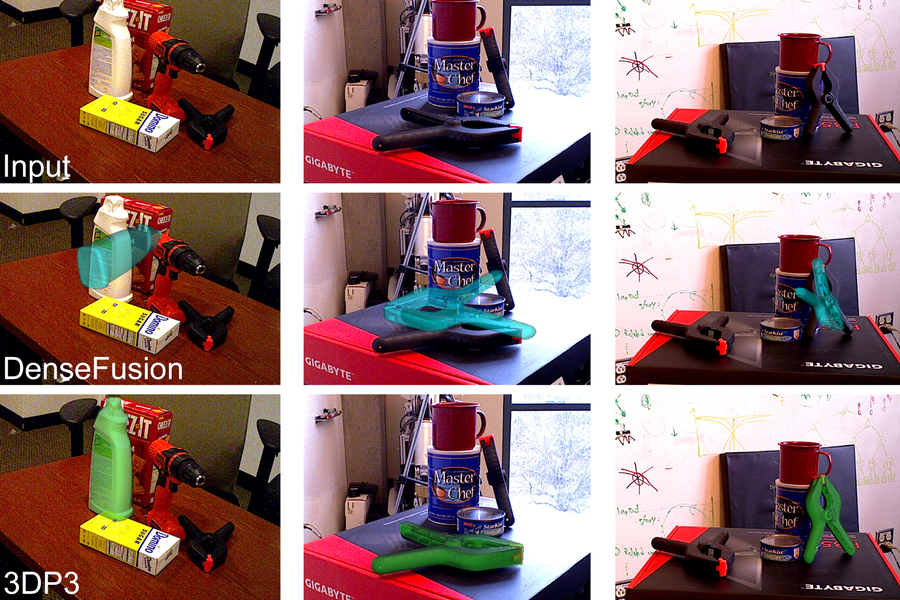
A new “common-sense” approach to computer vision enables artificial intelligence that interprets scenes more accurately than other systems do.
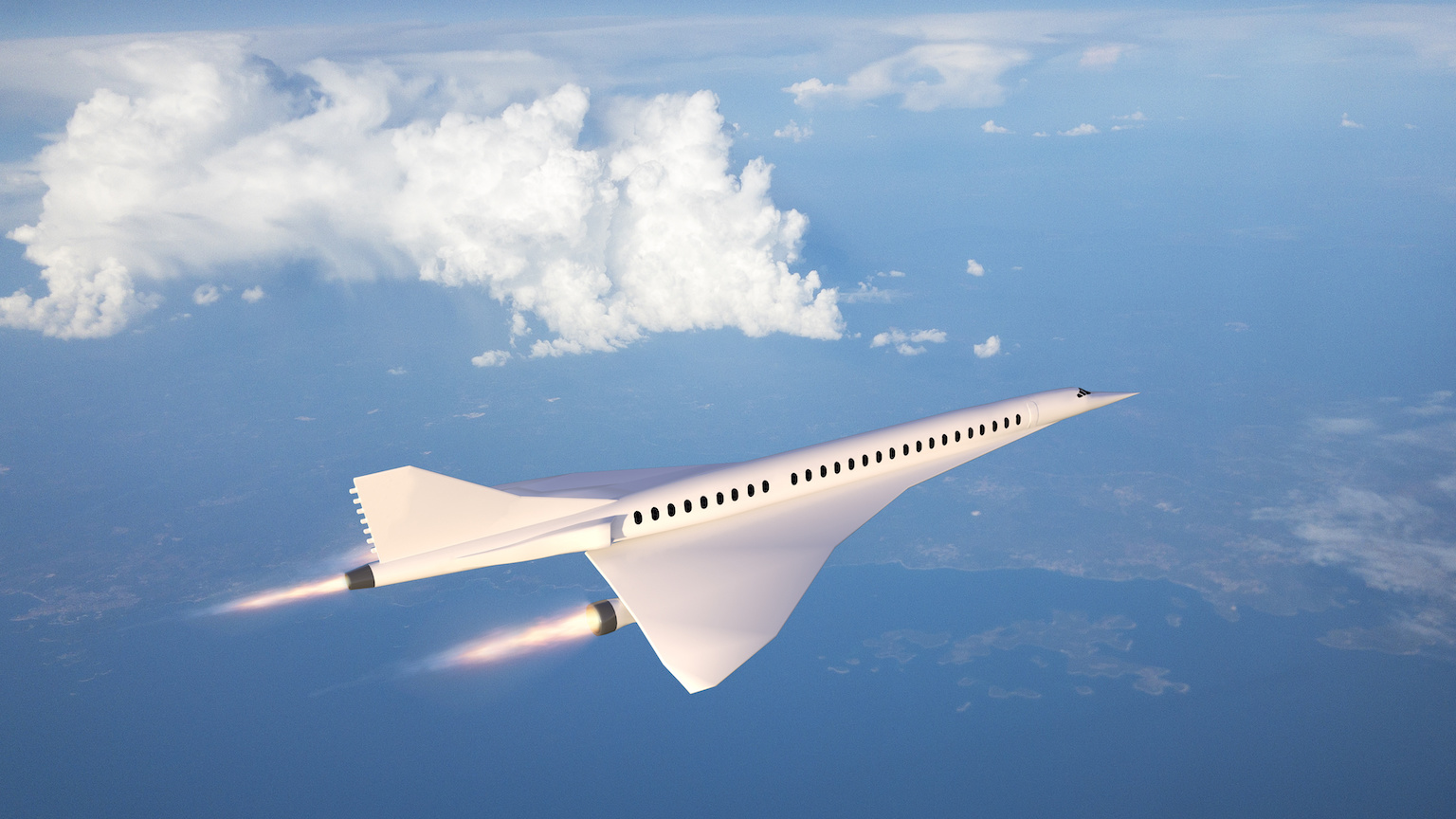
One day, we could fly across the U.S. in half an hour. A state-of-the-art hypersonic flight testing facility at UTSA could help make that dream a reality.
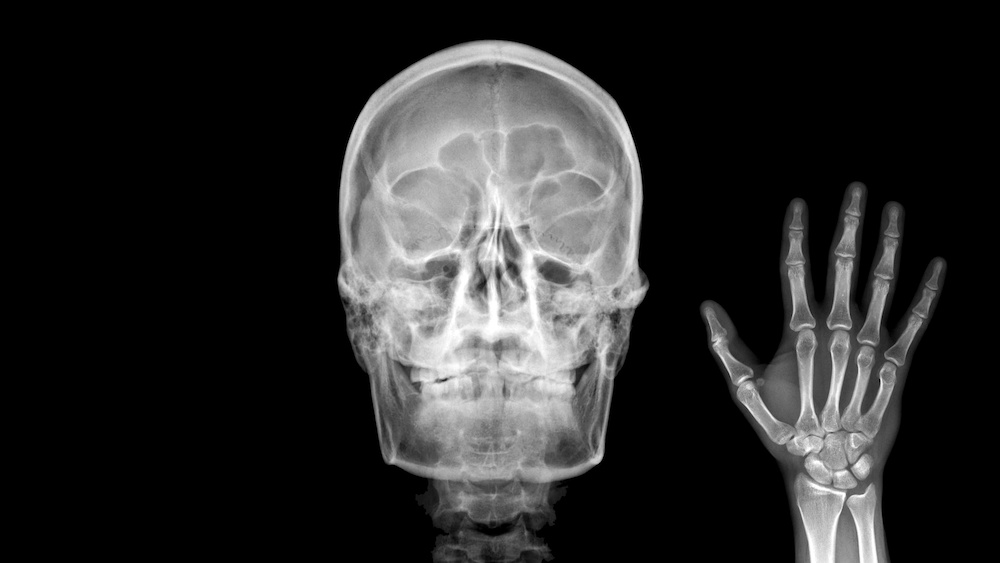
A recent study overviews the thinnest X-ray detector ever created.

Are we really only a moment away from “The Singularity,” a technological epoch that will usher in a new era in human evolution?
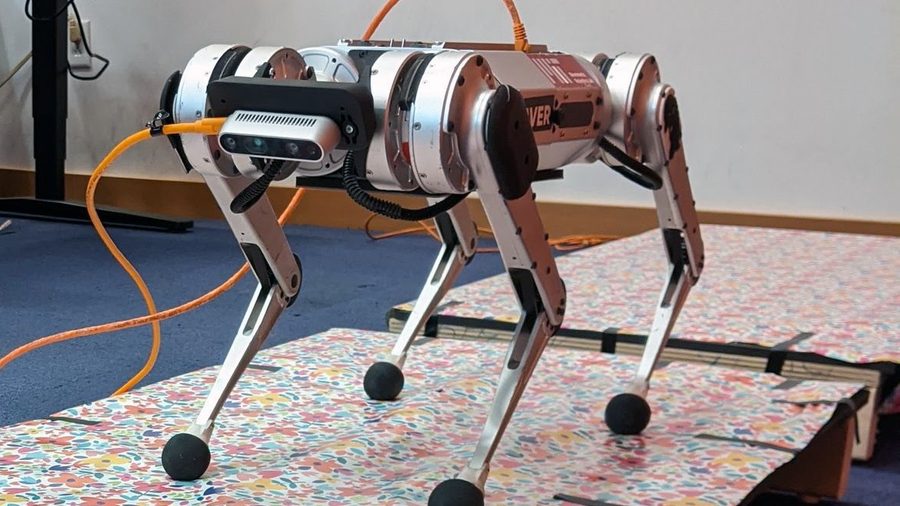
A new control system, demonstrated using MIT’s robotic mini cheetah, enables four-legged robots to jump across uneven terrain in real-time.
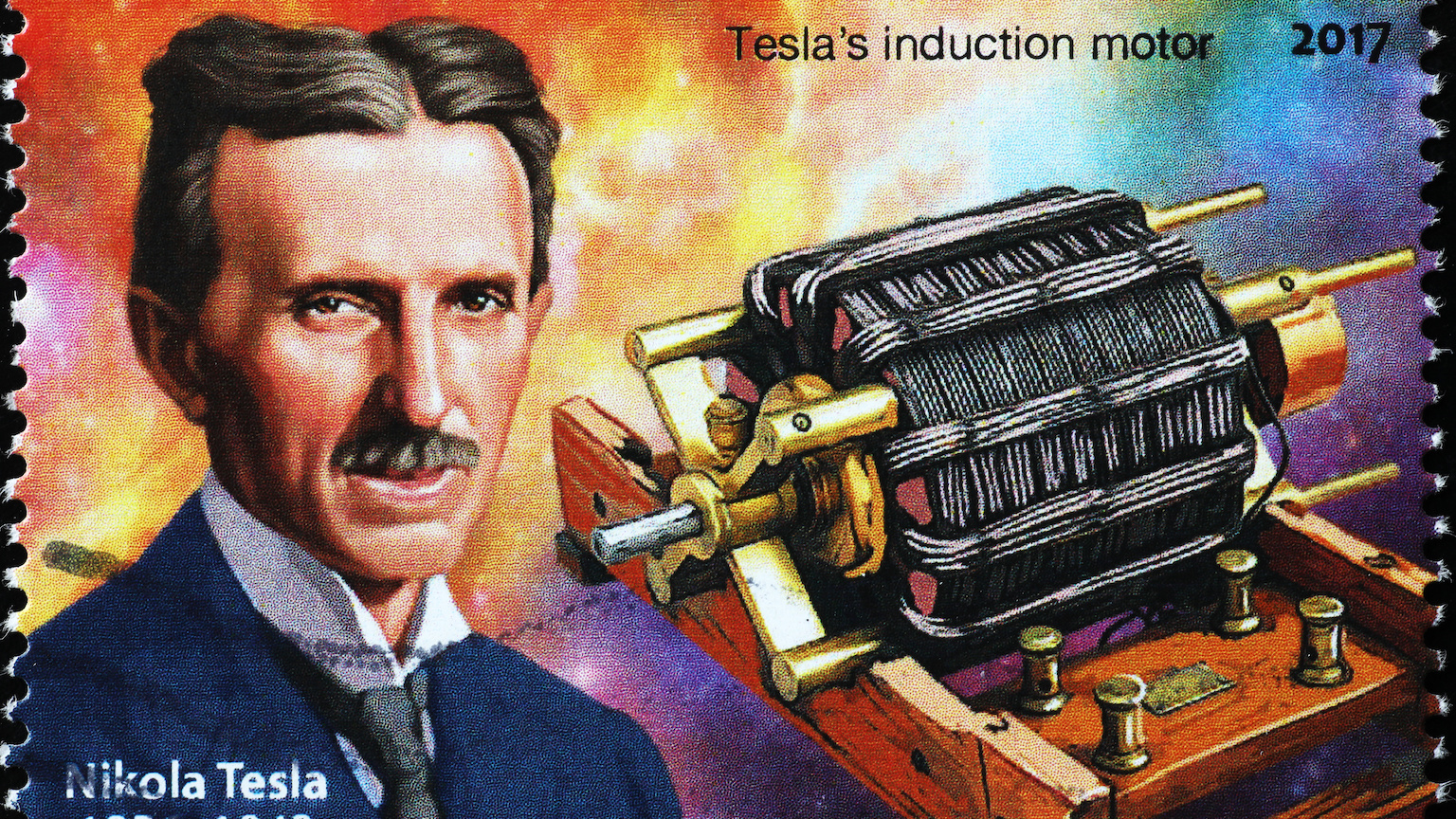
From textiles and transportation to chemicals and microchips, a group of researchers proposes a new way to measure the impact of innovation.

“Should they strike, each of them has an energy at impact equal to all of the nuclear weapons on Earth combined.”