innovation
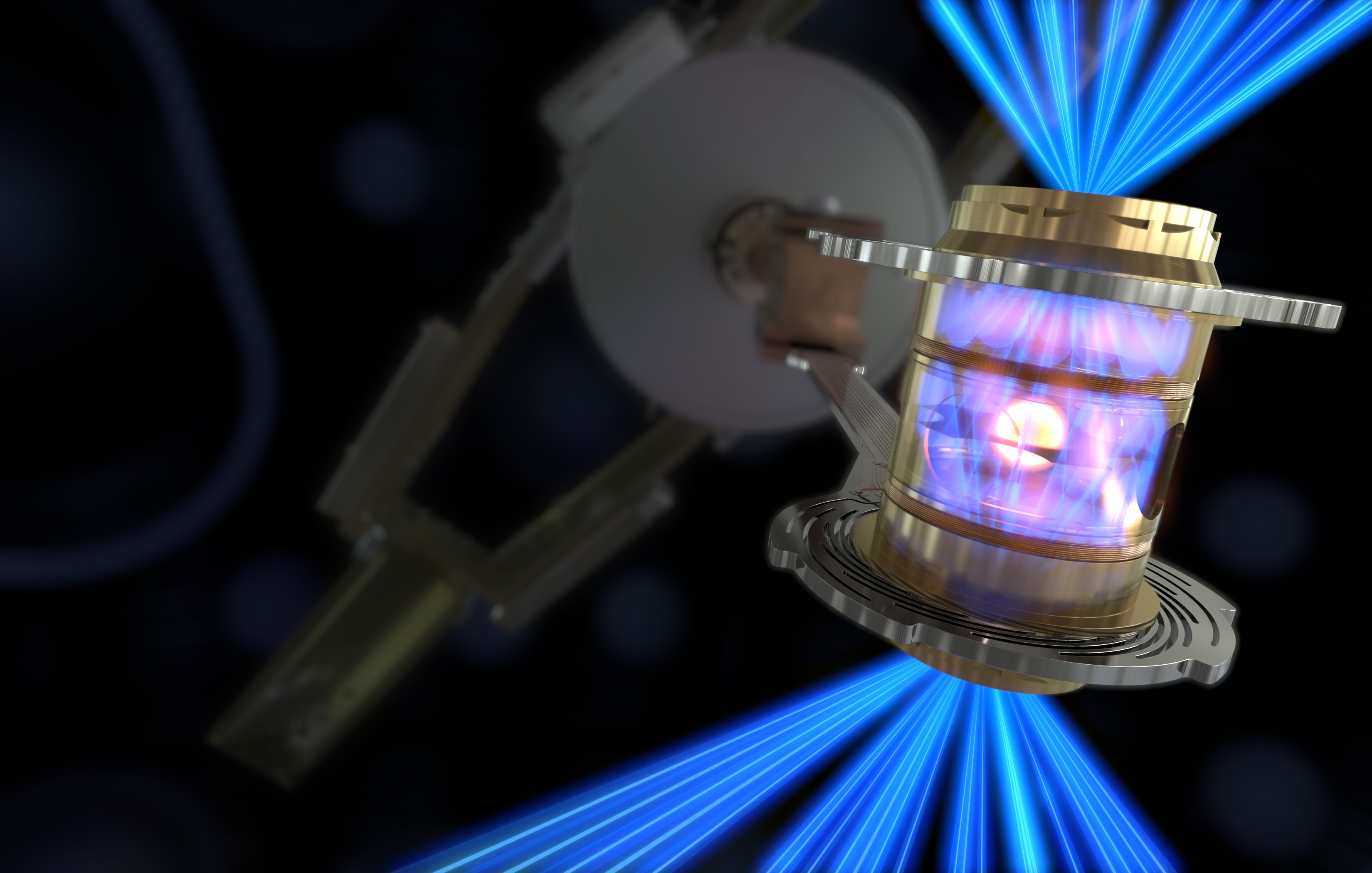
The National Ignition Facility just repeated, and improved upon, their earlier demonstration of nuclear fusion. Now, the true race begins.
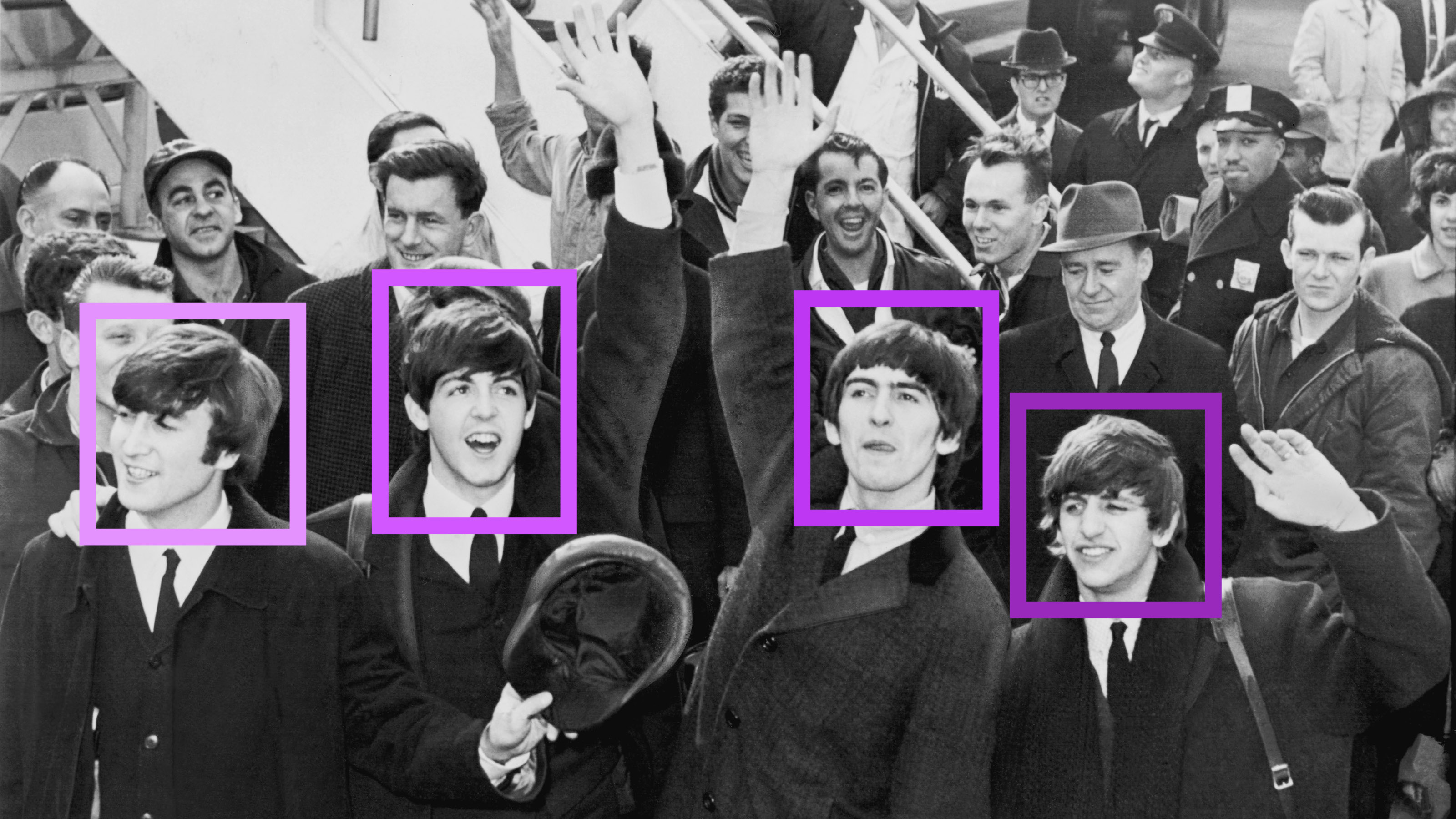
Engineer James Clarke liberated John, Paul, George, and Ringo from their mono and stereo straitjackets using algorithms at Abbey Road.
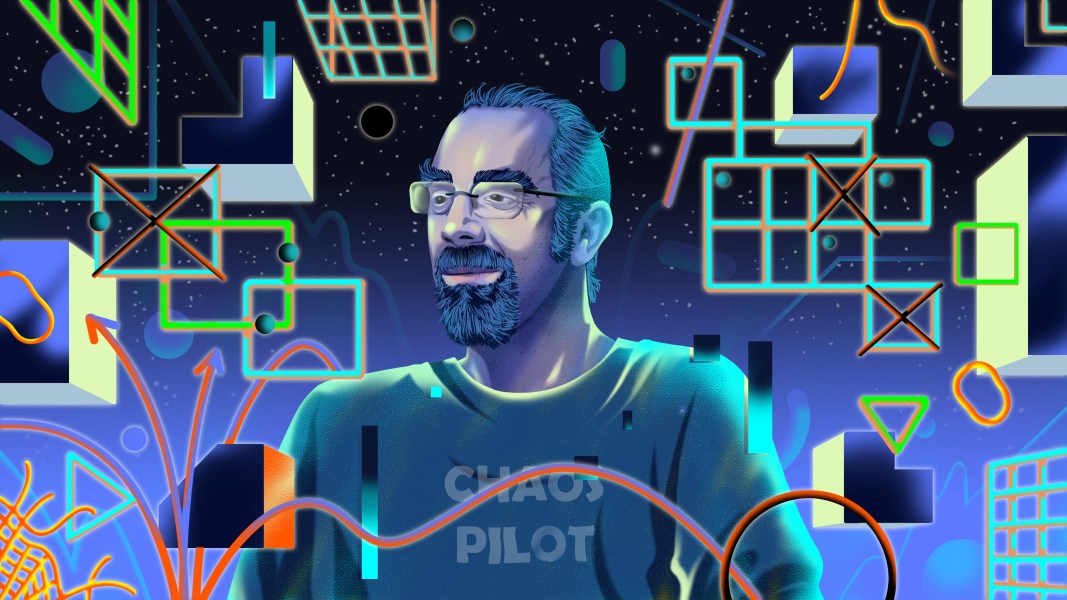
His grandfather, a member of Oppenheimer’s atomic bomb team, foresaw the potential of nuclear energy to power cities — not destroy them.
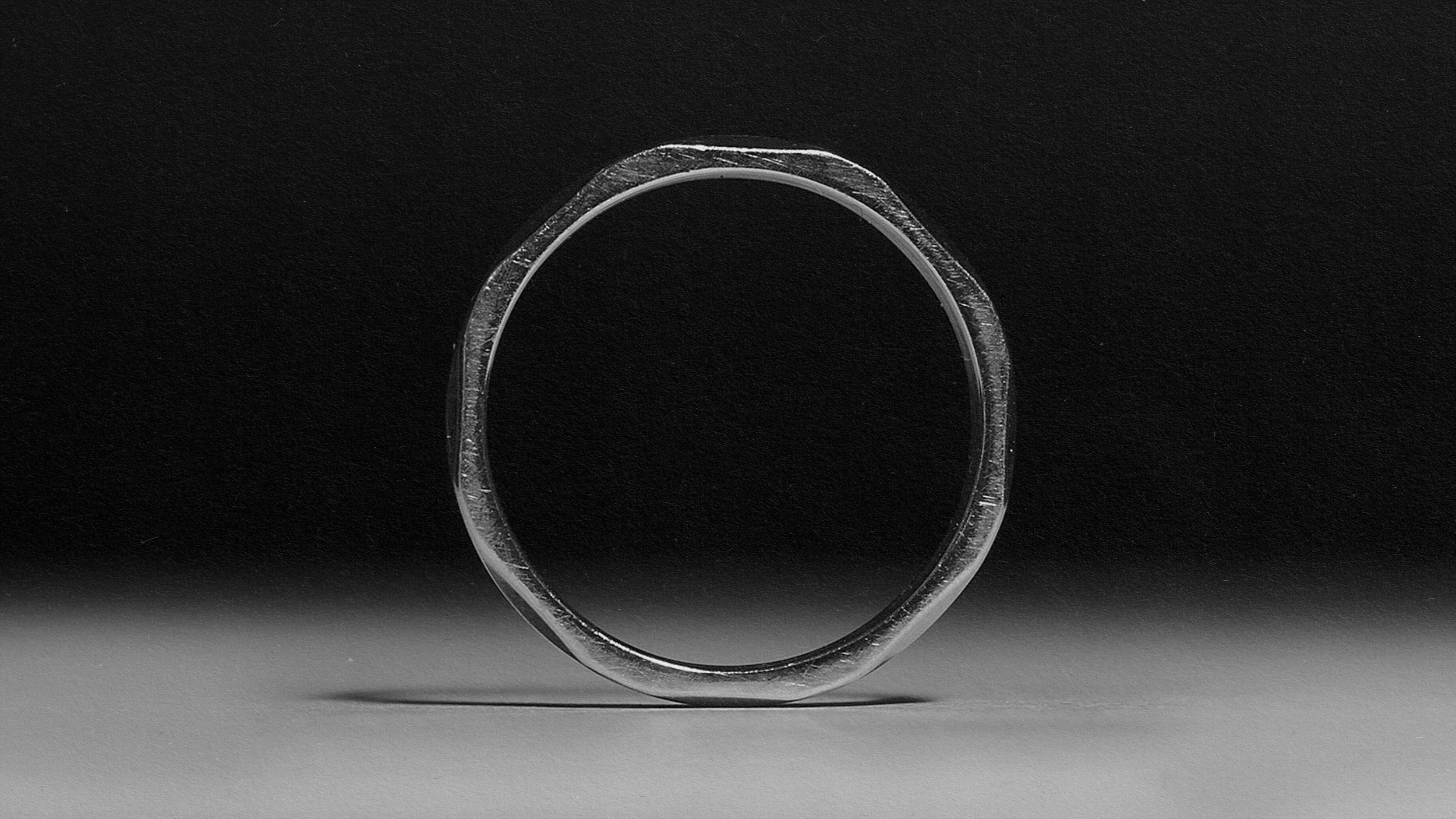
With U.S. infrastructure crumbling, an honor oath and iron ring remind engineers of their profession’s ethical weight.
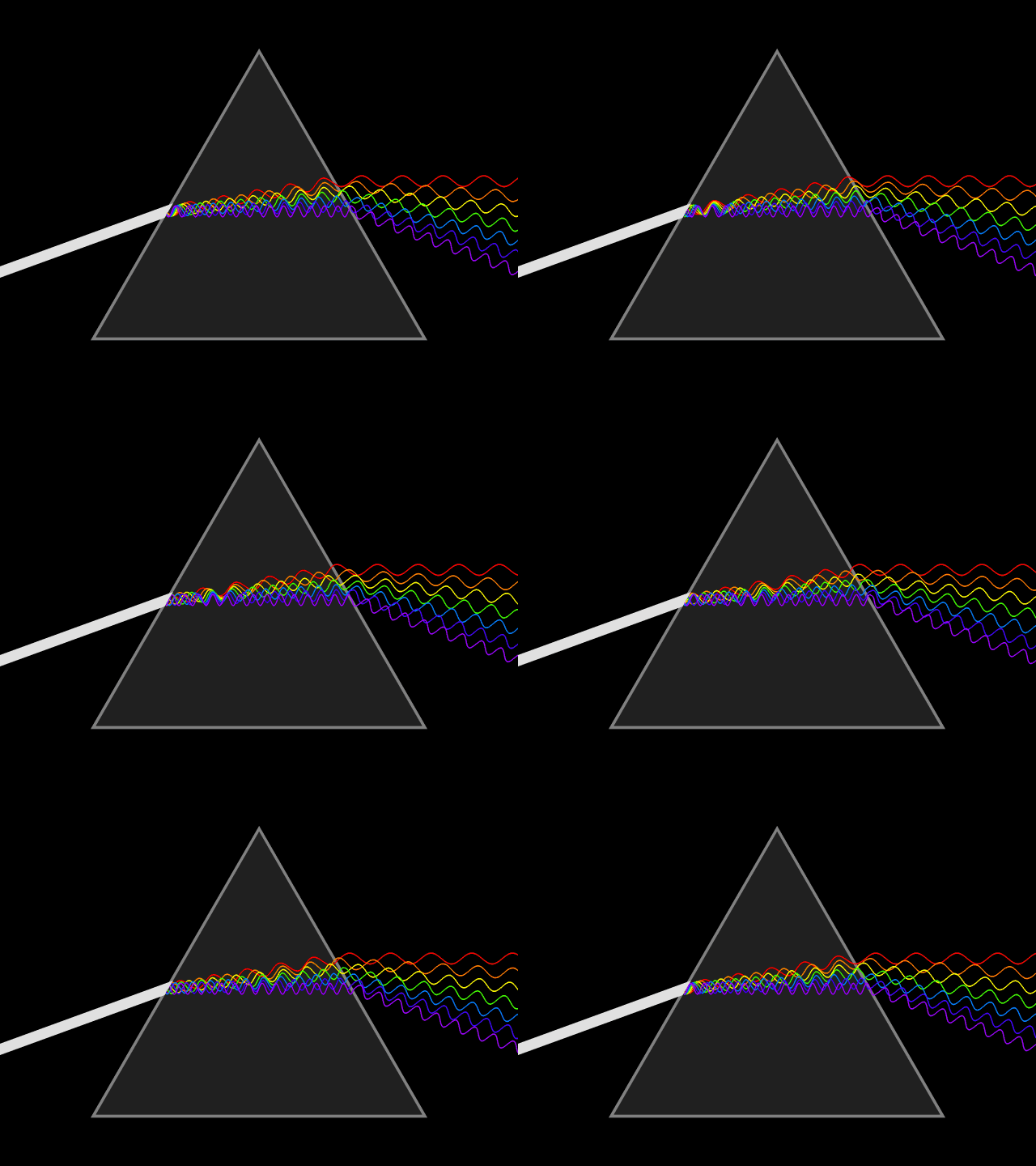
Invisible cloaks. Ghost imaging. Scientists are manipulating light in ways that were once only science fiction.

The divers spend their waking hours either under hundreds of feet of water on the ocean floor or squeezed into an area the size of a restaurant booth.
Learn to spot the scientists who are searching for the truth rather than money, ego, or fame.

Science news presents a flood of breakthroughs and discoveries that promise to change our lives. They rarely do.
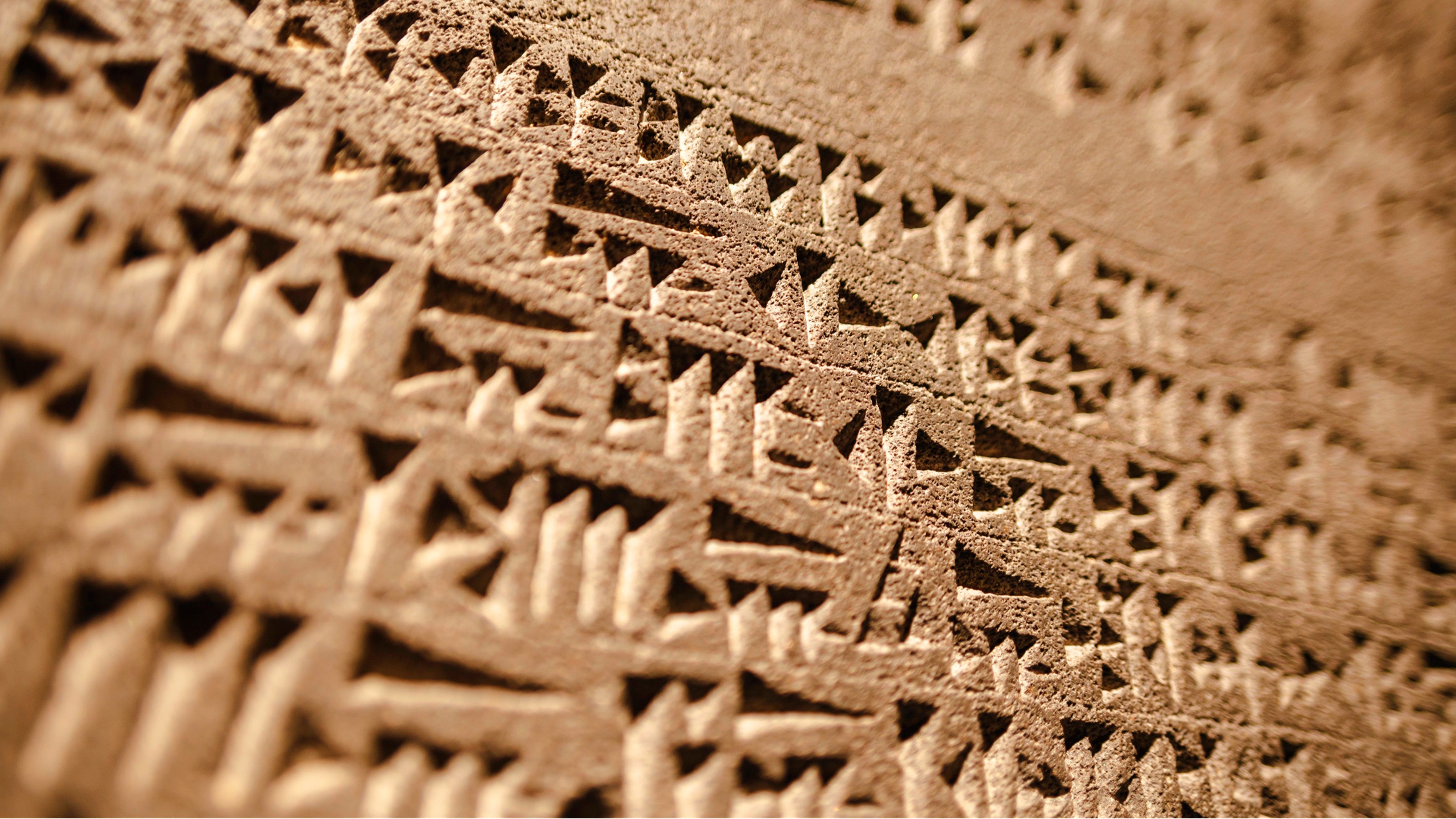
It’s like combining Google Translate with a time machine.
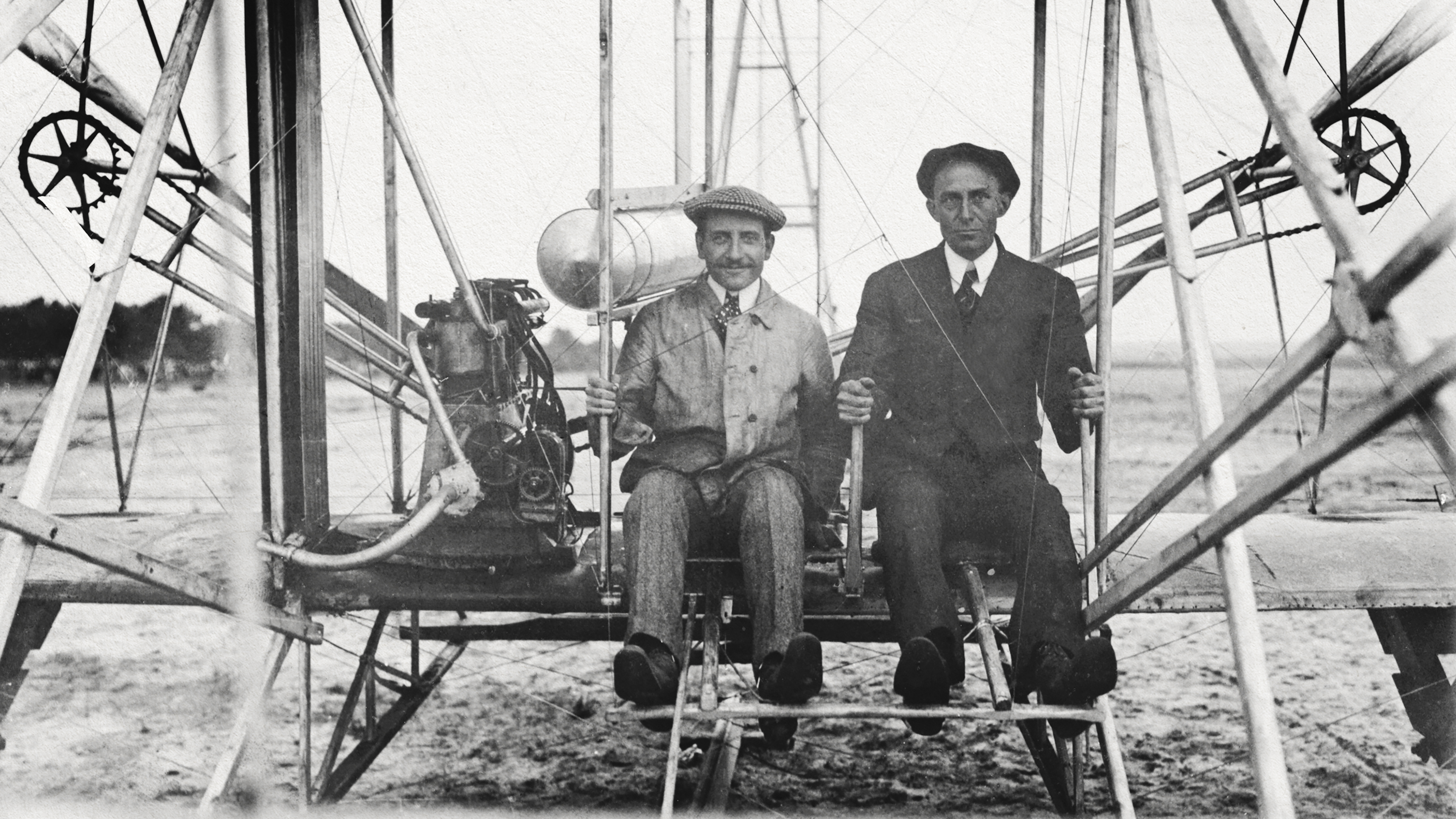
Pessimism reigned supreme.
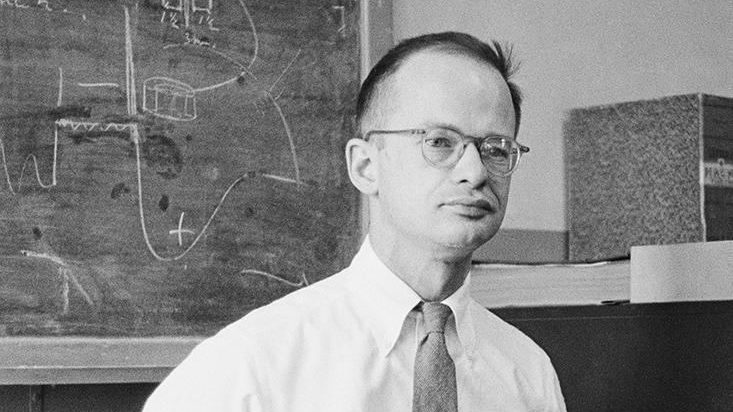
Walter Pitts rose from the streets to MIT, but couldn’t escape himself.

Would you confess your crimes to a skeleton with “an unnatural ghastly glow”? One inventor thought you would.

Creating a culture of innovation requires champions and cheerleaders at every level and in every function within an organization.

In the spirit of the 1969 moon landing, we now have a golden opportunity to pursue “nondisruptive” creative solutions.
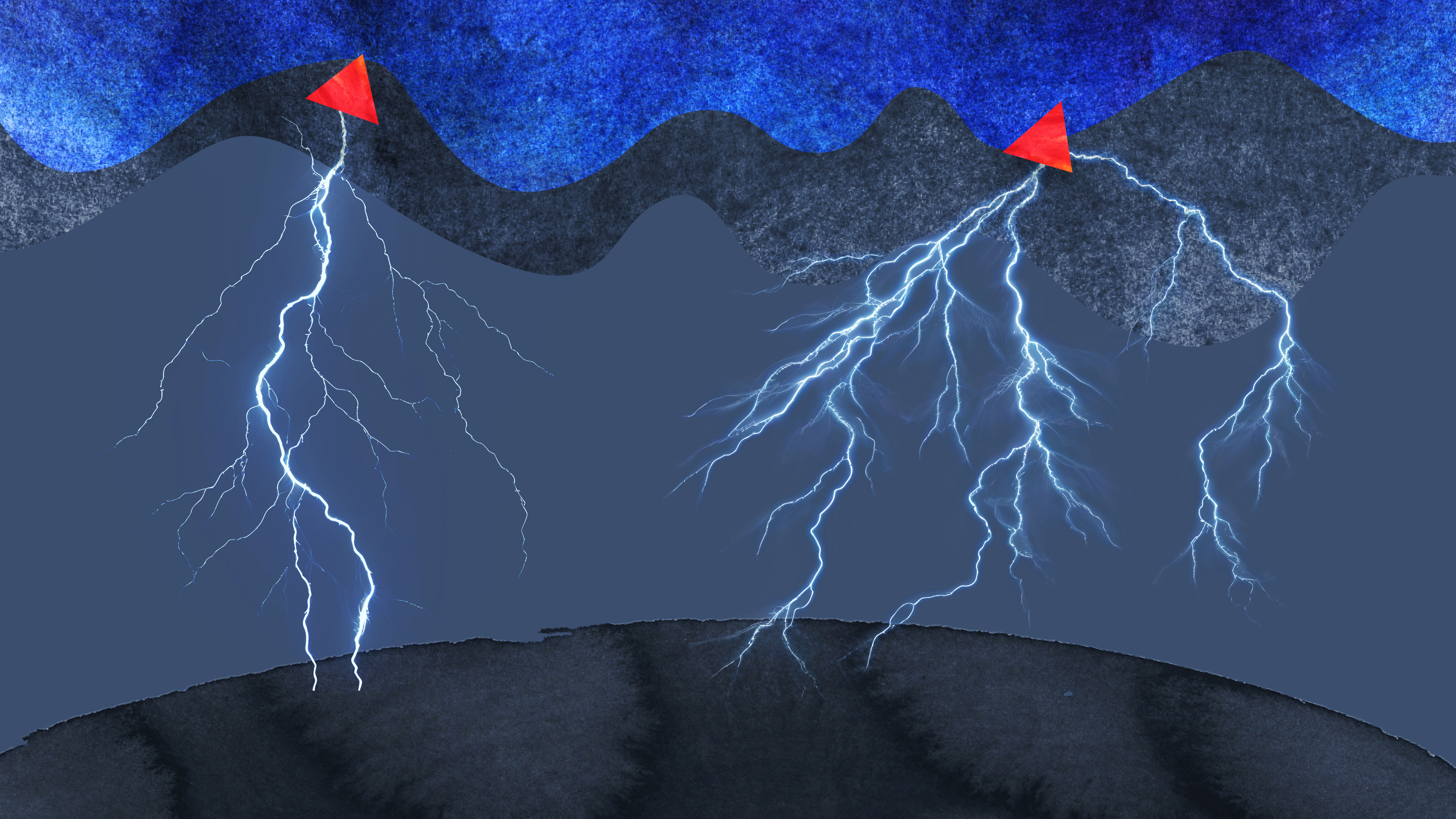
Laser-guided lightning isn’t the only manmade way to create lightning.

Data scientists first gained prominence by making us click on ads — now the profession spans a multiverse.
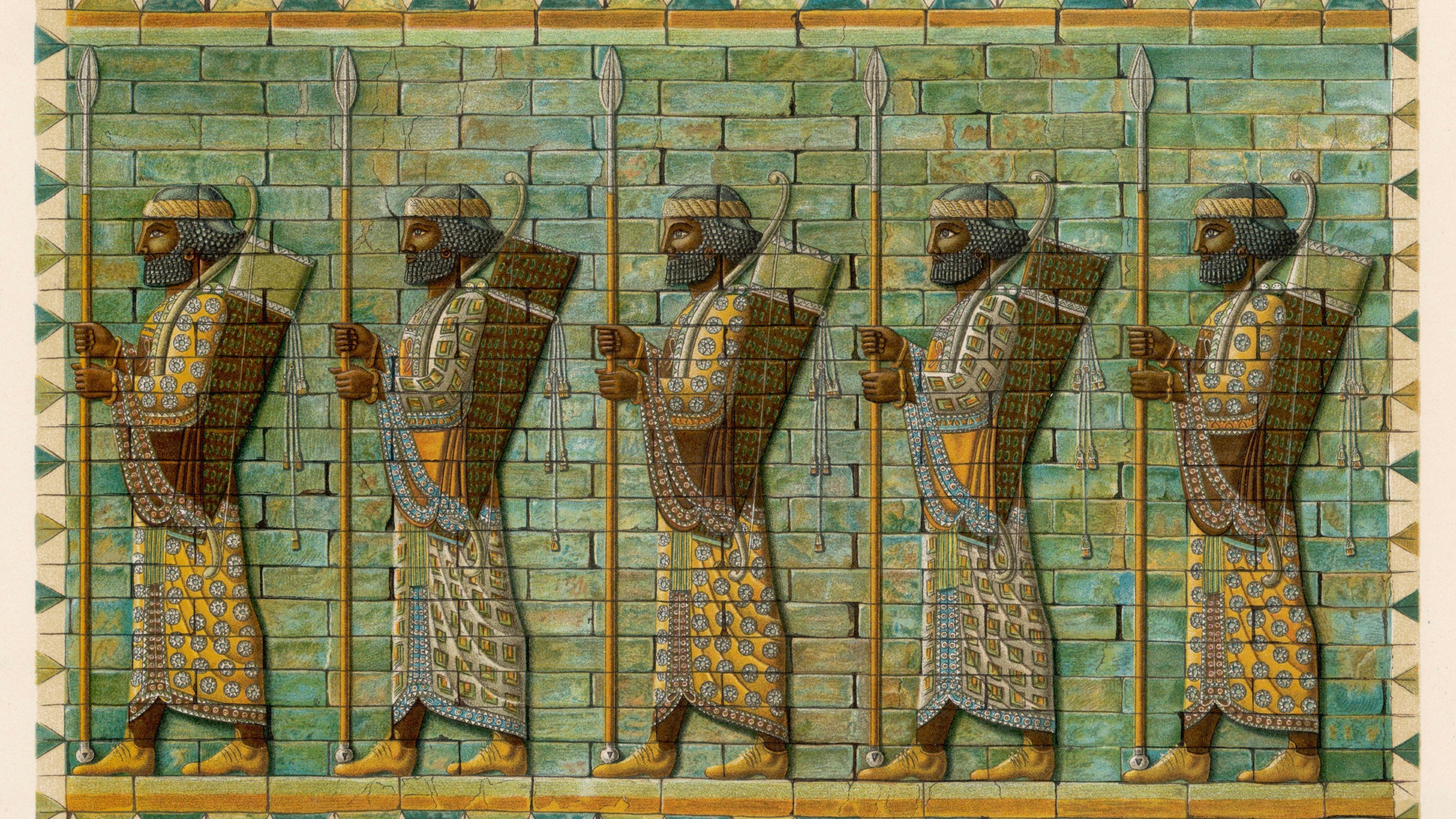
From landscaped gardens to road systems, the Persians were among the first to create many things we still enjoy today.

Did fire change the development of the human brain?
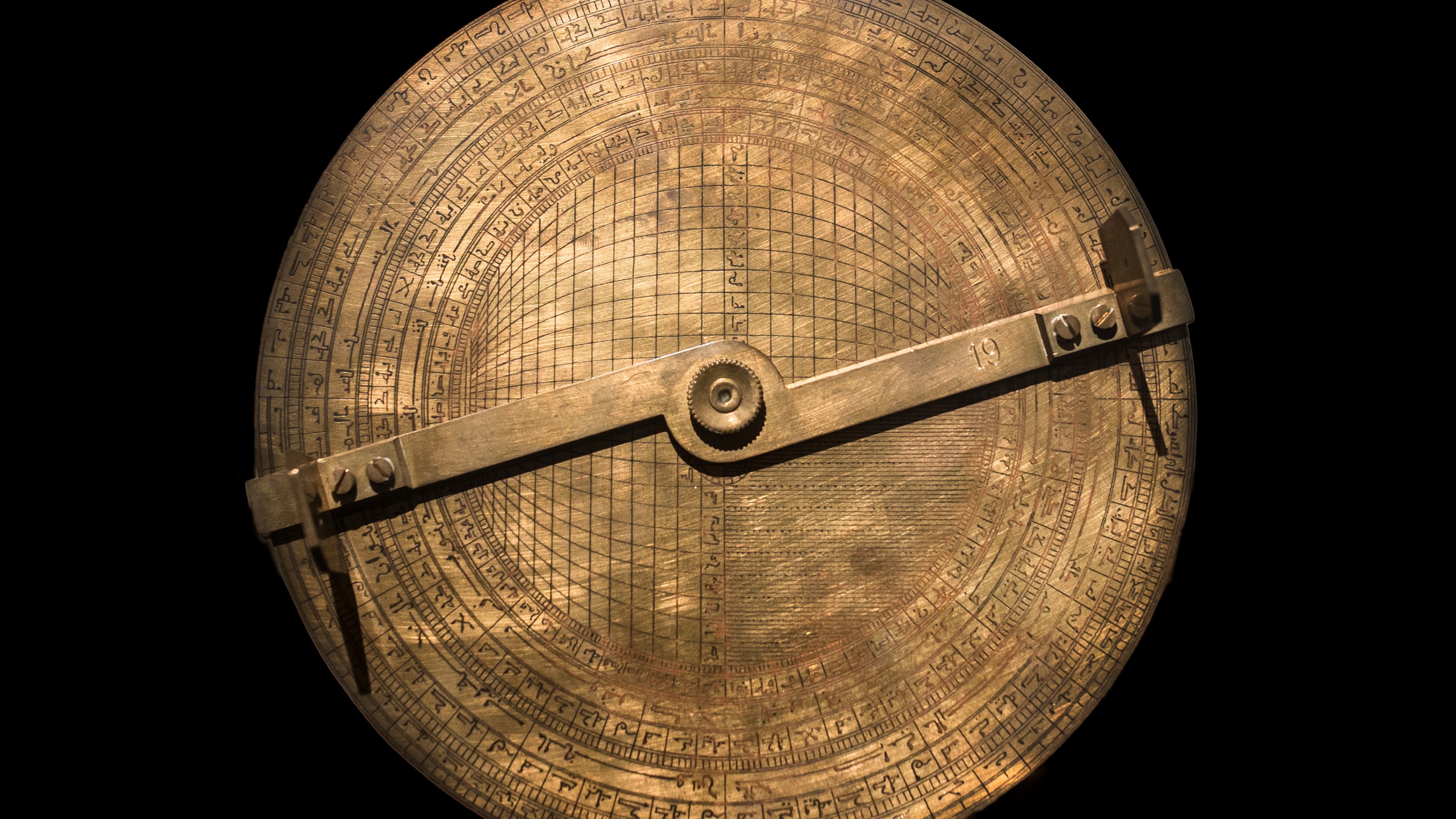
The 1,200-year-old “Book of Ingenious Devices” contains designs for futuristic inventions like gas masks, water fountains, and digging machines.

An innovation’s value is found between the technophile’s promises and the Luddite’s doomsday scenarios.
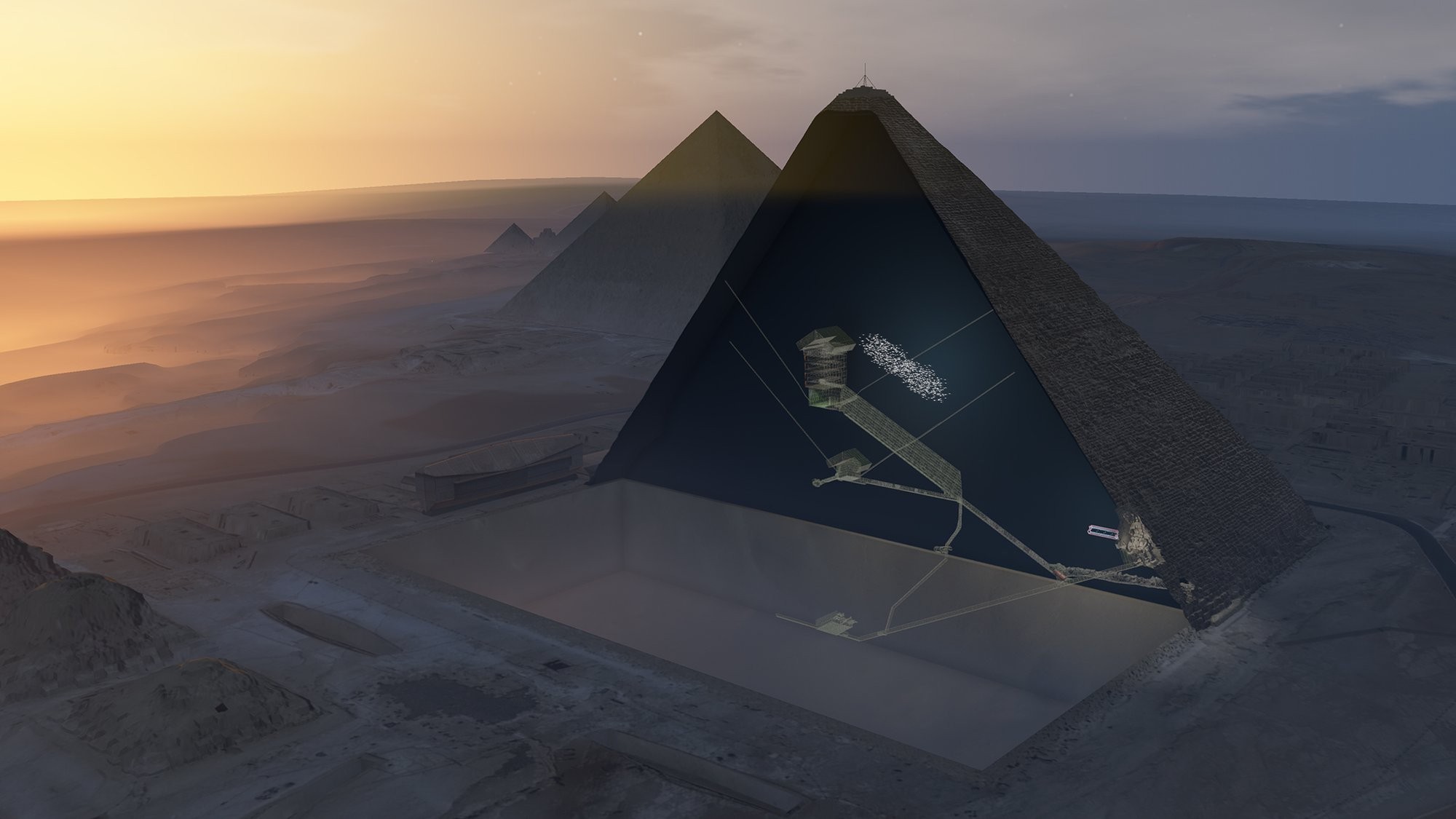
A non-invasive method for looking inside structures is solving mysteries about the ancient pyramid.
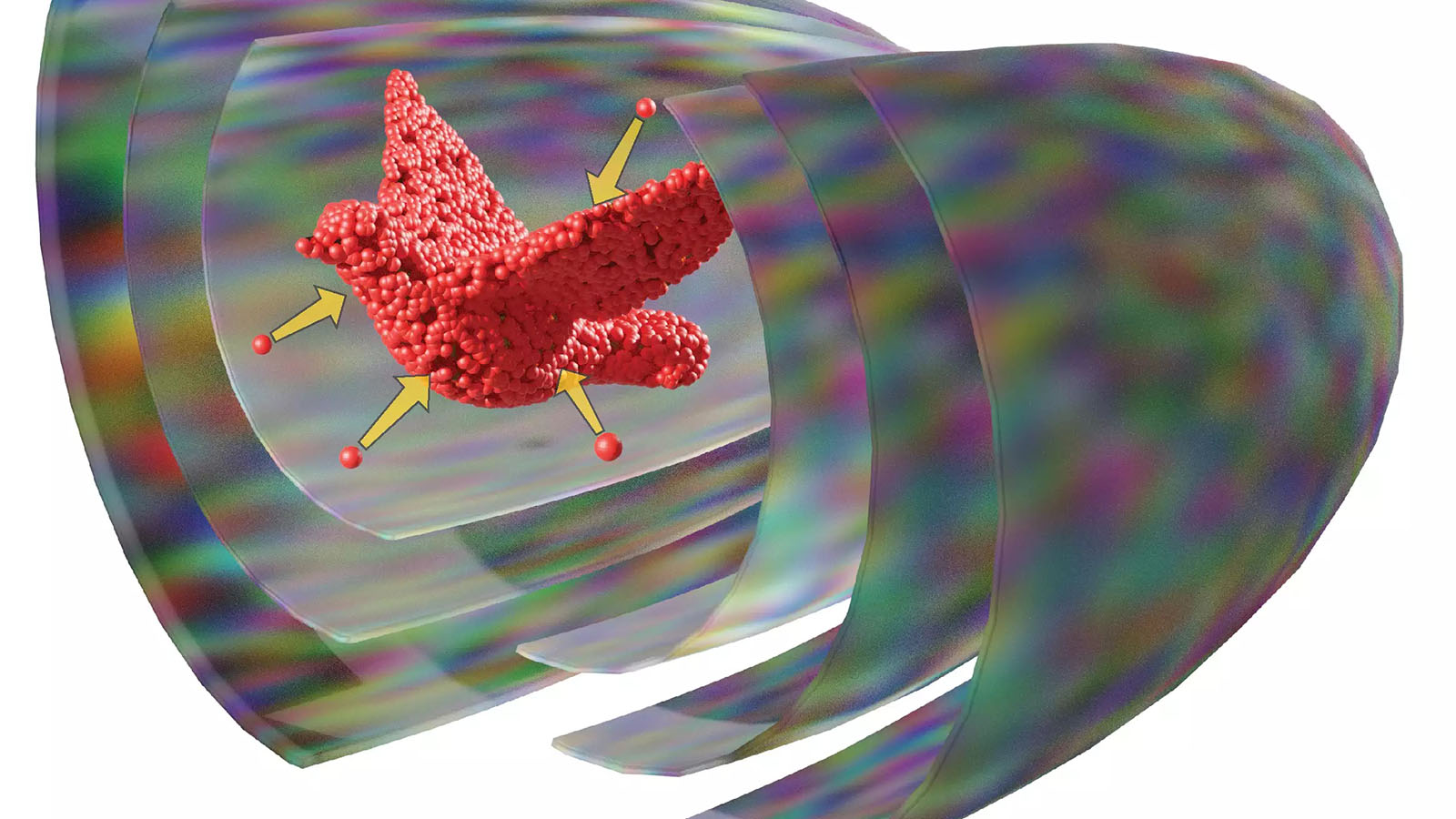
Using shaped ultrasound, researchers can 3D print objects in one shot.
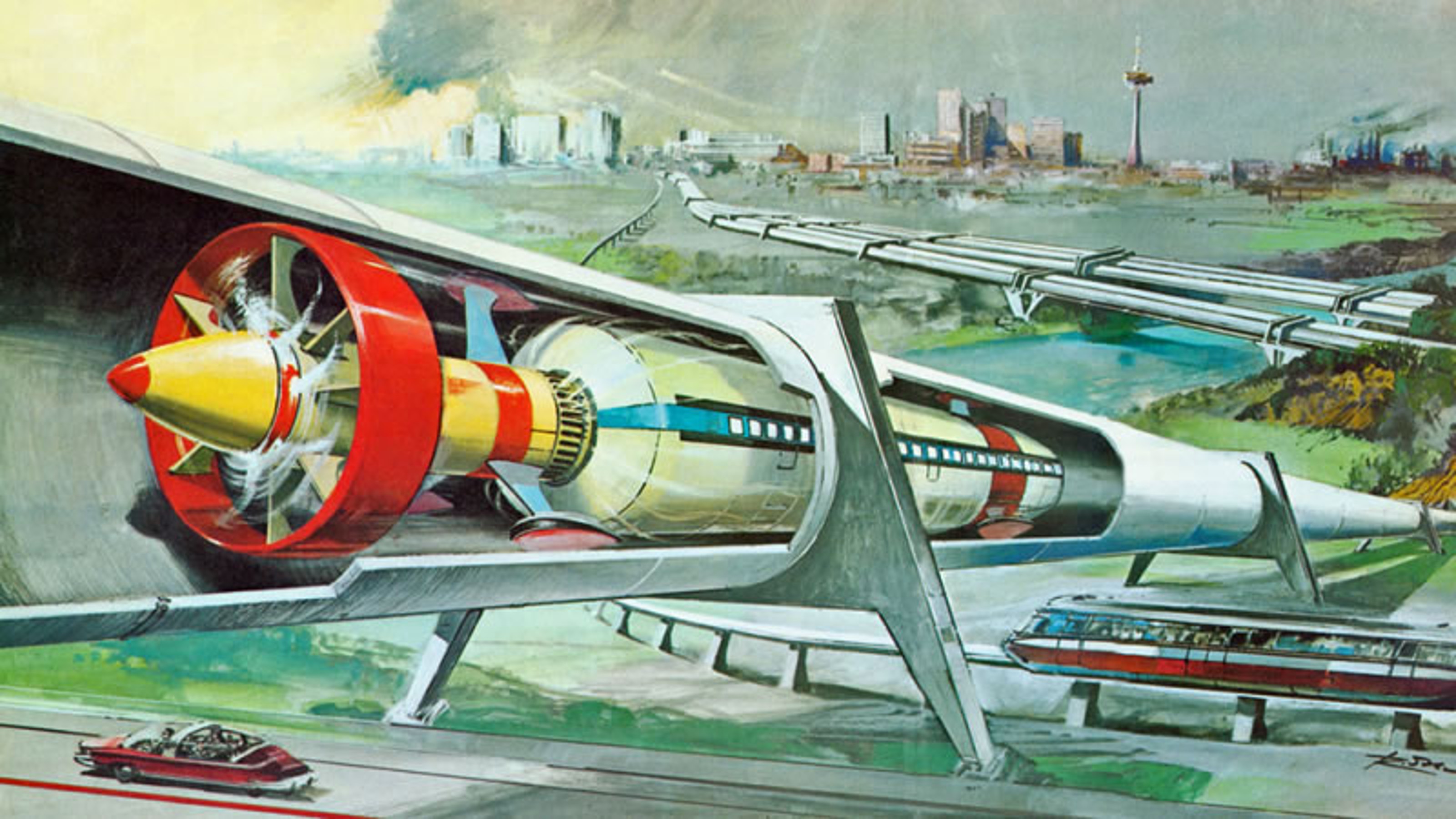
Skepticism is appropriate when gazing into the futurist’s crystal ball.
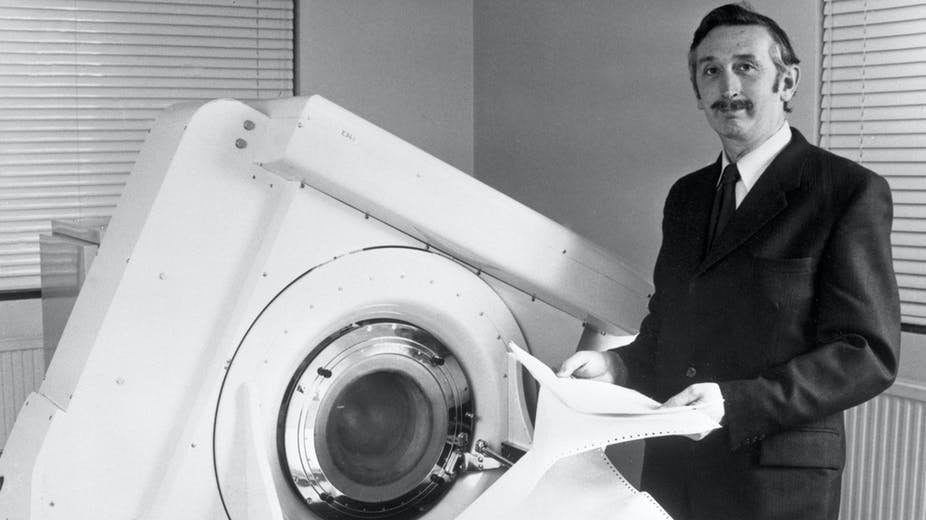
Godfrey Hounsfield’s early life did not suggest that he would accomplish much at all.

They cost $1,400 and will make you feel like you’re always on a moving sidewalk.
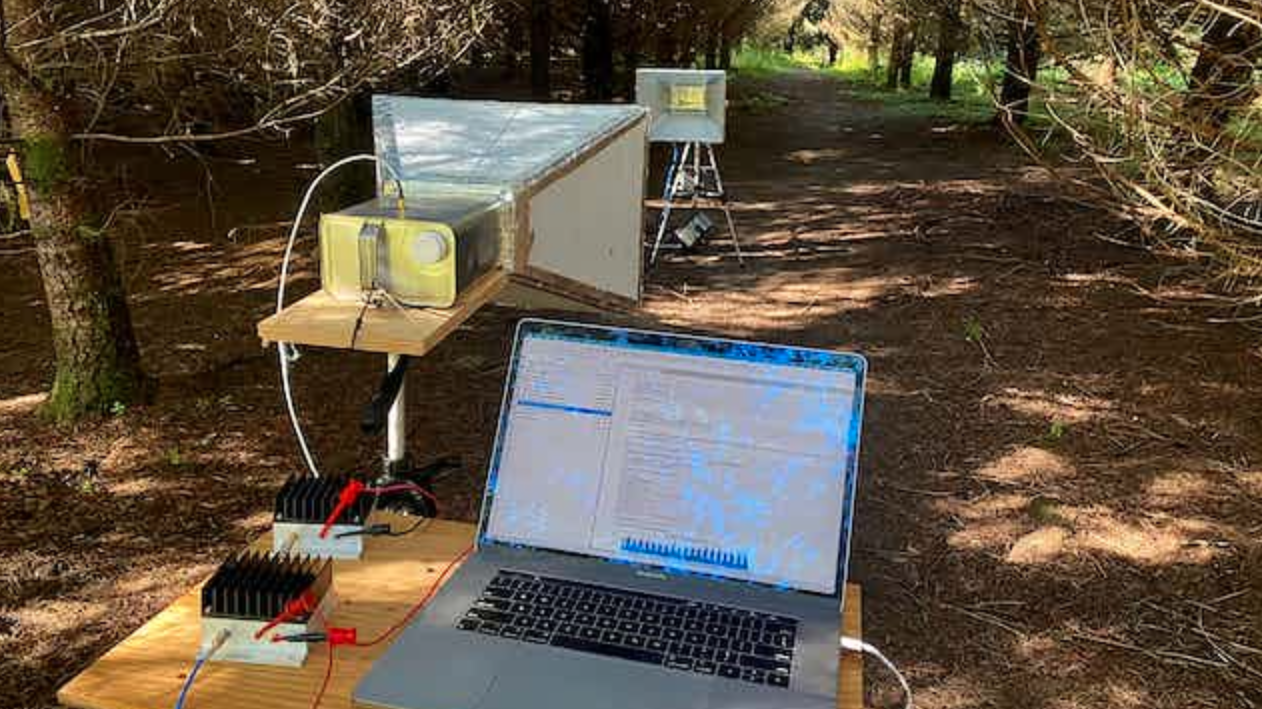
Apart from the energy needed to flip the switch, no other energy is needed to transmit the information.
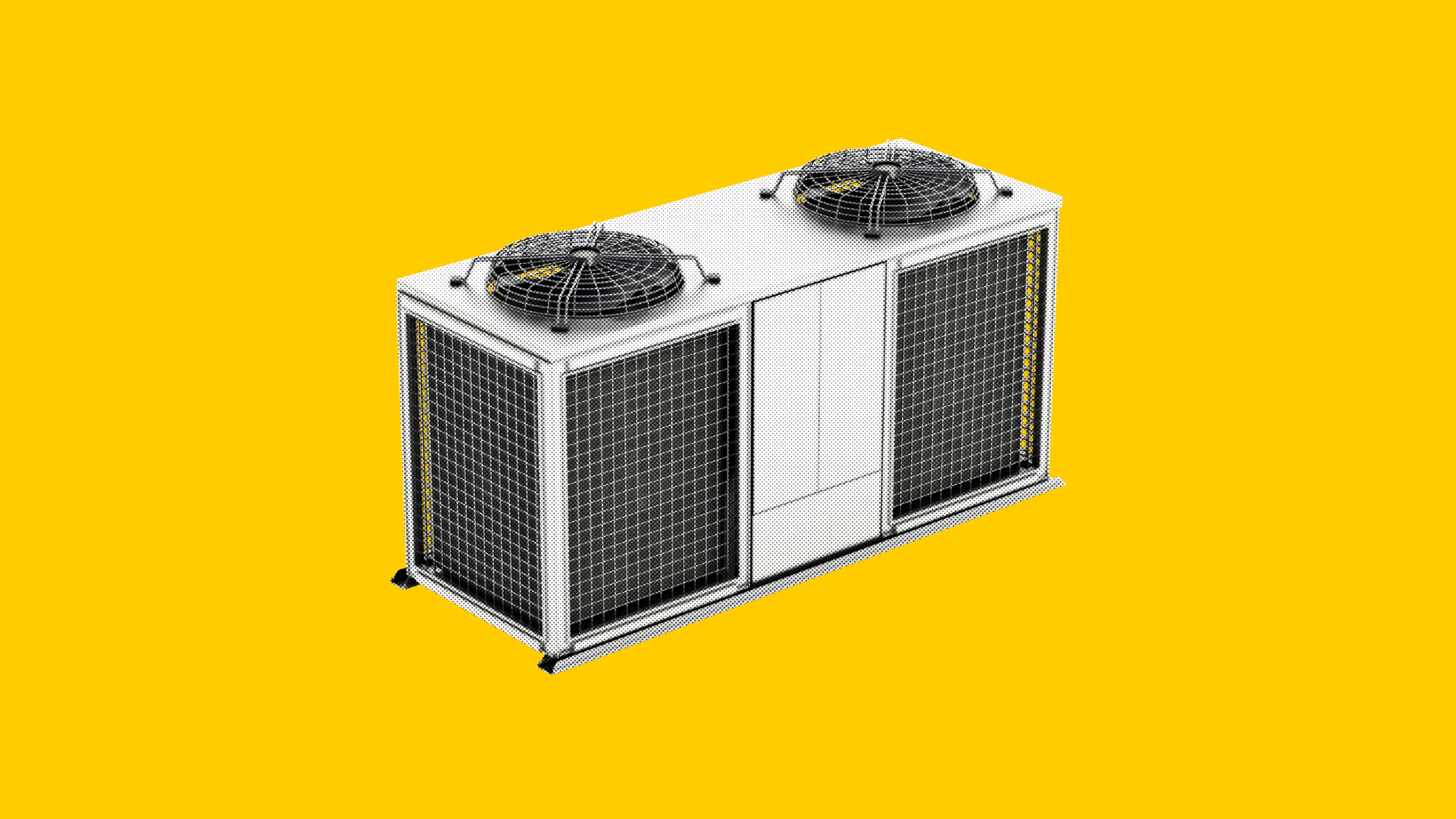
Innovative thinking has done away with problems that long dogged the electric devices — and both scientists and environmentalists are excited about the possibilities.

Why can’t more rainwater be collected for the long, dry spring and summer when it’s needed?
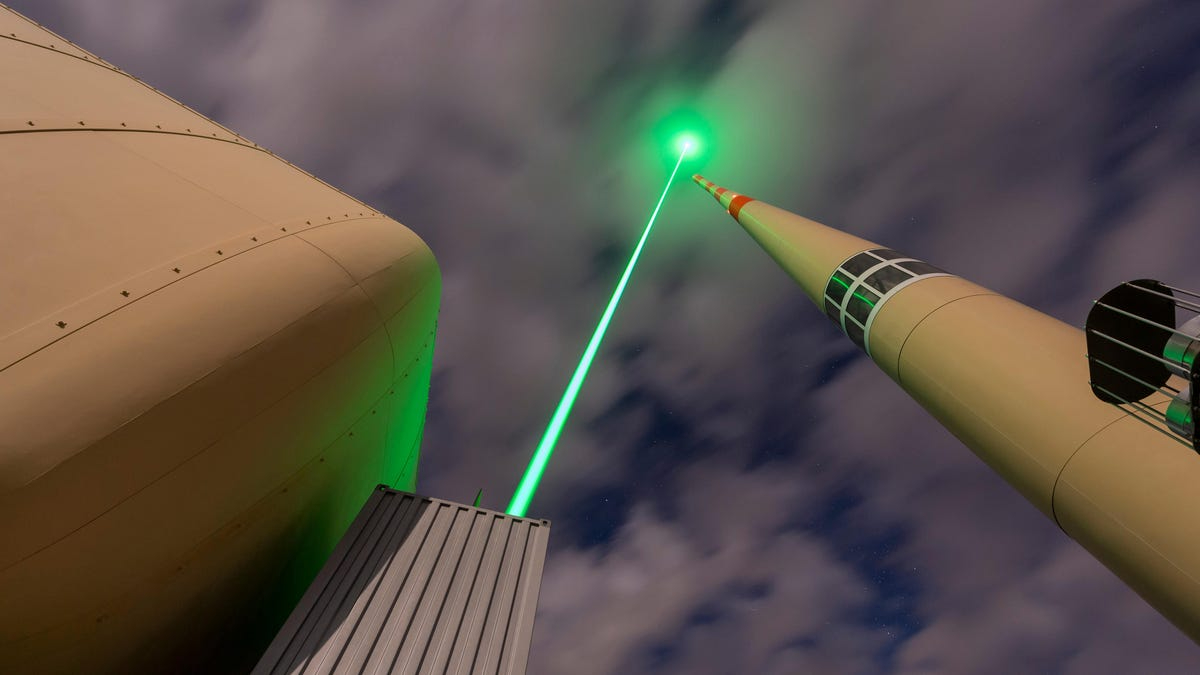
Laser-guided lightning systems could someday offer much greater protection than lightning rods.
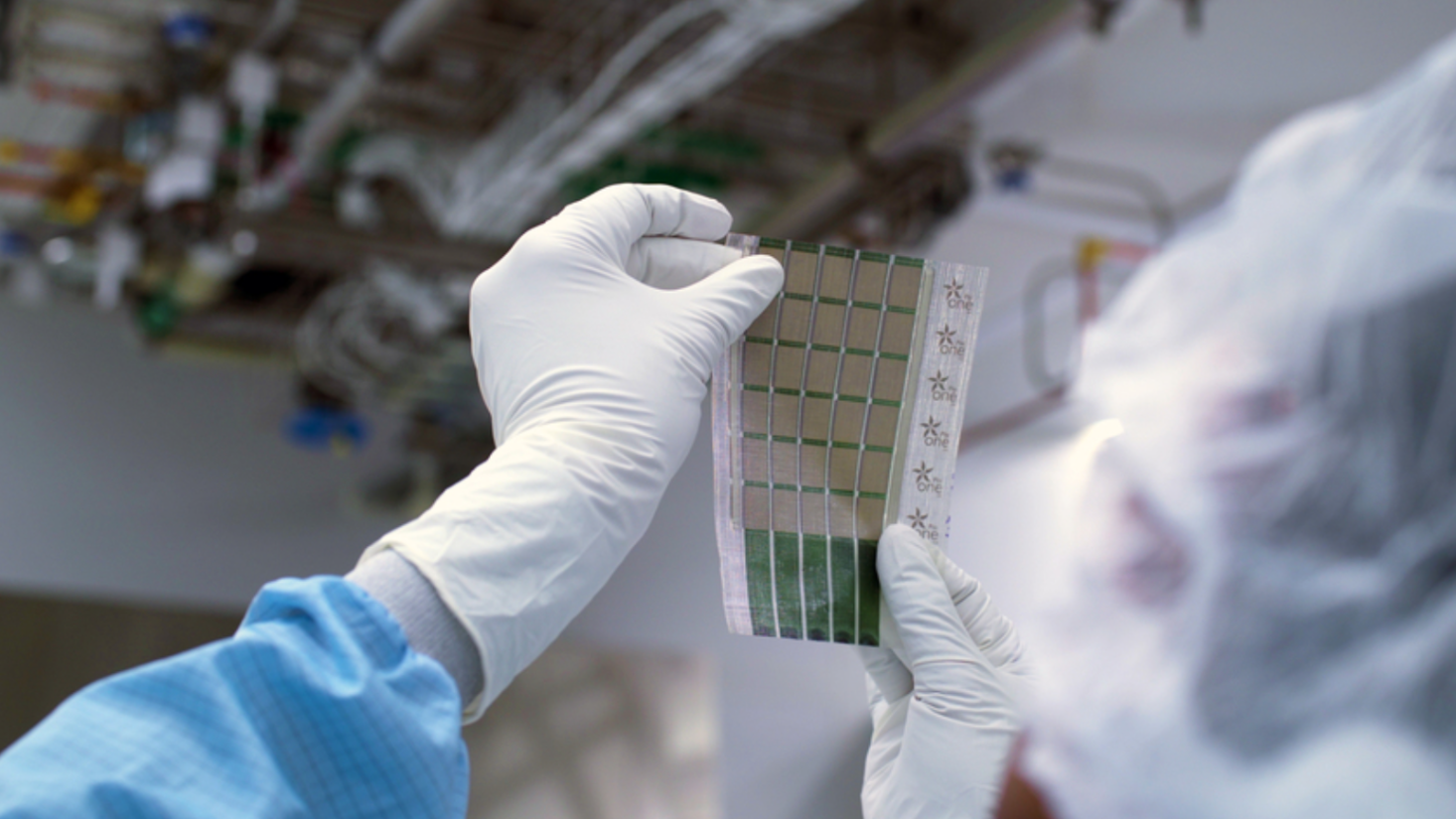
Some solar cells are so lightweight they can sit on a soap bubble.