philosophy

Former tech founder Scott Britton wants to shatter the binary myth that separates driving ambition from inner development.

The great books aren’t just classics — they’re cultural Schelling points that give our minds a place to meet up in the world of ideas.


There’s some, but not overwhelming, evidence that dark energy is evolving. What would it take for a “Big Crunch” to be our cosmic fate?
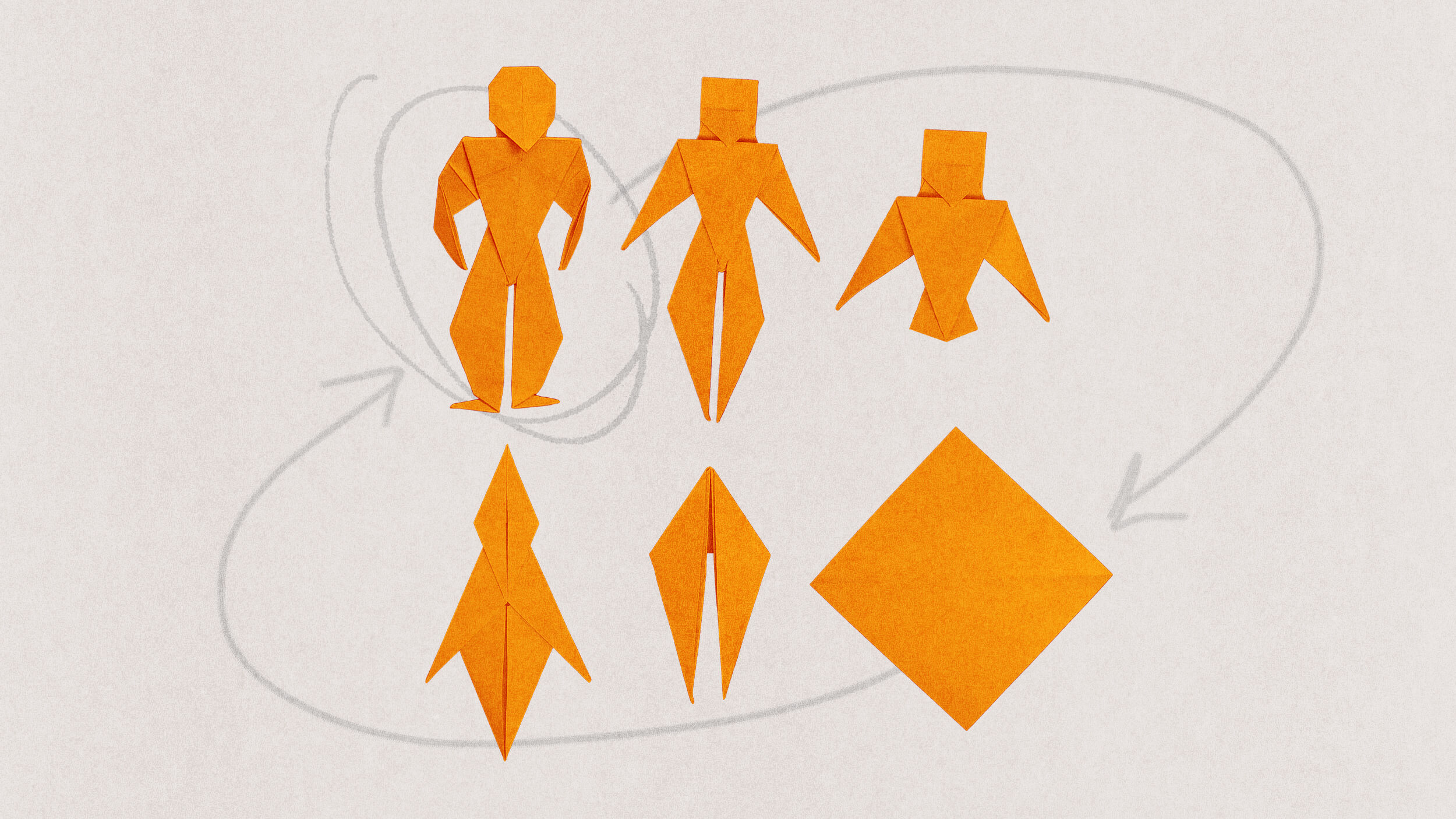
Maybe — just don’t expect a carbon copy.

It’s not just about the home; it’s about everything.

In this excerpt from “One Hand Clapping,” Nikolay Kukushkin makes the case that neurons reveal how memory, meaning, and even consciousness emerge from the same biological roots in humans, sea slugs, and beyond.

Getting drunk might be bad for you but good for us.
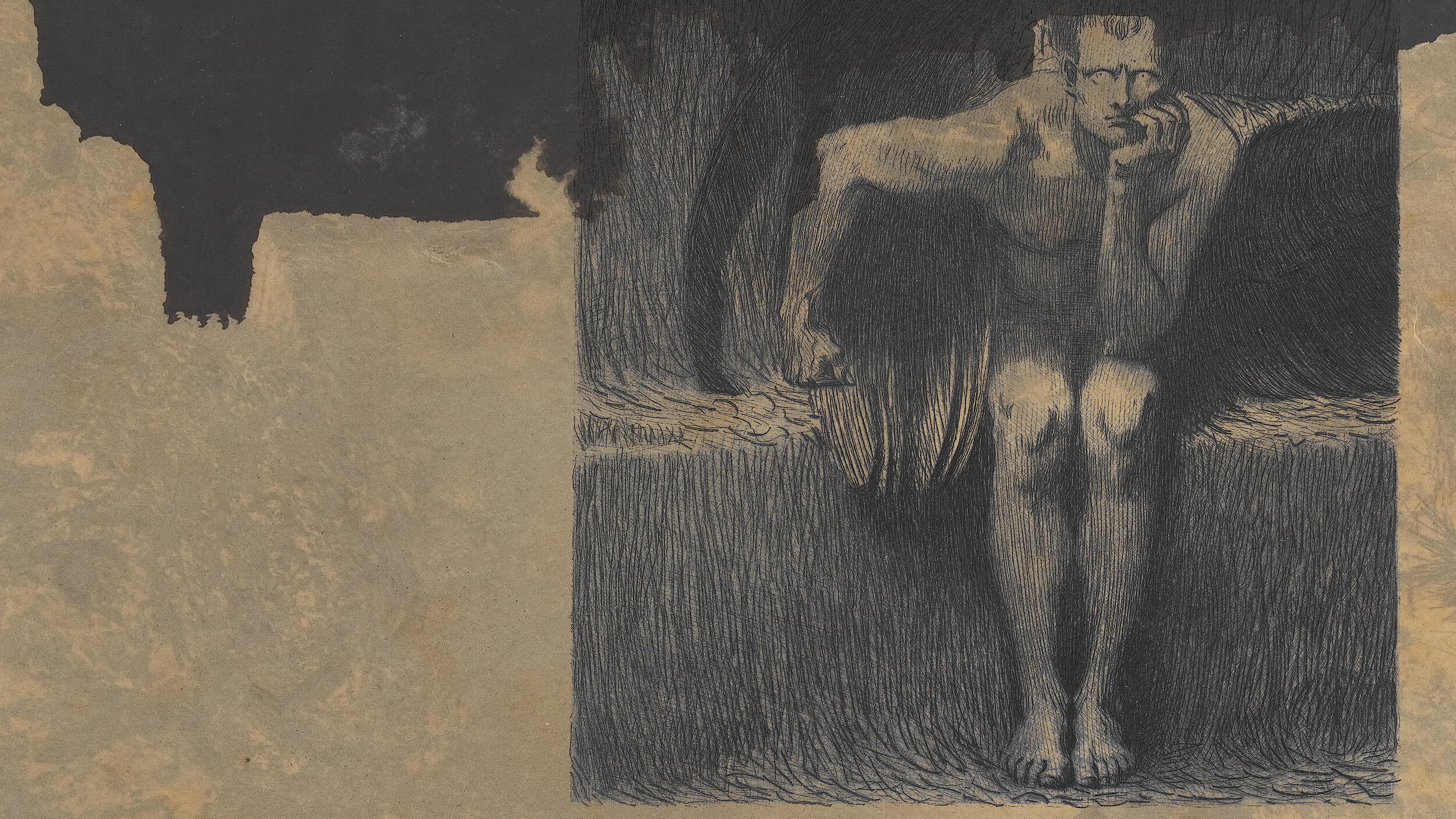
Each of these stories rests on a foundation of great ideas that will scare you to death and make you think.
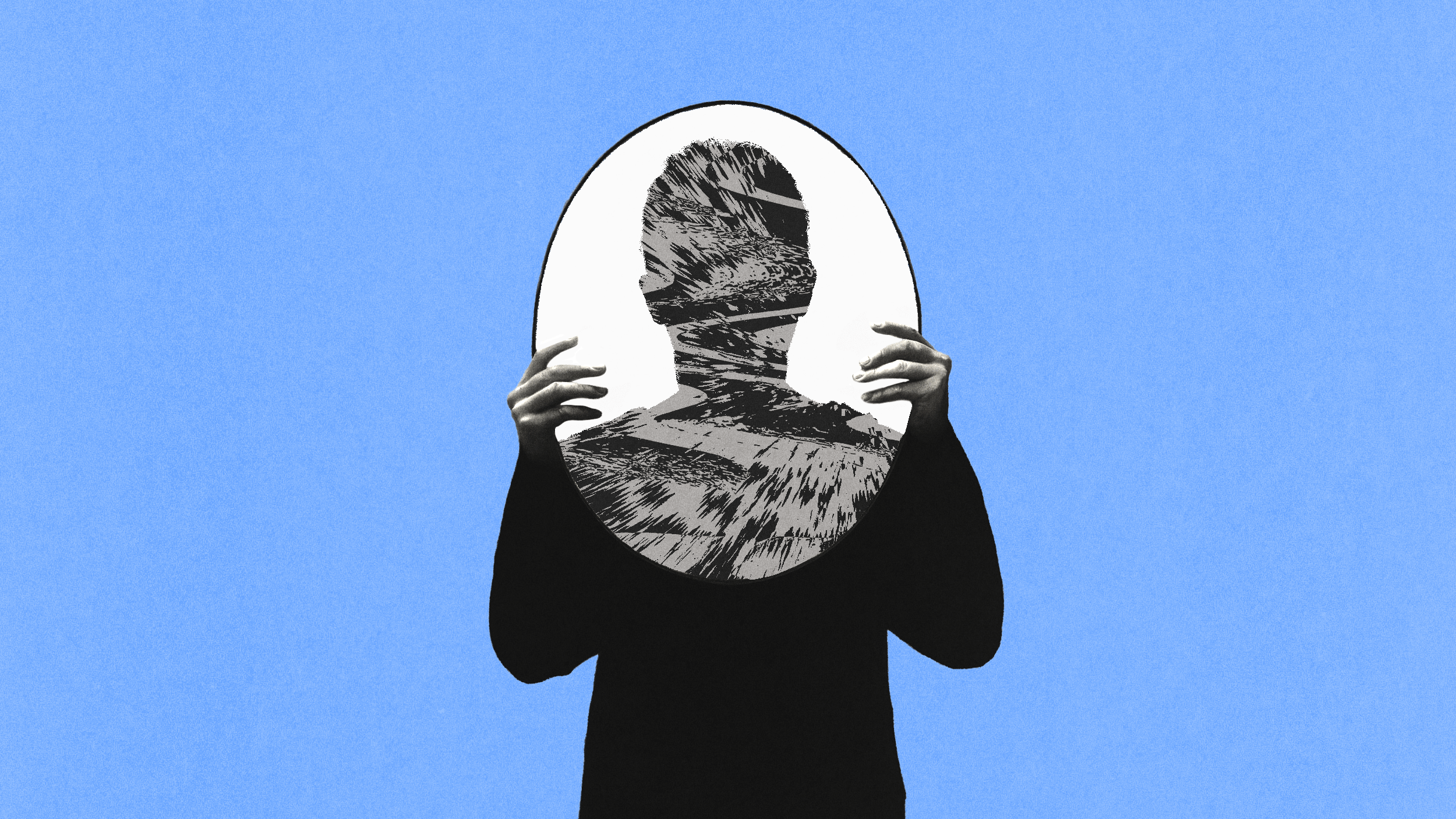
If AI is modeled only on human intelligence, will it inherit only human ways of seeing the world?

In 2025, Earth remains the only planet where life is known to exist. Without a second example, “The Stand” has a vital lesson to teach us.
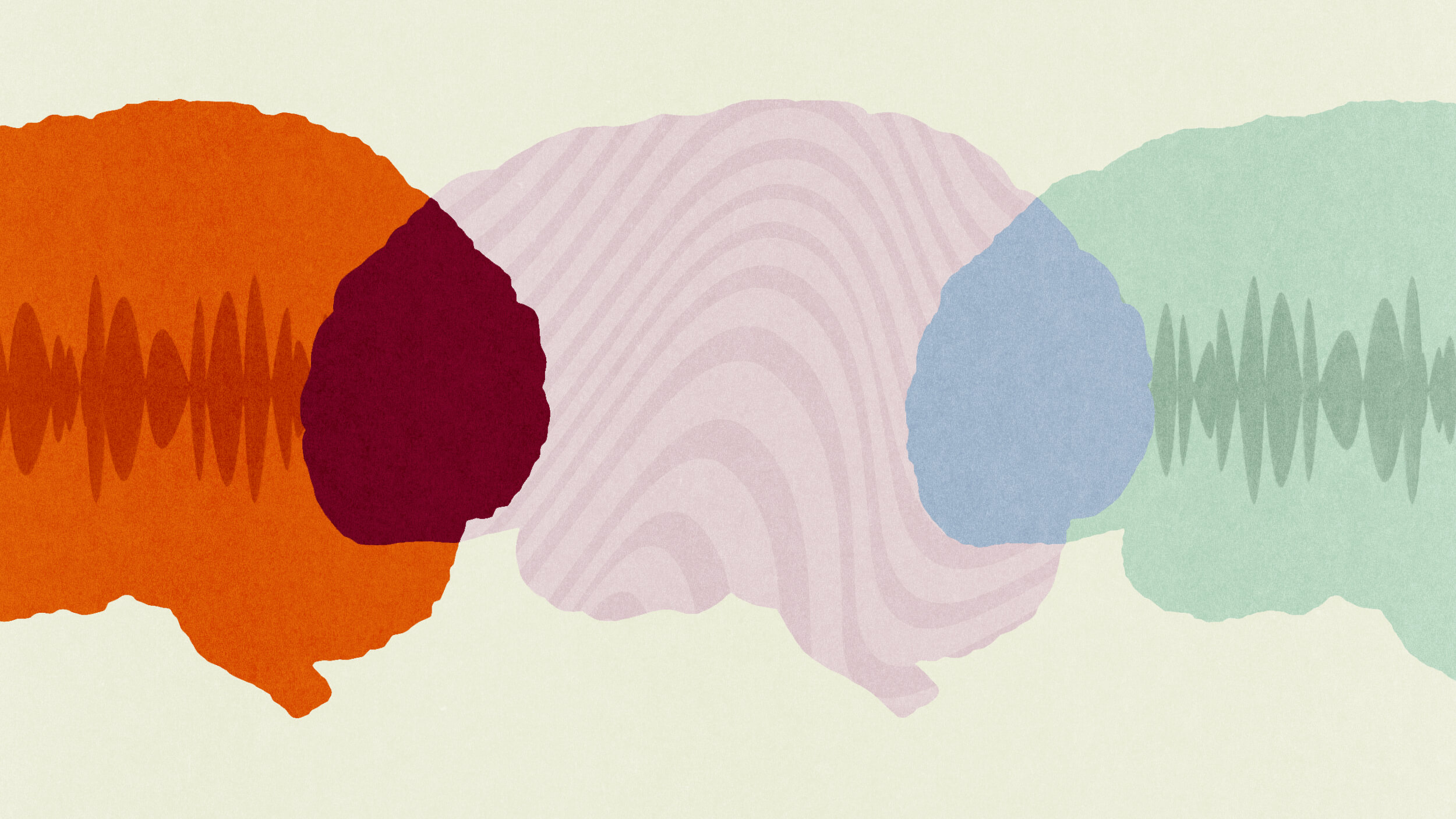
You may actually be on the same wavelength.
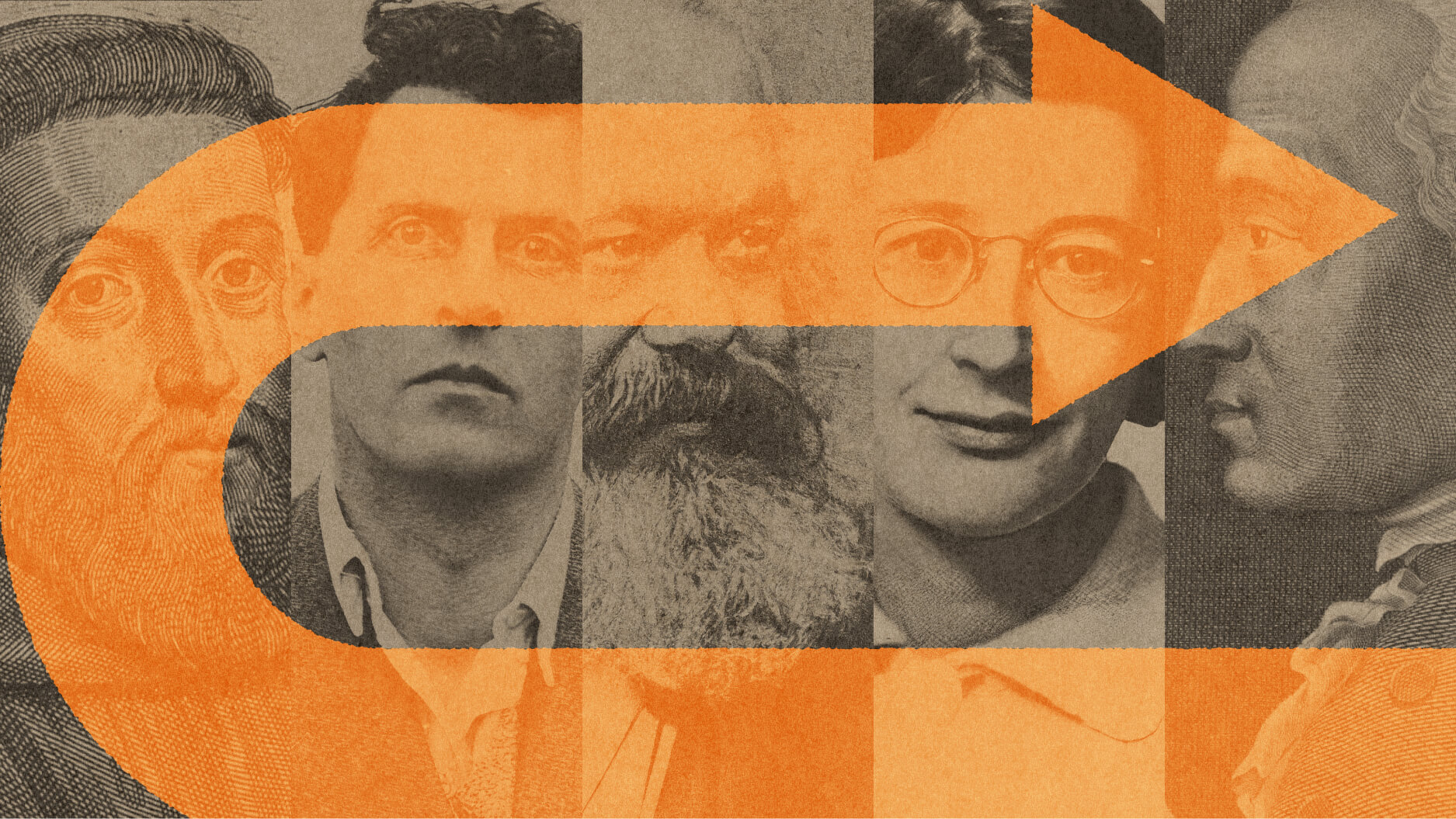
Philosophers rarely change their minds. These thinkers did — often at social and professional cost.
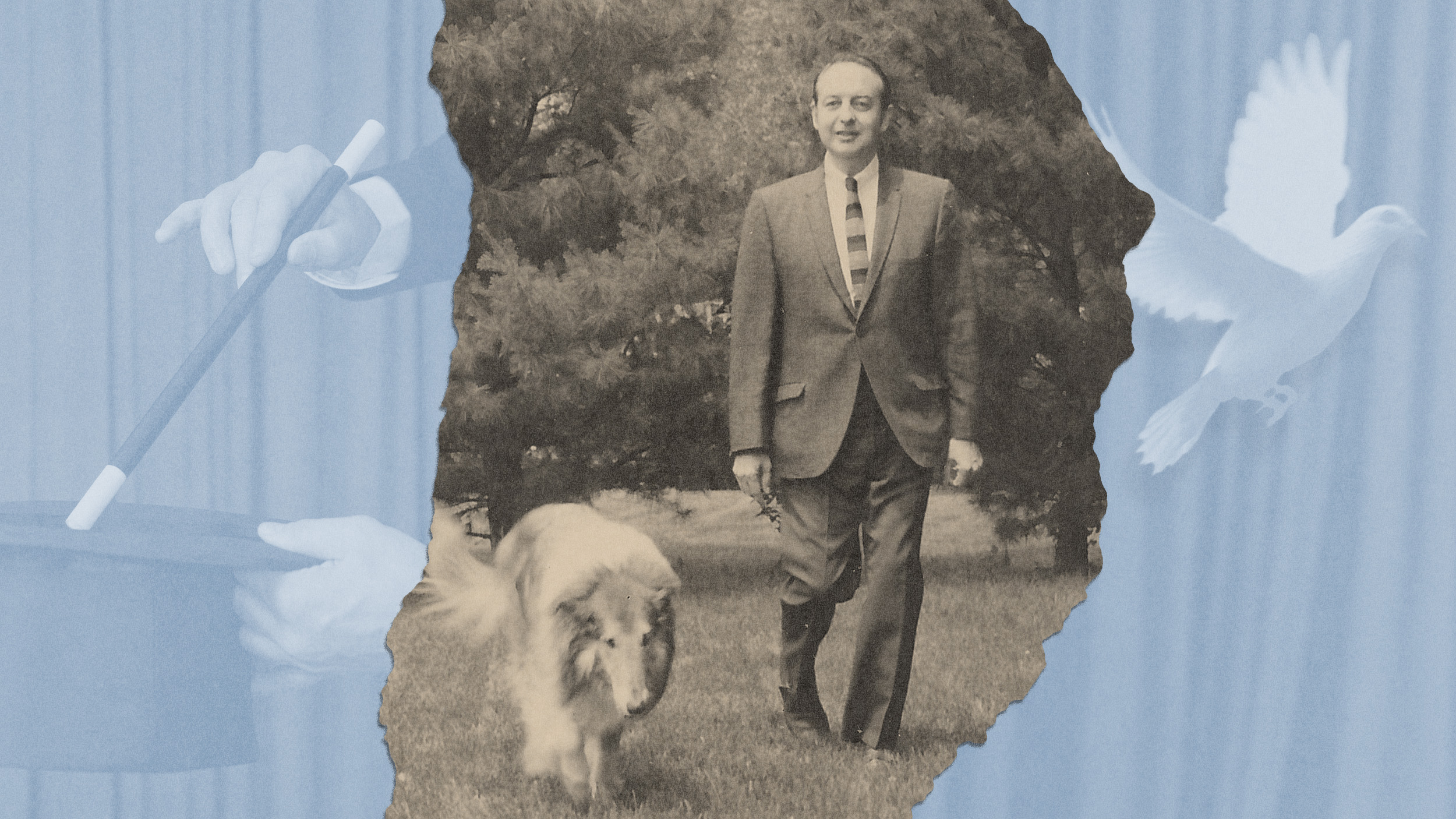
A childhood spent under the spell of sleight-of-hand taught me skepticism, curiosity, and the habit of looking beneath appearances.
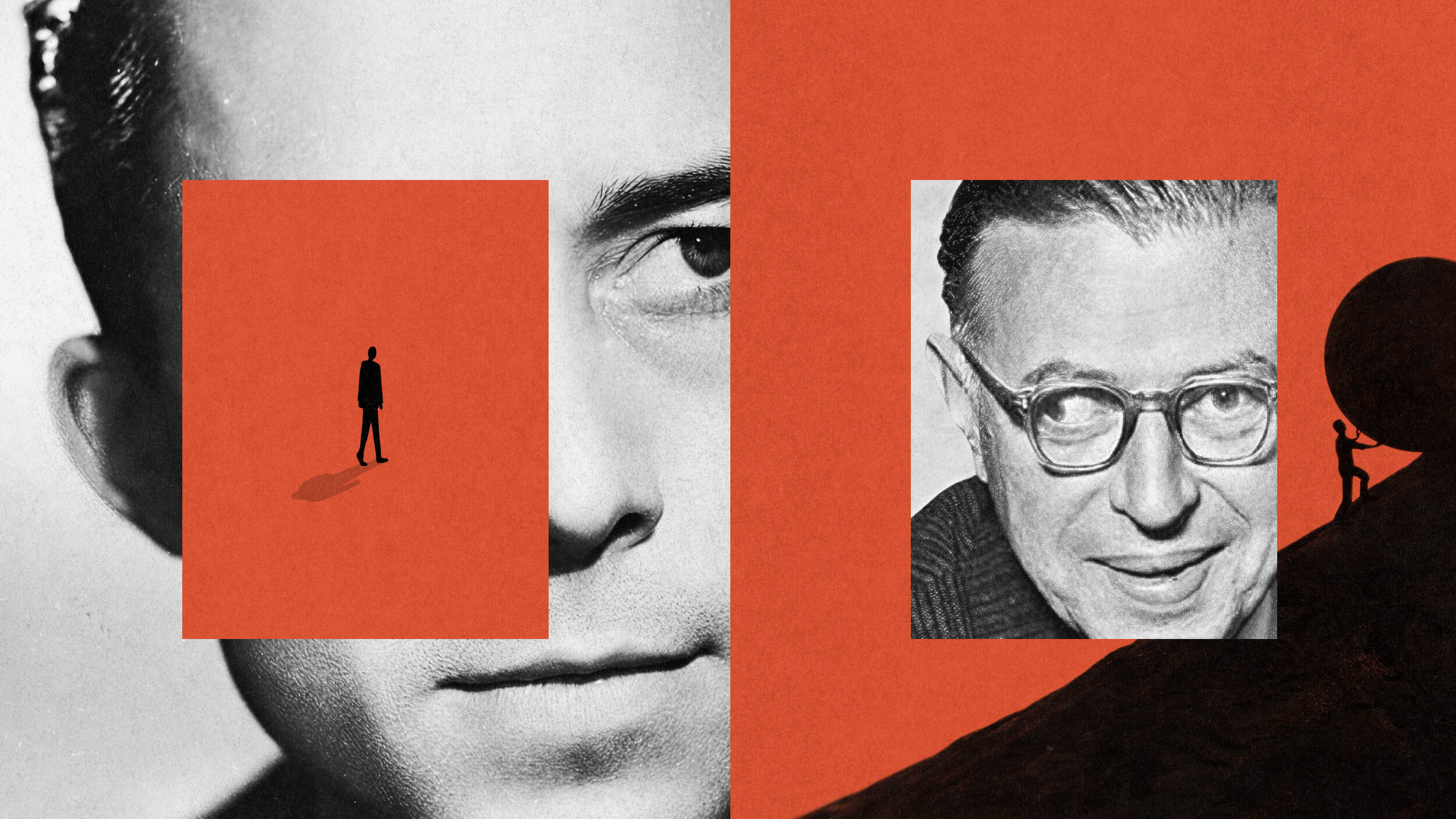
How to look cool in post-war France in black and white photos.
Neuroscientist Rachel Barr shares her favorite books on the brain and how they shaped her approach to the field.

We don’t learn from history because we can’t learn from history.
Welcome to The Nightcrawler — a weekly newsletter from Eric Markowitz covering tech, innovation, and long-term thinking.
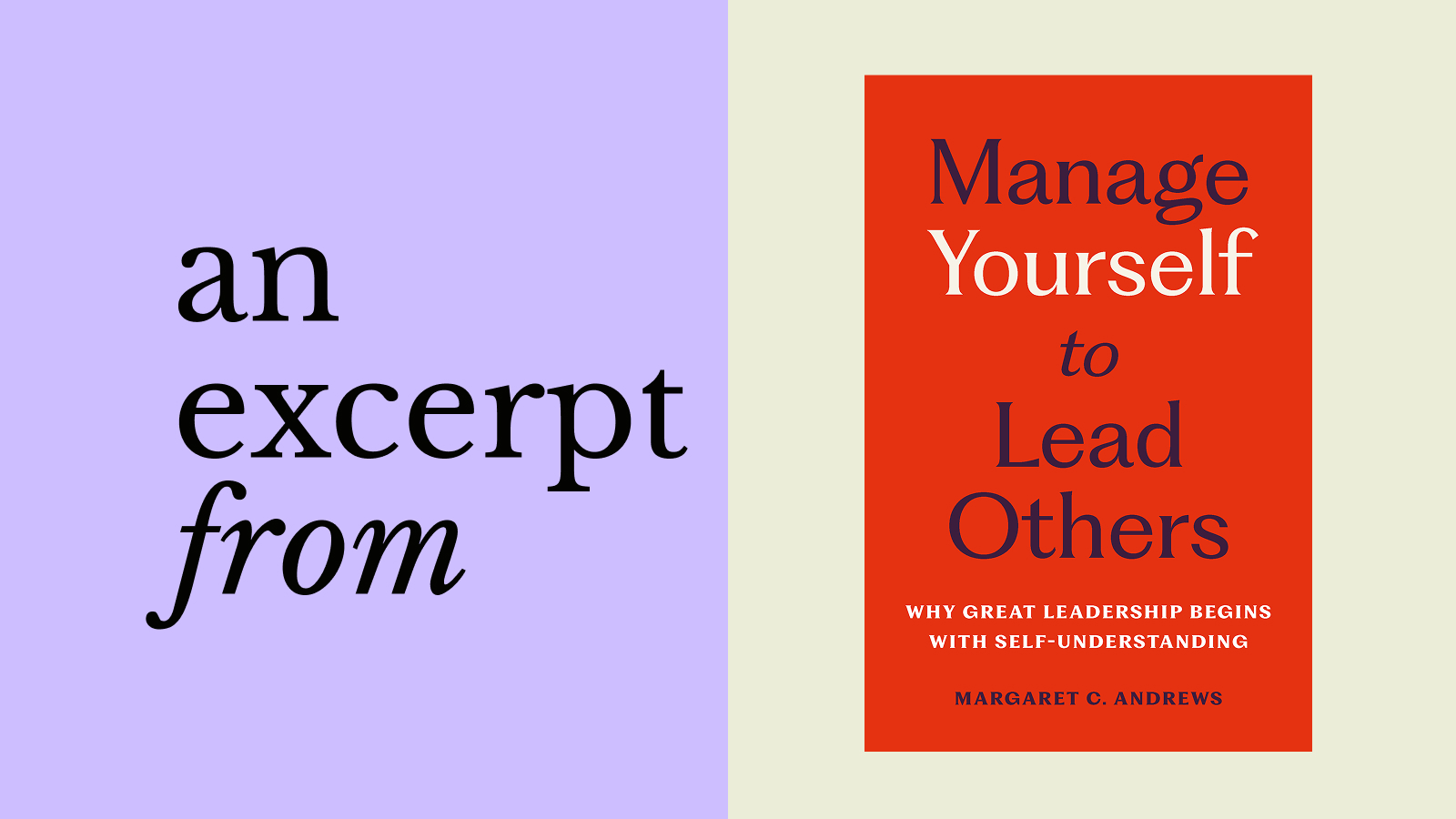
Aristotle taught that “knowing yourself is the beginning of all wisdom” — all leaders and teams should take note.
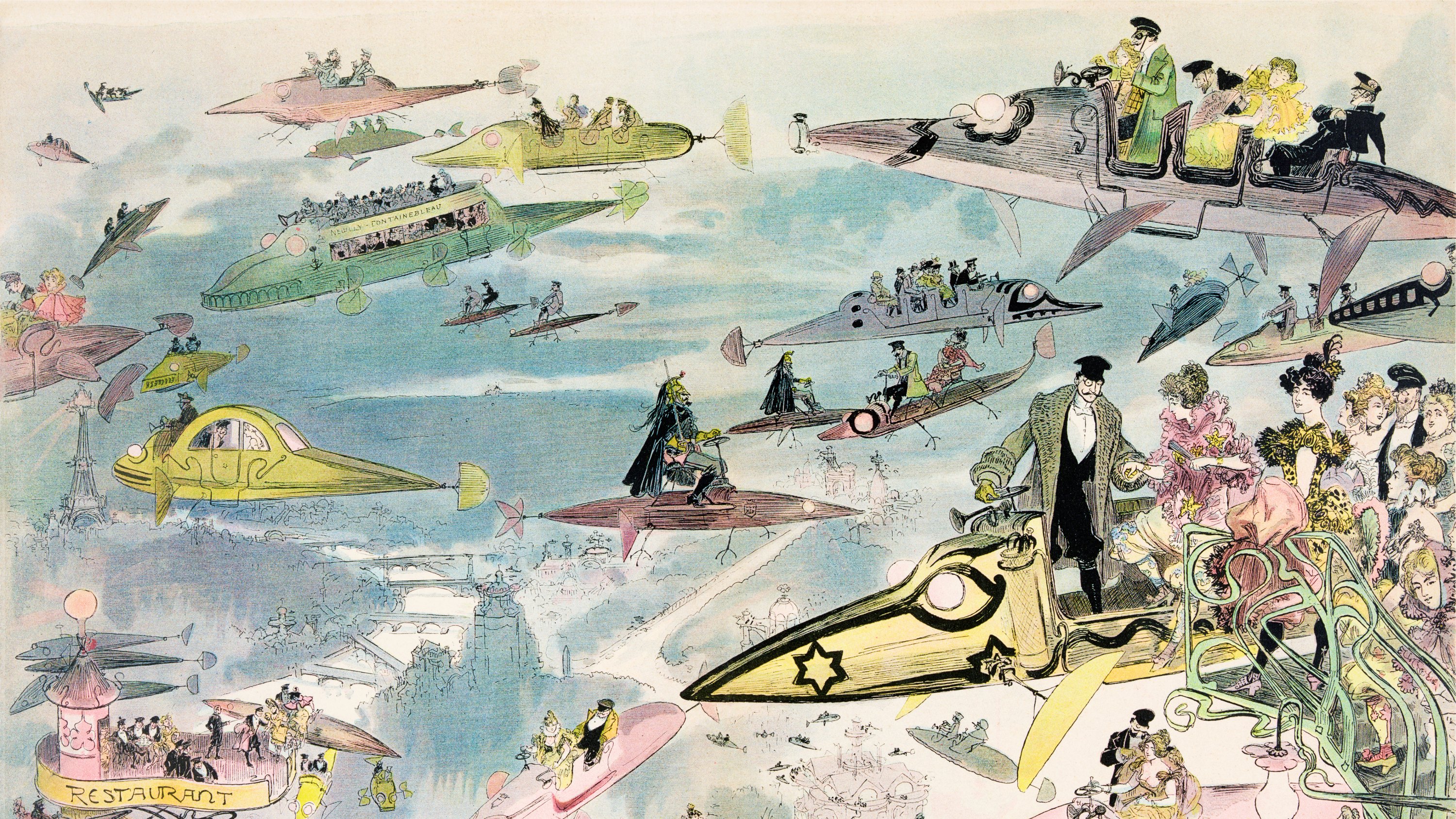
In revolutionary Russia, a group of forward-thinking philosophers offered an alternative to both futurism and communism.
In “On Liberalism,” Cass Sunstein argues that liberalism can only endure if we reclaim its core commitments and revive its spirit of freedom and hope for the future.
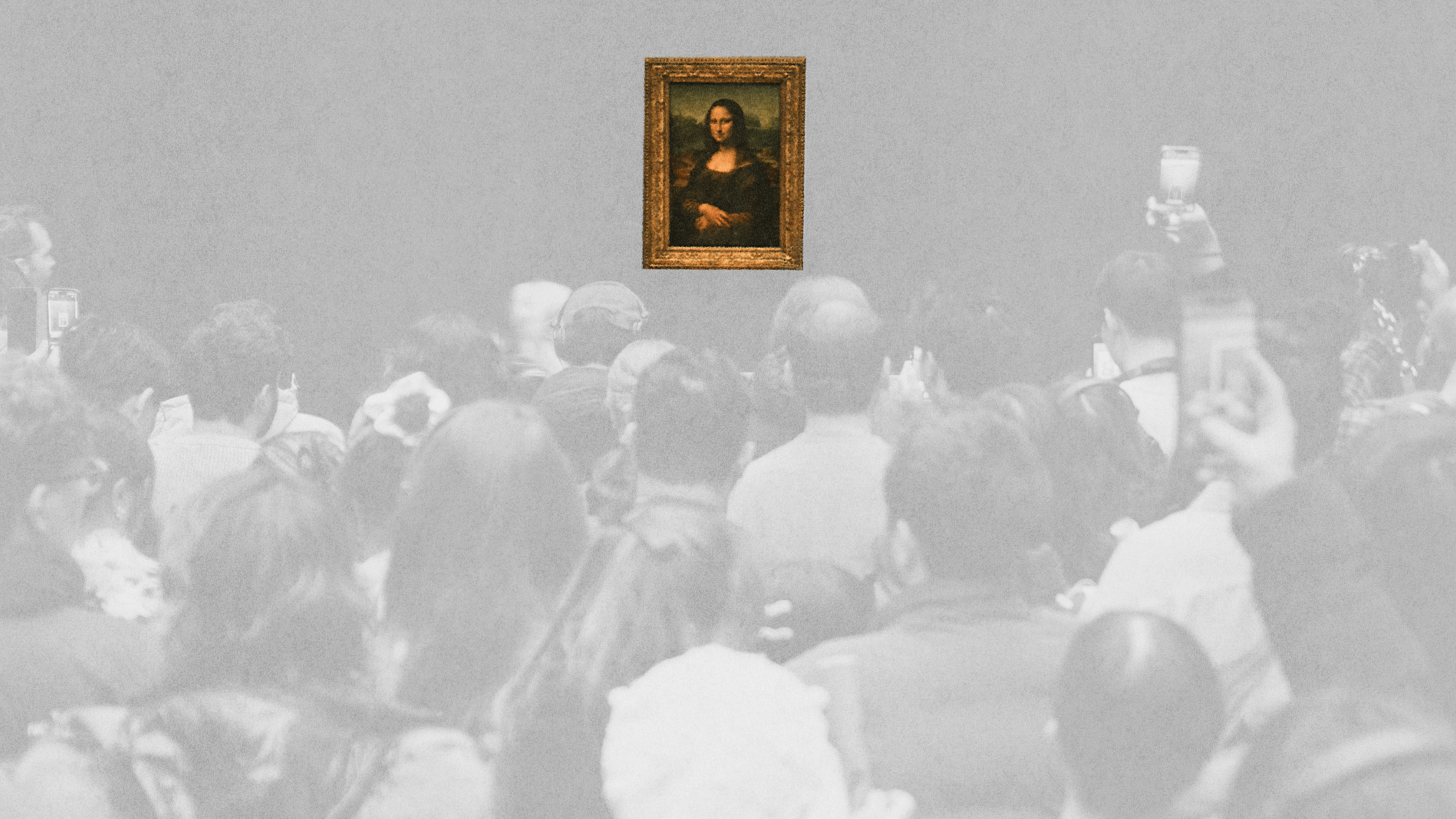
Here are three ways to do it better.

Welcome to The Nightcrawler — a weekly newsletter from Eric Markowitz covering tech, innovation, and long-term thinking.

It’s OK to hate a frigid pond.
You are held, shaped, and sustained by a thousand invisible hands.
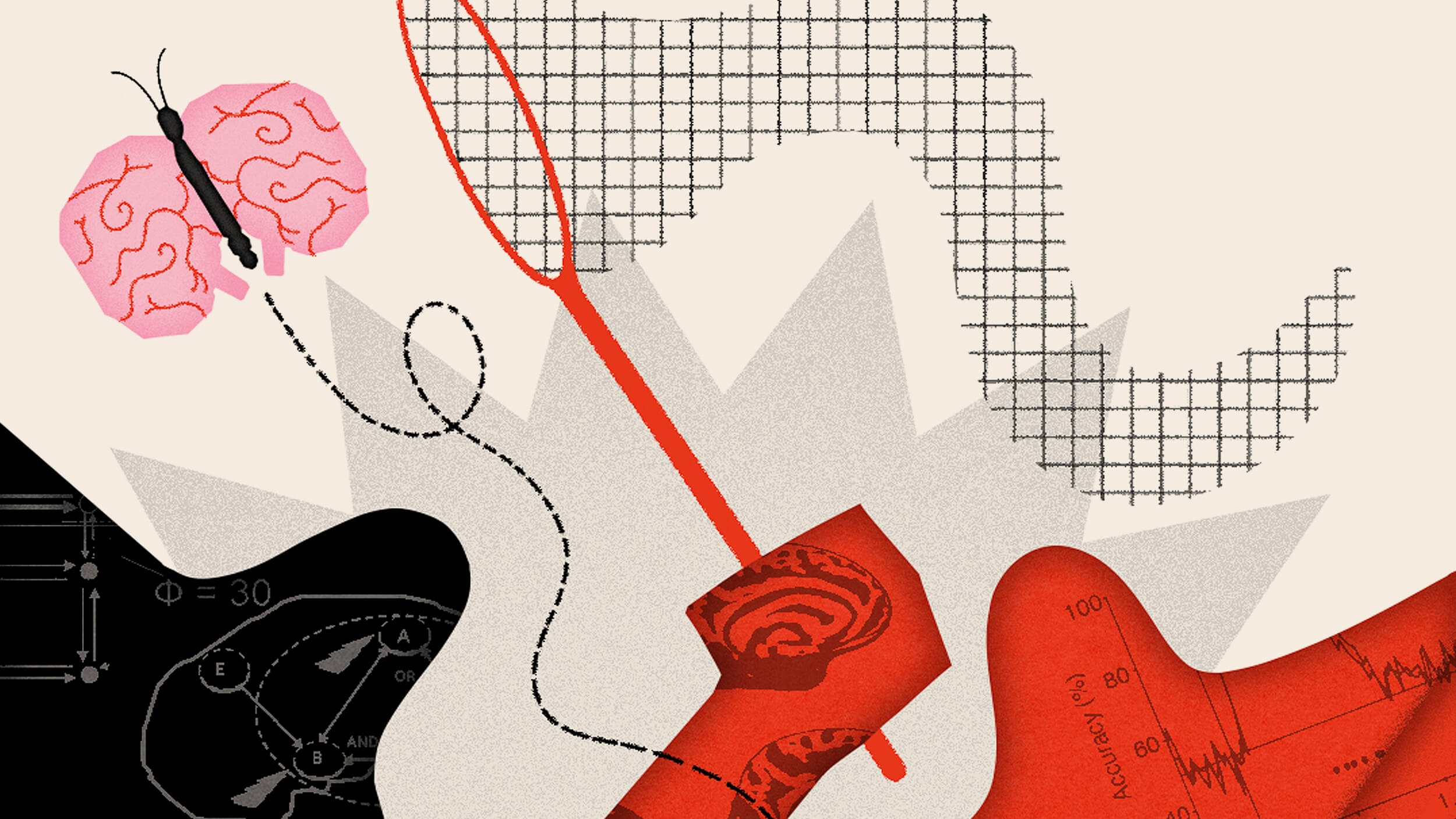
A conversation with neuroscientist Erik Hoel about the future of consciousness research.
A conversation with Annaka Harris on shared perception, experimental science, and why our intuition about consciousness is wrong.
The overlooked reason why “AI consciousness” isn’t coming anytime soon.

After the trauma of a high-risk medical procedure, Eric Markowitz discovered a kind of consciousness that lives not in thought — but in presence.