philosophy
Debate is a verbal sport with winners and losers. As such, it is less about the truth and more about who looks and sounds the best.
A philosophical debate spanning creation, free will, and a sneaky teapot.
The crisis of the Anthropocene challenges our traditional narratives and myths about humanity’s place in the world. Citizen science can help.
Is mathematics woven into the very fabric of reality? Or is it merely a product of the human mind?

A proponent of panpsychism argues moral truth is inherent in consciousness.
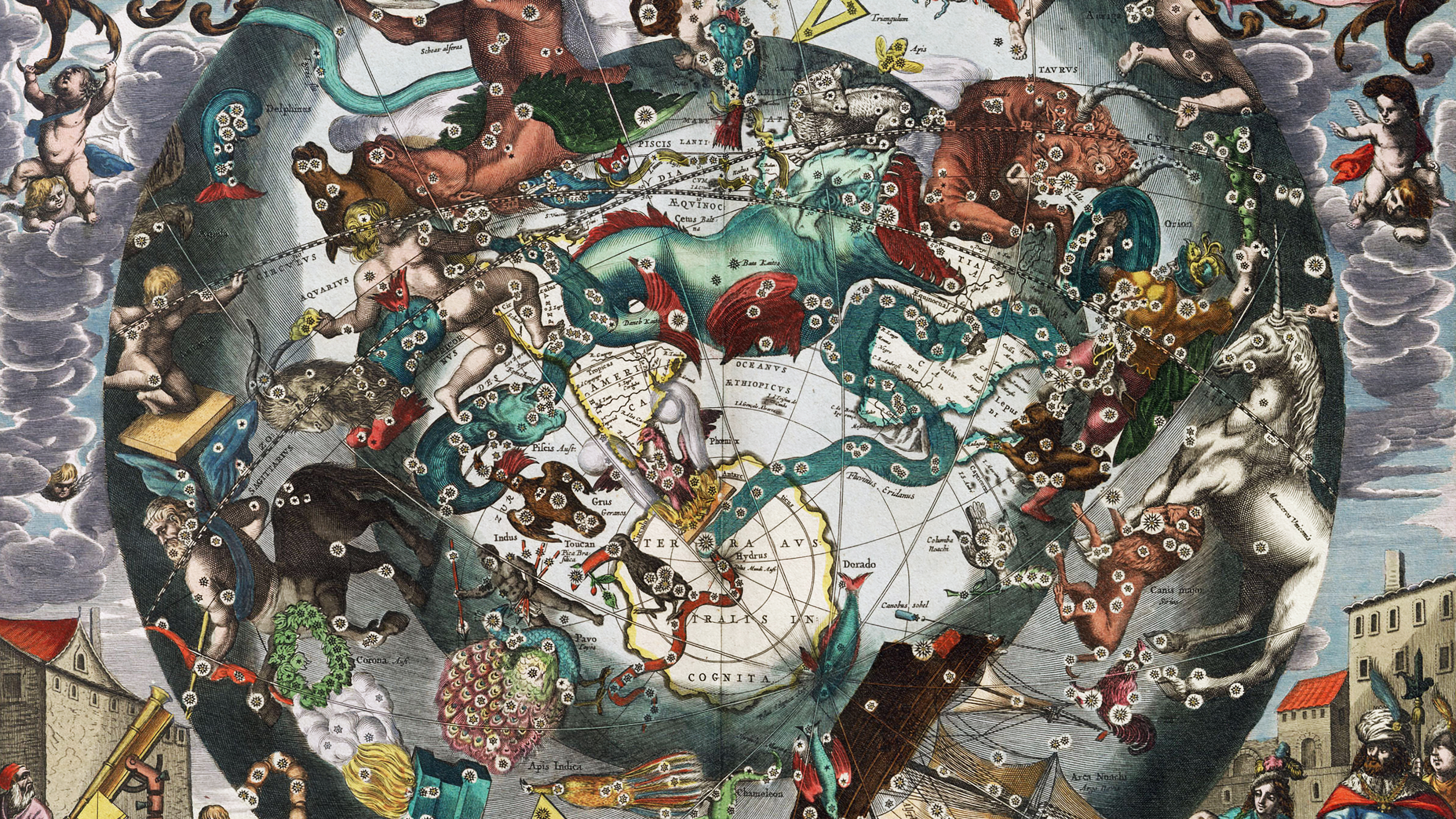
We should acknowledge that there are faith-based myths running deep in science’s canon.
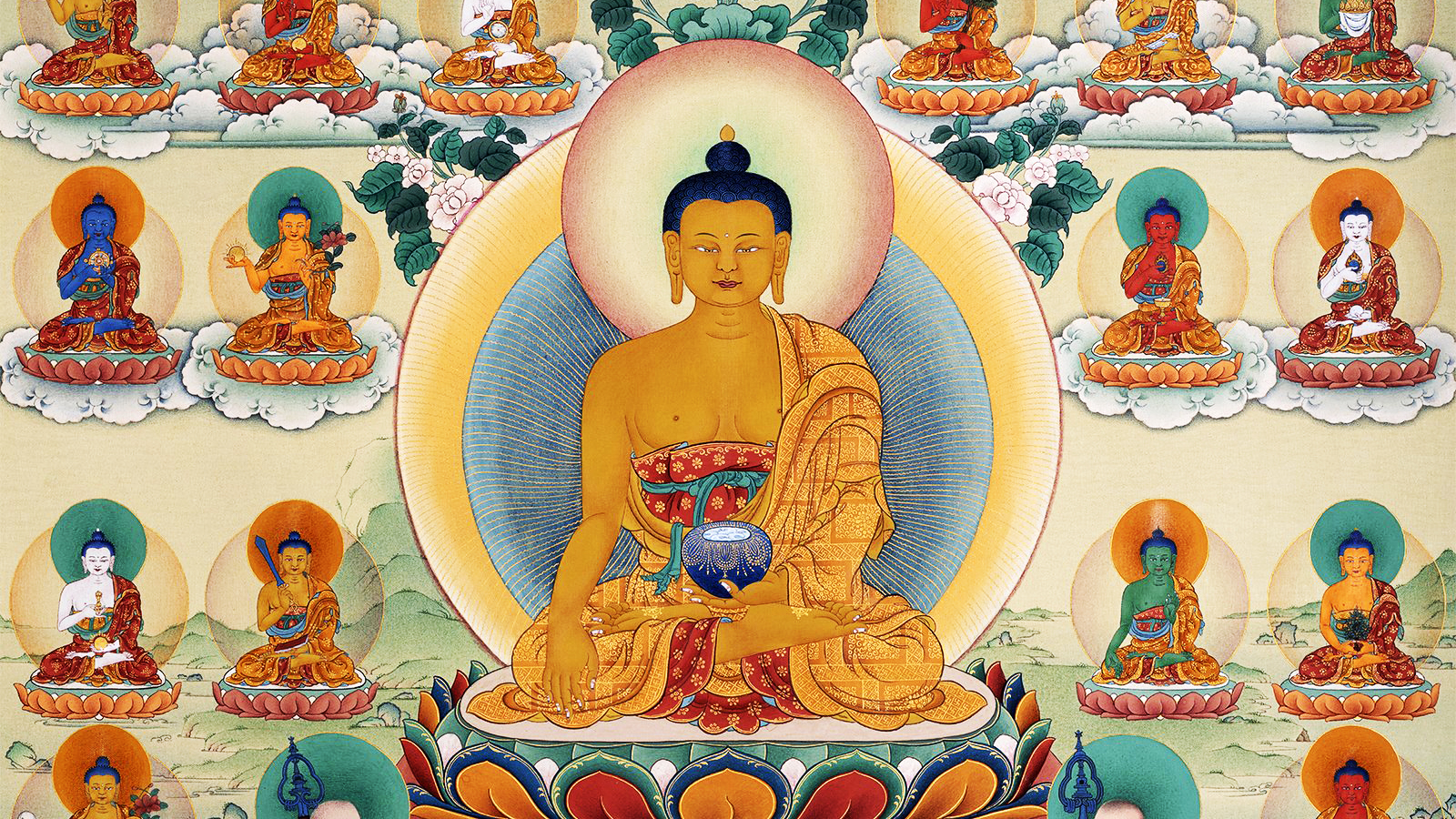
These core teachings make an ideal starting point for exploring Buddhist philosophy.
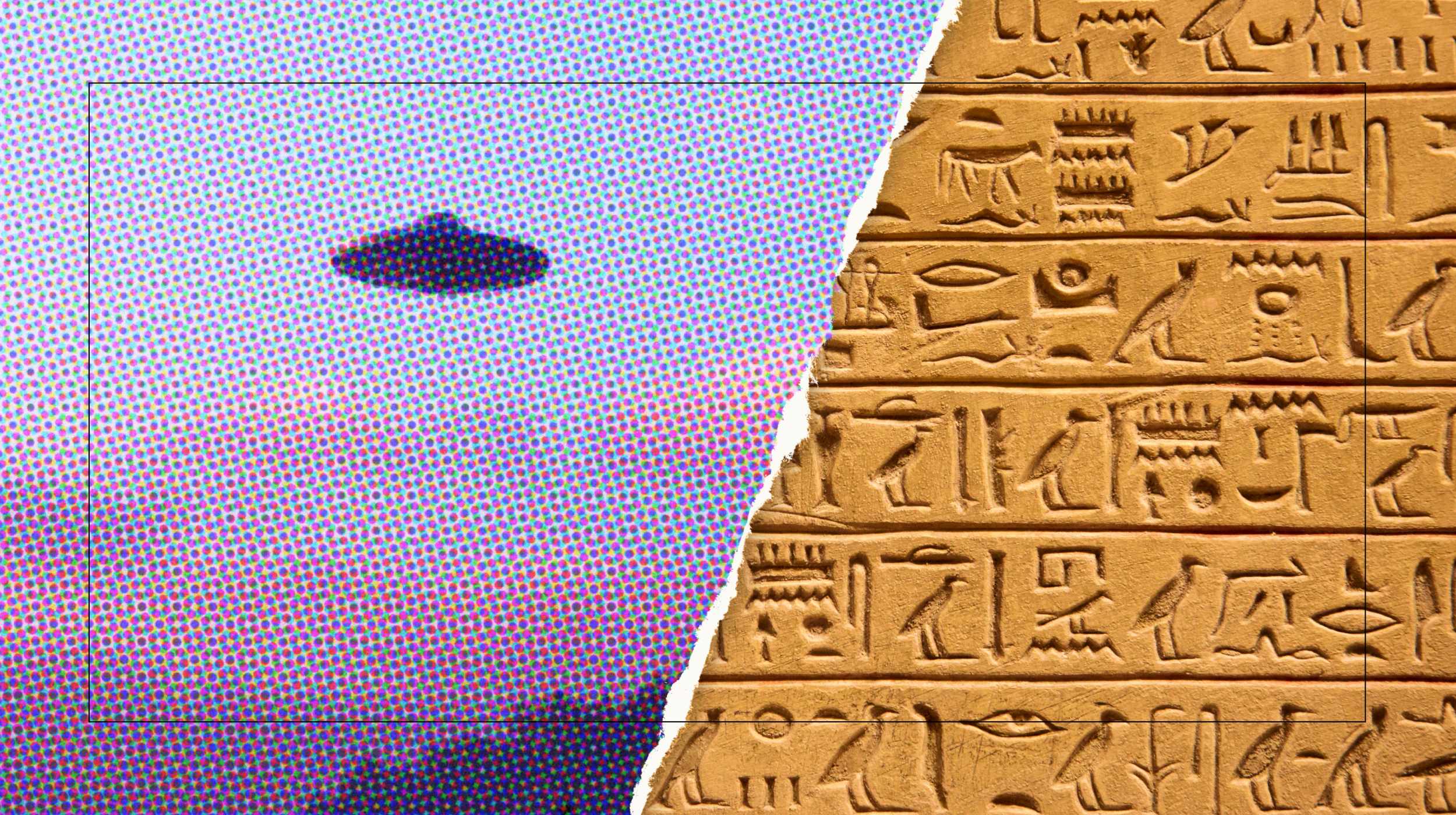
Gods and angels have been replaced with hi-tech extraterrestrials.
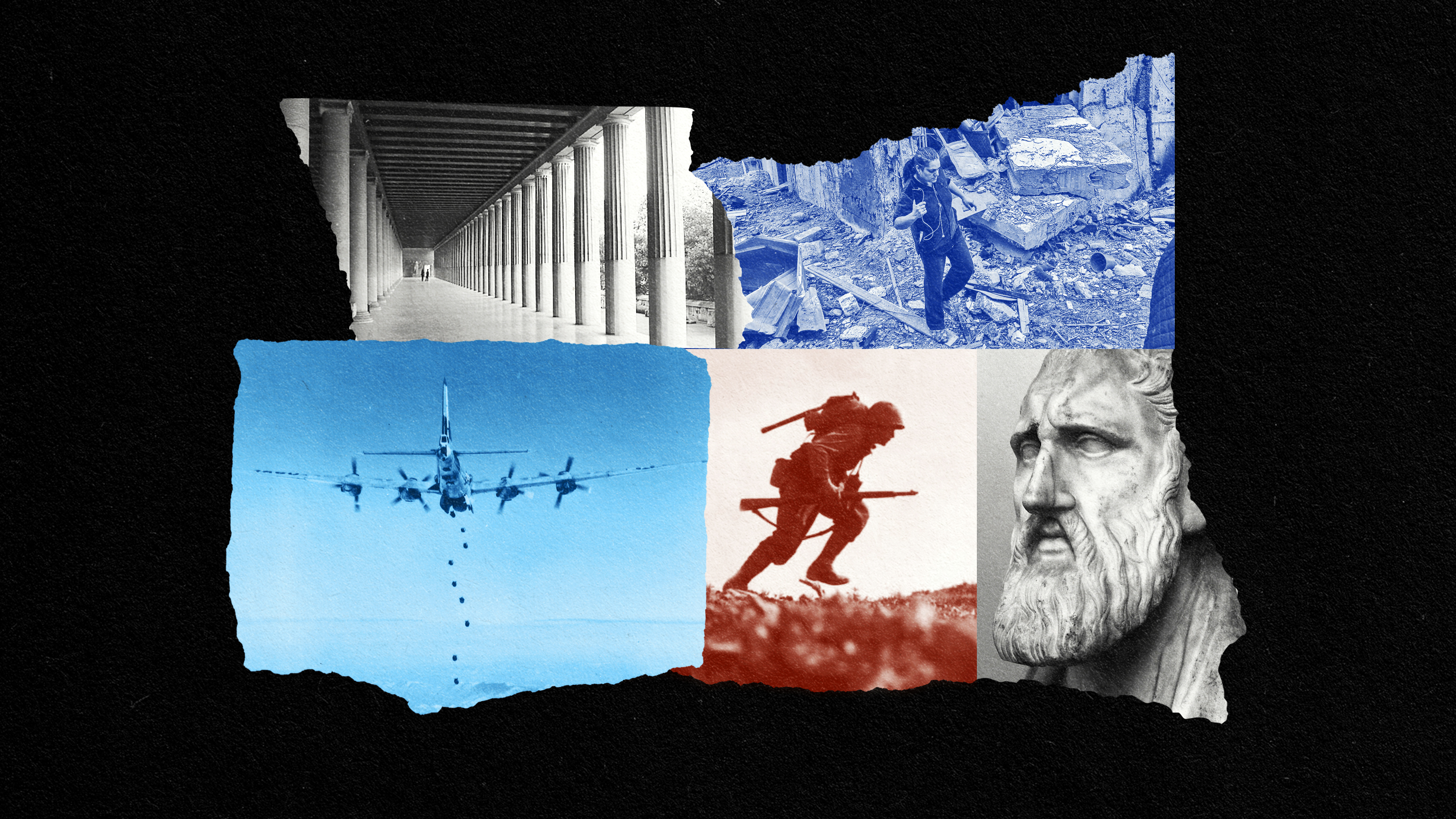
The Serenity Prayer is nice — until the missiles come raining down on your city.
The idea that consciousness emerges naturally alongside intelligence could be an anthropocentric distortion.
Who — or what — really controls your mind?
Unlock the paradoxes of life through poetic realism.
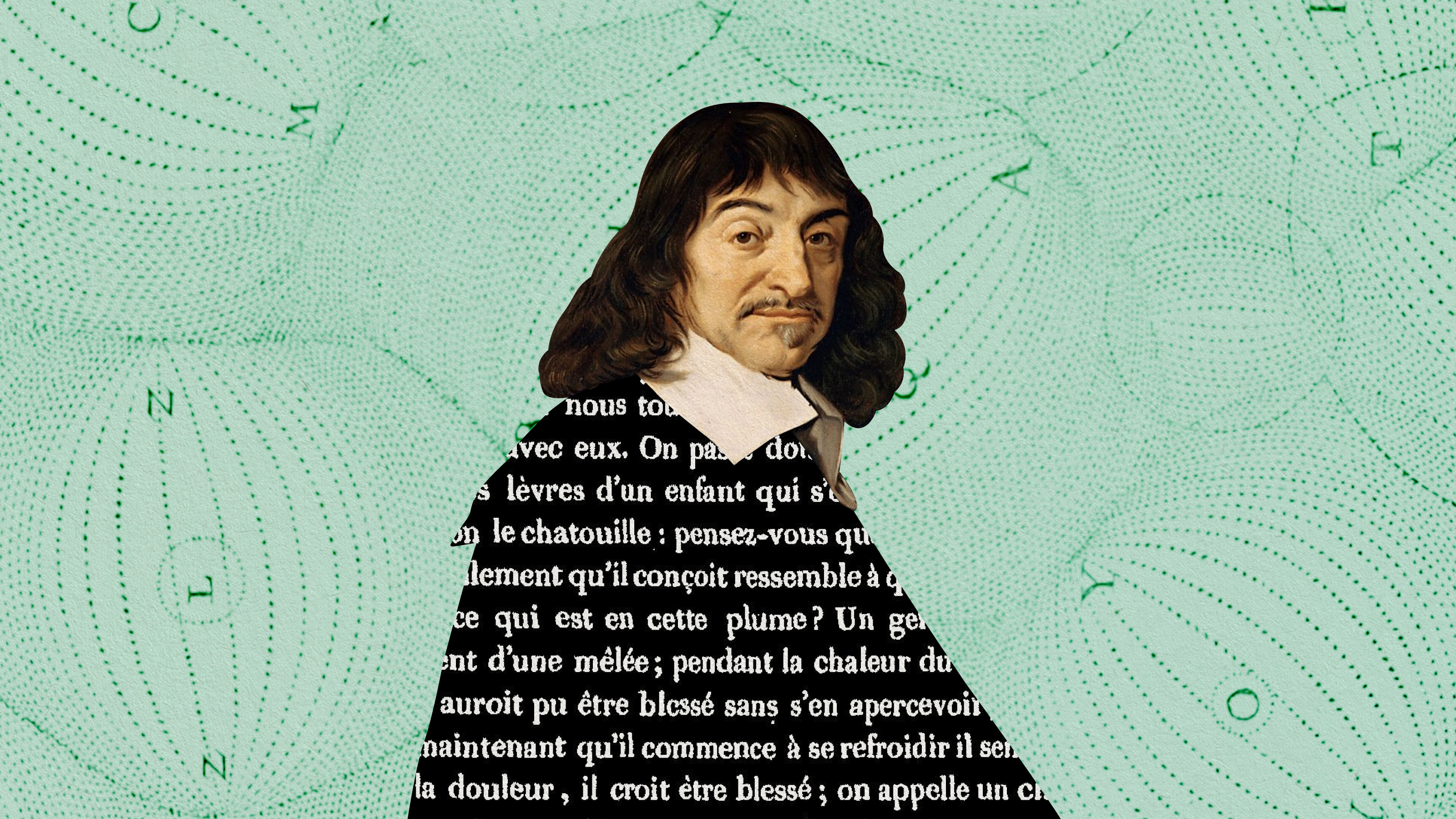
Descartes broke from the European philosophers who preceded him and devised a new way of considering humanity and the world.
“Why are you unhappy? Because 99.9 percent of everything you think, and of everything you do, is for yourself — and there isn’t one.”
It’s a useful fiction — but it’s still fiction.

Dive into a realm where time, space, and even reality itself are put into question.
The existential philosopher argued that an authentic and meaningful life is measured by choice.
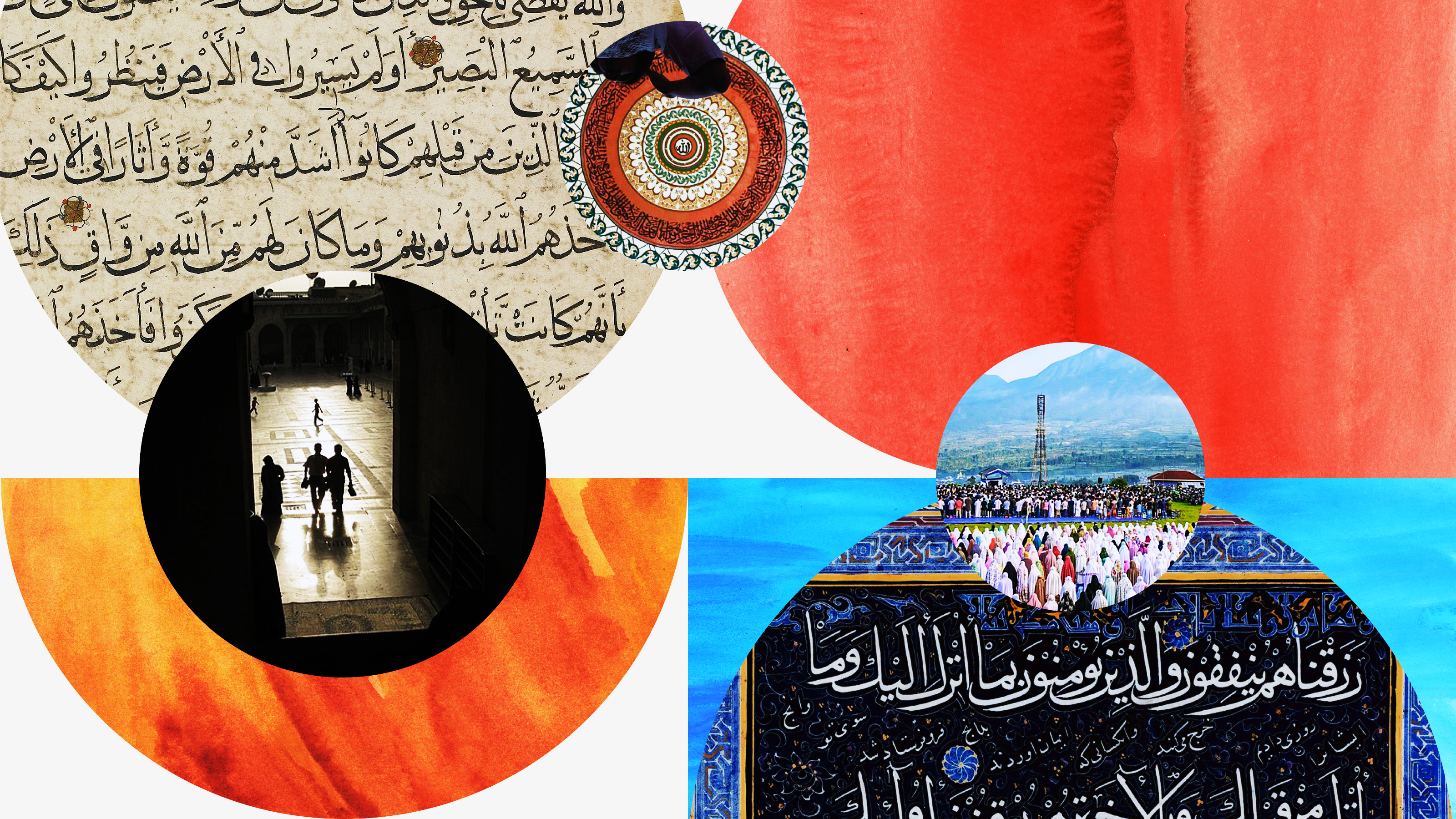
Once a cosmopolitan faith, Islam valued intellectualism and modernity. It was derailed by various geopolitical and religious forces.
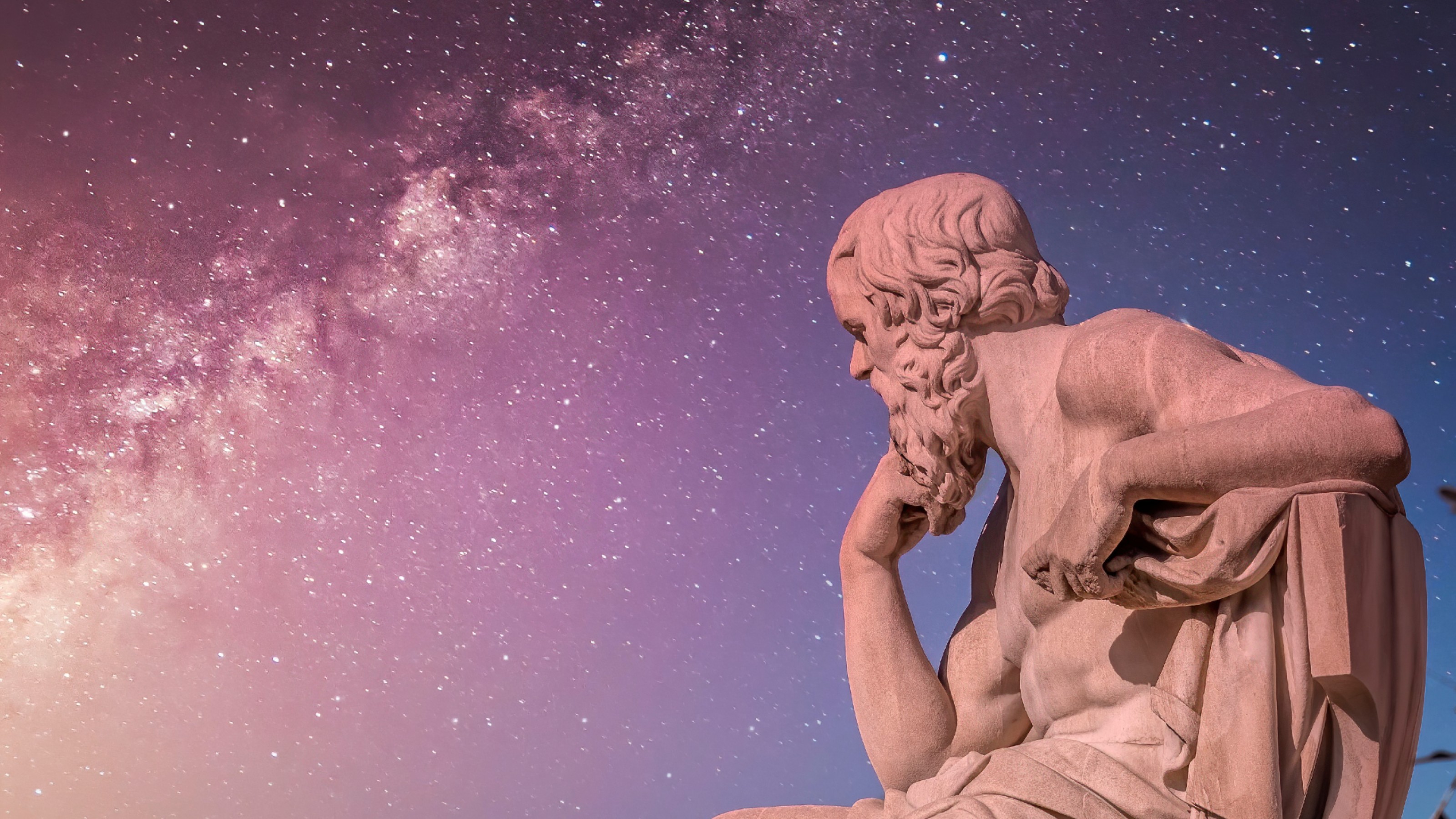
Philosophers Massimo Pigliucci and Greg Lopez discuss how Stoicism can help us gain perspective on our emotions and act with intention in the world.
Spiritual experiences can be explained in terms of a highly evolved brain. But they also can be extremely meaningful.
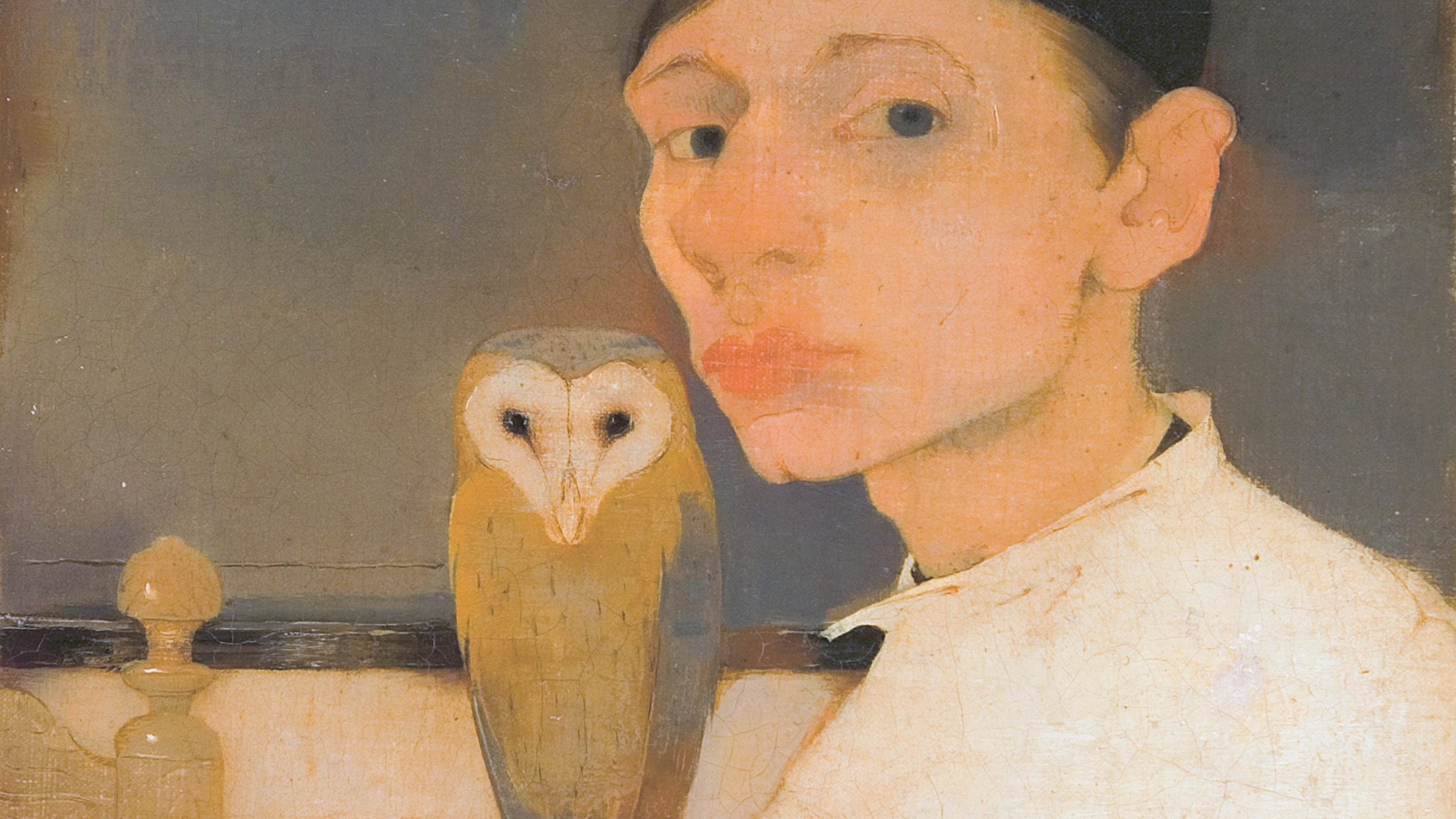
For the clarity of a “beginner’s mind” and a path to true and lasting wisdom, one must fully embrace “not-knowing.”

Is there an ultimate answer to the age-old question?

If we manage to avoid a large catastrophe, we are living at the early beginnings of human history.
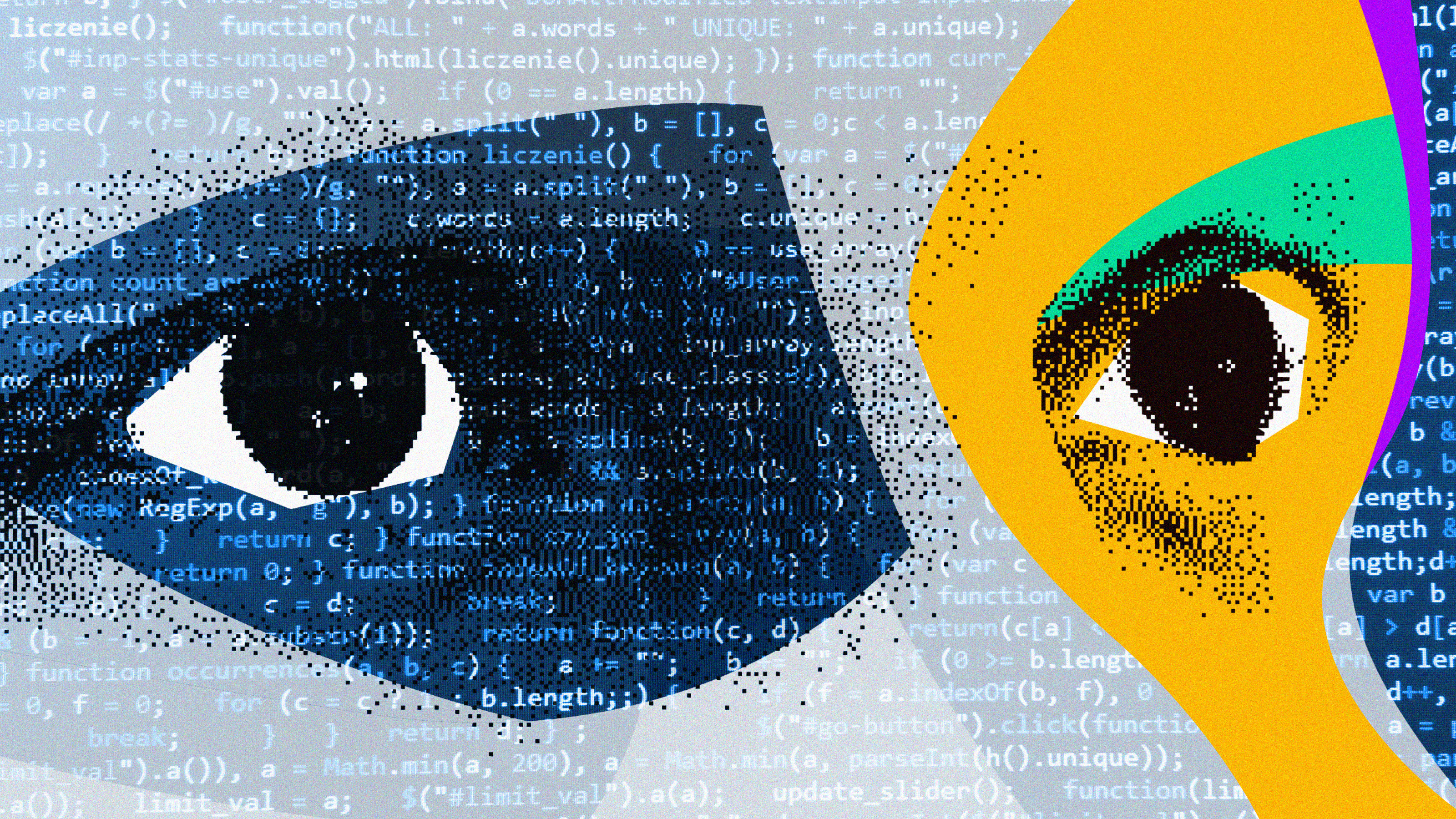
Fear of technology is not new. But we misunderstand its origin. In reality, we don’t fear technology but each other.
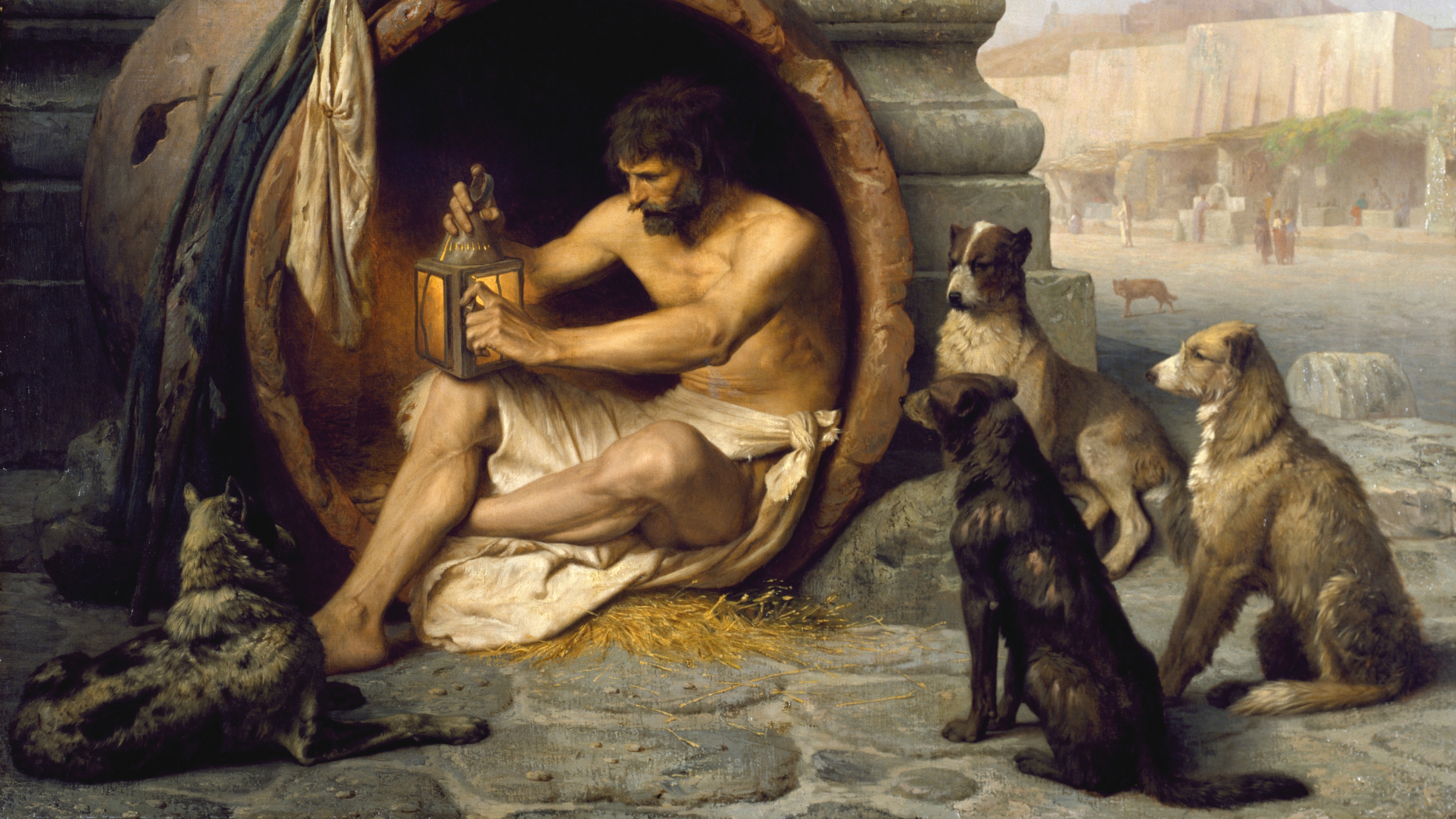
Diogenes engaged in shocking behavior to demonstrate the contradictions, small-mindedness, and sheer absurdity of prevailing social conventions.
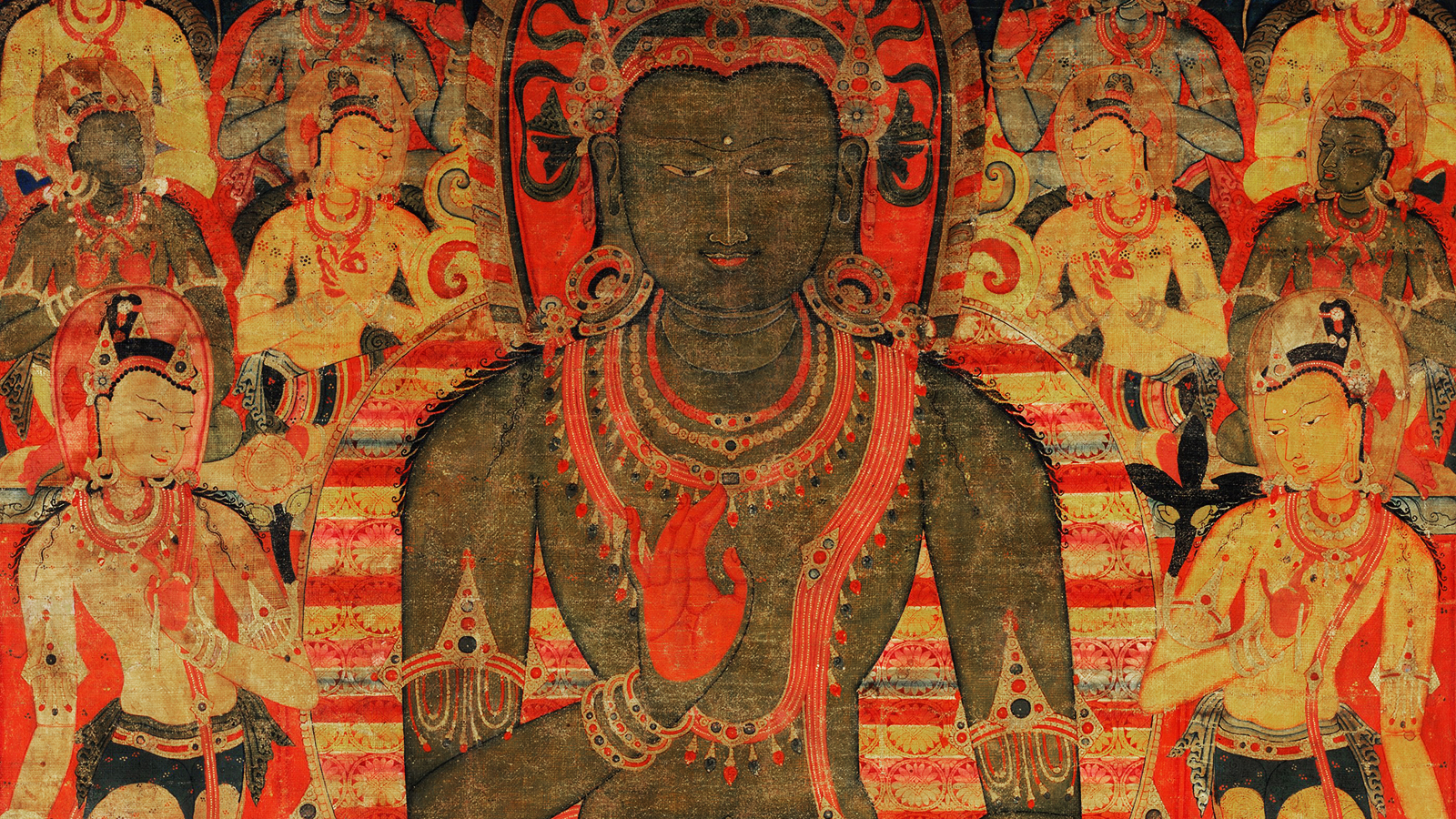
Plato, Sun Tzu, and Buddha all lived in a “golden age” of philosophy that laid the foundation of modern thought.

A part of human nature needs to be challenged and feel strong. Today, we fulfill that need with “surrogate activities.”

A philosophy of birth can offset the prevailing narrative around extinction and mortality.
“Groupthink” gets a bad rap. In reality, we need groups to focus our thinking and to build on the ideas of others.