philosophy

The book Buddha Takes the Mound delivers an engaging and sophisticated account of Buddhism’s worldview through the prism of baseball.

It’s better to pursue moral actions instead of the ephemeral state of happiness, according to the philosopher Immanuel Kant.
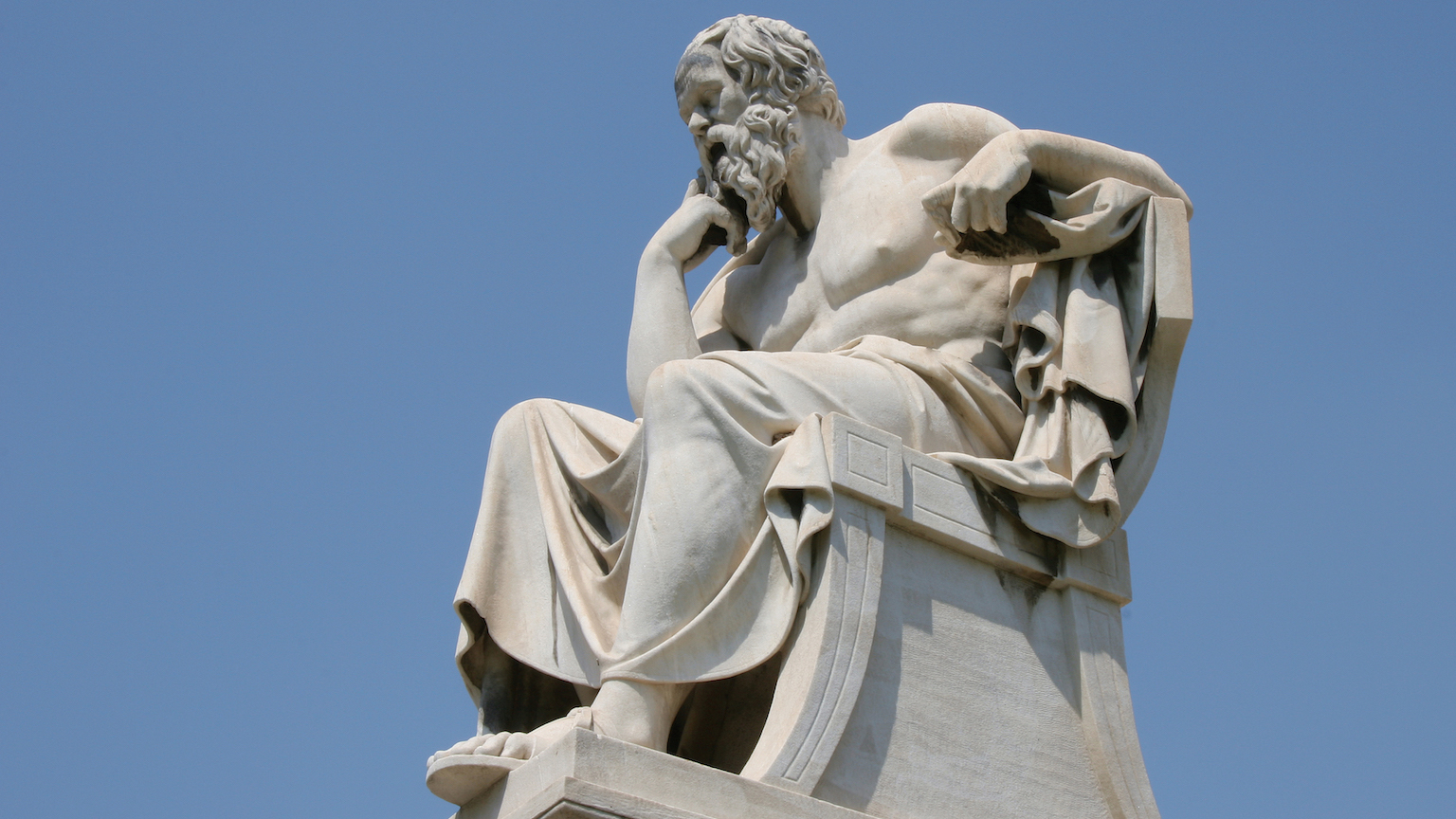
We all employ heuristics to help us deal with the world. But when we make a hasty generalization, we risk making a big error in our thinking.
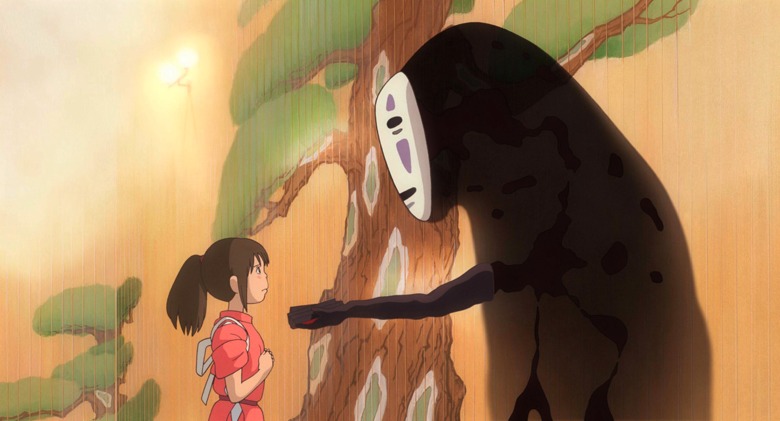
Studio Ghibli movies celebrate the natural world using a very Japanese mixture of Shinto, Buddhist, and Daoist themes.

Stoicism says that we should change what we can, endure what we must. The company we keep is something we can, and often should, change.

The infamous misogynist had some profound insights on romance.

Our temporal experience of the world is not divided into a series of neat segments, yet that’s how we talk about time.
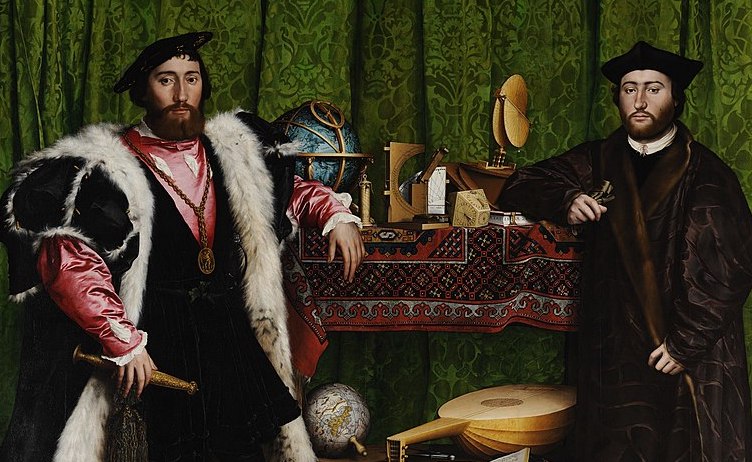
The German artist painted death as it appeared in life – omnipresent and hidden in plain sight.
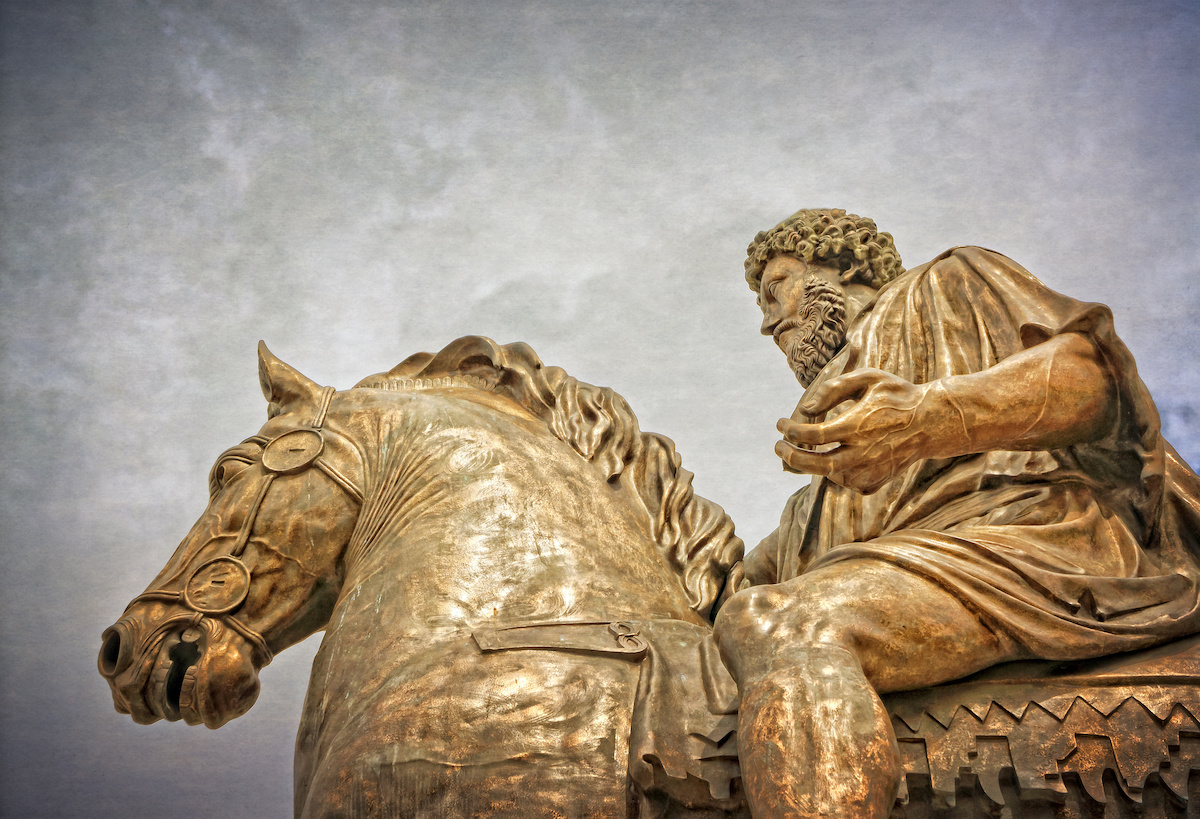
In his new book “Courage is Calling: Fortune Favors the Brave,” Ryan Holiday explores the virtue of courage and how to overcome fear.
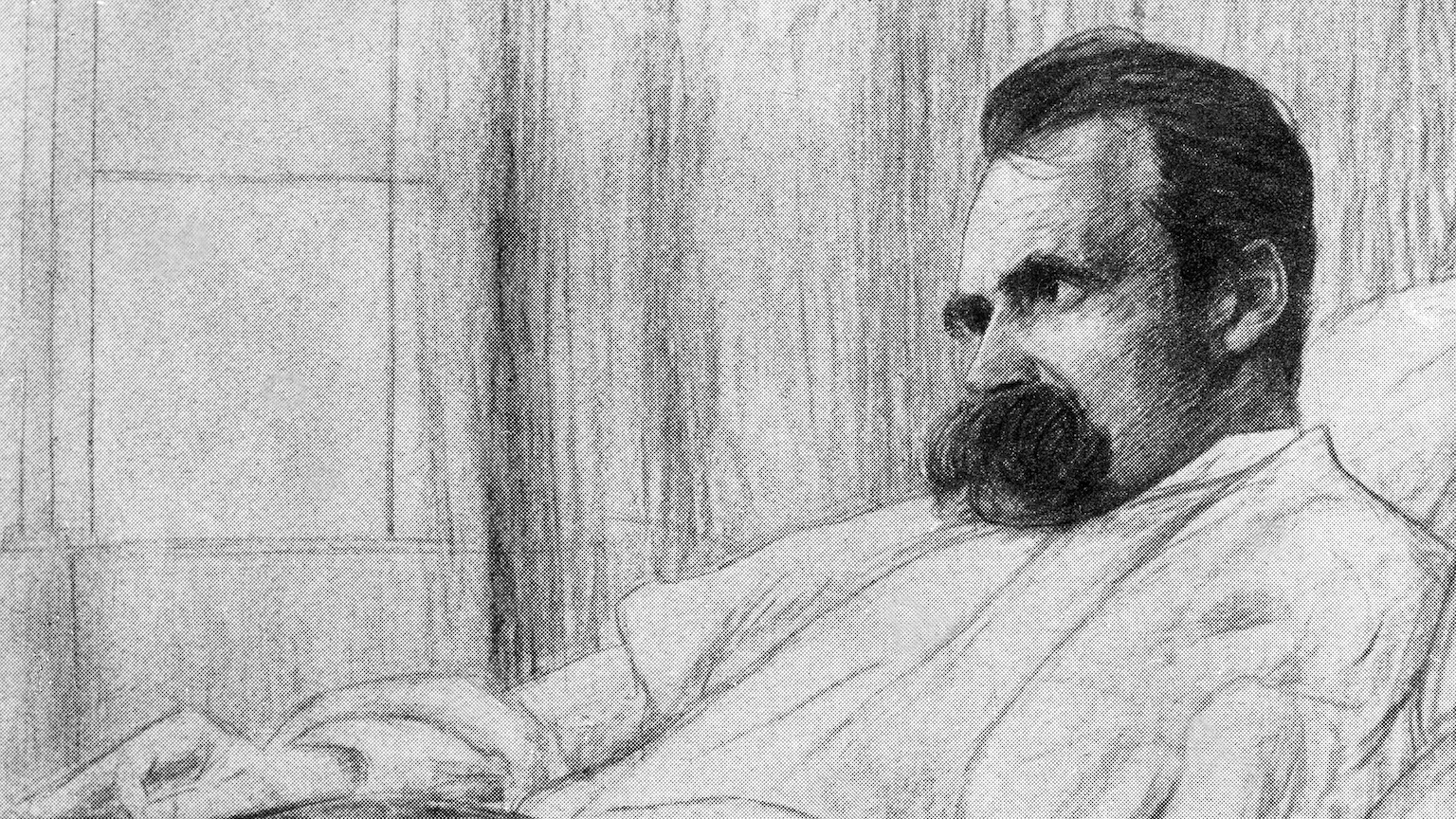
The question of anti-Semitism, Nazism, and a particularly nasty sibling haunted Nietzsche’s legacy.

Objective reality exists, but what can you know about it that isn’t subjective. According to some neuroscientists, not much.

Reductionism is a successful way to explain the universe, but it cannot replace experience. This is part of the mystery of life.
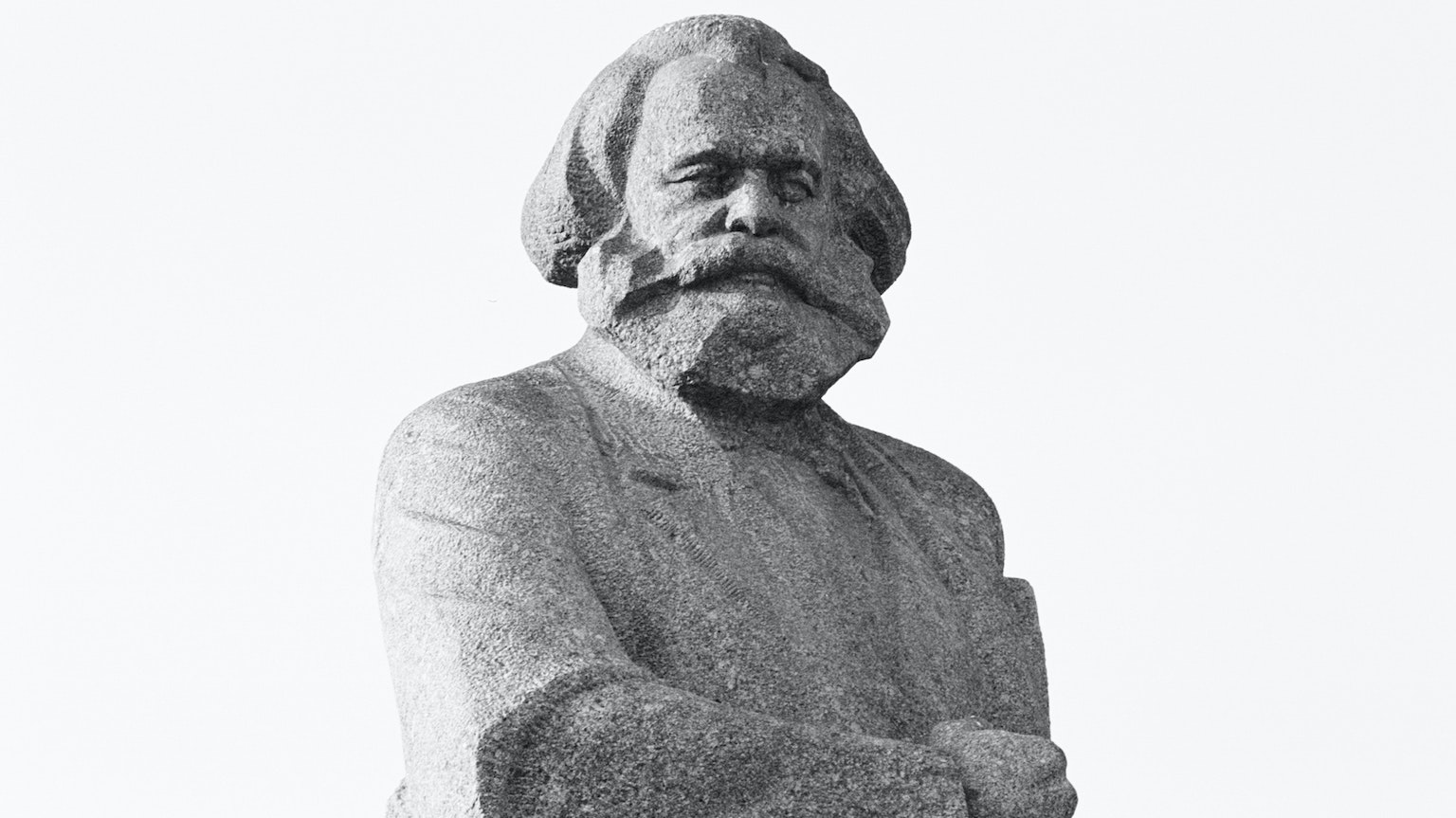
Love him or hate, Karl Marx redefined geopolitics and shook up the world order.

Socrates is considered the “Father of Western Philosophy,” but perhaps that honorific should go to Plato.
Reality is more distorted than we think.
▸
with
Do right and wrong depend on culture, or does morality transcend place and time?
This short story is a fictional account of two very real people — Anaximander and Anaximenes, two ancient Greeks who tried to make sense of the universe.

Augustine’s theology came to define Christianity, but there was a rival theology.
Coherentism accepts that circular reasoning is probably the best any of us can do.
A strange philosophical thought experiment forces us to ask if the world can be completely described in physical terms.

Medical science can save lives, but should it do so at the cost of quality of life?

Thales may have known the famous theorem perhaps as much as half a century before Pythagoras.

Charlie Kaufman’s Synecdoche, New York is the kind of film that makes you laugh and cry at the same time.

If you had perfect foreknowledge of the blessings and tragedies that will come in your life, would you make the same choices anyway?
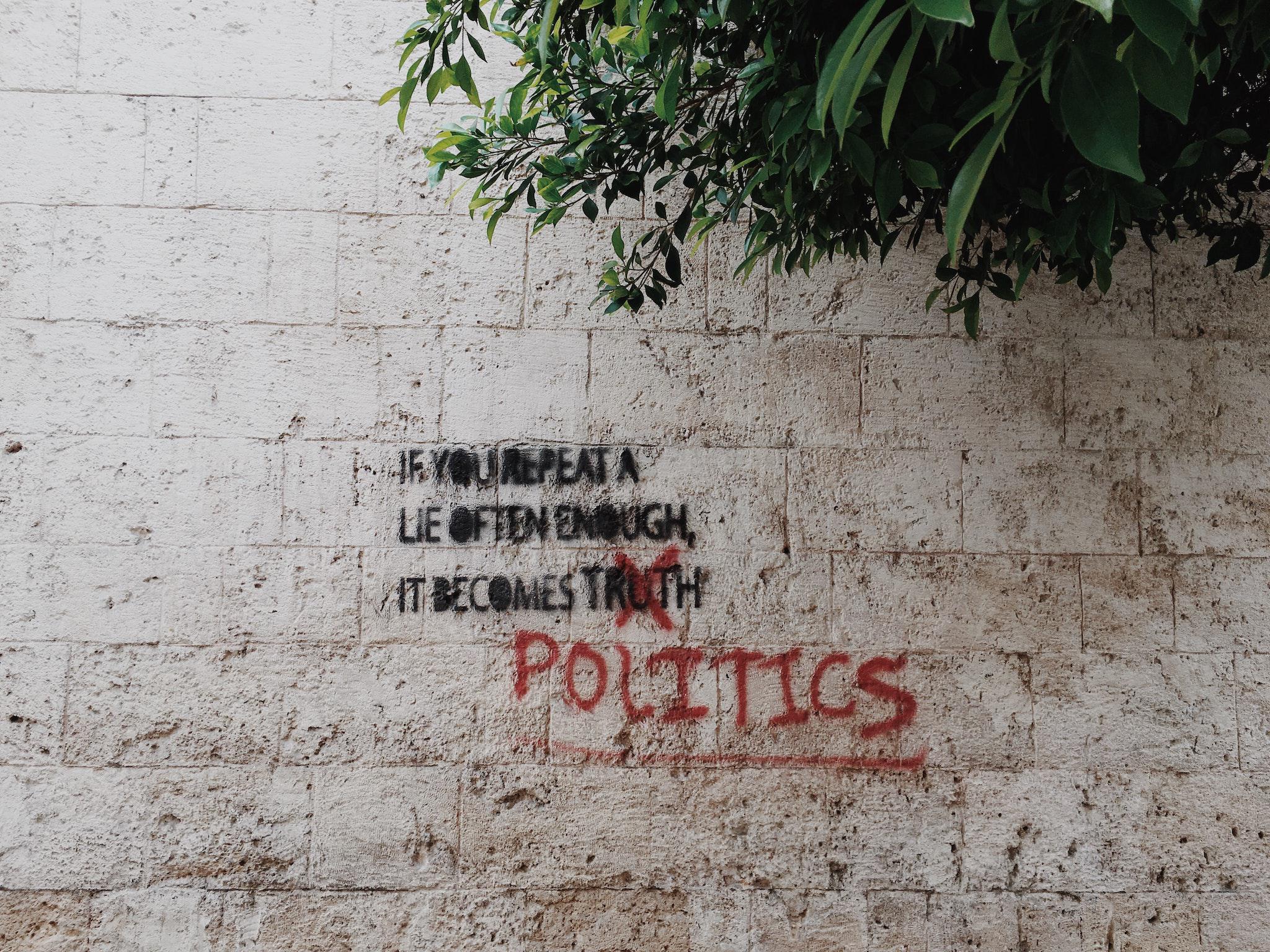
Some intellectuals use charisma and deception to obscure the holes in their arguments. Here is how to see through their smokescreen.

What if you are the only person in the world who can think?
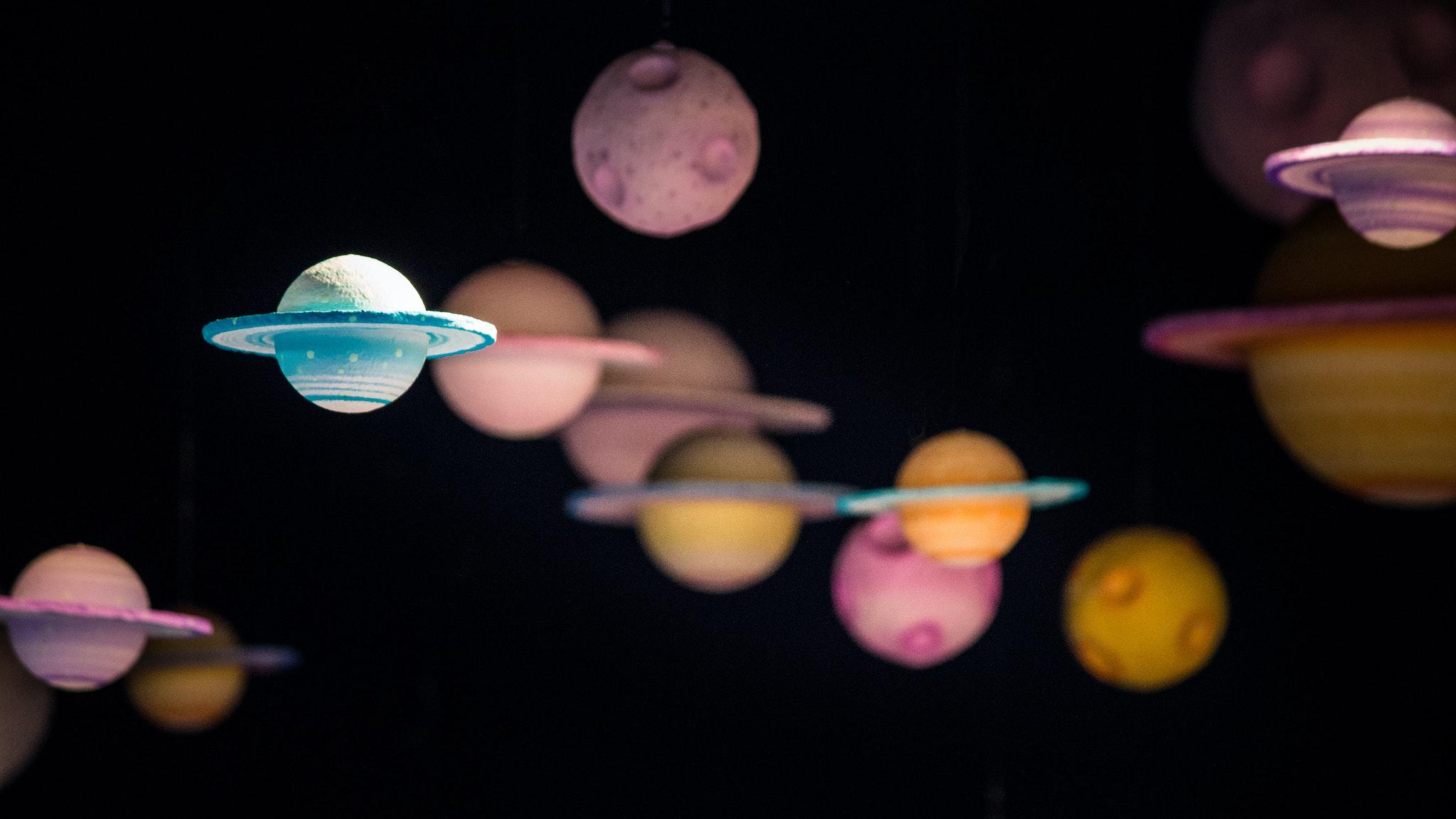
Why I was prepared to hate The Structure of Scientific Revolutions but ended up loving it.

Does history have a grand narrative, or is it just a random walk to no place in particular? And is the world as we know it about to change?
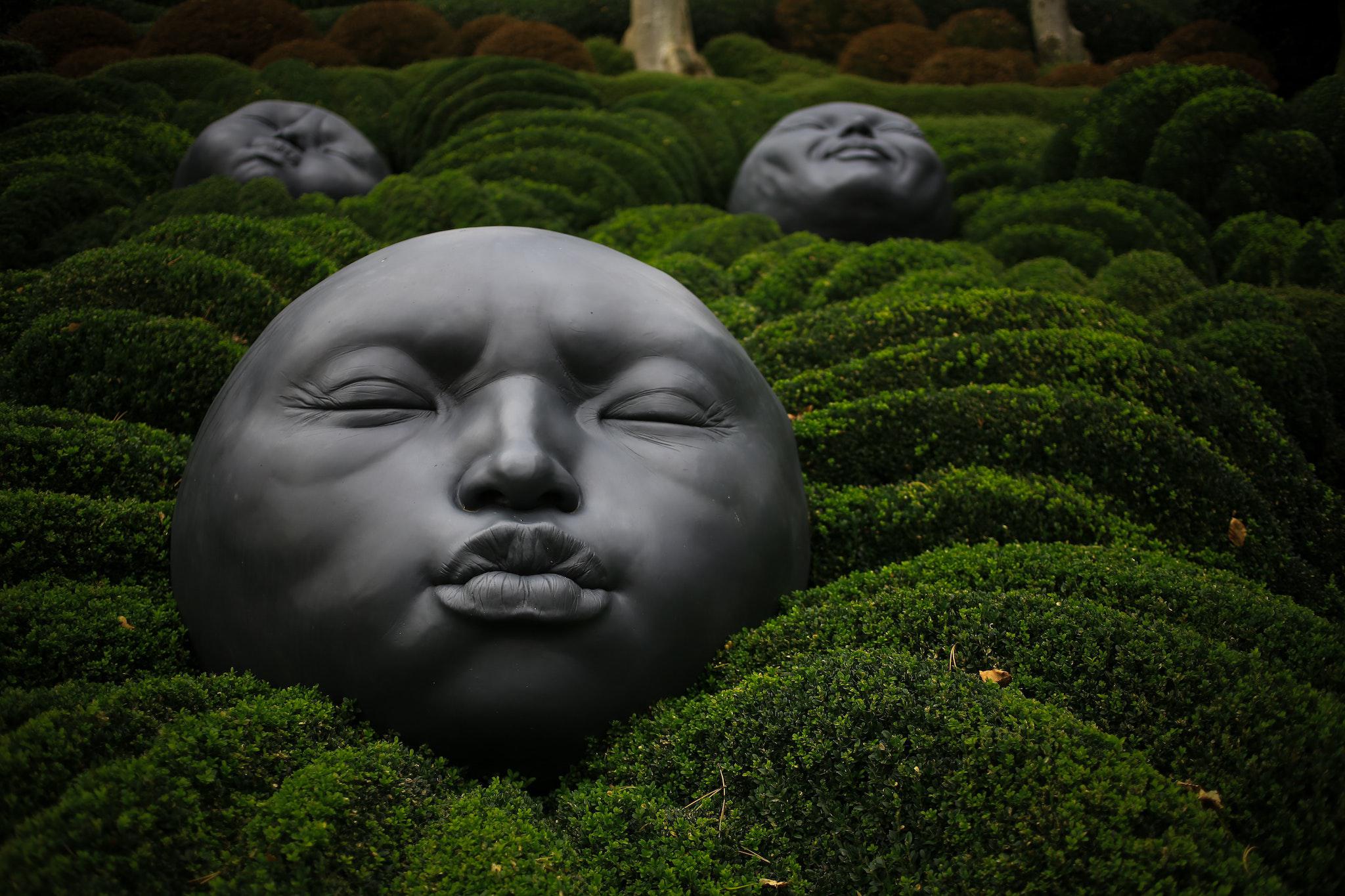
Utopia is like a John Lennon song but with golden toilets.

Though gloomy and dense, Russian literature is hauntingly beautiful, offering a relentlessly persistent inquiry into the human experience.