psychology

Sniffing out a deal.
These 5 research-backed tips can turn bad habits into financial gain.

It is estimated that as many as 488 million people worldwide were exposed to dangerously long working hours in 2016.

Addicted to spending money you want to save? Here’s how to stop.
▸
7 min
—
with

When we don’t find ways to relieve chronic stress, personal burnout is the likely consequence.

Has the “age of psychopharmacology” shrunk society’s sense of responsibility for mental health?
It may be possible to give people the tools to withstand difficulty before it attaches to them.
Creative people are better able to engage brain systems that don’t typically work together.

The best-laid plans of mice and everyone else.

How do we deal with information overload and unlock creativity? Build a second brain.
▸
6 min
—
with
There are four money personality types. Which are you?
And it’s much, much less expensive.

Financial experts explain 4 types of money behavior.
▸
6 min
—
with

Find it easier to sort out your friends’ problems than your own? This paradox is for you.
People engage in creative thinking every day, whether they realize it or not.

A disturbing interview given by a KGB defector in 1984 describes America of today and outlines four stages of mass brainwashing used by the KGB.
Harvard psychiatrist Robert Waldinger discusses how 80 years of ongoing research show relationships to be vital for health and happiness.

You don’t have to “feel the burn” to see improvements to your health and well-being.
The “money taboo” is not a single taboo, but rather an amalgamation of several smaller taboos tied to gender and socioeconomic class.
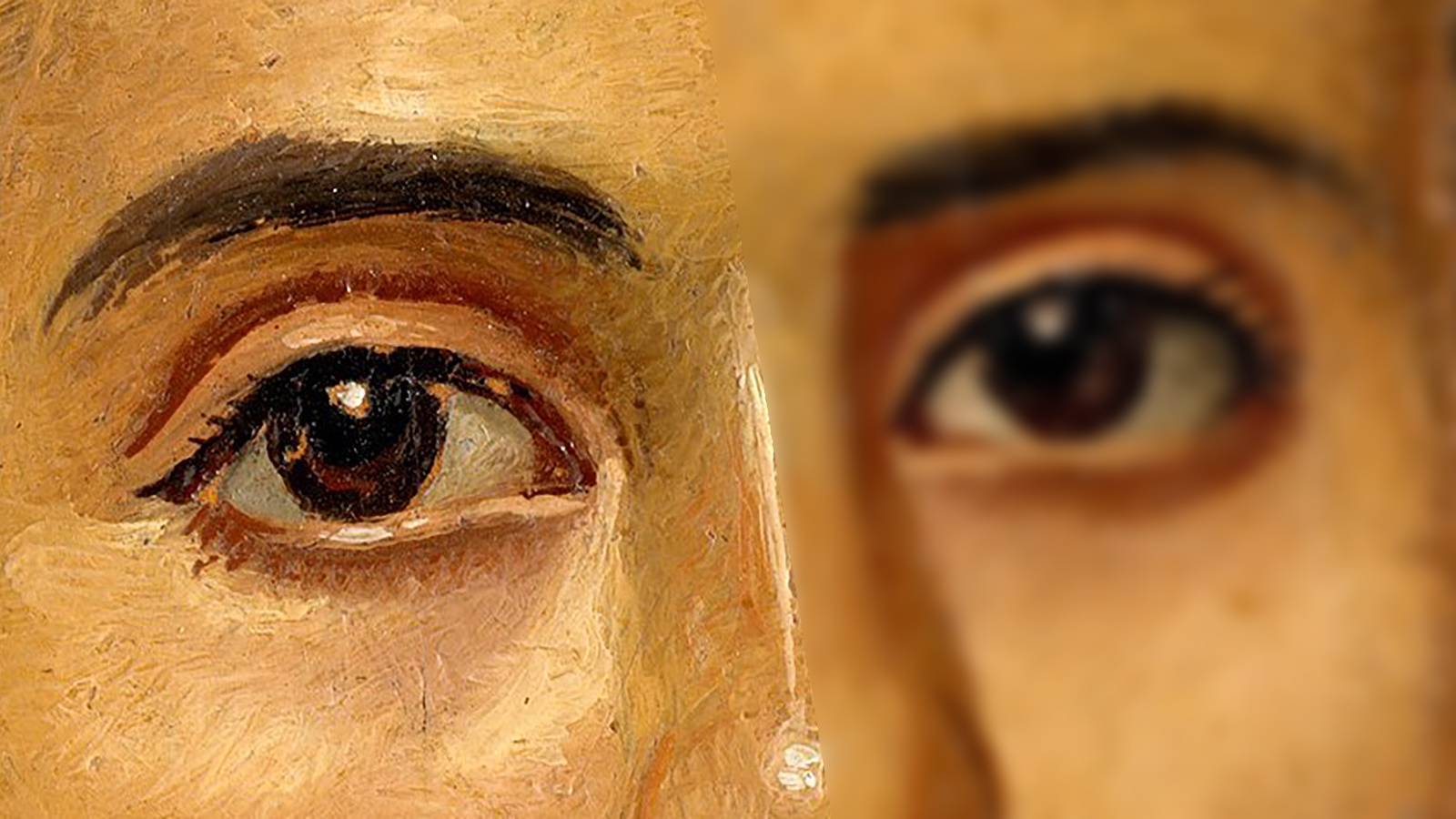
When you can’t enter flow, you can still lean on your internal rhythm.

We’re afraid to talk about money–and that costs us.
▸
7 min
—
with
How to defeat debaters who deal in distractions, according to a two-time world debate champion.
▸
5 min
—
with

The cost of seeing yourself as a thief is pretty steep, the results of a 2019 study suggest.

The majority of children who stutter will spontaneously recover from it without intervention, but some 20% of people do not.
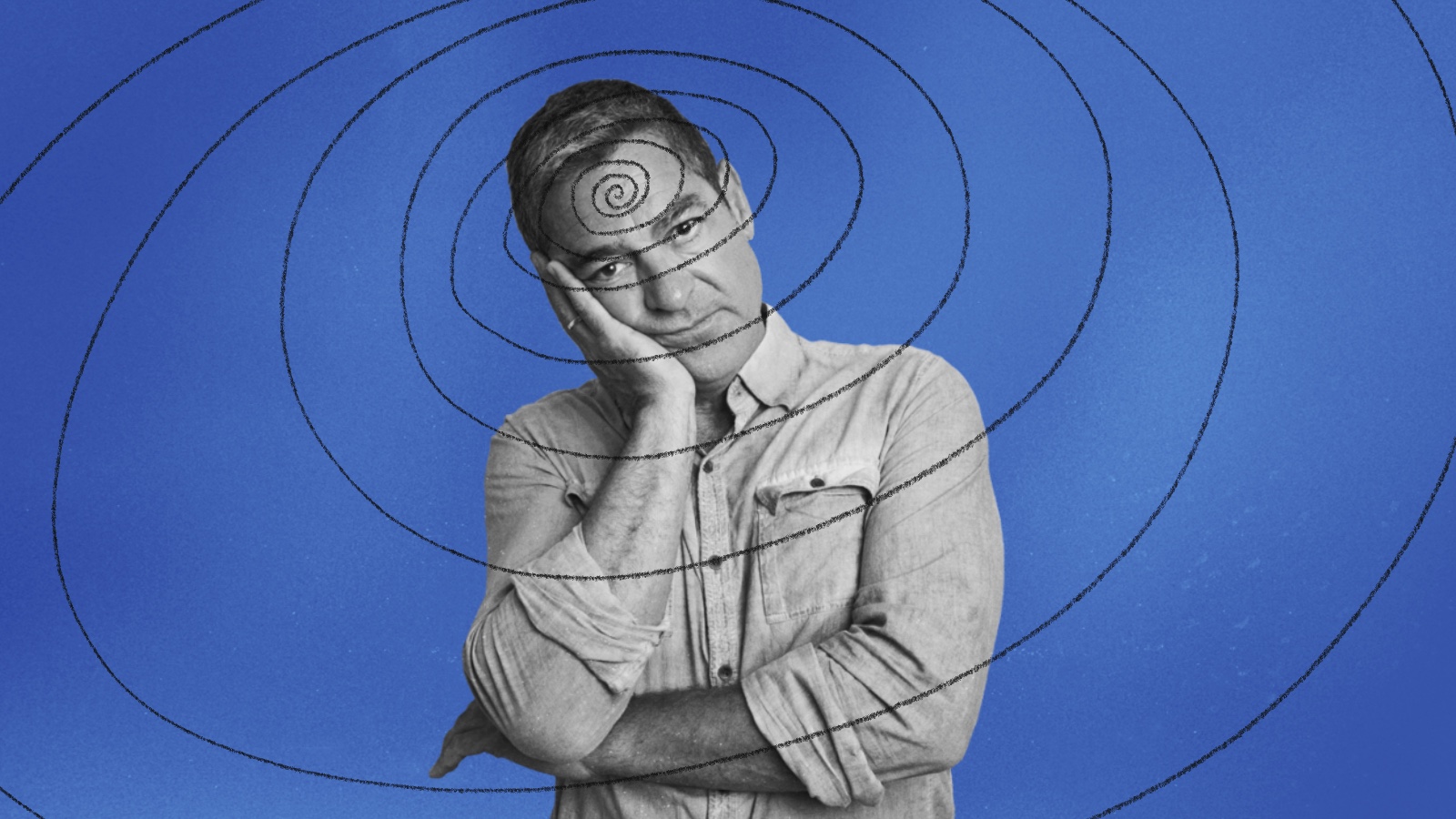
Boredom isn’t the enemy; it’s a catalyst for changing your relationship to work.

Male inequality — the enormous cultural shift happening right under our nose.
▸
15 min
—
with
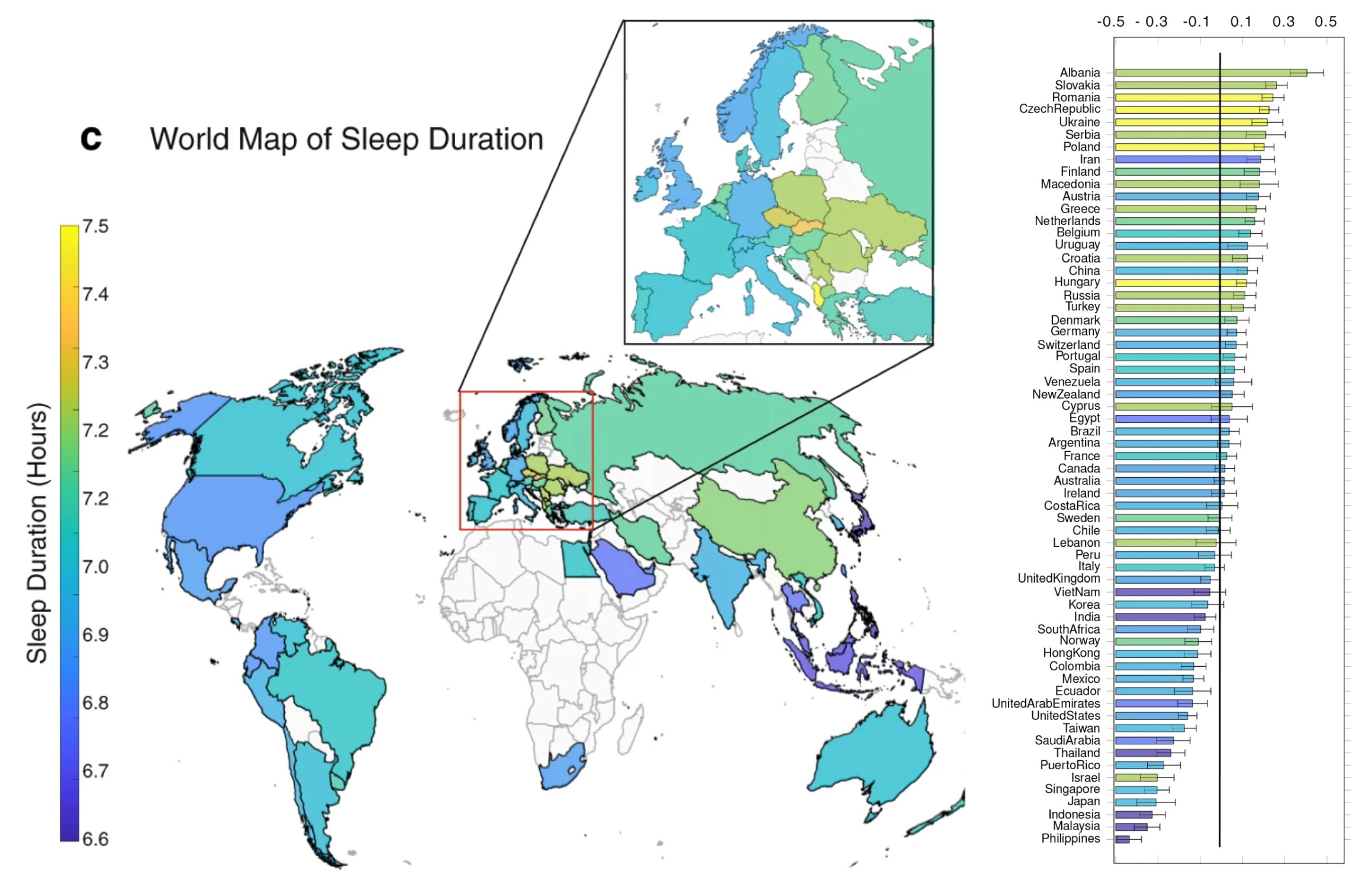
If you want to sleep more, try working less, eating better, and exercising more. Alternatively, you could emigrate to Albania.
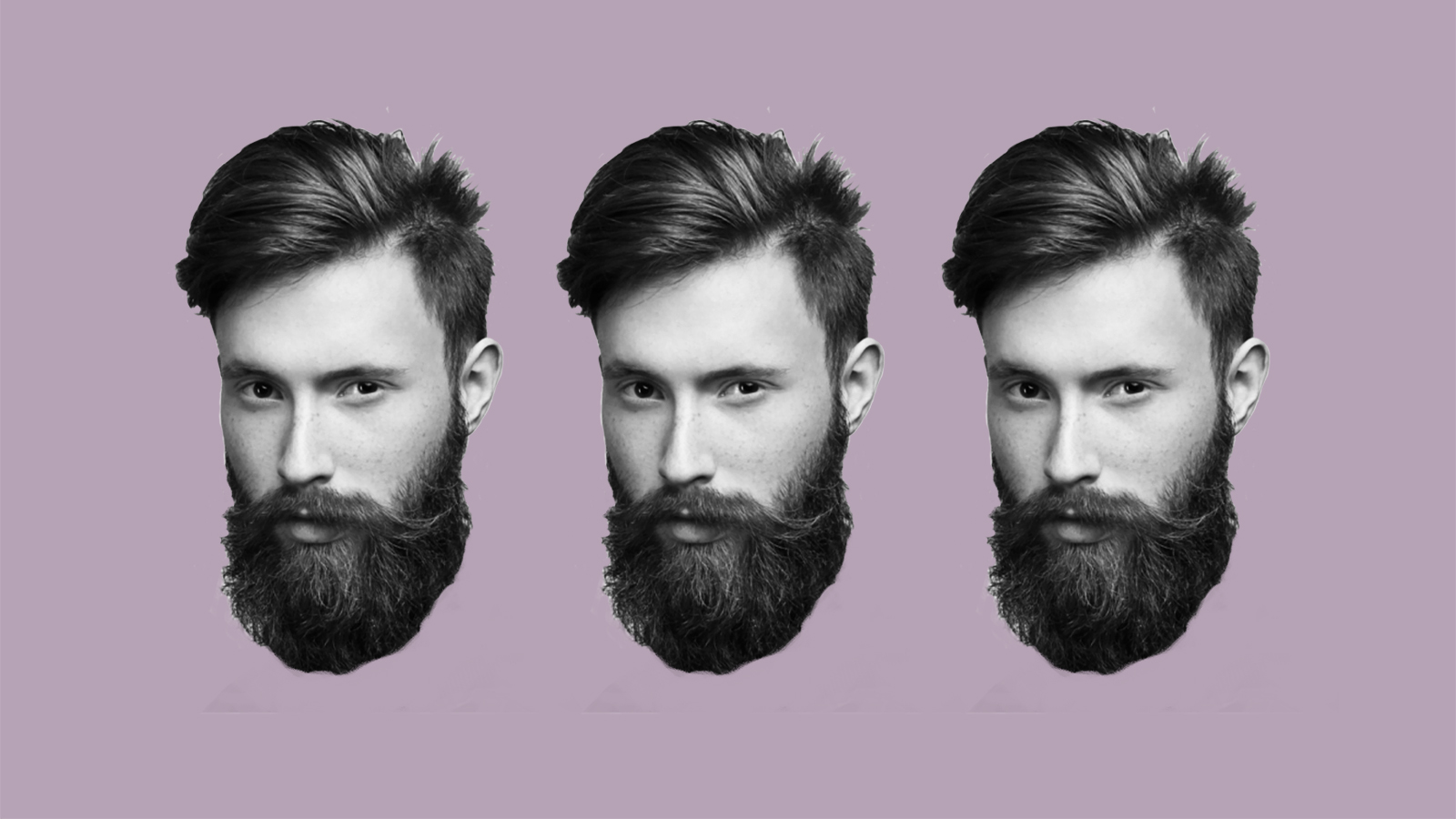
It’s called the “hipster effect,” and a study from Brandeis University mathematician Jonathan Touboul explains how it happens.

Denmark’s 10 Jante Laws are grim, and yet they bring so much happiness.