Technology & Innovation
All Stories
We live in a time of high-tech miracles. But, as world ruler, I’d strive to direct all that creativity towards servicing our need for more truth, more transparency, and more wisdom.
Small companies can now deploy technology that was previously reserved for large organizations so that nearly any employee can now work from anywhere.
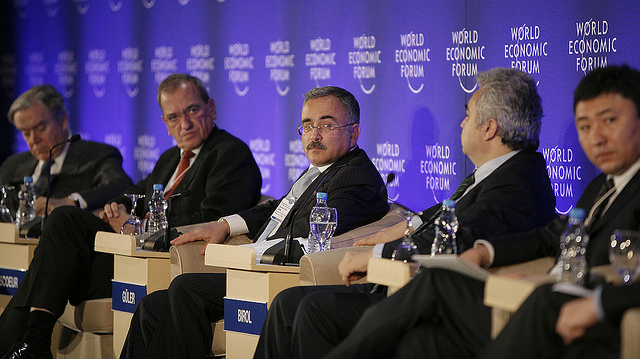
The powers that be are currently convening at the World Economic Forum in Davos, Switzerland. But is this high-profile meeting of minds really the best setting for predicting and responding to the world’s future crises? Or does it fall prey to the same biases that triggered the recent recession in the first place?
Get a front row seat to what the future holds by tuning into a LIVE webcast called “Farsight 2011: Beyond the Search Box” on February 1 from 10am to 2pm PST on BigThink.com
The Financial Crisis Inquiry Commission’s nearly two-year examination of the 2008 crisis lays blame on two presidential administrations, regulatory agencies and big players on Wall Street.
Professor of the “social studies of science” at M.I.T., Sherry Turkle summarizes her new view with eloquence: “We expect more from technology and less from each other.”
Get ready for a rocky year. From now on, rising prices, powerful storms, severe droughts and floods, and other unexpected events are likely to play havoc with the fabric of global society.
As much as I like crowdfunding, that doesn’t mean creative decisions should all be crowd decided. In this case, the creative decisions are based on popular vote, with little artist input.
Massive budget slashing can lead to economic disaster, violence and repression. The DC-Wall Street power circuit is blindly pushing an agenda that could lead to massive social upheaval.
Nonprofit models of microfinance cannot attract substantial capital, but commercialized microfinance seems increasingly unlikely to have substantial social benefits.
As the search giant’s Chief Executive makes way for one of its co-founders, it’s time to take a look at the company’s future, in which it must seek to tackle the tablet market.
With much of the econ-finance talk these days still centered around the possibility of a looming “double-dip”, two leading indicators point to continued growth, not recession.
In the information age, brainy people are rewarded with wealth and influence, says The Economist. But what does this mean for everyone else?
The Supreme Court should reject AT&T’s claim that it should be shielded in a case involving the FCC and the Freedom of Information Act, says an L.A. Times editorial.
Environmental protection often comes at the expense of the world’s poorest people, who struggle to meet their subsistence needs. Can we expect to find a balance?
A year ago this week, the Supreme Court ruled it was unconstitutional to limit in any way the amount of money corporations can spend on attack ads. What’s happened since?
How do we feed the world while saving the planet? Underinvestment and market failures have trapped many countries in a vicious cycle of low productivity and exposure to price hikes.
The mistake is thinking that “intellectual property laws” are the same as creative output. It’s a nefarious fallacy. It leads to the false claim: “more IP = more creative economy.
In some cases, such as the Giffords shooting and Tunisian revolution, Twitter has proven a real-time news network. But what happens when the medium spreads disinformation?
As environmentally friendly labels have proliferated, the meaning of those claims has become increasingly vague. Now some large companies are trying to better define such terms.
In the new medium of digital communication, there is an opportunity to preserve identity—something that has heretofore been available only to kings, pharaohs, and emperors.
A few billion dollars in private foundation money, strategically invested every year for a decade, has sufficed to sustain a crusade for a set of mostly ill-conceived reforms.
If the F.D.A. deems saccharin safe enough for coffee, then the E.P.A. should not treat it as hazardous waste, writes President Barack Obama at The Wall Street Journal.
MP3s aren’t free and Piracy is, as of this moment and for want of a better word, theft. Is there any other crime people are so completely and disarmingly blasé about committing?
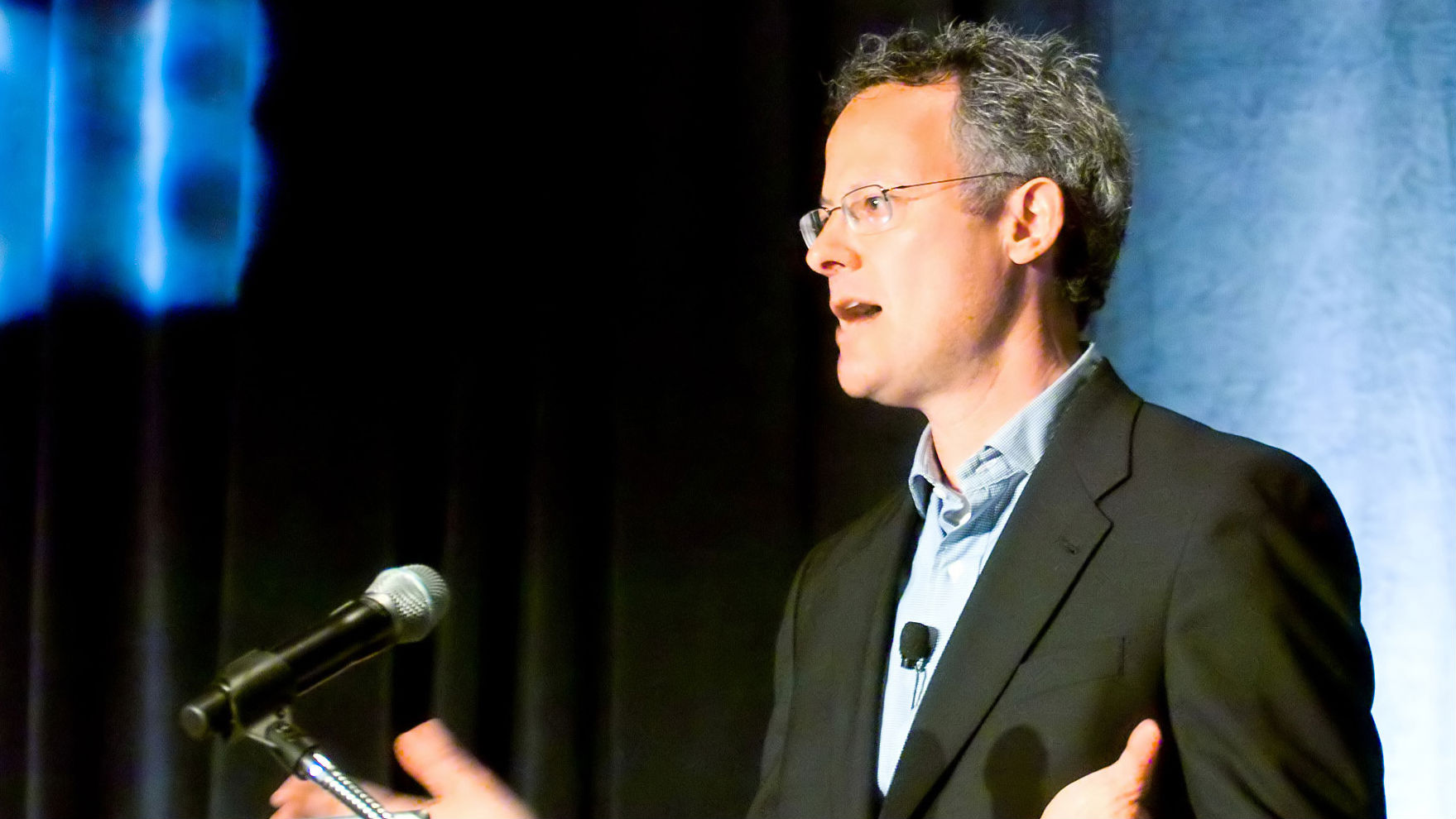
Since you’re reading it on the Internet—in a blog, no less—it just might be. This week Big Think sits down with journalist Nicholas Carr, author of the infamous 2008 Atlantic […]

If sex workers are effectively used to manipulate economic decision-makers then, just like other forms of corruption, this will lead to poor economic outcomes.
Steve Jobs isn’t saying why he’s taking a medical leave. Slate asks: Is that fair to Apple investors?
Could online galleries prove a successful sales innovation for a struggling art industry? The first virtual contemporary art fair is about to be launched.
Europe is in deep crisis — because its proudest achievement, the single currency adopted by most European nations, is now in danger.
Ross Douthat argues that the press and Palin have been at war with each other almost from the first, but their mutual antipathy looks increasingly like co-dependency.