Applying Gaming Principles to Education
What’s the Latest Development?
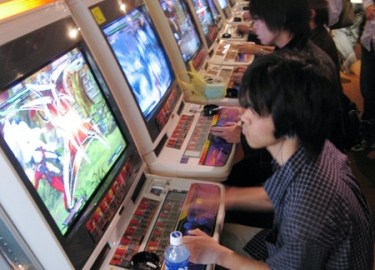
Gamification, where games’ fundamental principles of incentivisation—such as rewarding success, removing the sting from failure—are applied to other pastimes, has its dark side: who hasn’t bought two of a product they rarely use just because it was on special offer? But that’s no reason not to harness these ideas for good: for example, in education policy. In fact, it’s already happening, though not without critics who see it as just more dumbing-down.
What’s the Big Idea?
Like it or not, says Helen Lewis-Hasteley, most children find their Nintendo, PlayStation or mobile phone an irresistible draw. “So, instead of regarding games as a distraction from more serious fare, how about trying to combine the two? Even if you can’t give your child a gameful education, you can at least encourage them to play educational games. And it’ll put those hyper-developed thumbs to good use.” She provides links to five educational games.