Defining Media Freedom In South Africa
Article written by guest writer Kecia Lynn
What’s the Latest Development?
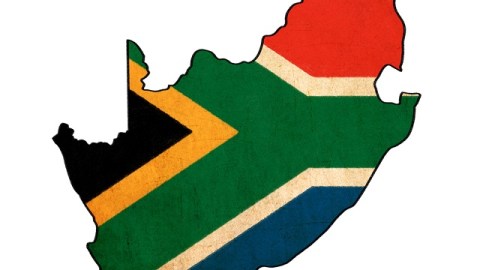
South African President Jacob Zuma has agreed to withdraw a defamation case against Sunday Times cartoonist Jonathan Shapiro, who in 2008 drew an image of Zuma preparing to rape Lady Justice. The case, in which the president demanded up to $460,000 in damages, was pulled after the newspaper conceded that it had indeed defamed him by publishing the cartoon. In response, Zuma has proposed the creation of a Media Appeals Tribunal, which, according to him, would “strengthen, complement and support the current self-regulatory institutions” and help preserve a balance between freedom of expression and individual privacy rights.
What’s the Big Idea?
The case, which would have gone to court this week, is only one of several that Zuma has brought against media organizations in his country. He plans to seek a second term as the leader of the African National Congress, which he says “will continue doing everything in its power to promote freedom of expression and media freedom.” However, industry watchdogs frown upon a government-created tribunal, citing potential abuse of power. For his part, Shapiro is torn about the decision to withdraw, telling the Sunday Times: “I would have liked to go to court and I believe we would have won hands down.”
Photo Credit: Shutterstock.com