Human DNA Could Store All the World’s Data
What’s the Latest Development?
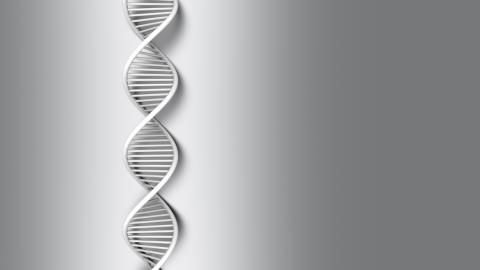
Researchers at European Bioinformatics Institute near Cambridge, UK, have sketched workable plans to encode hard data onto strands of human DNA, rather than use the magnetic tape or hard disks used by computers. “[The system] should, think the researchers, be easily capable of swallowing the roughly 3 zettabytes (a zettabyte is one billion trillion or 10²¹ bytes) of digital data thought presently to exist in the world and still have room for plenty more. It would do so with a density of around 2.2 petabytes (10¹⁵) per gram; enough, in other words, to fit all the world’s digital information into the back of a lorry.”
What’s the Big Idea?
One significant obstacle to this method of encoding and retrieving data is the cost. Currently, encoding information on DNA strands requires $12,400 per megabyte stored, which is millions of times more expensive than current archiving methods. “But magnetic tapes degrade and must be replaced every few years, whereas DNA remains readable for tens of thousands of years so long as it is kept somewhere cool, dark and dry—as proved by the recovery of DNA from woolly mammoths and Neanderthals.” Thus encoding DNA with data would make the information effectively eternal, as long as biologists are around to read it.
Photo credit: Shutterstock.com