What’s the Latest Development?
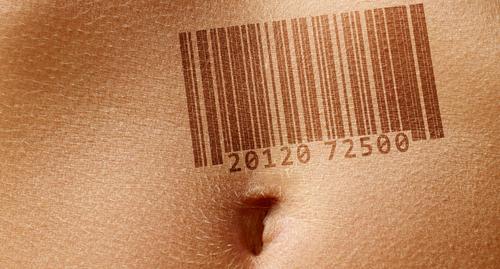
Science fiction writer Elizabeth Moon argues that implanting a computer chip beneath everyone’s skin at birth would make the world better off. While participating in a discussion over whether future wars will have more or fewer victims, Moon put forward the idea that universal identification tags would allow soldiers on the battlefield to be more discriminating. By distinguishing between enemy targets and innocent bystanders, ubiquitous ID tags could result in fewer wrongful deaths and make soldiers more accountable by tracking their every move, including how many rounds they fired and for what purpose.
What’s the Big Idea?
Besides our general hesitation to go putting computer components beneath our skin, being able to identify someone on the battlefield does not necessarily make conflict situations clearer in a moral sense. Ethics authority David Rodin, of Oxford’s Institute for Ethics, Law and Armed Conflict, disputes Moon’s claim. He argues that soldiers currently know how to identify who someone is in a conflict, but that it is a person’s history which largely determines whether or not they are a threat. Rodin refers to people who may work in peaceable bakeries by day and take up arms by night.
Photo credit: Shutterstock.com