Search
bigthinkeditor

Read Less
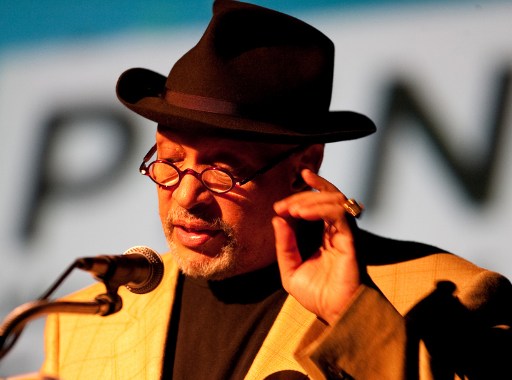
“A lot of people get upset at young people,” says Walter Mosley, “They say, ‘Young people aren’t living up to their potential. Young people are interested in things which are […]
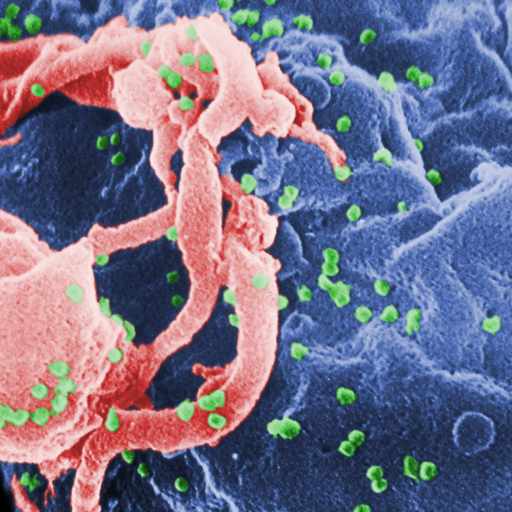
2010 has been the most exciting year for HIV/AIDS research since the discovery of the antiretroviral "cocktail" 15 years ago.
What made the decision in Bush v. Gore so startling was that it was the work of Justices who were considered, to greater or lesser extents, judicial conservatives.
Can an iTunes-style makeover bring the short story to new audiences? Ian Burrell of The Independent meets the authors and innovators who are selling small tales.
As evidenced by the Copenhagen Conference, global action is not going to stop climate change. The world needs to look harder at how to live with it, says The Economist.
The biggest problem that the Church faces in backing off its condemnation of contraception is a potential loss of religious authority, which is no small matter in a hierarchical church.
Evidence shows that the mobile phone is becoming indispensable to us: more people are paying for apps, and they're more willing to trade privacy for benefits.
Being sociable has its advantages—across more than 500 mammal species, animals that lived in social groups had bigger brains than those that lived by themselves.
When you meet a paradox, you’ve got only two choices. One is to accept that the implausible is true; the other is to reject the conclusion, and explain why the argument is wrong.
The job of the media is not to protect the powerful from embarrassment. It is for governments to guard public secrets, and there is no national jeopardy in WikiLeaks' revelations.
Five centuries ago, Gutenberg's printing press was the new technology that swamped the world with data. What can we learn about our own times from the event?
Forcing countries to agree to emissions caps will never work, argue Ted Nordhaus and Michael Shellenberger. Instead, they say, the focus should be on technology innovations.
An oft-heard homily—"It's the thought that counts"—is put more lyrically by the Chinese—"To walk a thousand li and present a swan feather; the gift is light but the friendship is solid."
Law schools are manufacturing more lawyers than America needs, and law students aren't happy about it. The demand for lawyers has fallen off a cliff, reports Slate.
Social media have increased the volume of our communications yet diminished the substance of them. Neal Gabler reviews Facebook's new initiative to replace email.
After a spontaneous flight to Washington, Elvis hand-wrote a letter to then President Nixon asking for a badge from the federal Bureau of Narcotics. Nixon gave him one.
A new wave of research into bullying’s effects suggests that bullying can leave an indelible imprint on a teen’s brain at a time when it is still growing and developing.
Seismic changes in the communist economy built by Fidel Castro are enriching some Cubans, scaring others, and sparking imaginations. Will the Caribbean gem shine again?
For a debate about religion and its influence on world politics and humankind you could do no better than Tony Blair and Christopher Hitchens. The two met in Toronto to hash it out.
State Department cables obtained by The Atlantic detail a nuclear blackmail scheme executed by Libyan officials intent on wielding the power of their last cache of nuclear material.