Search
Derek Beres
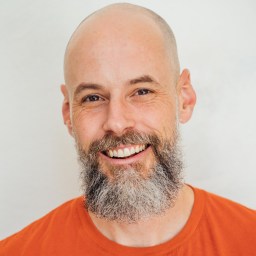
Derek Beres is a freelance writer. Based in Portland, Oregon, he has served in senior editorial positions at a number of tech companies and has years of experience in health, science, and music writing. He is the co-host of the Conspirituality podcast and co-author of Conspirituality: How New Age Conspiracies Became a Health Threat.
Read Less

New research from MIT is unintuitive but could lead to a better system.
Journalists, doctors, and others you should know.
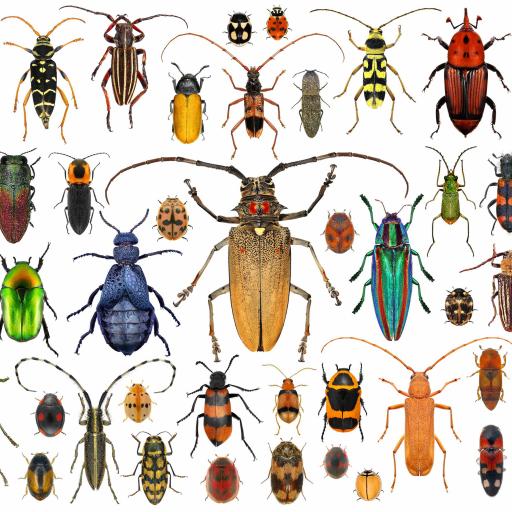
Darwin was right again—sort of.

Debating is cognitively taxing but also important for the health of a democracy—provided it's face-to-face.

The attack on the Capitol forces us to confront an existential question about privacy.
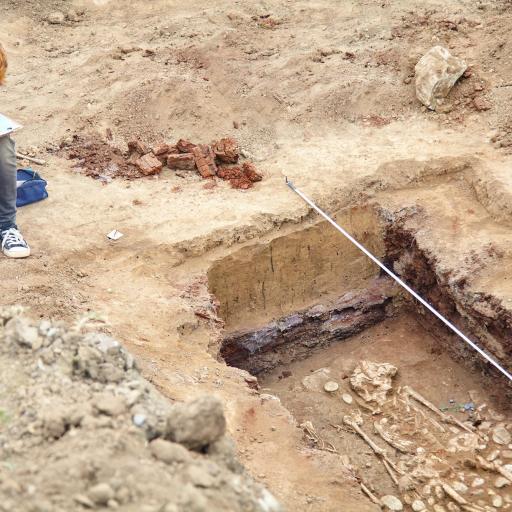
Traces of heroin and cocaine have been found in the tartar of 19th-century Dutch farmers.

Plan S is starting to take hold, but the cost is merely shifting even more to the researchers.

Some volunteers performed above chance. They weren't the psychics.
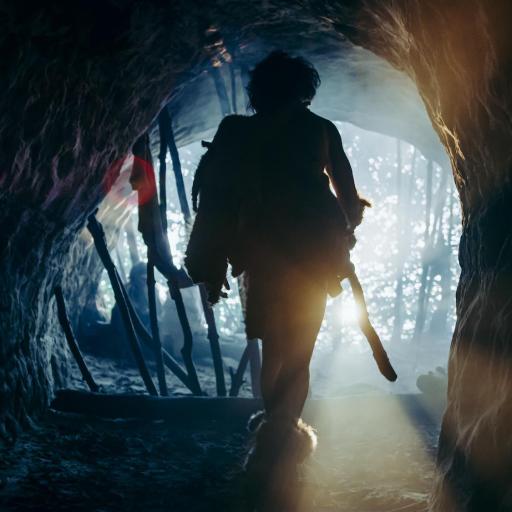
New anthropological research suggests our ancestors enjoyed long slumbers.

A deeper appreciation for science and less unnecessary spending could be in our future.


Jonathan Berman wants us to have better dialogues.

A new observational study finds that red wine and cheese have protective effects.

Neuroscientists and ethicists wants to ensure that neurotechnologies remain benevolent.

The rush to clean up outer space has begun.

Mice will even run on a wheel in nature. Pheromones help inspire that behavior.


Researchers make the case for "deep evidential regression."

The heart of the religious ritual is mysticism, argues Brian Muraresku in "The Immortality Key."
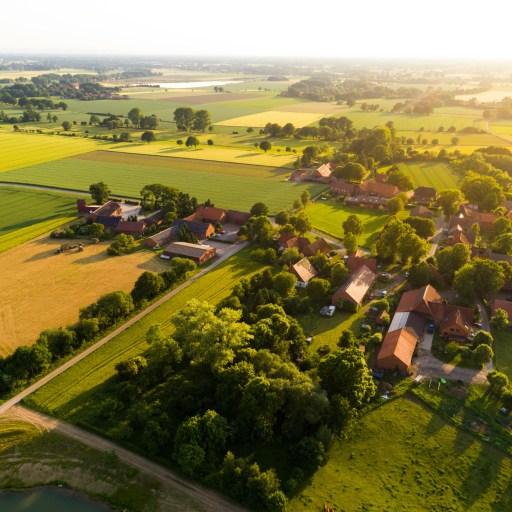
Of course, it's all about where you move. The authors argue that it needs to be less populous regions.