Search
Ethan Siegel
A theoretical astrophysicist and science writer, host of popular podcast “Starts with a Bang!”

Ethan Siegel is a Ph.D. astrophysicist and author of "Starts with a Bang!" He is a science communicator, who professes physics and astronomy at various colleges. He has won numerous awards for science writing since 2008 for his blog, including the award for best science blog by the Institute of Physics. His two books "Treknology: The Science of Star Trek from Tricorders to Warp Drive" and "Beyond the Galaxy: How humanity looked beyond our Milky Way and discovered the entire Universe" are available for purchase at Amazon. Follow him on Twitter @startswithabang.
Read Less
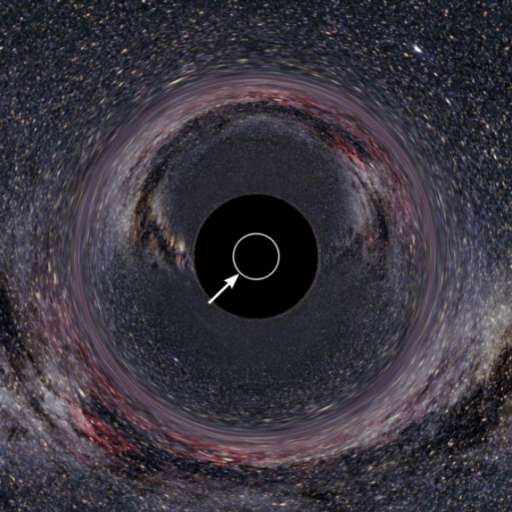
The data has been taken, collected, and analyzed. So where is the first image of an event horizon, already? Across multiple continents, including Antarctica, an array of radio telescopes observe the […]
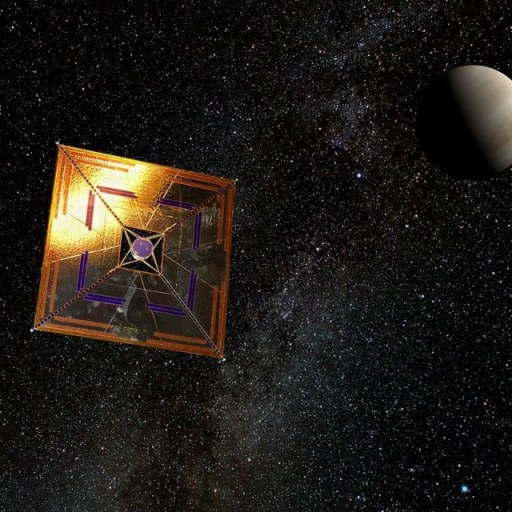
If emissions don’t go down, there’s still an option for combatting global warming. We just have to effectively dim the Sun. Global climate change is one of the most pressing long-term […]
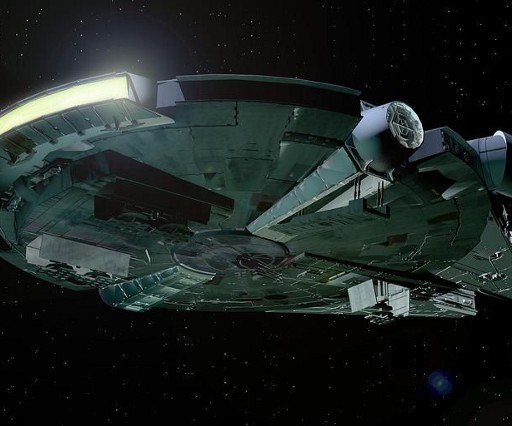
As the new Star Wars movie, Solo, premieres, let’s look at the physics of how his most famous achievement might actually be possible. The Millennium Falcon’s greatest achievement, according to […]
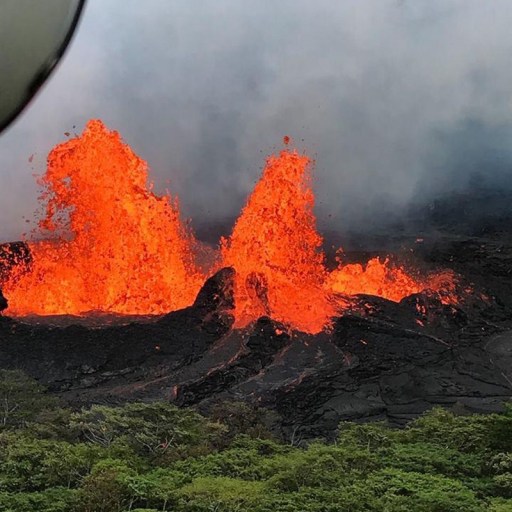
For accurate, factual alerts and updates, the Hawaiian Volcano Observatory is the most comprehensive, reliable news source you could possibly go to. Since 1983, the Kilauea volcano on the Big Island […]
Everyone in the Universe needs a break sometimes. They say that all work and no play make Jack a dull boy, and with very few exceptions, I’ve been working hard […]
There really should be life out there beyond Earth. Here’s how we’ll find it. There are three very different ways humanity is searching for alien life beyond Earth. We can directly […]
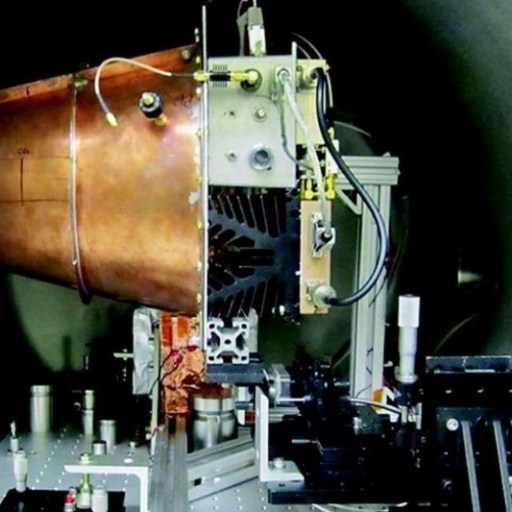
Many tests have reported an ‘anomalous thrust’ where there should be none. A researcher has finally shown where everyone else has messed up. One of the ultimate dreams of humans everywhere […]
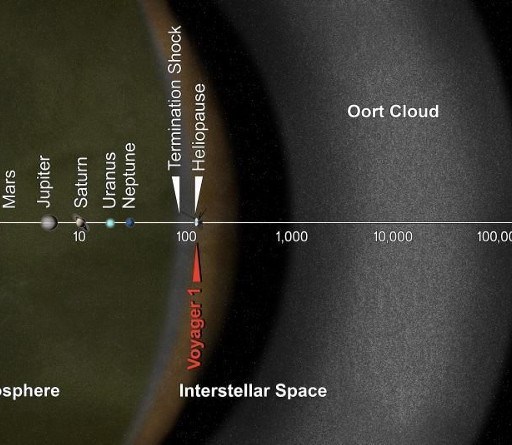
Sedna could be the very first known object from the Inner Oort Cloud. But time is running out to create and launch a mission. In 2003, scientists discovered an object beyond […]
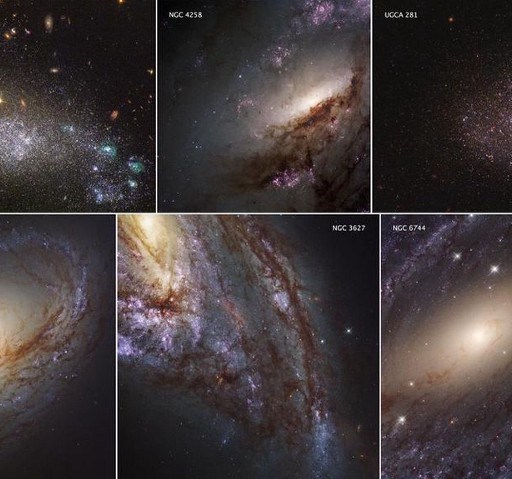
The legacy of what humanity’s greatest telescope has to teach us about the Universe continues to grow. Here in the Universe, in the Milky Way and beyond, new stars are birthed […]
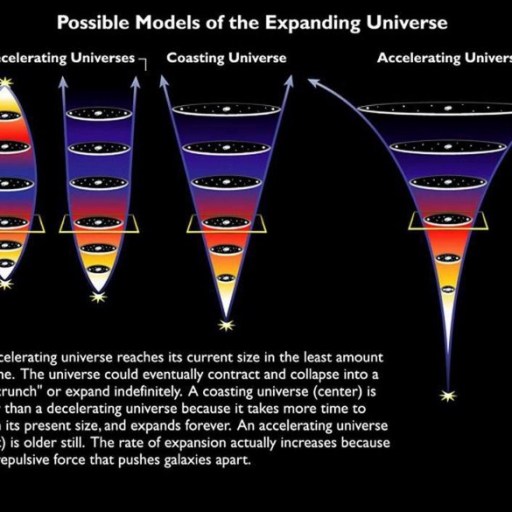
And if their conclusions will be different from ours, how can we be certain we’ve got it right? One of the greatest dangers in all of science is jumping to false […]

Every professional organization of scientists has a code of ethics and/or conduct. Why not apply it to their journals? When it comes to exploring the Universe, many young people get […]
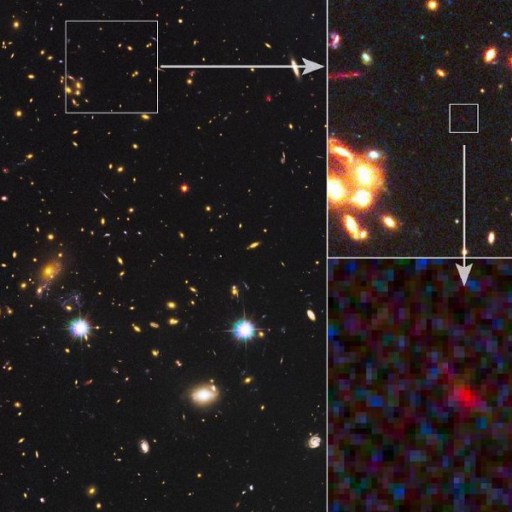
Even before we have the James Webb Space Telescope, a controversy over when the first stars formed is growing. As far back as our most powerful telescopes have ever looked, we’ve […]
If dark energy were stronger or weaker, everything would be pretty much the same. And that’s a puzzle. After the Big Bang, the Universe was full of matter and radiation. It […]
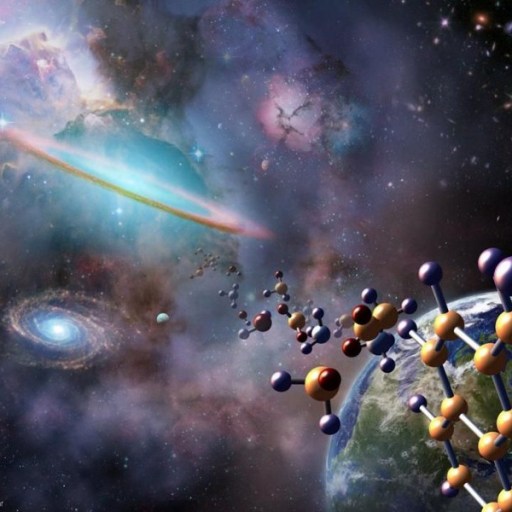
The ingredients for life are everywhere, but so far the only life we know of comes from Earth. Here’s how that might change. Ever since human beings first turned our eyes […]
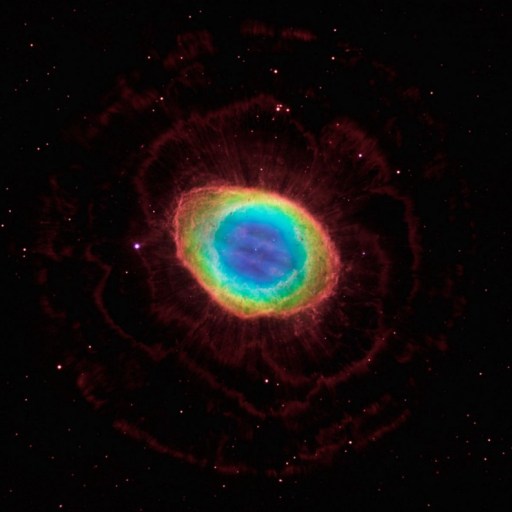
One of the night sky’s most famous sights isn’t what it appears to be. Perhaps the most famous sight of a dying star is the Ring Nebula, known since 1779. The […]
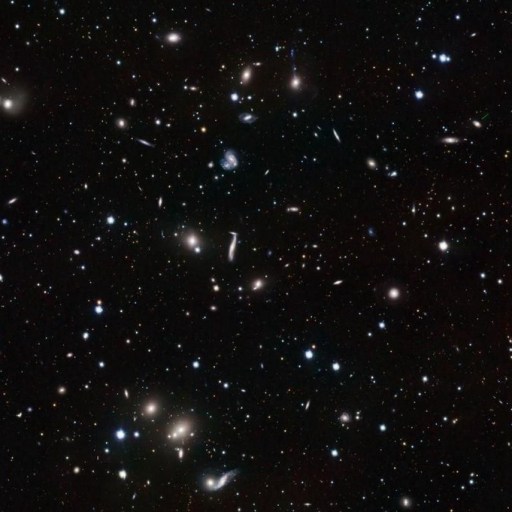
Dark energy tells us that the Universe’s expansion is accelerating. Here’s what that means for our disappearing Universe. One of the biggest surprises for humanity about the Universe is that […]
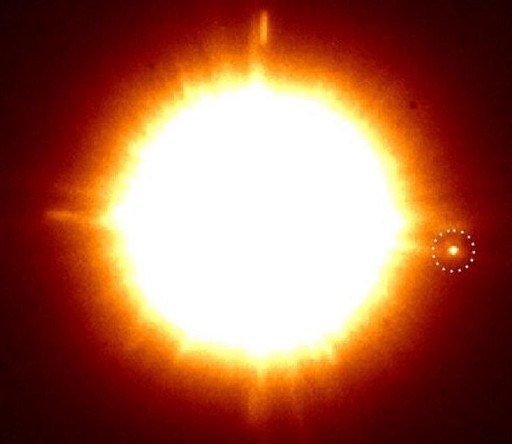
In the search for the youngest planet in the Universe, astronomers may have accidentally stumbled upon something entirely new. Growing up is hard to do in the Universe. In the great […]
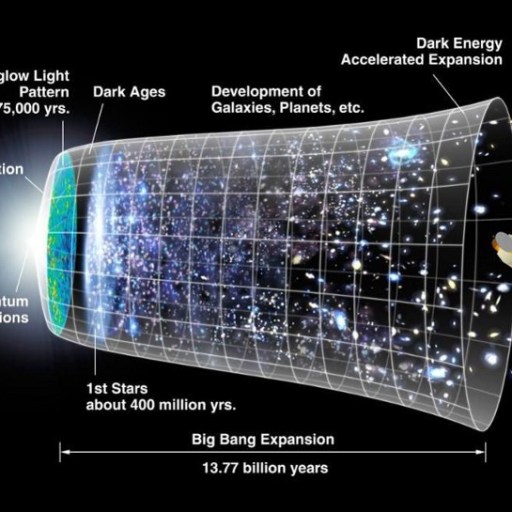
If you go all the way back to where neutral atoms first formed, you can see the cosmic microwave background. Buried in the details is the Universe’s first evidence for […]
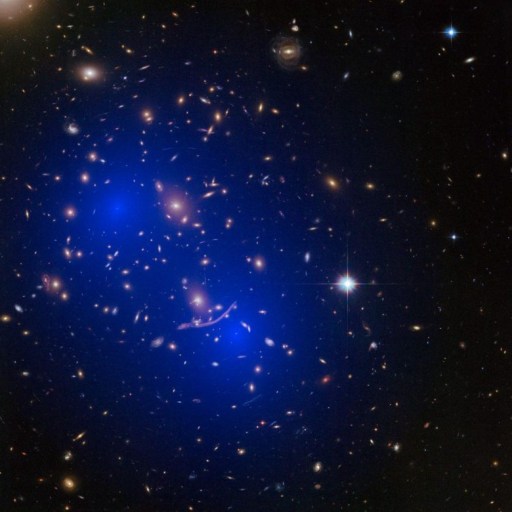
Our dark matter searches have yet to yield a robust detection. Could we be looking in all the wrong places? There’s perhaps no more fundamental question to ask than, “what is […]
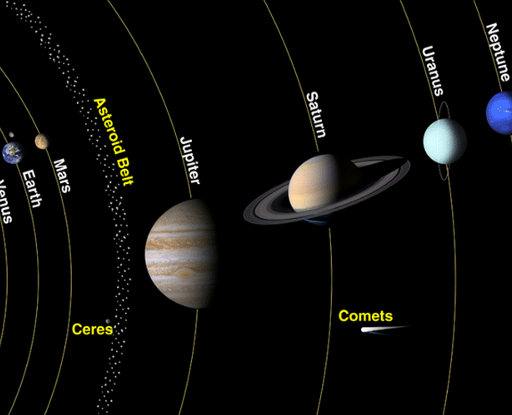
When we place the known objects in the Solar System in order, four inner, rocky worlds and four, outer, giant worlds stand out. Traditionally, these were defined as planets. Will […]