Search
Ethan Siegel
A theoretical astrophysicist and science writer, host of popular podcast “Starts with a Bang!”

Ethan Siegel is a Ph.D. astrophysicist and author of "Starts with a Bang!" He is a science communicator, who professes physics and astronomy at various colleges. He has won numerous awards for science writing since 2008 for his blog, including the award for best science blog by the Institute of Physics. His two books "Treknology: The Science of Star Trek from Tricorders to Warp Drive" and "Beyond the Galaxy: How humanity looked beyond our Milky Way and discovered the entire Universe" are available for purchase at Amazon. Follow him on Twitter @startswithabang.
Read Less
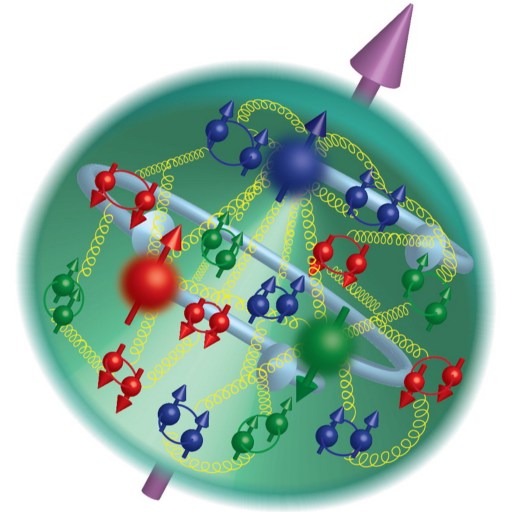
A proton is the only stable example of a particle composed of three quarks. But inside the proton, gluons, not quarks, dominate.
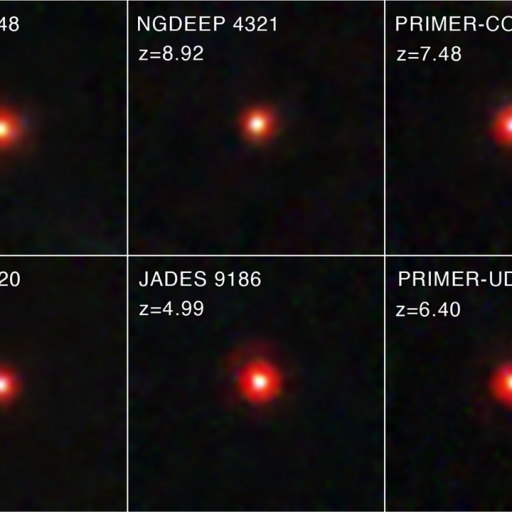
The discovery of ultra-bright, ultra-distant galaxies was JWST's first big surprise. They didn't "break the Universe," and now we know why.
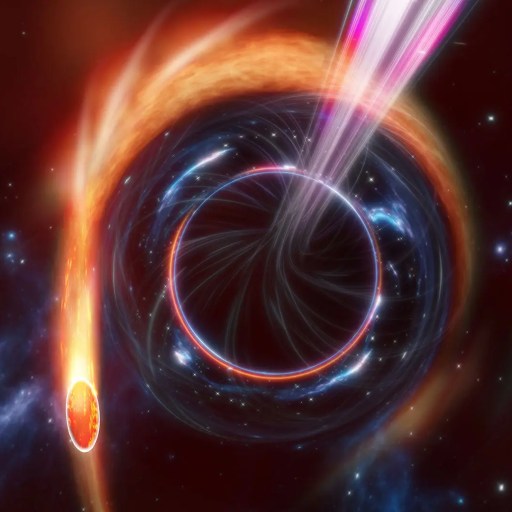
Seven years ago, an outburst in a distant galaxy brightened and faded away. Afterward, a new supermassive black hole jet emerged, but how?
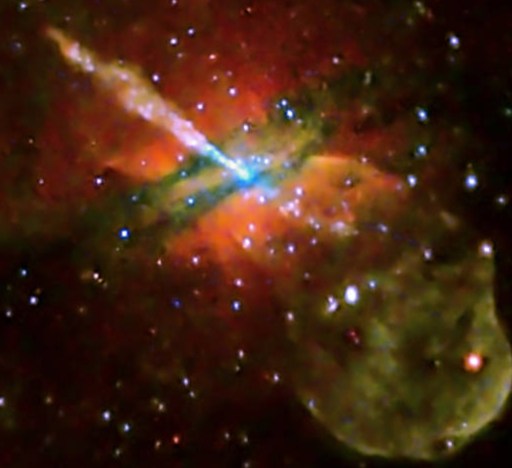
Here in our Universe, stars shine brightly, providing light and heat to planets, moons, and more. But some objects get even hotter, by far.
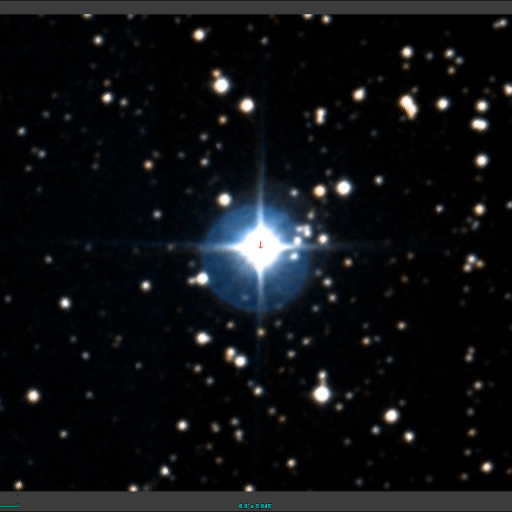
Most stars shine with properties, like brightness, that barely change at all with time. The ones that do vary help us unlock the Universe.
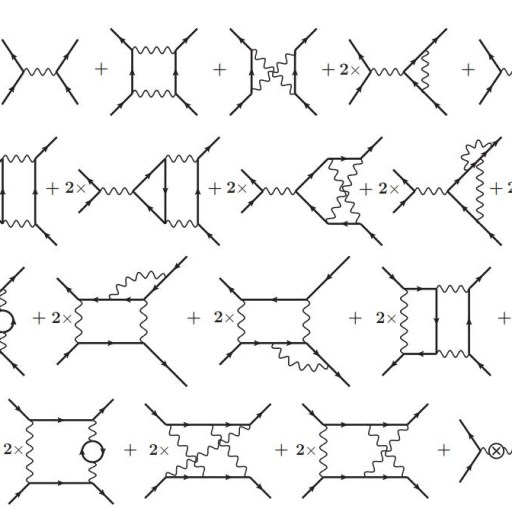
The electromagnetic force can be attractive, repulsive, or "bendy," but is always mediated by the photon. How does one particle do it all?
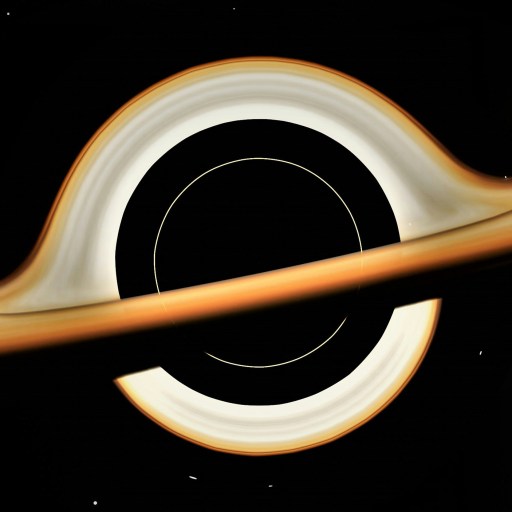
Many of us look at black holes as cosmic vacuum cleaners: sucking in everything in their vicinity. But it turns out they don't suck at all.

There's no upper limit to how massive galaxies or black holes can be, but the most massive known star is only ~260 solar masses. Here's why.
In the year 2000, physicists created a list of the ten most important unsolved problems in their field. 25 years later, here's where we are.

We see objects whose light only arrives just now. But we see them as they were in the past: when that now-arriving light was first emitted.
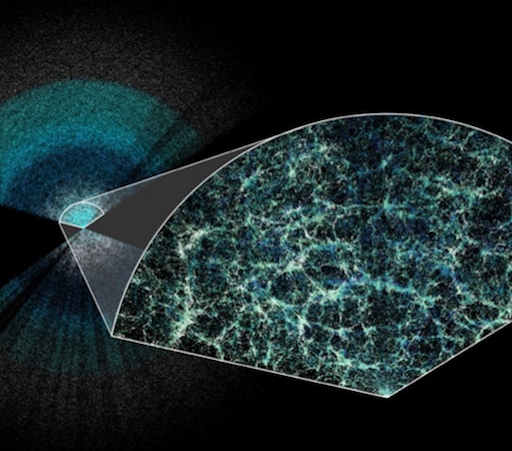
Our Universe isn't just expanding, the expansion is accelerating. Instead of dark energy, could a "lumpy" Universe be at fault?

Despite the Sun's high core temperatures, atomic nuclei repel each other too strongly to fuse together. Good thing for quantum physics!

It's simpler, more compact, and reusable from year-to-year in a way that no other calendar is. Here's both how it works and how to use it.
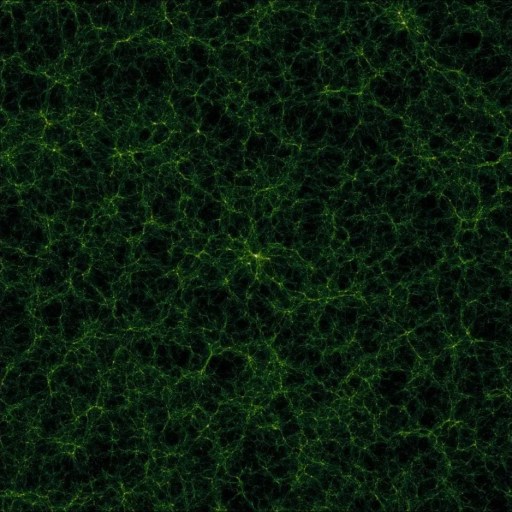
On larger and larger scales, many of the same structures we see at small ones repeat themselves. Do we live in a fractal Universe?
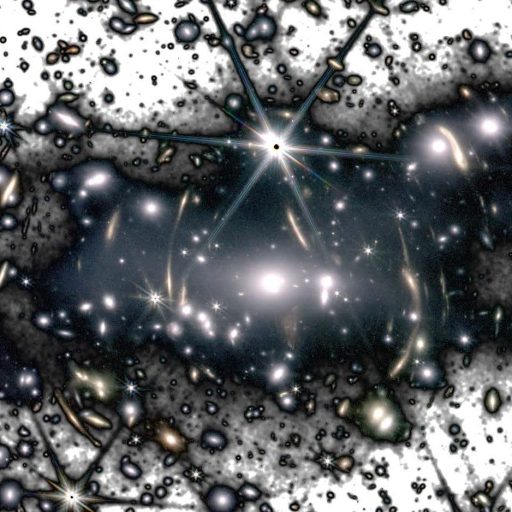
It's not only the gravity from galaxies in a cluster that reveals dark matter, but the ejected, intracluster stars actually trace it out.
Earth is actively broadcasting and actively searching for intelligent civilizations. But could our technology even detect ourselves?
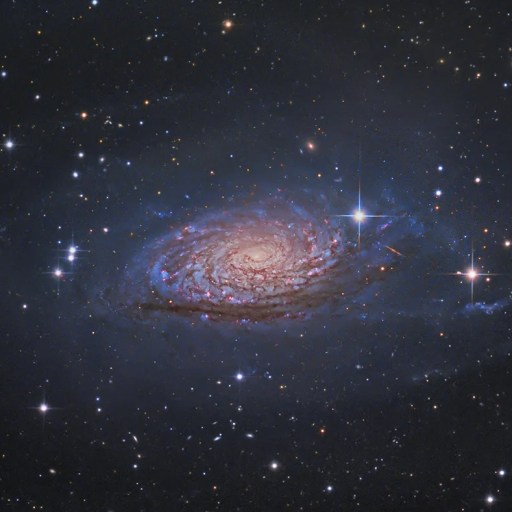
Did the Milky Way form by slowly accreting matter or by devouring its neighboring galaxies? At last, we're uncovering our own history.
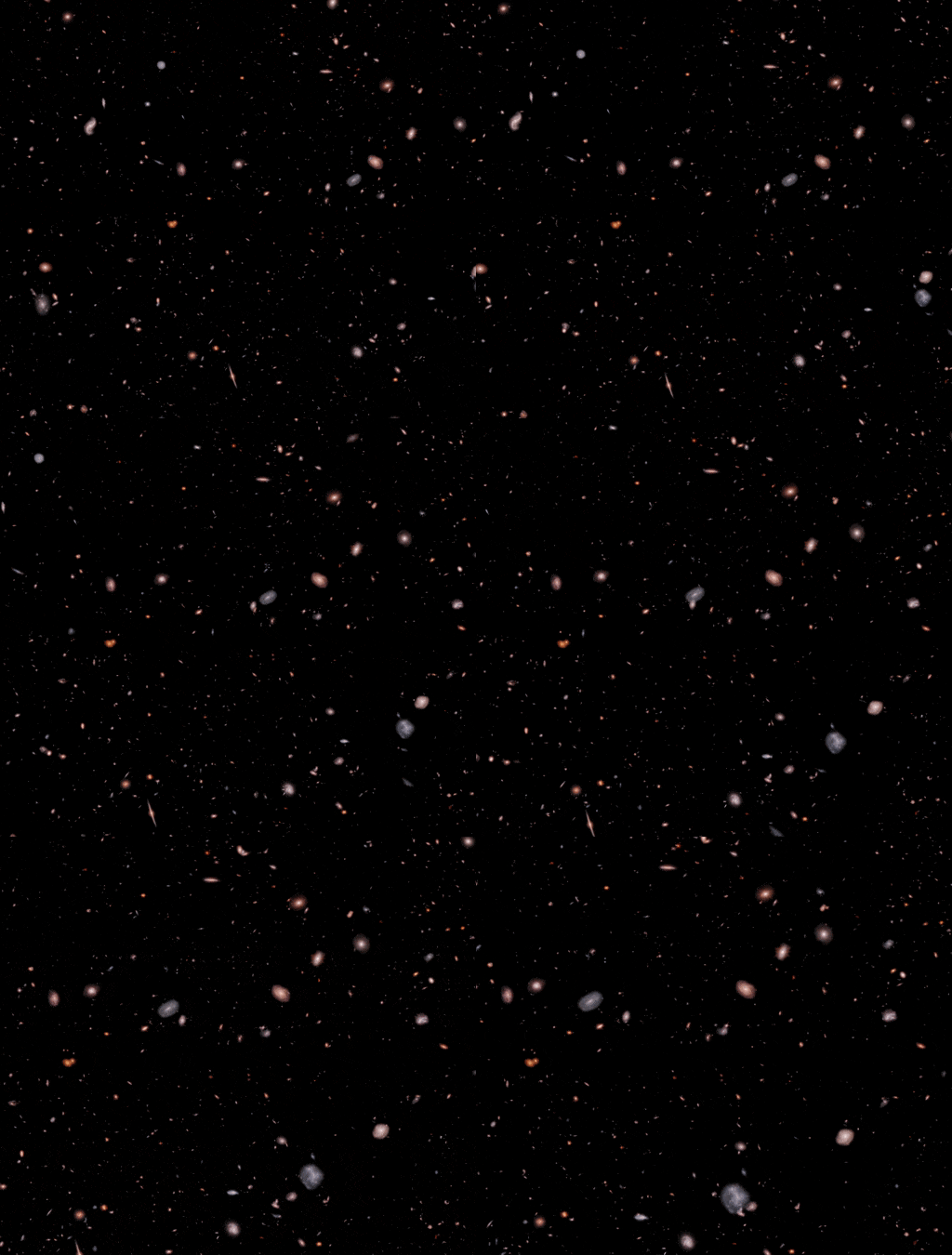
Forget billions and billions. When it comes to the number of galaxies in the Universe, both theorists' and observers' estimates are too low.

Known as orphaned planets, rogue planets, or planets without parent stars, these "outliers" might be the most common type of planet overall.
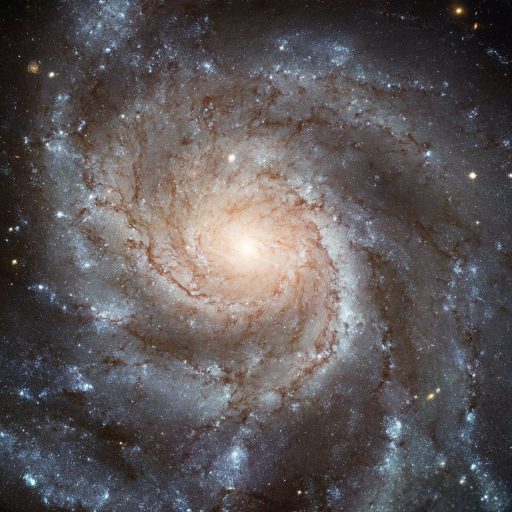
Our galactic home in the cosmos — the Milky Way — is only one of trillions of galaxies within our Universe. Is one of them truly our "twin?"