Search
Ethan Siegel
A theoretical astrophysicist and science writer, host of popular podcast “Starts with a Bang!”
Ethan Siegel is a Ph.D. astrophysicist and author of "Starts with a Bang!" He is a science communicator, who professes physics and astronomy at various colleges. He has won numerous awards for science writing since 2008 for his blog, including the award for best science blog by the Institute of Physics. His two books "Treknology: The Science of Star Trek from Tricorders to Warp Drive" and "Beyond the Galaxy: How humanity looked beyond our Milky Way and discovered the entire Universe" are available for purchase at Amazon. Follow him on Twitter @startswithabang.
Read Less
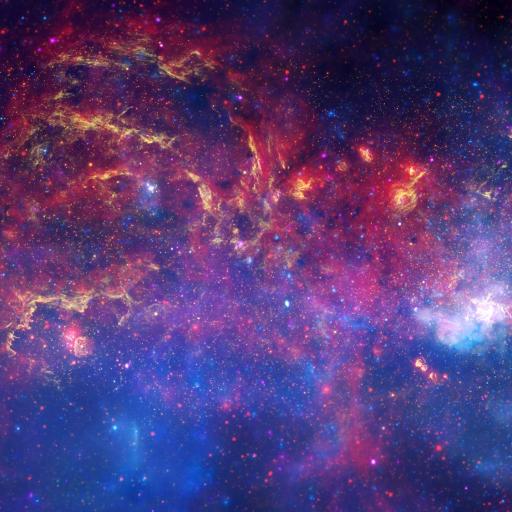
NASA's space telescopes and observatories bring humanity unrivaled science images and scientific discoveries. Here's what should be next.
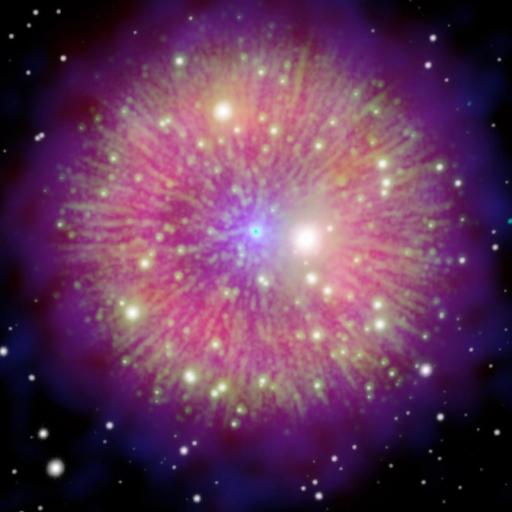
In the year 1181, a "guest star" was recorded in the constellation of Cassiopeia. Its modern supernova remnant is weirder than we imagined.
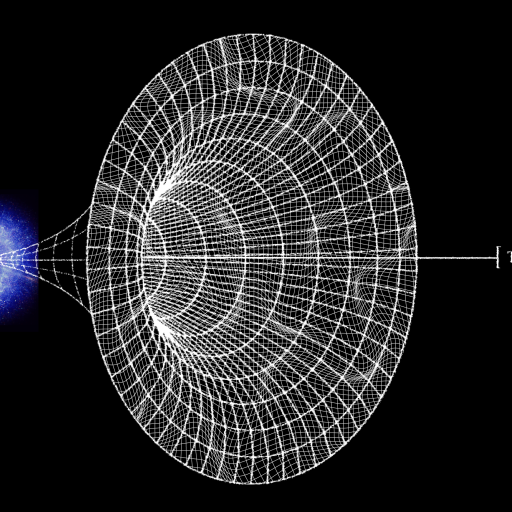
Almost everyone asserts that the Big Bang was the beginning of everything, followed by inflation. Has everyone gotten the order wrong?
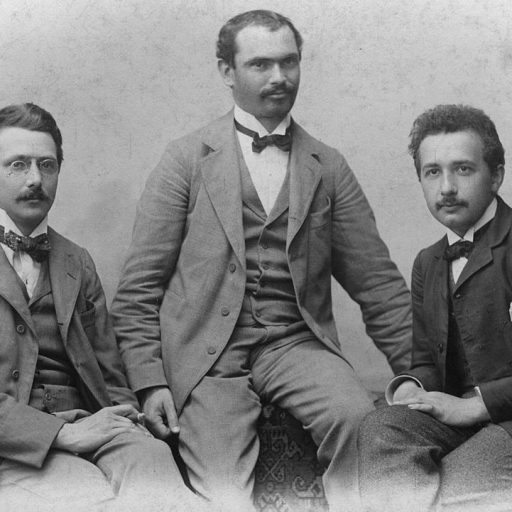
Many mavericks look to Einstein as a unique figure, whose lone genius revolutionized the Universe. The big problem? It isn't true.
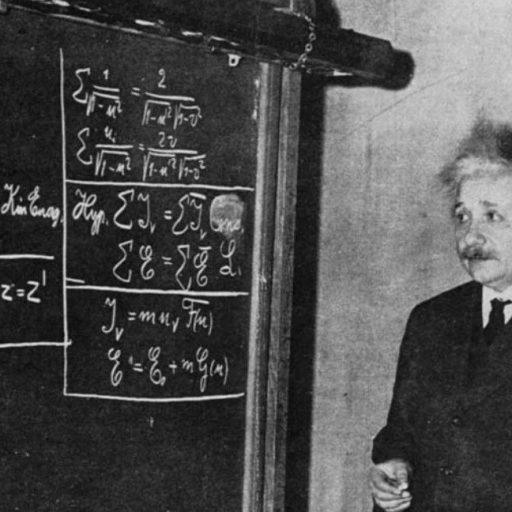
Beyond stars, galaxies, and gravity, studying the fundamental workings of nature reveals widely applicable lessons for learners everywhere.
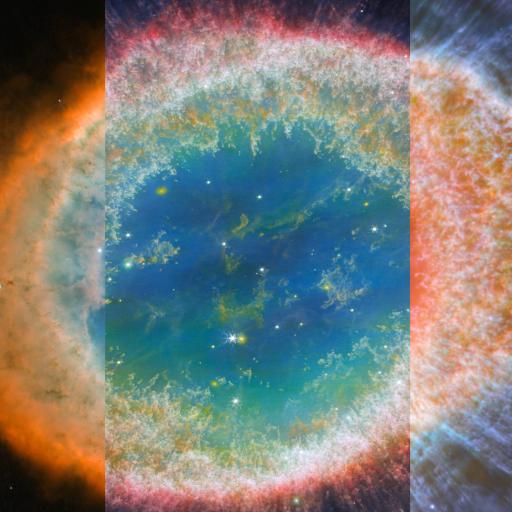
More than two years after JWST began science operations, our Universe now looks very different. Here are its biggest science contributions.
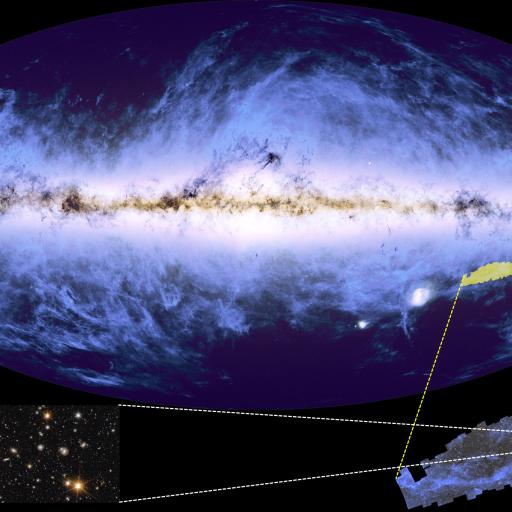
What are dark matter and dark energy? The large-scale structure of the cosmos encodes them both, with ESA's Euclid mission leading the way.

The most common visual depictions of the history of the Universe show the Big Bang as a growing tube with an "ignition" point. Why is that?
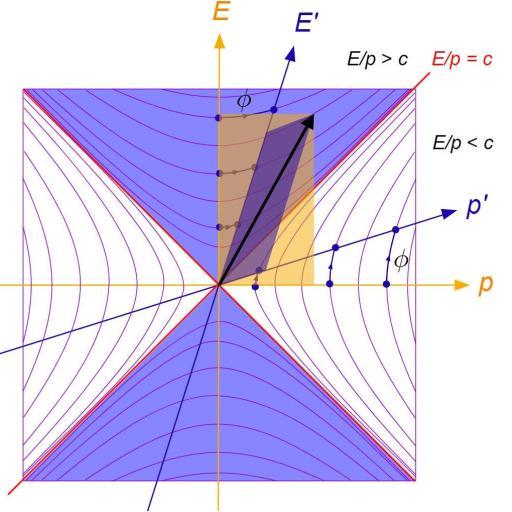
The fabric of spacetime is four-dimensional, with three for space and only one for time. But wow, time sure is different from space!
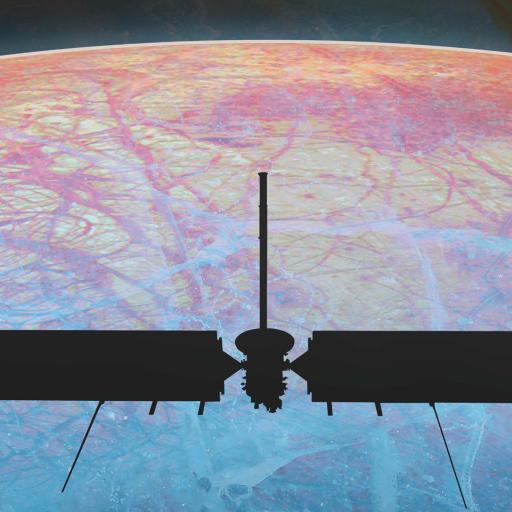
Could life be widespread throughout the cosmos, in the subsurface oceans of ice-covered worlds? NASA's Europa Clipper mission investigates.
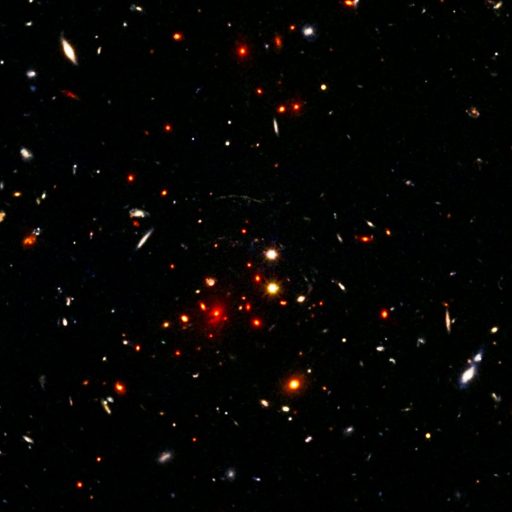
An in-depth interview with astronomer Kelsey Johnson, whose new book, Into the Unknown, explores what remains unknown about the Universe.

There are a number of factors to consider when choosing where to build a telescope. These 3 locations, on their merits, surpass all others.
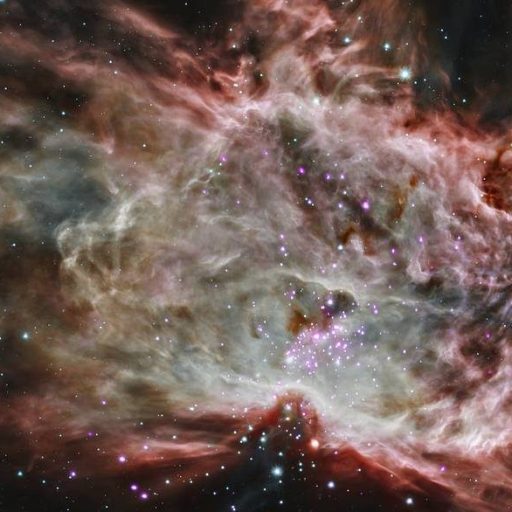
The Universe changes remarkably over time, with some entities surviving and others simply decaying away. Is this cosmic evolution at work?

Black holes encode information on their surfaces, but evaporate away into Hawking radiation. Is that information preserved, and if so, how?

Artificial intelligence is much more than image generation and smart-sounding chatbots; it's also a Nobel-worthy endeavor rooted in physics!
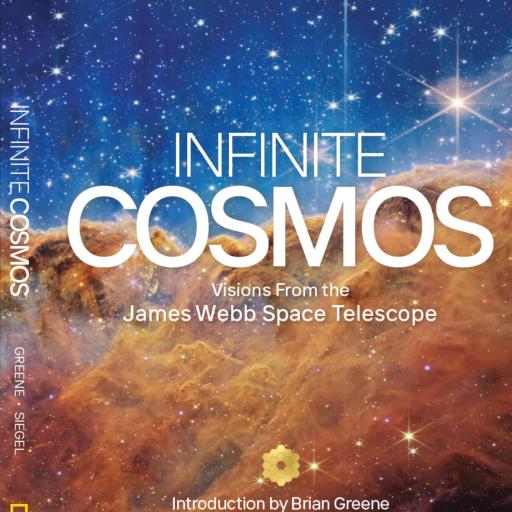
National Geographic's first James Webb Space Telescope book shows us the cosmos like never before.
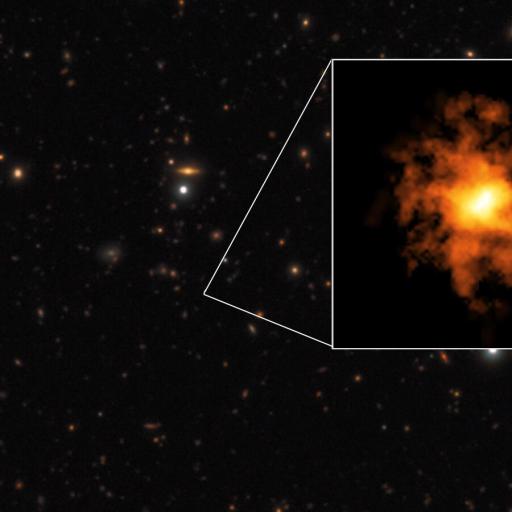
The earliest Milky Way-like galaxy, REBELS-25, was spotted rotating about its axis. It's only 700 million years old: 5% of our present age.
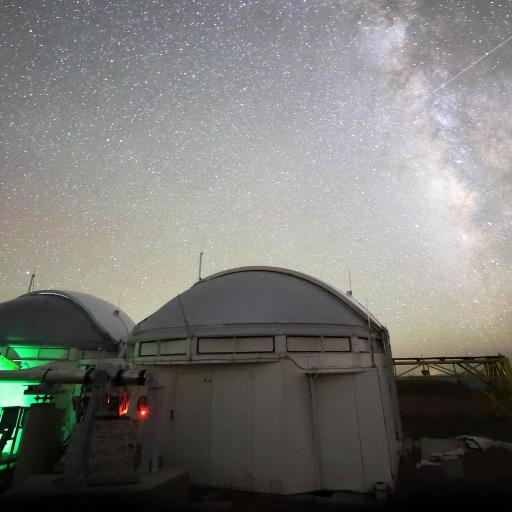
Interferometry gave us a black hole's event horizon, but that was in the radio. What can we accomplish with a new optical interferometer?

Today, the deepest depths of intergalactic space aren't at absolute zero, but at a chill 2.73 K. How does that temperature change over time?
The Universe has been creating stars for nearly all 13.8 billion years of its history. But those photons can't match the Big Bang's light.