Search
Ethan Siegel
A theoretical astrophysicist and science writer, host of popular podcast “Starts with a Bang!”

Ethan Siegel is a Ph.D. astrophysicist and author of "Starts with a Bang!" He is a science communicator, who professes physics and astronomy at various colleges. He has won numerous awards for science writing since 2008 for his blog, including the award for best science blog by the Institute of Physics. His two books "Treknology: The Science of Star Trek from Tricorders to Warp Drive" and "Beyond the Galaxy: How humanity looked beyond our Milky Way and discovered the entire Universe" are available for purchase at Amazon. Follow him on Twitter @startswithabang.
Read Less
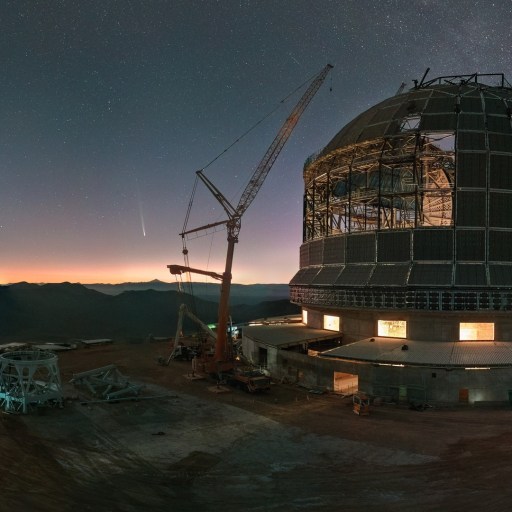
Comet A3, also known as Comet Tsuchinshan-ATLAS, has sprung to life since 2024's last equinox. Here's how to catch the show for yourself.
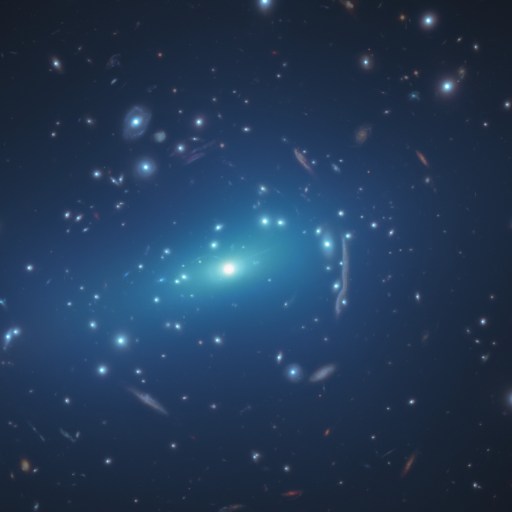
In theory, dark matter is cold, collisionless, and only interacts via gravity. What we see in ultra-diffuse galaxies indicates otherwise.
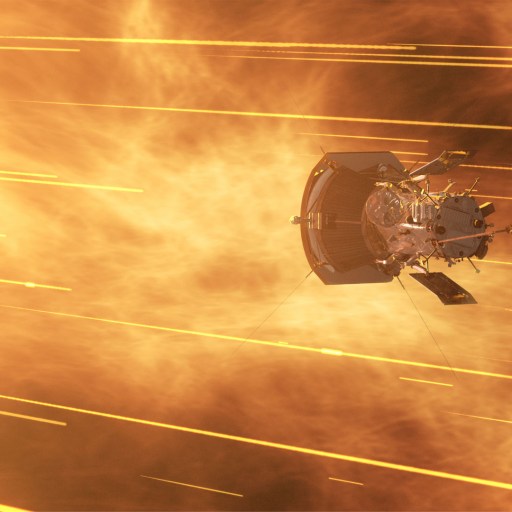
The Parker Solar Probe is about to undergo its seventh encounter with Venus on its journey toward the Sun. Here's how fast it'll go.
In all directions, at great distances, the Universe looks younger, more uniform, and less evolved. Does that mean Earth must be the center?

Time is relative, not absolute, as gravity and motion both cause time to dilate. Your head and feet, therefore, don't age at the same rate.
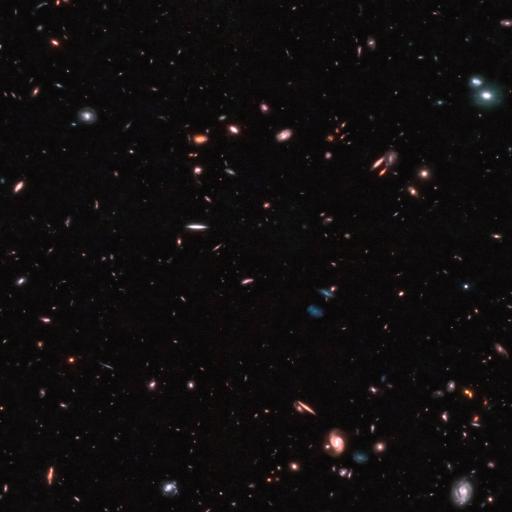
Despite many ultra-distant galaxy candidates found with JWST, we still haven't seen anything from the Universe's first 250 million years.
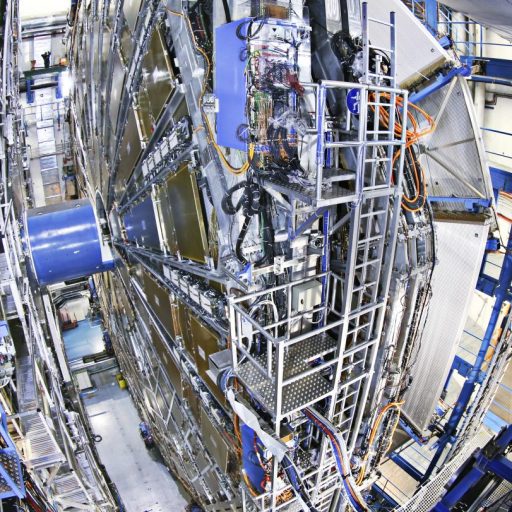
LHC scientists just showed that spooky quantum entanglement applies to the highest-energy, shortest-lived particles of all: top quarks.
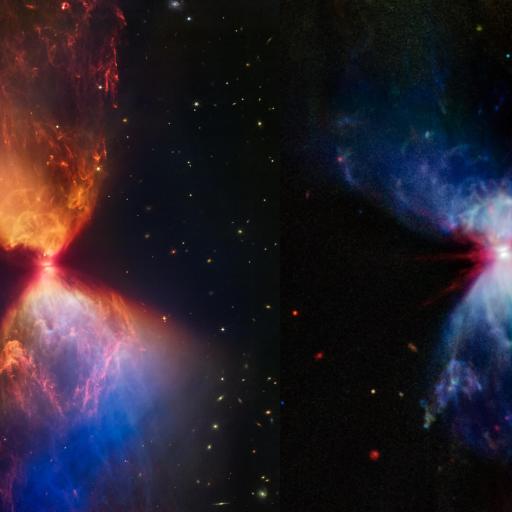
Just 460 light-years away, the closest newborn protostars are forming in the Taurus molecular cloud. Here are JWST's astonishing insights.
It's possible to remove all forms of matter, radiation, and curvature from space. When you do, dark energy still remains. Is this mandatory?
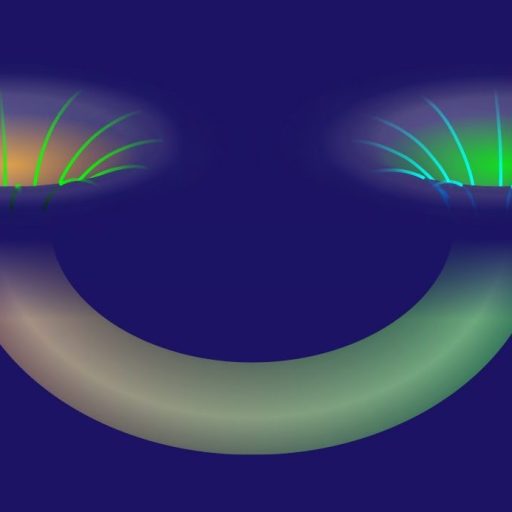
Do we actually live in a deterministic Universe, despite quantum physics? An alternative, non-spooky interpretation has now been ruled out.
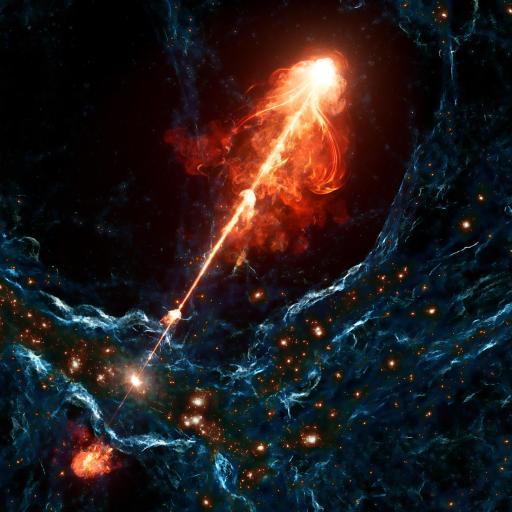
With the discovery of Porphyrion, we've now seen black hole jets spanning 24 million light-years: the scale of the cosmic web.
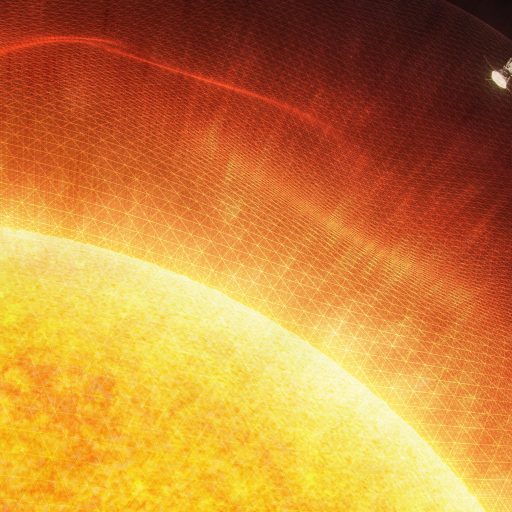
It would get rid of our hazardous, radioactive, and pollutive waste for good, but physics tells us it's a losing strategy for elimination.
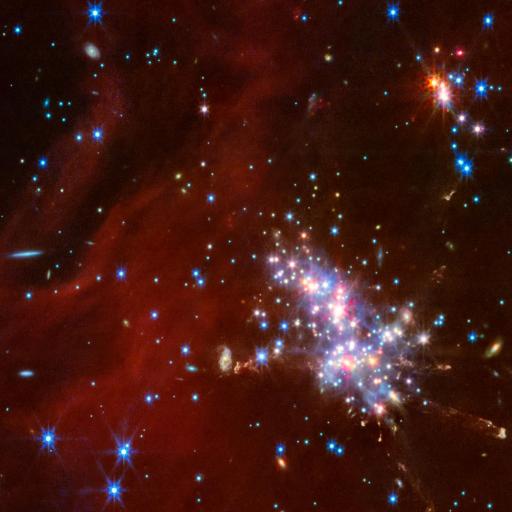
Almost all of the stars, planets, and interesting physics happens in the inner portions of galaxies. Is that conventional wisdom all wrong?
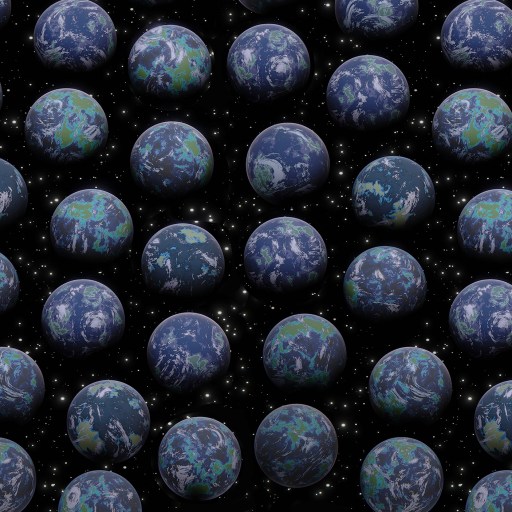
Within our observable Universe, there's only one Earth and one "you." But in a vast multiverse, so much more becomes possible.
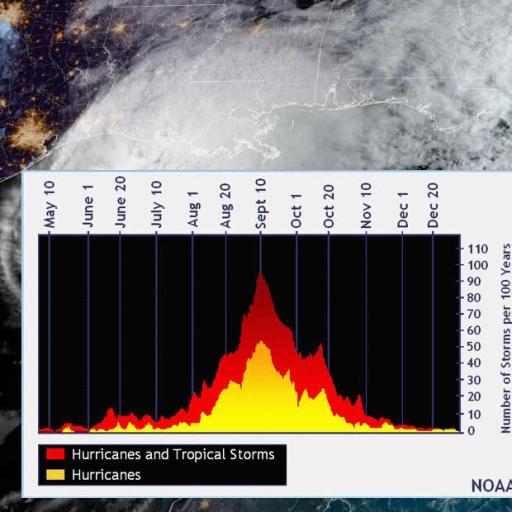
The laws of physics aren't changing. But the Earth's conditions are different than what they used to be, and so are hurricanes as a result.
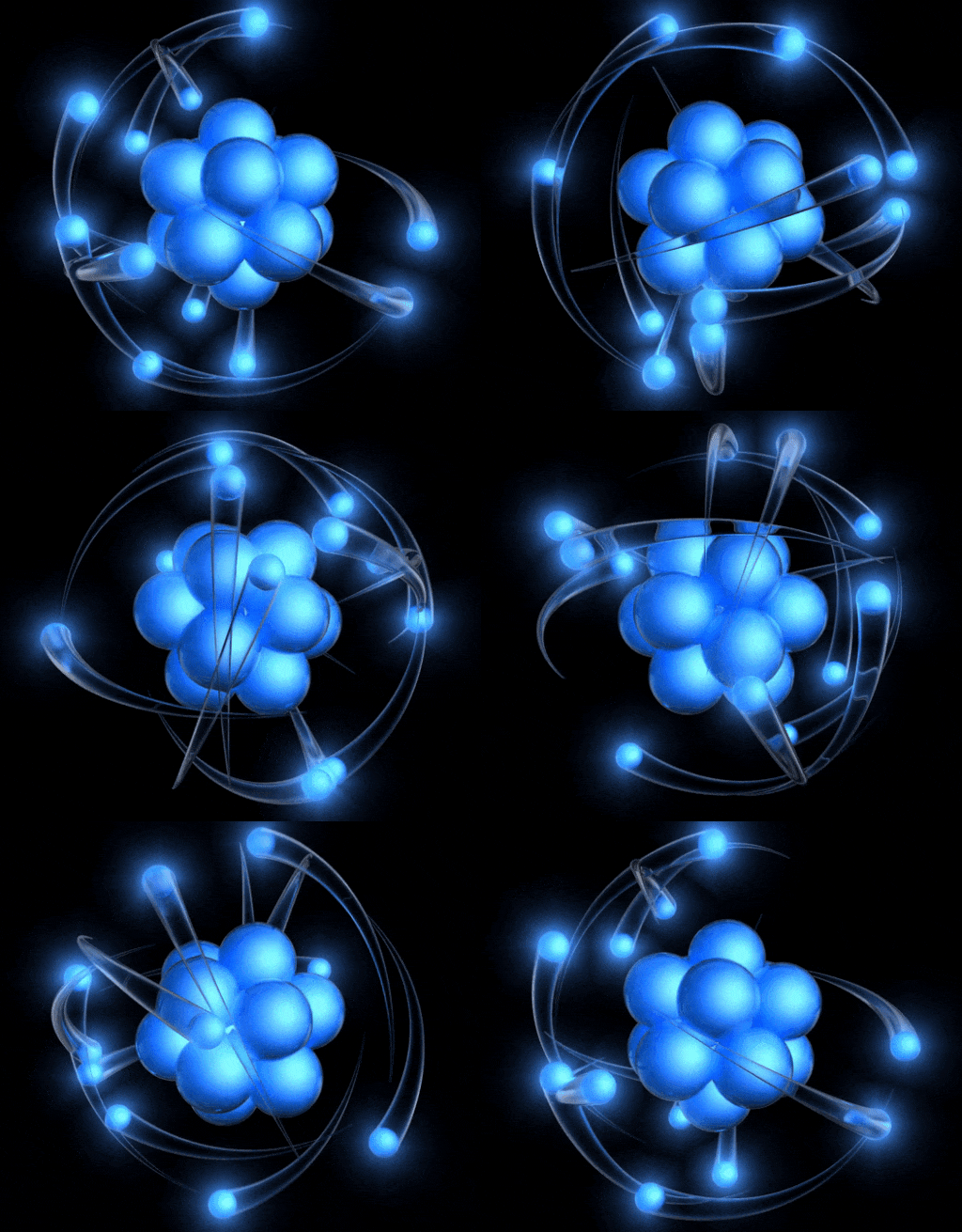
Most fundamental constants could be a little larger or smaller, and our Universe would still be similar. But not the mass of the electron.
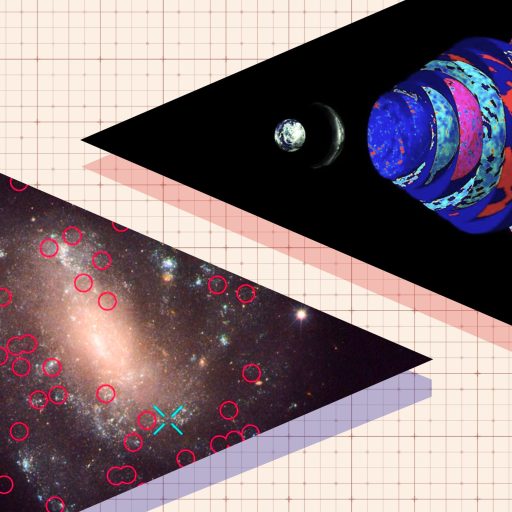
In the expanding Universe, different ways of measuring its rate give incompatible answers. Nobel Laureate Adam Riess explains what it means.
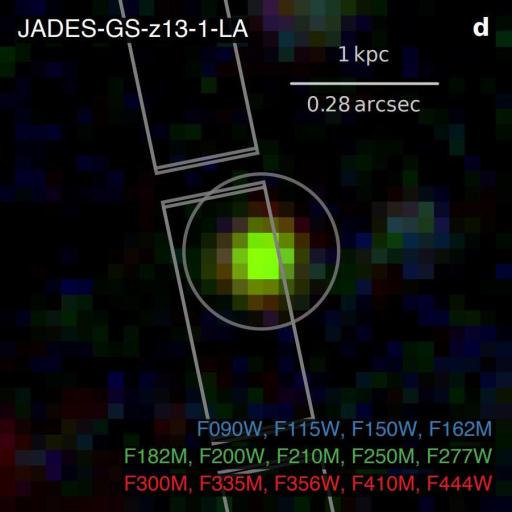
The Lyman-α emission line has never been seen earlier than 550 million years after the Big Bang. So why does JADES-GS-z13-1-LA have one?
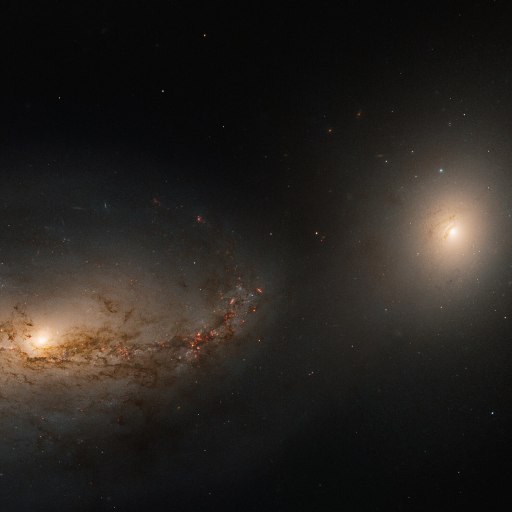
Galactic activity doesn't just arrive when supermassive black holes feast on matter. Before, during, and after all create fascinating signs.
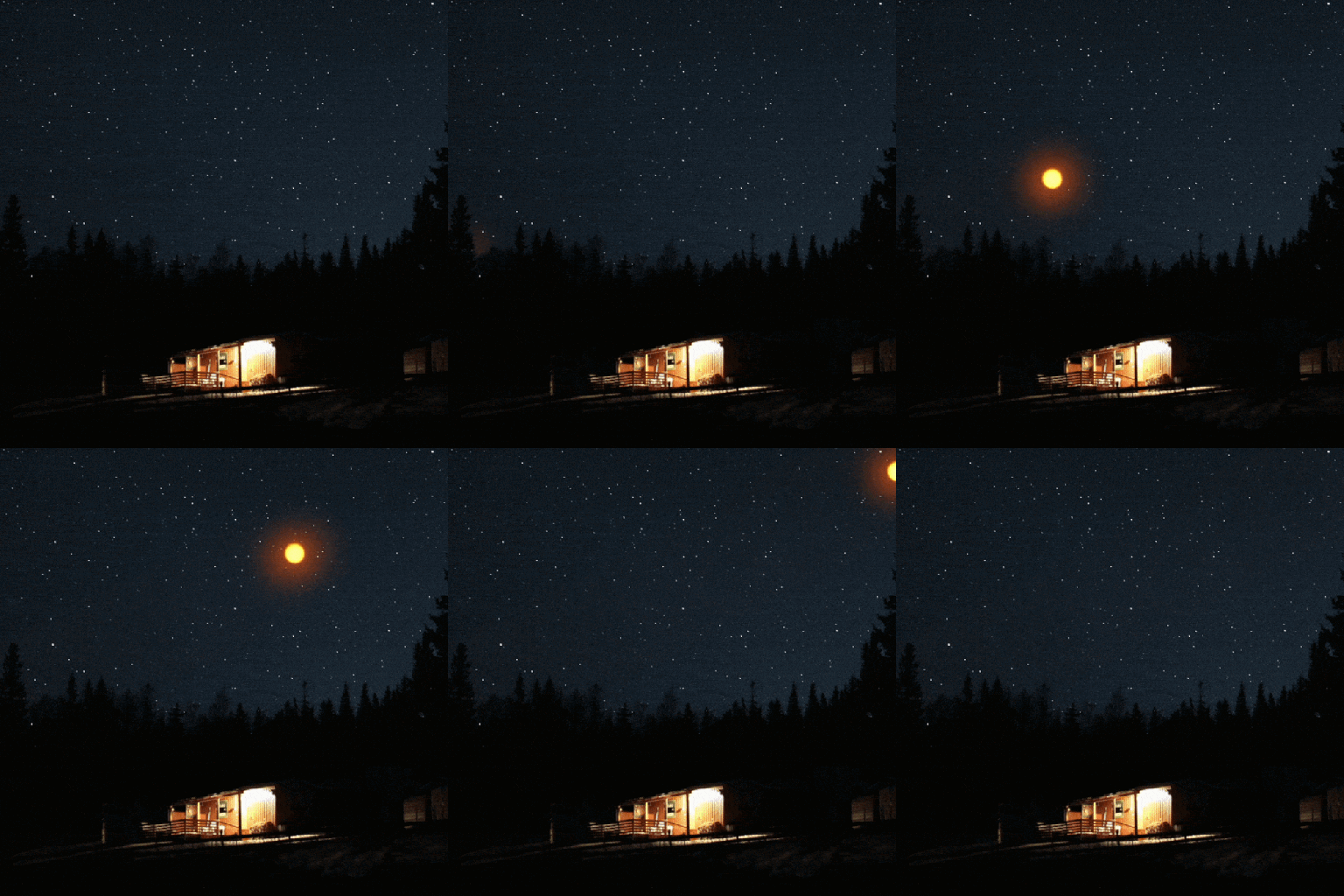
Although a great many unidentified sights have been seen in the skies, none have conclusively demonstrated the presence of aliens. So far.